Skip to content

Advertisement

Advertisement

Uncrowned Armory News

Biden’s Administration Seeks Congressional Approval for Ukraine Aid
The U.S. President, Joe Biden, has proposed a $24 billion aid package dedicated to Ukraine and the replenishment of U.S. weaponry, according to a document obtained by Politico Pro. This signals the current administration's drive to bolster Ukrainian defenses before the incoming administration, under then-president Donald Trump, takes over.
Aid Package Breakdown and Reception
The proposed fund allocation sees the lion's share, roughly $16 billion, set aside to resupply U.S. militaries. The remaining $8 billion would be directed to the Ukraine Security Assistance Initiative (USAI). The Pentagon-guided USAI focuses on equipping Ukraine with defense materials via contracts established with U.S. defense corporations.
Congress reportedly received the request for the aid package on November 25, with the suggestion that this request could be incorporated into the Congressional measure to prevent a government shutdown come following month, an insight obtained from the document in Politico's possession.
However, the financial assistance package is not void of its critics, reflecting the politically charged nature of foreign aid. For instance, Mike Lee, a Republican Senator, and confidant of Trump criticized the aid proposition. Lee argued against the package, claiming it could harm Trump's peace negotiations. Echoing this sentiment, Elon Musk, regarded as a key figure in Trump's circle, called out the move as propagating an 'endless' war.
Uncertainty of the Request Amid Political Change
While the funding request aligns with earlier statements from Biden’s administration about their intention to help Ukraine, the chances of its approval remain uncertain. Trouble arises due to the recent solidification of Republican control over the legislature, following the November elections outcome. This is potentially problematic because precedence shows the Republican-majority House of Representatives delayed a similar $61 billion assistance bill for several months before finally giving it the green light in April.
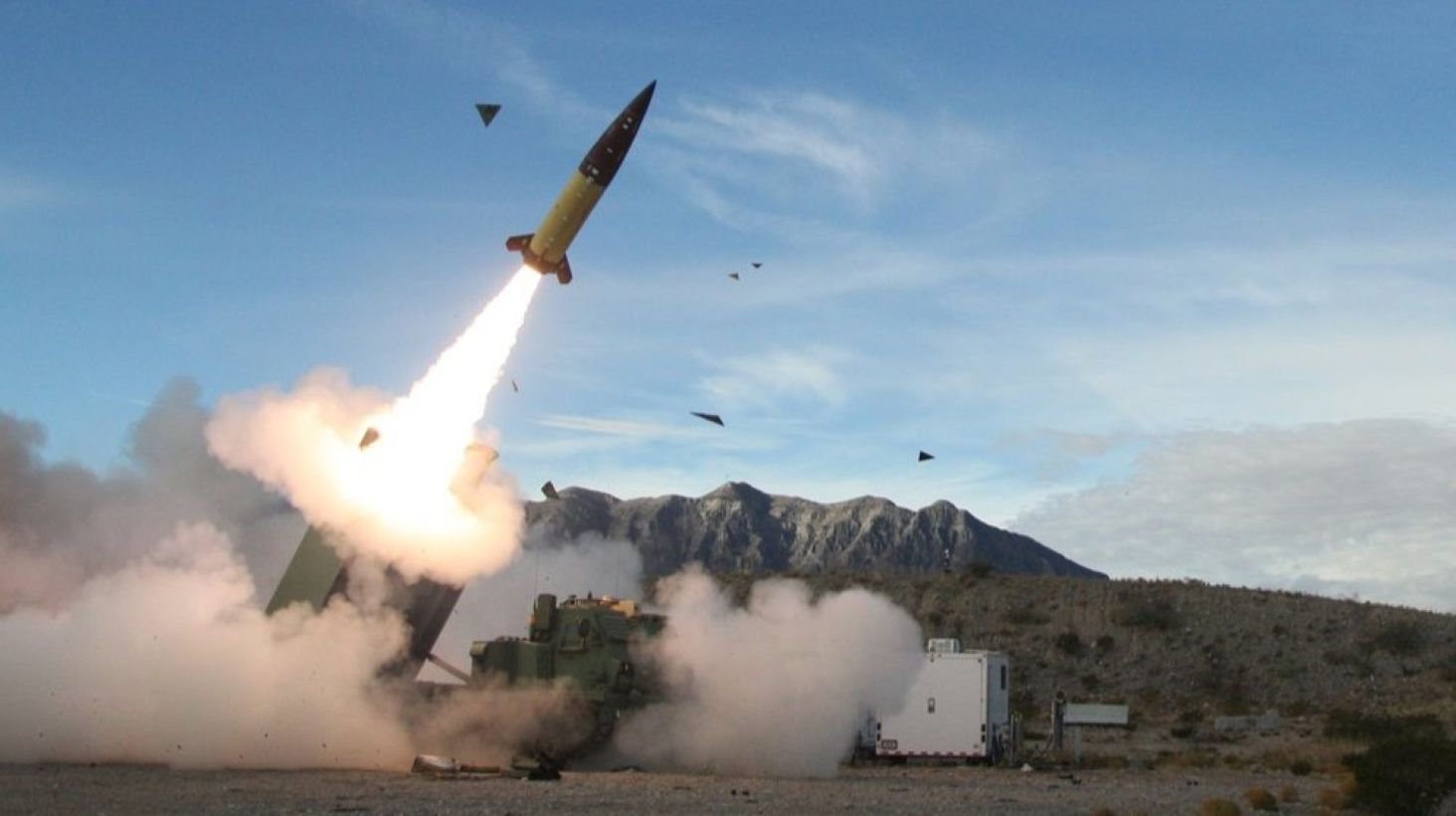
Meanwhile, strategic decisions by the Biden administration, such as the approval to deliver anti-personnel mines and giving Ukraine the green light to launch U.S-made long-range ATACMS at targets within Russia, have sent clear messages to Kyiv and Moscow. They have demonstrated Washington’s willingness to provide Ukraine with significant support in their defense, even as President Biden's administration is in its twilight.
  • Text Only
Immense Casualties In Ukraine-Russia War, according to The Economist
The Economist, based on its estimates published on November 26, has put forth that between 60,000 to 100,000 Ukrainian soldiers have lost their lives in the overarching conflict. Up to 400,000 additional soldiers are reportedly too wounded to partake in further combat.
Warfare Impact and Calculations
The President of Ukraine, Volodymyr Zelensky, has been rather discreet about the nation's military casualties, with acknowledgments as of February noting the loss of about 31,000 Ukrainian fighters. However, The Economist's numerics are based on a compilation of data; intelligence reports (both leaked and published), inputs from defense officials and researchers, as well as open-source intelligence.
According to the data, the catastrophic war has caused Russia and Ukraine to lose a larger proportion of their population as compared to the United States during the combined years of the Korean and Vietnam wars. A striking revelation from The Economist reports, that almost one in 20 men of fighting age in Ukraine have been killed or injured due to the war.
Comparative Estimates and Casualty Concealment
Comparable casualty approximations were also made by the Wall Street Journal in September. The publication projected a loss of 80,000 Ukrainian soldiers, with 400,000 injuries. The Russian side was estimated to bear up to 200,000 deaths and 400,000 injuries.
The precise numbers, however, remain hard to establish, given the secretive stature maintained by both Kyiv and Moscow on the topic of military casualties. Up until September 2022, Russian authorities have only made public a casualty count of 5,937 soldiers.
In contrast, as per the General Staff of Ukraine's Armed Forces, Russia's overall losses exceeded 735,000, as of November 27. Consequently, Russia's casualty count from the full-scale war is reckoned to be greater than all other wars it has participated in since 1945.
Civilian Casualties: The Unaccounted Victims
The Economist asserts that estimating civilian casualties is an even more challenging endeavor, with the possible numbers being in the tens of thousands. The U.N. mission based in Ukraine has confirmed the loss of 11,743 civilians until this past summer.
However, these figures may not capture the full range of the civilian toll, considering the obstacles set by Russia in permitting monitors to access occupied territories. Of these, areas like Mariupol, which presumably saw the heaviest civilian casualties, are particularly of interest.
  • Text Only
Aid Trucks Looted in Gaza: An Alarming Trigger to Skyrocketing Food Prices
Unstable conditions and escalating food prices have been witnessed in the Gaza Strip following a violent attack and subsequent looting of almost a hundred aid trucks operated by the United Nations (UN), originally brought in from Israel.
Dire Aftermath - Distress Calls from United Nations Relief Agency
As reported by the United Nations Relief and Works Agency for Palestine Refugees in the Near East (UNRWA), out of 109 trucks that made it into central Gaza on Saturday, a shocking number of 97 were forcibly unloaded of their aid at gunpoint and then brutally ransacked.
The robbery has drastically exacerbated the severity of food shortages in the area. According to the UNRWA, all eight UN-backed bakeries located in Deir al-Balah and Khan Younis have been grappling with a sharp decline in flour supplies for weeks, forcing several to cease operations completely. Without immediate assistance, an already-burgeoning food crisis could intensify, endangering the survival prospects of over 2 million people who rely upon humanitarian aid.
Citizens' Perspective - Survival Amidst Inflation
A Deir al-Balah resident revealed to the Associated Press that the current situation has led to a steep increase in the price of flour, now soaring above $100 per bag, assuming it is even obtainable.
Spokesperson for the UN, Stephane Dujarric, added that the convoy was ordered by the Israeli military to venture via an "alternative, unfamiliar route," post the aid being transported through the Kerem Shalom crossing. It was near this crossing that the trucks fell prey to attacks.
Laying Blame - Casting Shadows on Hamas
Israel points accusations towards criminal gangs and the Palestinian terrorist group, Hamas, holding them accountable for the aid's theft.
In reversal, a senior Hamas official abroad, Bassem Naim, alleged that the guilty parties were young Bedouin men operating east of Rafah, proximal to Israeli military positions.
Al-Aqsa TV, under the control of the militants, declared that Gaza's Hamas-run security forces had initiated an operation against the looters, resulting in 20 fatalities.
Greater Horrors - Residents' Plight
Amidst the political blame game, the dire interior conditions are worsening. Nora Muhanna, a Gaza City homeless resident, voiced her despair to the AP. She shared, "From the beginning, there are no goods, and even if they are available, there is no money."
Moreover, the UNRWA criticized Israeli authorities for neglecting their legal responsibilities under international law to ensure the basic survival needs of the population are met and aid delivery is secure.
  • Text Only
Lithuania to Power Production of Ukrainian Drones
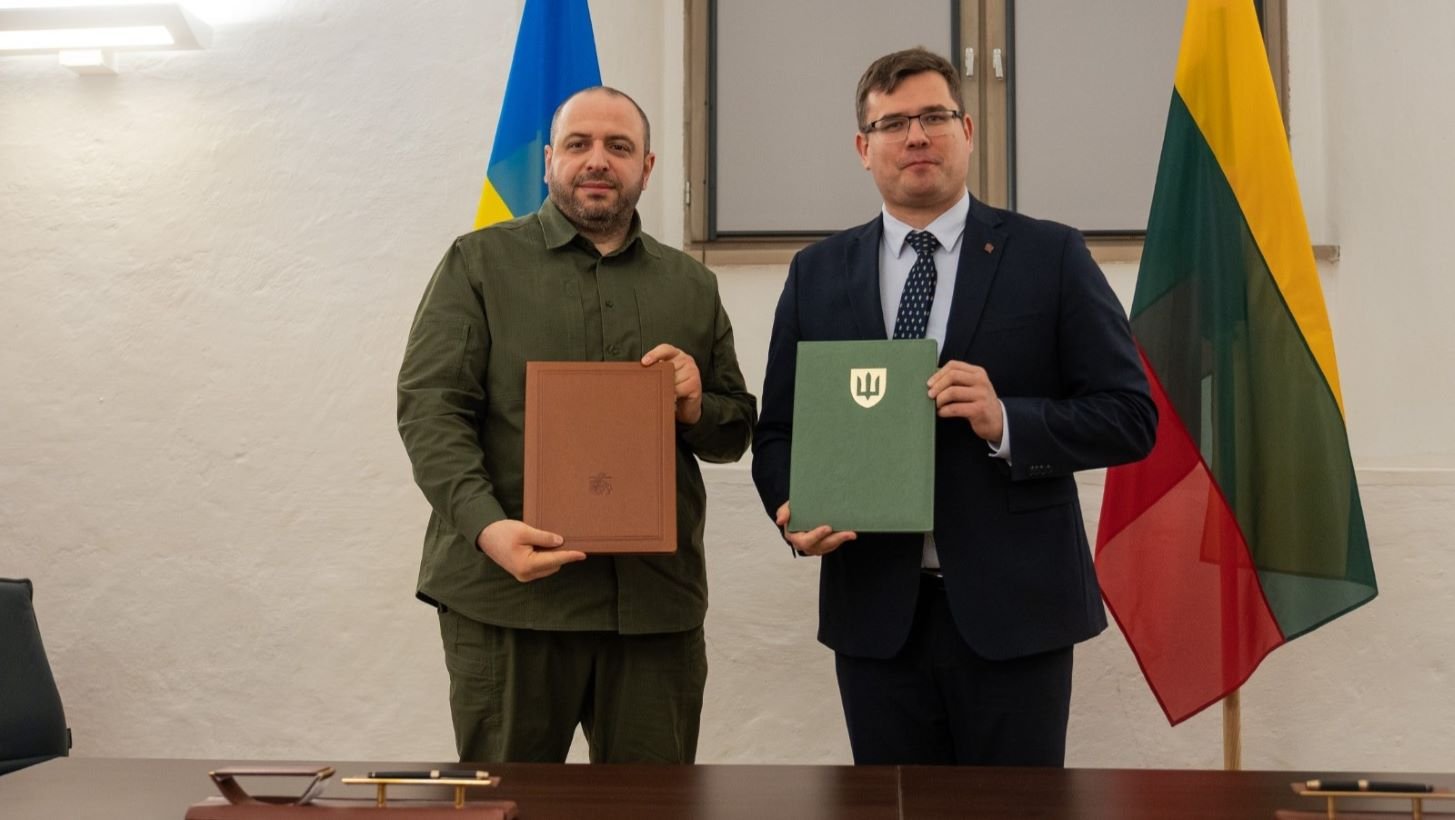
Lithuania has committed to funding the production of long-range drones for Ukraine, according to Ukrainian Defense Minister Rustem Umerov. He made the revelation on Nov. 23, adding a new dynamic to the security relationship between Lithuania and Ukraine.
A Dedicated Fund for Defense Technology
A long-term agreement has been structured between Ukraine and Lithuania to fuel the production of drones. The deal promises an initial grant of 10 million euros, primarily earmarked for the development of Ukraine's Palianytsia missile-like drones. This funding signifies the strategic importance Lithuania sees in supporting Ukraine's advanced defense technology initiatives.
Reflecting on this partnership, Defense Minister Umerov acknowledged, "I expressed gratitude to the Republic of Lithuania for its unwavering support in these trying times, and personally thanked Defense Minister Laurynas Kasciunas for his leadership."
Planning for Enhanced Defense Collaboration by 2025
In addition to these funding arrangements, Umerov and his Lithuanian counterpart reportedly examined potential avenues for expanded defense industry cooperation between the two nations, identifying key priorities for 2025. Strategies discussed involve equipping Ukrainian brigades, strengthening air defense infrastructure, and amply supplying ammunition.
The strategic collaboration between Lithuania and Ukraine aims at strengthening the defense capabilities of both nations and promoting an environment of regional stability.
A Continuation of International Support for Ukraine
Lithuania's funding announcement comes on the heels of similar pledges from other countries. On Nov. 22, the Defense Ministry stated that Sweden had agreed to underwrite the production of long-range drones for Ukraine. Sweden's commitment aids Ukraine's defenses, which have been put under strain due to Russia's continuous aggressive approach.
Through these partnerships, Ukraine's drone production receives significant international support, reinforcing its defense capabilities and contributing to regional security endeavors.
  • Text Only
Ukraine's Lost Ground: Over 40% of Initial Kursk Incursion Reclaimed
Ukraine, in the throes of territorial conflict with Russia, has conceded over 40 per cent of its former territorial gains in Russia's Kursk Oblast. This stems from heightened Russian counteractions, as reported by Reuters on November 23 citing a Ukrainian General Staff source.
According to the confidential source, at the peak of their territorial control, Ukraine's dominion extended over an estimated 1,376 square kilometers. However, this region has since dwindled due to escalating Russian counteractions. "Now we control approximately 800 square kilometers. We will retain control over this territory as long as militarily feasible," the source informed Reuters.
Ukraine's initial acquisition in Kursk Oblast occurred during a surprising intrusion into Russian terrain earlier this August. Since that time, Russia has commenced extensive countermeasures to reclaim its territory.
The Strategic Undertone: Putin's Plan Ahead of Trump's Inauguration
NATO allies speculate Russian President Vladimir Putin's determination to regain territory lost in Kursk Oblast before U.S. President-elect Donald Trump's inauguration on January 20. As noted by The Telegraph, the objective likely involves establishing a strengthened position ahead of potential peace discussions.
The same source noted that an estimated 60,000 Russian army personnel are currently assigned in Kursk Oblast, with instructions to approach the border with Sumy Oblast to establish a "buffer zone," emulating Ukraine's strategy in Kursk Oblast.
Prior statements from Kyiv highlighted that around 11,000 North Korean soldiers are supplementing the ongoing counteroffensive in Kursk. The Ukrainian General Staff source mentioned the majority of these North Korean soldiers are finalizing training alongside Russian forces.
Worsening Conflict: Russia Steps Up Its Efforts
As Russia endeavors to retake Kursk, it also ramps up efforts on the Eastern front. These intensified offensives place Ukrainian forces under rising pressure as they strive to secure pivotal positions.
Meanwhile, the Deputy Head of Ukraine's military intelligence agency (HUR), Vadym Skibitskyi, revealed a daunting piece of information on November 21. A staggering sum of roughly 580,000 Russian soldiers is involved in combat across Ukraine.
  • Text Only
Nearly 580,000 Russian Soldiers Battling Ukraine Amid Mounting Casualties
In the ongoing conflict against Ukraine, Russia has engaged almost 580,000 of its ground forces, reported Vadym Skibitskyi, the deputy head of Ukraine's military intelligence agency (HUR) to Interfax Ukraine on Nov. 21.
This formidable figure reflects Russia's determined efforts to enlarge its military apparatus engaging in the Ukrainian war. The Russian government has amended its policies to incentivize enlistment in the Russian army. These amendments absolve prospective defendants from criminal liability and offer financial rewards for contract service.
Russian Forces' Participation Beyond Borders
Skibitskyi explained this count encapsulates Russian forces stationed in Russia's Kursk Oblast, who are currently involved in combat against Ukraine's incursion into the region. According to an undisclosed source in the General Staff of Ukraine's Armed Forces cited by Suspilne, nearly 60,000 Russian military personnel are presently deployed in Kursk.
Moreover, approximately 35,000 Russian Guard troops, or Rosgvardia, have been deployed in the Russian-occupied territories within Ukraine, Skibitskyi indicated.
Staggering Casualties Among Russian Ranks
Earlier this year, Russian President Vladimir Putin stated that close to 700,000 Russian troops were fighting in Ukraine. As of October, the Russian army has faced about 600,000 casualties since the full-on invasion began based on Pentagon calculations, and nearly 730,00 based on Ukrainian estimates.
This figure underscores a particularly deadly phase of the war for Russian forces. As per data from the General Staff of Ukraine's Armed Forces, September was marked as the second most fatal month for Russian soldiers since February 2022.
Pressured Ukraine Continues Its Defensive Struggle
Despite the staggering casualty rates, Russian forces maintain their onslaught in eastern Ukraine, with a major focus on the cities of Pokrovsk and Toretsk in Donetsk Oblast. Despite being outnumbered and outgunned, Ukrainian soldiers persevere in the face of the mounting pressure, although they are slowly conceding territory to the aggressive Russian advances.
  • Text Only
UK Committed to Defending NATO Allies Against Potential Russian Invasion
The United Kingdom stands ready to dispatch troops to combat Russian incursions into NATO countries on the alliance's eastern boundary, as announced by Rob Magowan, Deputy Chief of the British Defense Staff on Nov. 21, according to Politico.
Fears over escalating Russian belligerence have been mounting in Europe, sparked largely by continued forward momentum by Moscow in eastern Ukraine.
Complications regarding Europe’s defensive capabilities were further intensified by the triumph of Donald Trump, a Republican, in the U.S. presidential election. Notably, Trump during his campaign frequently implied that the U.S. might withhold assistance for NATO member countries failing to fulfill defense spending obligations, sowing seeds of apprehension among European allies.
UK Ready to Respond to Russian Escalation
In responding to inquiries pertaining to the UK’s possible deployment of forces to NATO's eastern periphery in response to substantial Russian escalation, Magowan reassured parliamentarians that the UK would spring into action immediately if summoned.
"There should be no misapprehension that if Russia invaded Eastern Europe tonight, our forces would be there on the frontline," Magowan addressed the House of Commons defense committee.
Magowan further stated that the British Armed Forces wield "a spectrum of operational risks and operational strengths."
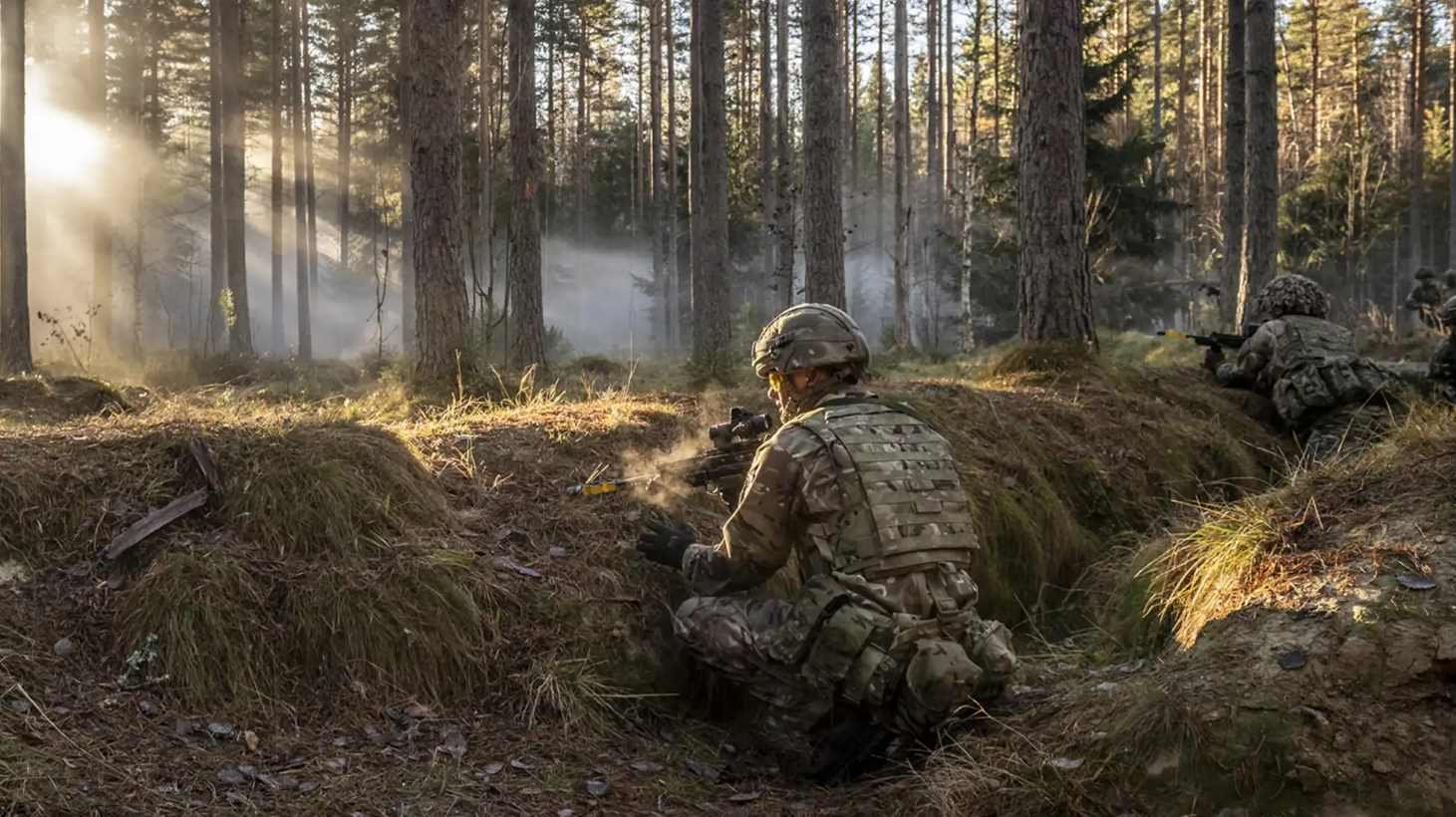
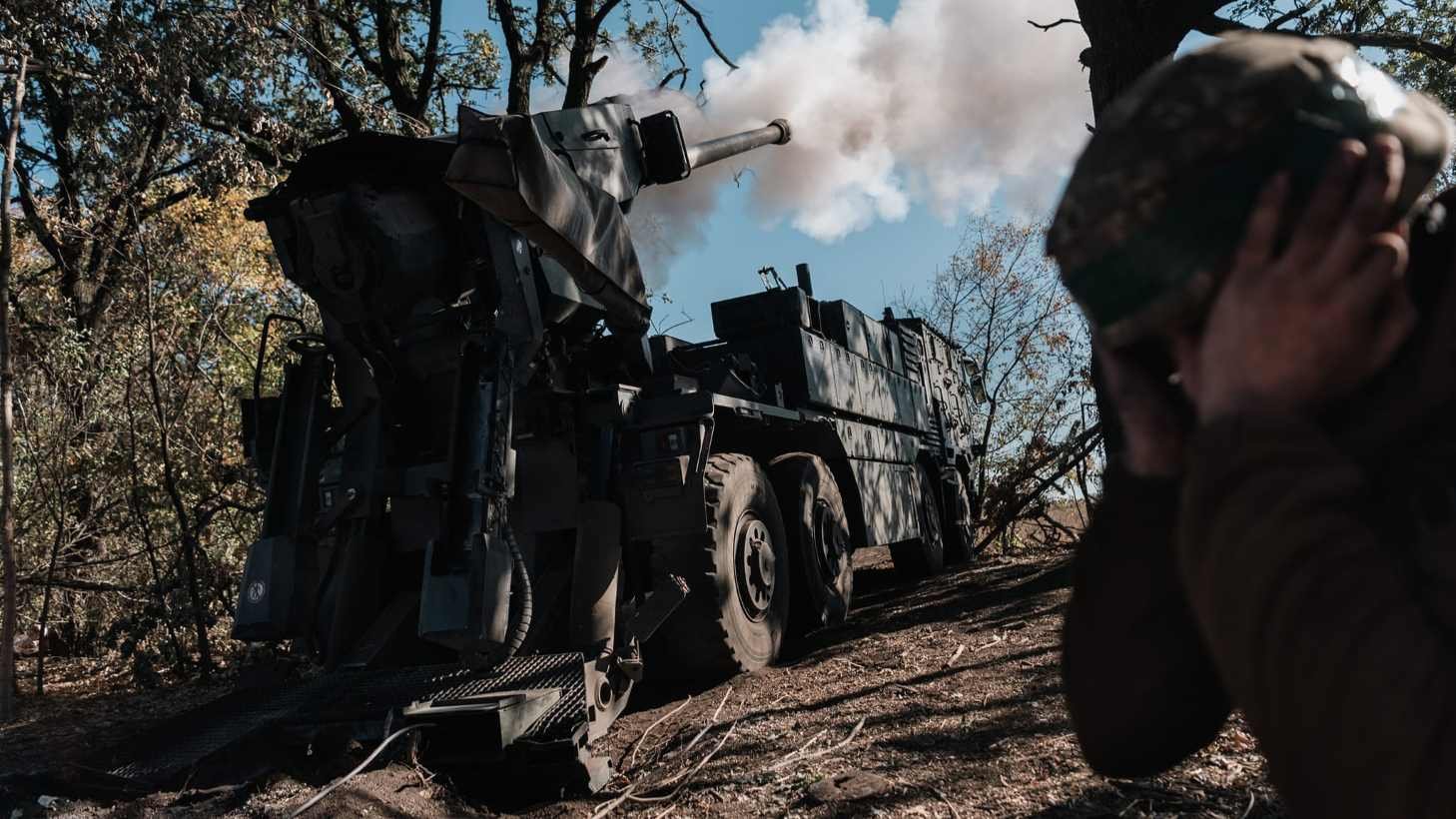
This statement comes in the wake of the UK Defense Ministry's disclosure on Nov. 21 that the British Army had successfully completed live-fire trials of its Archer mobile howitzer, a swift-deploy artillery system. These tests occurred during a 12-day NATO maneuver in Finland.
Concerns Over Military State Amid Readiness Confirmation
Despite this firm posture, concerns are growing within the British government regarding the condition of its military, with the British Army having reached its smallest size since the 1700s, as reported by Politico.
In a discussion last month, UK Defense Secretary John Healey disclosed that the state of the armed forces was "far graver than we anticipated" when his Labor Party assumed power earlier this summer. The authorities are currently undertaking a Strategic Defense Review.
  • Text Only
Kongsberg Secures Historic Air Defense Agreement with the Netherlands
Kongsberg Defence & Aerospace recently unveiled its most substantial air defense contract to date, revealing a deal with the Netherlands for NASAMS and NOMADS systems through an announcement on social media.
Strengthening Defense Through the CITADEL Program
The landmark contract, executed on November 21, comes in the wake of a recommendation from the Dutch government tendered to Parliament on October 14 under the CITADEL program. This governmental initiative is geared towards enhancing the country's integrated air and missile defense proficiencies.
Eirik Lie, President of Kongsberg Defence & Aerospace, expressed optimism following the successful contract signing and lauded the Netherlands' decision. "By choosing NASAMS and NOMADS, the Netherlands significantly augments its air defense arsenal with a system capable of addressing short- and medium-range threats. As a committed member of the extensive NASAMS user community, we are delighted to usher in the Netherlands as NOMADS’ first international user," Lie stated.
Building on Established Defense Systems
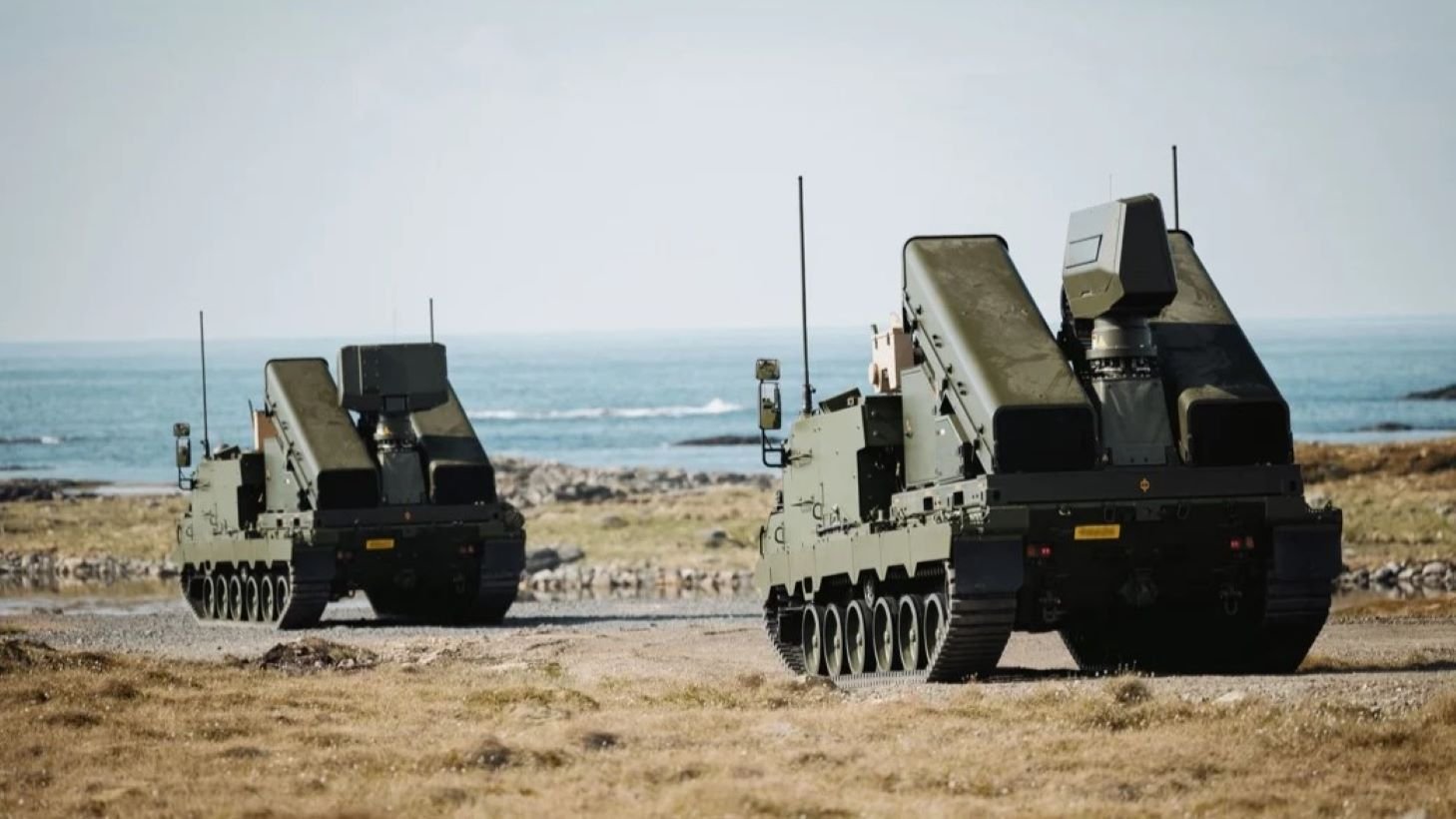
The Netherlands' defense capabilities were initially boosted with the procurement of the NASAMS (National Advanced Surface-to-Air Missile System) in 2006. This new purchase serves to intensify and broaden its ground-based air defense. Incorporated into the CITADEL solution is NOMADS (National Manoeuvre Air Defence System), a highly agile configuration designed for the specific purpose of short-range air defense intended to safeguard land forces in disputed territories.
The NOMADS system seamlessly integrates with NASAMS as well as other NATO systems, allowing for both independent and networked operations across multiple vehicles.
The Netherlands is set to commence receiving NASAMS and NOMADS systems in 2028. This marks a crucial leap forward in updating the country’s defense structure.
NASAMS: A Versatile Component for Future Defense
Jointly developed by the multi-national firms Kongsberg and Raytheon of the United States, NASAMS claims the status as the first operational network-centric short- to medium-range ground-based air defense system worldwide. The system is designed to provide robust protection against a broad range of aerial threats, making it an adaptable element for contemporary air defense.
  • Text Only
Kim Jong Un Accuses U.S. of Pushing Thermonuclear Conflict Potential
In what can be seen as a strong statement on international relations, North Korean leader Kim Jong Un on November 21 blamed the United States for inciting global discord that may culminate in a catastrophic thermonuclear war.
While addressing a military showcase in his nation's capital, Pyongyang, Kim relayed his belief that past negotiations with the U.S. revealed an inherent hostility and aggression from the U.S. towards North Korea.
Kim was quoted as saying, "Never before has the situation on the Korean peninsula been more perilously poised towards a catastrophic thermonuclear war". He expressed a cynicism, borne from previous negotiations, towards the United States' aggressive stance, which, he believes, cannot be changed.
Russia's Launch of IRBM—A Concurrent Development
Interestingly, Kim's remarks coincided with Russian President Vladimir Putin's announcement about the successful testing of his country's latest missile, the "Oreshnik" Intermediate Range Ballistic Missile (IRBM), targeted at Dnipro in Eastern Ukraine.
Putin stated the missile test was a response to Ukraine targeting Kursk and Bryansk, within Russian territory, using long-range ATACMS and Storm Shadow missiles, reportedly supplied by Western forces.
Even though the "Oreshnik" missile has the capacity to carry nuclear warheads, Putin asserted that in this scenario the missile was not nuclear-equipped. He issued a stern warning, though, saying Russia would be prepared to retaliate against any country supplying arms used against Russian targets.
Increased Military Collaboration Between Russia & North Korea
In related news, a Pentagon spokesperson revealed that North Korea has dispatched an impressive number of 10,000 troops to assist Russia, with a majority of these forces stationed in the western region of Kursk Oblast, actively participating in warfare.
It was also reported that Russia is amassing a 50,000-strong military force, comprised of many North Korean soldiers, to carry out a counter-offensive against a Ukrainian salient located in Russia's Kursk Oblast.
This move comes after Russia sustained heavy losses in the previous month, leading some analysts to speculate whether the additional North Korean troops are supplementing depleted Russian forces.
  • Text Only
Russia Allegedly Fires ICBM at Ukraine
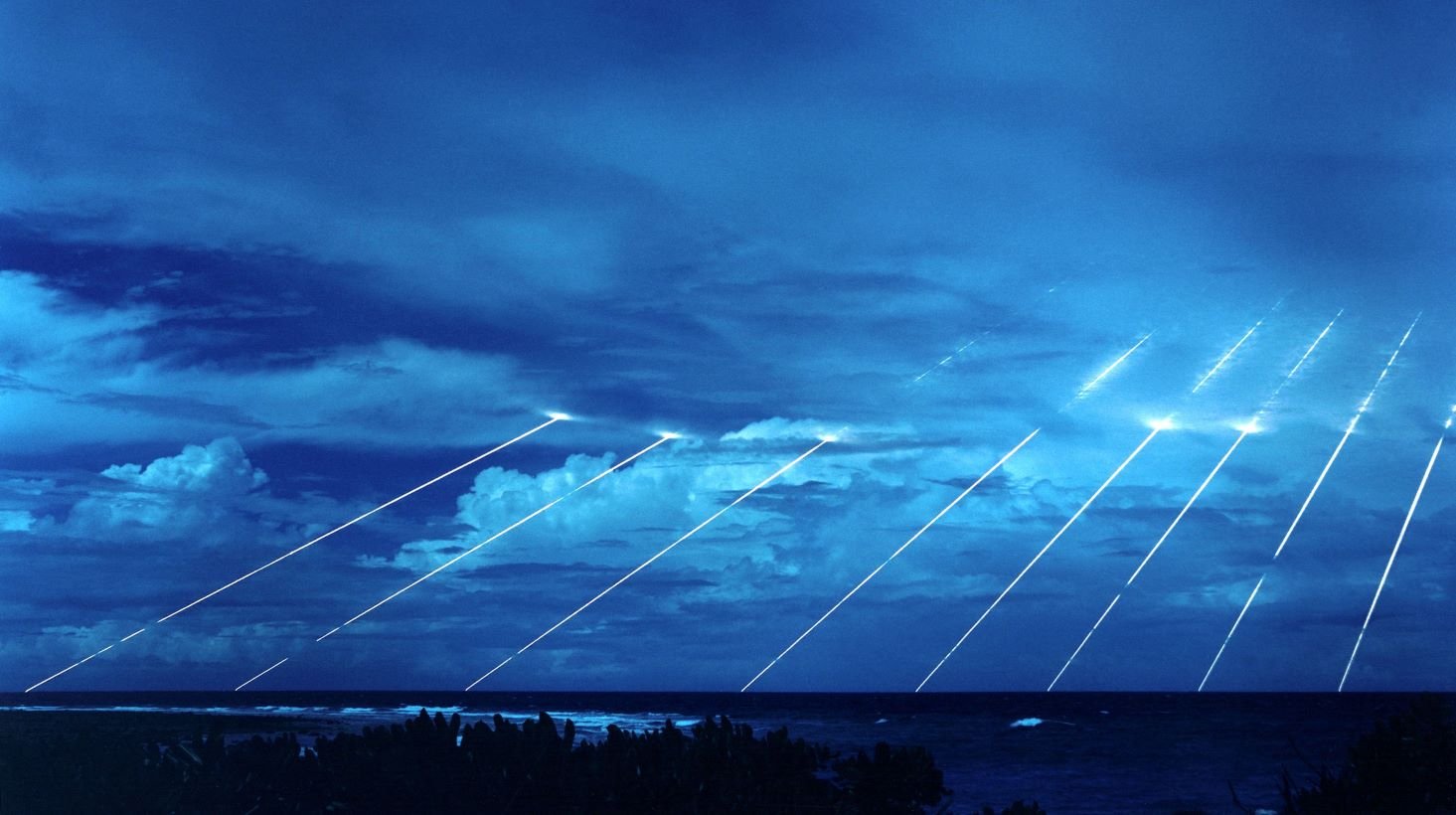
On the morning of November 21, Ukraine’s Air Force reported that Russia launched an intercontinental ballistic missile (ICBM) at the eastern city of Dnipro. This would mark a significant development, as it would be the first time Russia has incorporated this type of weapon in an assault against Ukraine. Russia has yet to confirm this information.
A national air raid alert was triggered in the early hours, citing the menace of ballistic missiles and the subsequent deployment of several Russian Tu-95MS bomber aircraft. The attack reportedly targeted Dnipro with a diverse array of missile types. Among these were Kh-47M2 'Kinzhal' aeroballistic missiles launched from a MiG-31K jet from the Tambov region, seven Kh-101 cruise missiles from Tu-95MS strategic bombers, and an ICBM from the Astrakhan area in the Russian Federation.
The exact type of the ICBM has not yet been revealed. The Astrakhan region is situated over 700 kilometers to the east of Dnipro, at the southern edge of Russia. Akin to its neighboring country of Ukraine, the region shares borders with Kazakhstan, Russia’s Kalmykia Republic, Volgograd Oblast, and the Caspian Sea.
Impact of the Assault on Dnipro
The assault resulted in property damage, including an industrial enterprise and a rehabilitation center for the disabled, according to regional Governor Serhii Lysak and city Mayor Borys Filatov. Furthermore, at least two individuals were injured in the incident.
The Ukranian Air Force reported that six of the Kh-101 missiles had been successfully intercepted, but it was unclear whether the ICBM caused any of the devastation in Dnipro.
Insight into Intercontinental Ballistic Missiles
While short-range ballistic missiles have often been used by Russia in aerial attacks against Ukraine, ICBMs are larger and capable of reaching targets positioned at much greater distances. Thanks to their ability to carry nuclear payloads, ICBMs are extremely potent.
Ballistic missiles are rocket-propelled, designed to ascend into the atmosphere before descending on their target. Despite their potential lack of precision due to guidance only in the initial stage of launch, they offer the advantage of extreme speeds—exceeding 3,200 kilometers per hour as they near their targets. Notably, they boast an impressive range, stretching from around 1,000 kilometers to more than 5,000 kilometers in the case of ICBMs.
Implications of the Attack
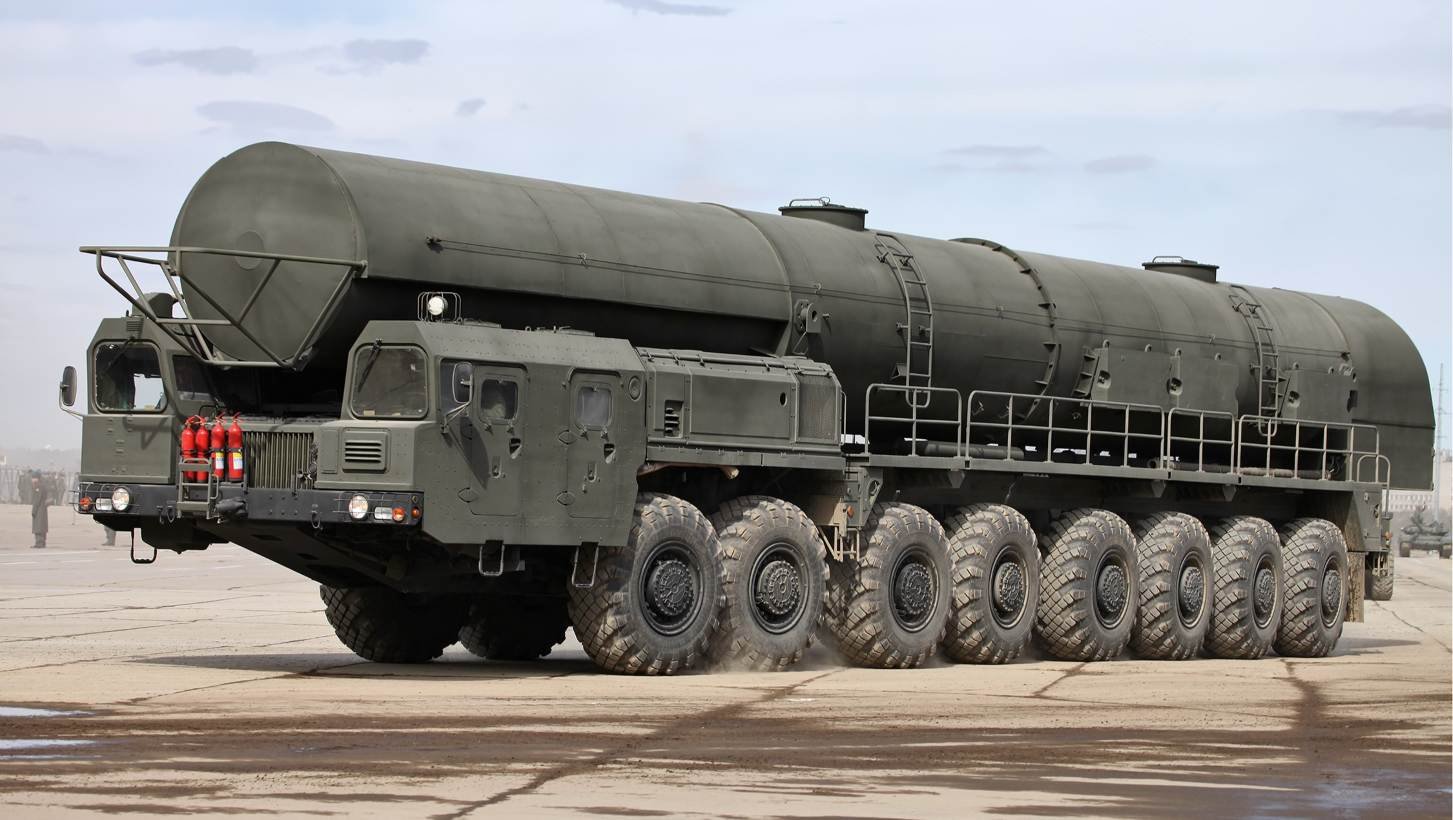
The soundness of the report that Russia launched a RS-26 Rubezh medium-range ICBM, as previously suggested by Ukrainian media, is yet to be confirmed. The Rubezh, which is said to have a range of up to 6,000 kilometers, can hold four warheads, each with an estimated payload of 0.3 megatons.
If confirmed, defense expert Fabian Hoffmann of the University of Oslo indicates that this launch would present predominantly political, rather than military, importance. Considering that Russia is not known to possess a non-nuclear warhead for the Rubezh, the likelihood is that it transported a weight simulator instead of a warhead.
In the wake of what appears to be Ukraine's first successful hit on a military target within Russia using US-supplied ATACMS missiles, Russian President Vladimir Putin declared that his country would respond.
  • Text Only
A Boost to Ukraine's Defenses: U.S. Unveils $275M Military Package
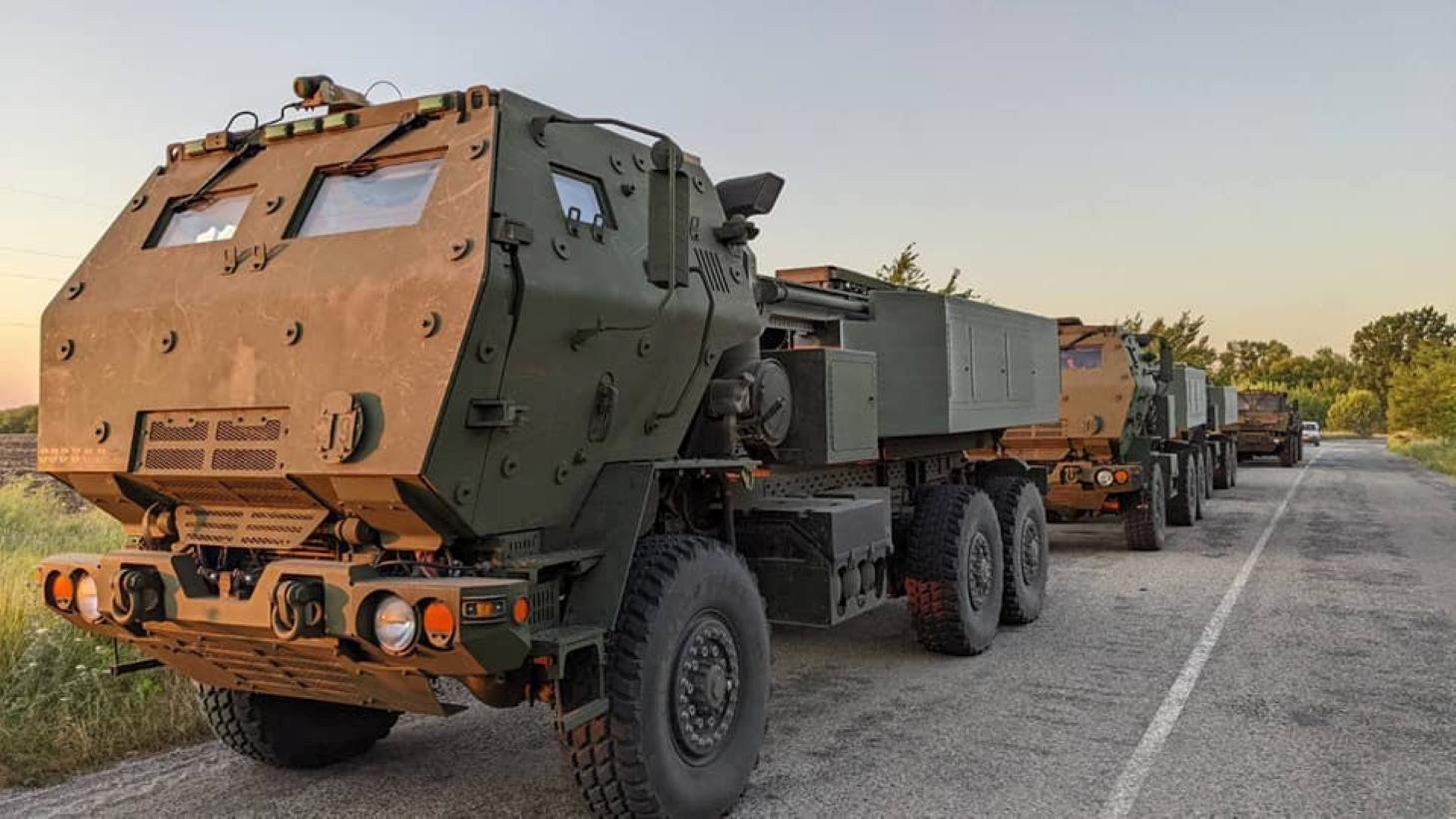
In a recent statement made by the Pentagon, the U.S. government has announced plans to fortify Ukraine's defenses with a noteworthy military package. Valued at an estimated $275 million, the financial aid aims to boost the Ukrainian military amidst ongoing crisis and conflict. The provision includes HIMARS (High Mobility Artillery Rocket System) ammunition, artillery shells, and Javelin surface-to-air missiles among others. A vast array of spare parts and equipment will also form a substantial part of the package. In adherence with the U.S.' enduring commitment to Ukraine's cause, this selected aid will conjoin efforts with around 50 Allies, aiming to augment Ukraine's current martial demands and formidably defend against Russian hostility.
Changing of the Guard: Uncertain U.S. Commitment to Ukraine
Outgoing President Joe Biden’s administration has been a firm advocate for Ukraine, providing a substantial $60 billion in military aid. However, with President-elect Donald Trump set to assume the presidency in January 2025, the face of U.S. support to Ukraine could potentially see a significant shift. Trump has set a notably aggressive timeline to conclude the ongoing war, however, specifics relating to his strategy remain unclear. Speculation suggests that the cessation of financial aid may function as a leverage to impel Ukraine into negotiations with Russia.
Biden Administration’s Military Strategy: Deployment of Defense Measures
As President-elect Trump prepares to take the helm, the Biden administration remains firm in its support for Ukraine. Subsequent to his competitor’s election victory, Biden has expressed his continued support for Ukraine, pledging to provide additional aid to bolster the country's defenses. Significantly, Biden has authorized the transfer of anti-personnel land mines to Ukraine, a decision expected to assist in curbing Russia's advancements in the country's east. Furthermore, the authorization of U.S.-made long-range missiles to target Russian territory has been recently approved under the Biden administration. However, such measures have generated controversy as they appear contradictory to the terms of the Ottawa Convention, which prohibits anti-personnel mines. Despite this, neither Russia nor the U.S. officially endorsed the treaty.
Support Amidst Rising Concerns: U.S. to Absolve $4.5 Billion of Ukraine's Debt
Adding to the contingent support, U.S. President Joe Biden has proposed to Congress his intent to absolve half of Ukraine's economic aid debt, rounding to approximately $4.65 billion. This comes after the Congress endorsement of a $61 billion security assistance package to Ukraine earlier this year, which included a $10 billion economic aid as a loan. The current terms under Biden allow him the authority to forgive up to 50 percent of this loan. However, with the upcoming presidential change and President-elect Trump’s impending inauguration, the remaining $6 billion in allocated aid is promised to be dispatched to Ukraine under Biden's regime. As anticipation builds for the presidential transition, the focus remains on Ukraine's evolving military strategy, shifting international allegiances, and the impact of changing U.S. foreign policy.
  • Text Only
Ukraine Reportedly Launches U.S.-made Missiles into Russian Territory
Late November brought with it surprising reports, as several Ukrainian news outlets disclosed that Ukraine had fired U.S.-manufactured ATACMS missiles into Russia's Bryansk Oblast region. This marked an unprecedented shift, where Ukraine was alleged to have altered its previous military tactics of merely targeting Russian-controlled sectors within Ukrainian borders.
Unverified Reports of Missile Strikes on Russian Military Facility
These developments, rumored to have transpired on November 19, drew public attention due to anonymous Ukrainian military figures asserting that a Russian military compound in Karachev within the Bryansk Oblast region was successfully targeted. The Russian Defense Ministry also confirmed these events, although external scrutiny was unable to independently verify these claims. Furthermore, a Ukrainian military spokesperson refrained from divulging any details to the Kyiv Independent.
Additional reports convey that an unclarified arsenal was utilized the night of November 19 to assault a Russian ammunition depot in Karachev, hosting a variety of artillery munitions, from North Korean to KAB guided munitions and anti-aircraft rockets, along with artillery shells.
In lieu of these events, an official from America confirmed that Ukraine had unleashed eight ATACMS missiles toward the military compound although Russian air defenses could neutralize two of these. However, the Russian Defense Ministry retorted that five missiles were intercepted, one damaged, noting that while remaining debris initiated a fire at the Bryansk Oblast military facility, no losses or damages were observed. During the wee hours of the same day, at about 2:30 am, the Armed Forces General Staff in Ukraine reported twelve hearable explosions.
Karachev Residents Report Attack on Military Base
In a related development, Karachev locals conveyed sounds of explosions and detonations, with some alleging an attack on a military base. This information was leaked in local chats and carried by Russian news agency Astra. Karachev is situated well beyond the Ukrainian border, over 100 kilometers (60 miles) away. Remarkably, ATACMS missiles boast a maximum operational range of 300 kilometers (a little over 190 miles).
In light of these recent events, unidentified American officials along with sources familiar with decision-making processes, suggested that Kyiv is prepping for its first-ever long-range missile strikes soon. Even Ukrainian President, Volodymyr Zelensky pointed out that "the missiles will speak for themselves."
Introduction of Storm Shadow Missiles in Ukrainian Arsenal Against Russia
On November 20, Ukraine debuted the usage of British-provided Storm Shadow missiles against Russian targets, reveals Bloomberg with reference to witnesses in the West. The attacks have been validated in response to the North Korean armed force's presence in Russia's Kursk Oblast, perceived as Russia’s strategy of inflaming tensions.
Subsequent to outgoing U.S. President Joe Biden's validation the previous day, Ukraine used these British-made Storm Shadow missiles. The reported attack targeted a Russian military facility in Karachev, Bryansk Oblast.
Russia's Updated Nuclear Doctrine Amid Scenarios
Despite the changes made to its nuclear strategic plans, according to the U.S. Pentagon, it did not appear from the analyses that Russia has prepared to deploy nuclear weapons in the Ukrainian context. Pentagon authorities saw Russia's nuclear policy discourse as simply an extension of its previous rhetoric, indicating no specific threat.
Contradicting Russia's narrative on its updated nuclear regulations and a lower threshold for nuclear retaliation, Deputy Pentagon Press Secretary Sabrina Singh declared the threats vague and baseless. She underscored that the deployment of troops from third countries—North Korea—was a sign of a clear and distinct escalation.
However, on the same day, Russian President Vladimir Putin authorized updates to Russia’s nuclear deterrence policy, allowing for a broader range of scenarios that may trigger a nuclear strike.
  • Text Only
U.S Embarks on a Significant Policy Shift: Biden Permits Ukraine to Use U.S.-Delivered Long-range Missiles
In an unprecedented move, U.S. President Joe Biden has sanctioned the use of American-provided long-range ATACMS missiles by Ukraine for operations inside Russia, according to a report published by the New York Times on November 17. This critical change in U.S. policy gives Ukraine the ability to respond to threats on its soil from Russian and North Korean forces, beginning in the Kursk Oblast region. A cadre of unidentified official sources has suggested Washington could further greenlight the missile deployment in other regions. Even though specific details remain undisclosed due to operational security, unidentified U.S. officials and an insider connected to the decision have informed Reuters that Kyiv's initial round of long-range operations is imminent.
Motivations behind the Policy Change and its Implications
The move from President Biden arrives as Russian forces, bolstered by North Korean troops, mount an extensive offensive against Ukrainian troops in the contested Russian region. U.S. officials have indicated that, while this abrupt policy alteration is unlikely to 'change the overall course of the war,' it does aim to provide Ukraine with the means to target and disable critical Russian and North Korean military infrastructure. Simultaneously, it is expected to deter further escalations from Pyongyang. This change was reportedly initiated in August when Ukraine's Defense Minister Rustem Umerov visited Washington and presented a list of high-value targets within Russia for the ATACMS strikes. In spite of apprehensions about escalating tensions with Russia, this marked transition in policy by Biden was widely seen as an opportunity to significantly enhance Ukraine's defense capabilities, particularly amidst increasing military challenges from Russia, which is escalating drone and missile attacks.
Green Light from the UK and France Broadens Ukraine’s Strategic Options
In a simultaneous and notable shift, France and the UK seem focused on also endorsing Ukraine's use of their SCALP and Storm Shadow missiles for deep retaliatory strikes within Russian territory, Le Figaro confirmed on November 17. Prior to this, Ukraine received various long-range systems from allied nations like the U.S., France, and the UK but lacked approval to deploy them on targets inside Russia due to fear of Russian backlash. The policy revisions by these three nations have been widely anticipated. Observers believe that they notably enhance Ukraine's defensive capabilities in the face of Russia's intensifying offensives and air attacks. Additionally, the presidential advisor revealed that Ukraine had requested additional ATACMS and Storm Shadow missiles to use against military targets in Russia to create domestic tension and weaken Russian forces.
Associates of Upcoming Trump Administration Mock the Decision
Despite these strategic calculations, President-elect Donald Trump's son, Donald Trump Jr., lampooned President Biden's policy shift. The decision attracted widespread criticism from Trump Jr., who referred to the Biden administration as "imbeciles" while reposting a news article on the policy change. Elon Musk, another official from the upcoming Trump administration, similarly ridiculed Ukrainian officials. Going forward, it remains unclear whether President-elect Trump will reverse Biden's decision, as neither Trump nor his transition team have provided any comments on this subject.
  • Text Only
US Military Tests Groundbreaking Anti-Drone System
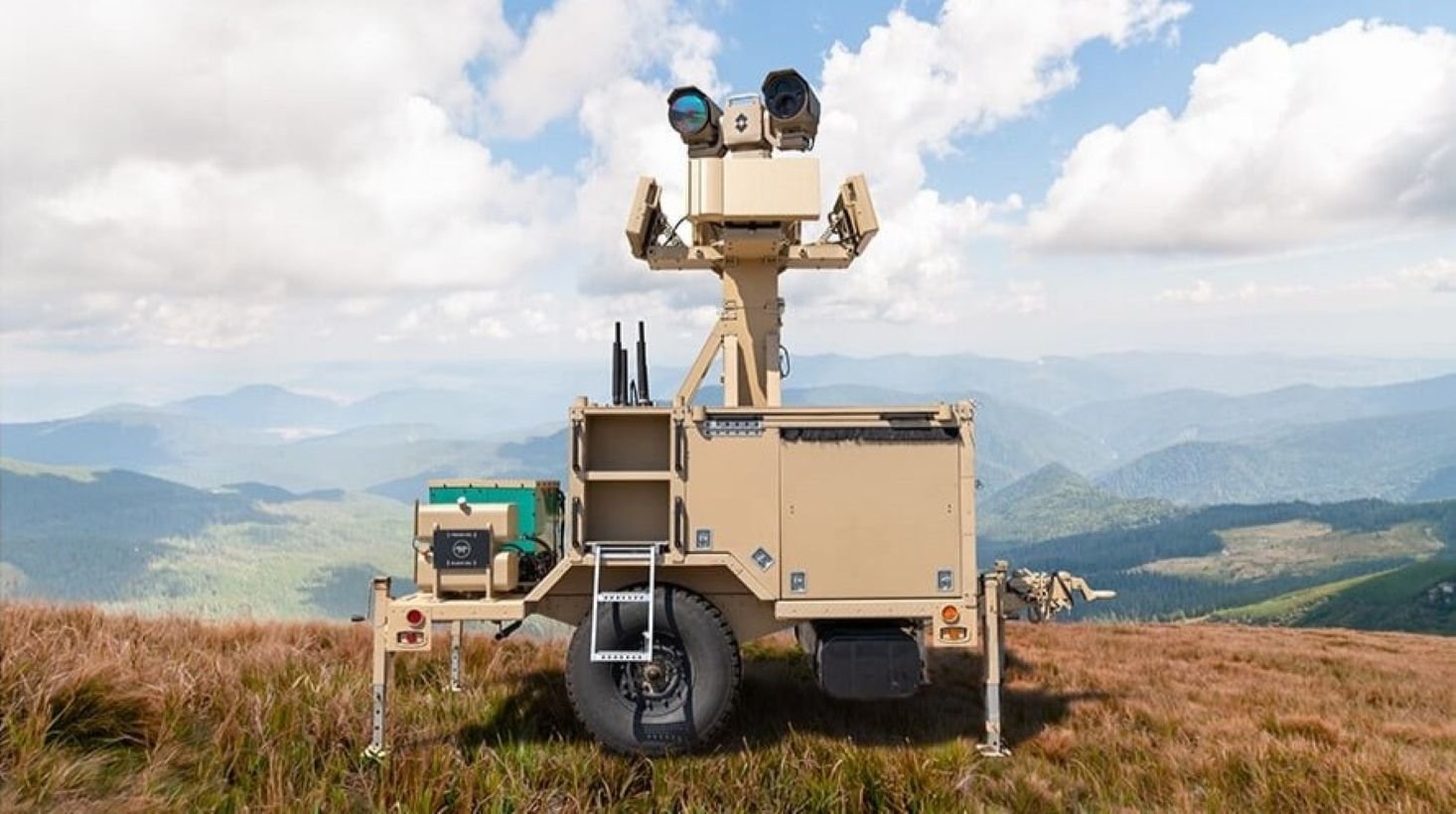
The US military has begun trialing the Teledyne Cerberus XL, an innovative anti-drone (counter-UAS) device capable of concurrently detecting as many as 500 targets. The high-tech system not only significantly enhances the military's drone detection capabilities but also proves valuable amid escalating unmanned aerial vehicle (UAV) threats globally.
The Power of the Cerberus XL C-UAS
Earlier this year, the cutting-edge Cerberus XL C-UAS made its debut in a US-led military exercise, showcasing its adeptness in long-range sensing and counter-UAS action. The advanced gadget combines next-gen thermal and visual imaging, 3D radars, and radio frequency (RF) detection to speedily locate and track drones. In addition, it employs non-kinetic effectors to nullify threats from as far as two miles away. The Cerberus XL C-UAS not only thrives in strenuous conditions but is also modular, meaning it can adapt to air, ground, and maritime threats.
This makes it indispensable for multi-domain situational awareness in areas including military bases, airports, seaports, and critical infrastructures, as articulated by Teledyne FLIR, the US tech company behind the new system. Designed to address the entire counter-drone kill chain - detect, track, identify, and defeat - the Cerberus XL C-UAS is primed for easy integration with kinetic defeat solutions, moreover, its sensor systems harness artificial intelligence (AI) to sharpen target identification precision.
Recognition and Prospects for the Cerberus XL C-UAS
In 2021, Teledyne FLIR Defense secured a $31 million contract with Kongsberg Defence & Aerospace to supply the Cerberus XL C-UAS as an integral part of a counter-drone solution for Ukrainian forces. Notably, the system has since demonstrated its prowess in operations. A study by Mordor Intelligence predicts that the military UAV market will rise annually by an average of 11.7% from 2024 through 2029, a testament to the escalating demand for cutting-edge technologies such as counter-UAS systems, which tackle the ever-evolving drone threats. Teledyne FLIR Defense president, Dr. JihFen Lei, attributes the system’s success to its marriage of innovative surveillance and radar technologies, saying customers can transition from zero counter-UAS capability to a full solution with this rapid-setup platform.
Falcon Peak Initiative Showcases Cerberus XL C-UAS
Recently, the Cerberus XL C-UAS was demonstrated during a static display at Fort Carson, Colorado, marking its inclusion in the Falcon Peak initiative. Spearheaded by the US Department of Defense, this initiative aims to evaluate potential solutions for detecting, tracking, and neutralizing small unmanned aerial system (sUAS) incursions on US military bases. Various systems purposed for neutralizing or disrupting unauthorized drone operations underwent testing during the two-week event, with a particular emphasis on the ability to track, identify, and neutralize drones under diverse conditions and scenarios. The Teledyne Cerberus XL C-UAS's involvement in the Falcon Peak exercise is seen as integral in advancing the Department of Defense’s capability to address the transformative security threats posed by sUAS, offering crucial insights for conceiving future strategies and bolstering the safeguarding of US military bases from drone-related dangers.
  • Text Only
US Opens New Missile Defense Base in Poland Amidst Mixed Reactions
On November 13, the United States unveiled a fresh air defense base in Redzikowo, northern Poland. As per Polish President, Andrzej Duda, this establishment highlights the assured defense of NATO's eastern territories.
Russia's Stance on the New Base
The strategically located base, in close proximity to the Baltic coast, extends NATO's missile defense shield across Europe. However, Russia criticized this development, terming it as a tactical demeanor to counter Russian military might.
Historical Development of the Base and It's Significance
The construction of the base traces back to the early years of the 21st century. It plays a critical role in NATO’s "Aegis Ashore" missile shield, which aims to safeguard Europe against any possible missile attacks. Inclusive of the shield are two sites in Poland and Romania, U.S. Navy destroyers in Rota, Spain, supplemented by an early-warning radar in Kurecik, Turkey. Jens Stoltenberg, the former NATO Secretary General, emphasized the indispensable presence of missile defense as "ballistic missiles have been extensively employed in conflicts in Ukraine and the Middle East.” He communicated via a press release in July 10 saying,"As a defensive Alliance, we cannot ignore that threat. Missile defense is an essential element for NATO’s core task of collective defense." During the inauguration of the base, President Duda echoed that the U.S's tangible presence in Poland is pivotal to the security of Poland and NATO's eastern flank, according to Polskie Radio 24.
Poland's 'East Shield' Program
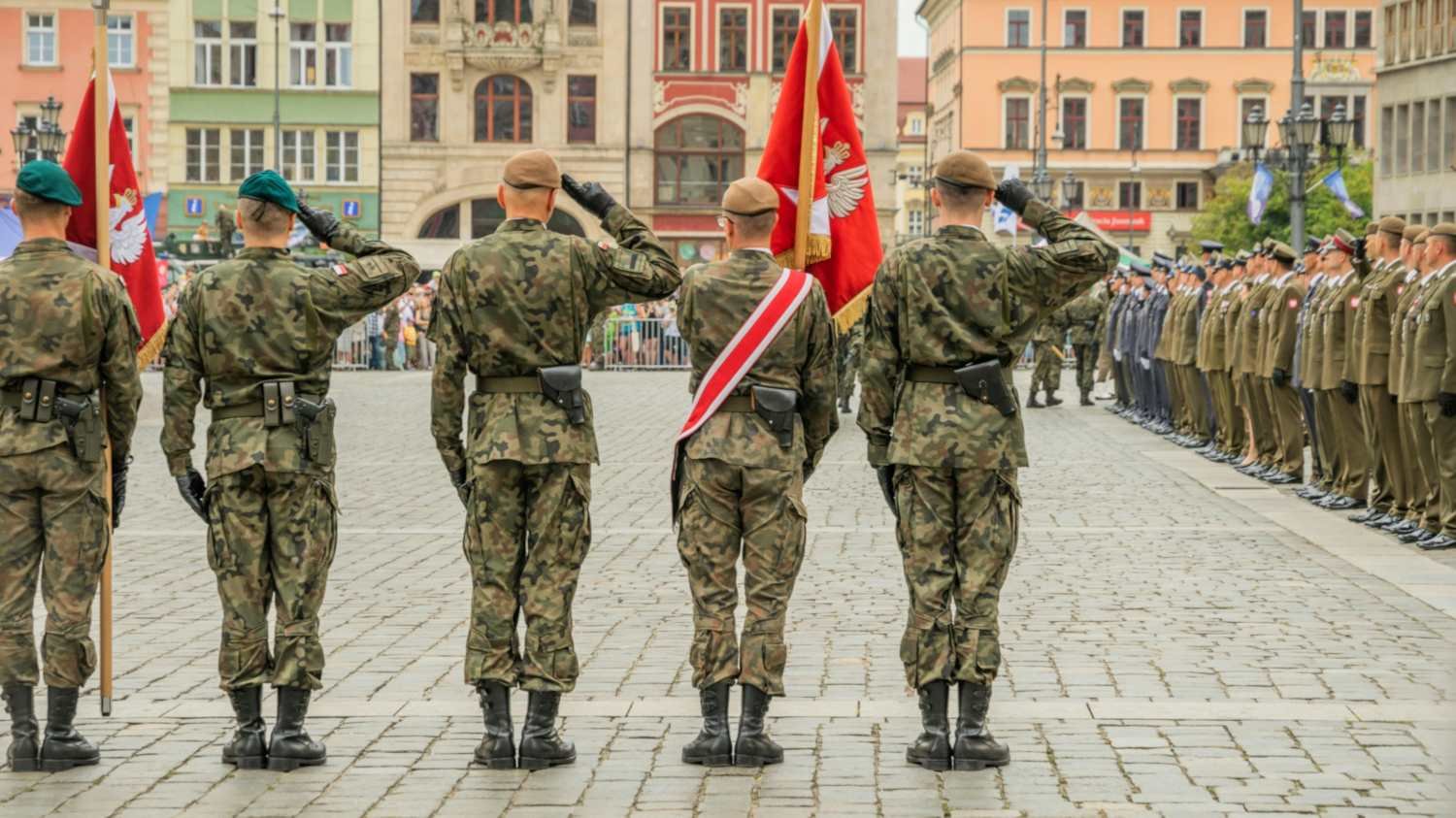
This recently operational base is in consonance with Poland’s defense strategy embodied in its “East Shield” program. The program seeks to bolster defenses along Poland's borders with Belarus and the Russian enclave of Kaliningrad. Launched in May, the program encapsulates physical barriers, upgraded surveillance systems and infrastructure, featuring recent fortifications along the Kaliningrad border initiated on November 1.
The Politically Charged Reception of the Base
Reception to the opening of the base did trigger diverging opinions, given concerns among NATO allies over the U.S's commitment to collective security. Especially after the ascendancy of Donald Trump, who implied that the U.S. wouldn't defend NATO members negligent of ample defense spending. However, Polish leaders hold a more optimistic viewpoint, as told by Polish Gazeta Wyborcza's Mateusz Mazzini to Monocle. They hold a tenacious belief in the mutual benefits of Trump's presidency. Admiral Stuart B. Munsch, Commander of the United States Naval Forces Europe-Africa, celebrated the collaboration between the U.S. and Poland. In his statement to Polsat News, “The Polish and American nations stand shoulder to shoulder in the vanguard of defense against past Soviet and contemporary Russian imperialism and aggression." On the other hand, Moscow found the base to symbolize "a direct challenge to its security" and a measure to restrain Russia’s potential militarily." Kremlin spokesperson Dmitry Peskov emphasized this point, hinting at an unspecified reciprocal response.
  • Text Only
Democratic Senators Call for Investigation into Elon Musk's Alleged Contacts with Russia
Leading Democratic senators Jeanne Shaheen and Jack Reed have urged both the Pentagon and U.S. law enforcement agencies to look into reports about Tesla and SpaceX CEO's Elon Musk's communicative encounters with Russian officials. The senators' call to action includes communications allegedly held with Russian President Vladimir Putin.
Senators Express Their Concerns Over Musk's Involvement in Government Projects
Jeanne Shaheen is a senior member of the Senate Foreign Relations Committee, while Jack Reed chairs the Senate Armed Services Committee. Both expressed their national security concerns in a joint letter to U.S. Attorney General Merrick Garland and the inspector general of the Pentagon. In the letter that Reuters saw on 15th November, both senators requested a review of Musk's participation in SpaceX projects for potential debarment and exclusion due to suspected contacts with Russia. Debarment would mean preventing Musk from participating in specific contracts and privileges, wreaking potential havoc in the space industry.
In their letter, the senators quoted, "These relationships between a well-known U.S. adversary and Mr. Musk, a beneficiary of billions of dollars in U.S. government funding, pose serious questions regarding Mr. Musk’s reliability as a government contractor and a clearance holder."
Musk's Communications with Russia Under Scrutiny
Musk has had multiple interactions with Putin and Russian Deputy Chief of Staff Sergei Kiriyenko. Both senators showed serious concern over Musk's alleged contact with Kiriyenko, who has faced charges from the U.S. Justice Department related to an AI-propelled propaganda campaign advocating Russian interests before the recent U.S. presidential election.
In 2022, a new revelation made headlines when Ian Bremmer, president of the Eurasia Group, stated that Musk had talked to Putin about the Ukraine war and the Kremlin's "red line" concerning nuclear weapon use. Musk, however, contradicted this claim, saying his discussions with Putin were about space-related issues 18 months prior.
Impact on U.S. Government Contracts and National Security
Musk manages SpaceX, a key player in the U.S. space sector, holding billions of dollars in U.S. government contracts with the Pentagon and NASA. It also has a $1.8-billion contract from the intelligence community to create a spy satellite network. Musk has asserted his U.S. security clearance, enabling him to access classified information.
Shaheen and Reed highlighted in their letter that "Communications between Russian government officials and any individual with a security clearance have the potential to put our security at risk." This claim holds significant weight, especially in the backdrop of the escalating U.S.-Russia space rivalry since Russia's full-scale invasion of Ukraine in 2022.
SpaceX, best known for its nearly 7,000-strong Starlink satellite network, plays a crucial role in U.S. military communications, which even includes battlefield communications of Ukraine’s armed forces.
  • Text Only
Savage Unveils Striker-Fired Stance XR Micro 9mm
Savage has unveiled their latest creation, the striker-fired Stance XR Micro 9mm. This new arrival to the handgun market showcases a contemporary design specifically engineered for superior performance, encapsulated in the convenience of a compact everyday carry pistol. Savage has refined the design of the micro pistol into a slender, easily concealable weapon, assuring users that the Stance XR Micro offers as much practical use as it does portability.
Striking Features of the Stance XR Micro 9mm
The Savage Stance XR Micro presents a variety of configurations to cater to diverse users’ preferences. These options include matte black nitride stainless steel slides complemented by front and rear serrations and a chamfered front for simple reholstering. Moreover, Savage’s Quick Release Optics (QRO) plate enhances the slide, making the attachment and detachment of optics swift and effortless. Potential users can choose from standard 3-dot iron sights, night sights, or opt for an optics-equipped model that includes a Crimson Trace CTS-1500 red dot straight out of the package.
A Closer Look at the Details
The Stance XR Micro boasts a polymer frame replete with a forward-facing Picatinny accessory rail, primed for installing lights and lasers. Added to this is an ambidextrous slide catch and magazine release, juxtaposed with a sturdy grip provided by aggressive surface textures. The wide-face trigger offers a short, sharp pull coupled with an equally brief reset. Users can customize the grip size to their preference with the inclusion of a pair of 18-degree interchangeable backstraps. Alongside it, Savage provides a 10-round flush fit magazine and a 13-round extended magazine. Customers can choose models with or without a manual safety feature. Aesthetic variations are also catered to with black, gray, and FDE frame color options available.
The standard model of the Stance XR Micro 9mm, either with or without a manual safety, is priced at $469. However, models equipped with night sights are marked at $539, while the optics-equipped model is tagged at $659.
Competition Abounds in the Micro-Compact Market
The micro-compact market has been witnessing rising interest and influx of significant players in recent years. The introduction of Savage's Stance XR Micro 9mm, its diverse range of configurations, and competitive pricing pose the question of how it will fare against other offerings in this bustling market. Consumer feedback and in-depth reviews will testify to the product's performance and market acceptance in due course.
  • Text Only
Almost One Million Shells Delivered to Ukraine, Reveals EU Diplomat
According to recent reports in The Kyiv Independent, over the course of 2024, the European Union (EU) has dispatched 980,000 artillery shells to Ukraine. This is in relation to one million that were initially pledged, as disclosed on November 11 by Josep Borrell, the EU’s top diplomat.
The Challenge of Fulfilling the Promise
The delivery shortfall was elucidated by Borrell who stated that it occurred due to the unintended constrain of production capacity. Despite this setback, the total yield of EU-provided ammo to Ukraine is expected to surpass 1.5 million shells by the conclusion of the year. This projection takes into consideration both bilateral agreements with the EU and a separate initiative led by the Czech Republic.
Czech-led Initiative Delivers Additional Support
The Czech Republic, assisted by countries such as Canada, Germany, and the Netherlands, has struck a campaign aiming to deliver up to 800,000 shells. As of mid-2024, Czechia has already shipped out 50,000 units. This initiative was announced earlier in the year as a coordinated effort to purchase artillery shells for Ukraine, a response due to the deficiencies primarily precipitated by US aid delays.
In addition to this, Ukraine and Czechia have agreed to an arrangement for the manufacturing of 155-mm and other large-caliber ammunition within Ukraine by the year 2025.
Support Beyond Governmental Aid
This initiative has also found supporters outside of governmental structures. Activists in Slovakia collected more than 4 million euros (equivalent to $4.3 million) for this cause after the Slovak government chose not to participate. Furthermore, Jana Cernochova, the Czech Defense Minister, declared in an interview with the Denik N newspaper in late July that Prague is preparing an additional announcement for a new initiative to purchase artillery ammunition for Ukraine in 2025.
  • Text Only
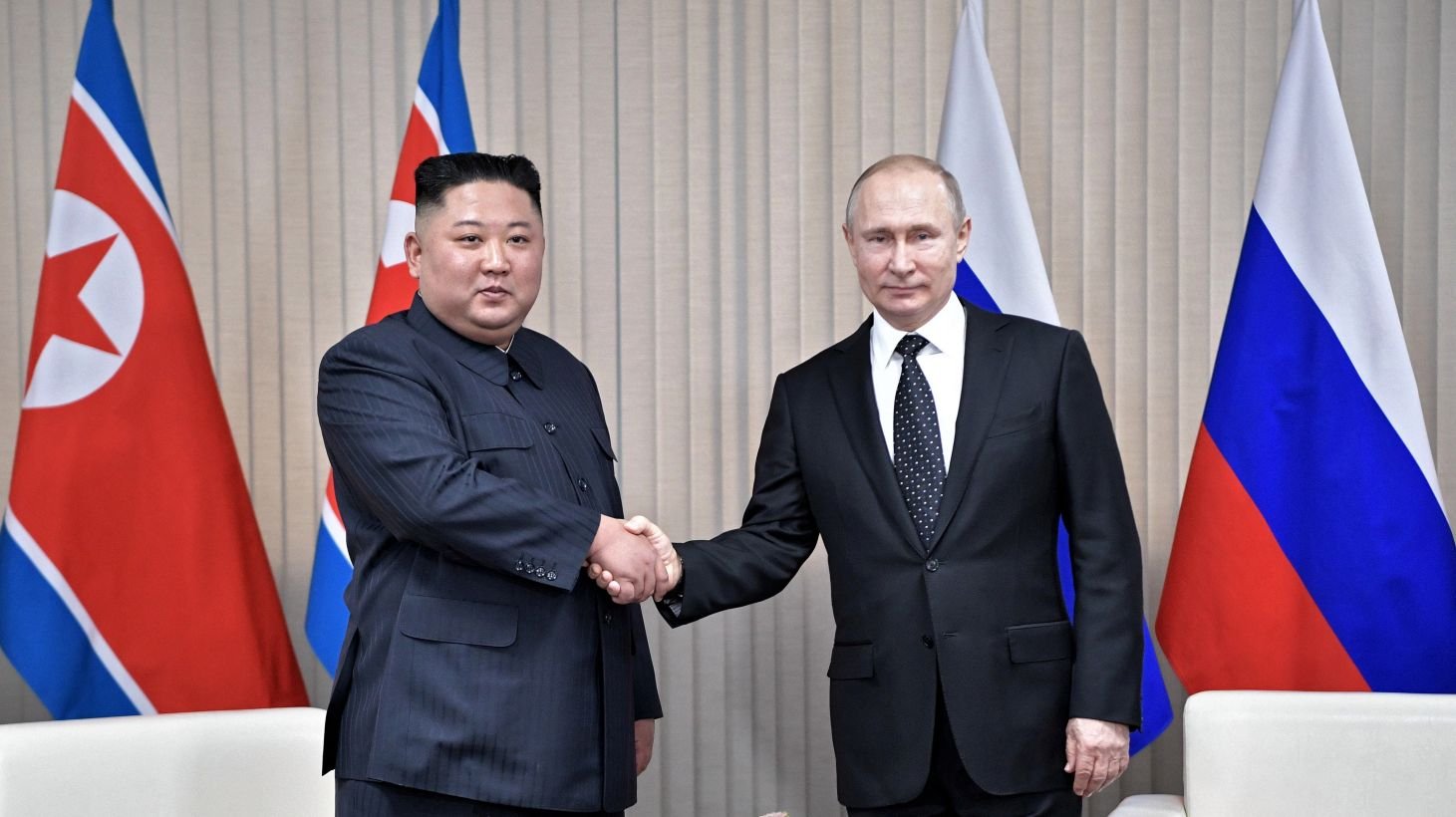
North Korea Officially Enters Mutual Defense Treaty with Russia
In a recent development, North Korea has announced the ratification of a defensive alliance with Russia, based on statements from official state media on November 12. This agreement obligates both countries to provide military aid to each other in the event of an armed attack.
Rising Tensions and Mutual Goals
The proclamation follows initial skirmishes between the Ukrainian forces and North Korean troops placed near Kursk, a border region of Russia. This comes after recent reports noted the first instances of conflict between Ukraine's military and North Korean soldiers stationed within the boundaries of Russia.
Kim Jong Un's Decree
This pact was confirmed by North Korea’s own KCNA news agency, stating that supreme leader Kim Jong Un had issued a decree ratifying the treaty. The news agency stated that “the treaty will take effect from the day when both sides exchanged the ratification instruments."
Russia's Response and International Efforts
Russian lawmakers gave a unanimous nod to this treaty the preceding week, following which President Vladimir Putin signed it into law. This agreement was first drawn up during Putin's visit to Pyongyang in June of this year, and it commands immediate military support from either party in the event of an attack. North Korean Foreign Minister, Choe Son Hui, during her latest trip to Moscow, declared her country's allegiance with Russia, insisting that Pyongyang will stand by Russia "until the day of victory."
Accusations and Concerns
Critics, including South Korea, Ukraine, and several Western nations, have accused North Korea of setting up approximately 10,000 troops to boost Russia's war efforts. Western governments have also claimed that Pyongyang has provided Moscow with artillery shells and missiles to be utilized in Ukraine. The G7 nations voiced their concerns last week over the escalating military collaboration between Russia and North Korea. They expressed fears that North Korean soldiers might receive training in the use of ballistic missiles, a move that would be in violation of UN Security Council resolutions.
  • Text Only
Report: Iran Develops Fentanyl-Based Chemical Weapons
According to a recent report from Business Insider, Iran is suspected of developing pharmaceutical-based agents (PBAs) with lethal or incapacitating properties. These PBAs function by affecting the victim's central nervous system, resulting in severe harm or death. The situation may escalate dangerously if these advanced tools are provided to Iran's militant allies, such as Hezbollah and Hamas.
Pharmaceutical-Based Agents: A New Approach in Warfare
An expert from the US claims that Iran has developed synthetic opioid-based chemical weapons, such as fentanyl. These powerful agents have the potential to incapacitate both military personnel and civilians if incorporated into artillery or grenades. PBAs, which are essentially weaponized medicines, function by incapacitating or killing their victims, depending on the exposure levels. Reports also suggest that Iran might have distributed PBAs among proxies like Hezbollah, which runs the risk of utilizing them against Israeli military and civilians.
The U.S. Government Accountability Office describes PBAs as chemicals based on pharmaceutical compounds, some of which have legitimate medical uses. However, misuse of these substances can cause devastating illness or death. Opioids such as fentanyl and sedatives used for veterinary purposes are included in this category.
Lethality of PBAs and Strategies to Counter
Victims exposed to these drugs suffer a significant impact on their central nervous system, potentially leading to a complete loss of consciousness. This gives the deploying party an advantage, allowing them to advance unnoticed and capture the incapacitated victims.
During the Iran-Iraq War in the 1980s, Iran itself was a victim of chemical weapons that led to almost a million casualties. Regardless of their past experiences, there's evidence of Iran using PBAs against rebels during the Syrian Civil War and reports suggesting Iran-backed militias in Iraq might have deployed them against anti-government protesters.
There is international concern that Iran is breaking the 1997 Chemical Weapons Convention by developing these pharmaceutical-based weapons. The Convention prohibits the creation and use of toxic chemicals, defined as those that can inflict death, temporary incapacitation, or permanent harm to humans or animals. All signatories to the treaty, including Iran, are required to destroy any existing stockpiles.
Detection and Difficulties in Regulating PBAs
Despite the growing evidence pointing to Iran's continued development of PBAs, regulating them poses a significant challenge due to overlaps with legal law enforcement and medical applications. The concern around Iran and PBAs grows if Tehran has passed these weaponized medicines to proxies like Hezbollah, as these actions can provide Iran plausible deniability. PBAs could be used strategically to incapacitate border guards or soldiers.
While the recent Israeli military offensives have significantly weakened Hezbollah and its missile arsenal, the group still holds considerable stocks of smaller weapons that can be paired with PBAs. With the chance of encounters between US forces and Iran and its allies, the potential risk of pharmaceutical-based agents couldn't be higher.
  • Text Only
Policy Shift Allows US Contractors in Ukraine for Military Maintenance
The Pentagon has reportedly relaxed restrictions to permit a select group of American defense contractors to operate within Ukraine for the repair and maintenance of essential military equipment. This significant modification of policy includes providing support for F-16 fighters and Patriot air defense systems. Heralded by the Department of Defense, this recent approach is aimed at enhancing the upkeep process of key equipment used by Ukrainian forces in their ongoing confrontation with Russia.
This move enables American firms to bid for contracts and provide on-site assistance in Ukraine, marking the first such initiative since the invasion by Russia in 2022. The change essentially acknowledges the need for specific technical skills for maintaining equipment like F-16s and Patriot batteries. Consequently, the Department of Defense is looking for a handful of skilled contractors to ensure the optimal functioning of the assistance already provided by the US and its allies.
The Expanding Role of US Contractors
Until this recent development, the US has aided maintenance remotely with American personnel offering guidance through secure communication and video calls. Although helpful, this form of remote support faced numerous operational challenges, not the least of which was the necessity for hands-on expertise to carry out many repairs.
With the revised policy, the Pentagon anticipates that on-site experienced contractors can facilitate quicker and more efficient fixes to these intricate systems. This underscores the need for regular upkeep of advanced equipment like the F-16 because of the intense operational demands from Ukraine’s defense efforts.
Necessity for Policy Amendments: Past Challenges and Future Prospects
The need for the current policy shift becomes evident considering the almost three years of rigorous combat that has considerably damaged the military equipment provided to Ukraine. Previously, the administration's policy constraints did not allow experienced US contractors to function directly within Ukraine. This necessitated the transport of the damaged equipment to NATO nations for repair.
Moreover, the remote assistance provided was often insufficient and complicated. It resulted in logistical issues and delays in returning essential equipment to active status. Particularly for advanced systems like the F-16 jets and Patriot defenses, on-site expertise was crucial to deal with frequent maintenance needs. Under the new Pentagon regulation, a judicious number of US defense contractors will be permitted to offer their services in Ukraine.
While the contractors are not expected to be stationed on the battlefront, their presence in the country does invite a certain degree of risk due to the ongoing conflict with Russia. The new policy was launched ahead of the recent US elections. However, its continuity remains uncertain, especially considering the imminent shift in administration. The incoming President-elect, Donald Trump, has previously expressed his reservations about the magnitude of the US military and financial support for Ukraine.
Lastly, the risk posed by Russia's continued occupation of considerable parts of Ukraine, bolstered by North Korean soldiers, amplifies the need for escalated support from Western allies. While Ukraine has urged these nations to relax restrictions on using missiles deep into Russian territories, the Biden administration seems disinclined to take this drastic step due to its probable destabilizing effect on the region.
  • Text Only
Qatar Halts Role as Peacemaker in Israel-Hamas Simmering Conflict
The role of Qatar as the intermediary in the longstanding friction between Hamas and Israel has reached an impasse. The Gulf nation, a crucial U.S. ally, has announced its withdrawal from the delicate task of facilitating negotiations. Citing a lack of sincere efforts to negotiate from both sides, the suspension came after an anonymous diplomat disclosed the country's decision.
A Pivotal Yet Fragile Role in the Global Spotlight
As the Gaza conflict ignited in October 2023, Qatar's position in the fray was a critical component. Despite its slight physical presence on the globe, the Arab state held considerable sway in shaping the discourse between Israel and the Palestinian militant organization, Hamas.
However, the cessation of Qatar’s peacemaking role was instated in April, of their own volition and not due to coercion from the U.S. or Israel. Despite requests from the Biden administration to re-engage and attempt to coax exiled Hamas leaders back to the negotiation table, Qatar's efforts yielded no fruitful result in terms of securing an agreement.
Following Qatar's ultimatum to Israel and Hamas to reach an agreement within a stipulated 10 days, the country resolved to suspend mediation. The Qatari Foreign Ministry did, however, state that their efforts would recommence if the necessary earnestness to end the conflict and alleviate civilian distress is properly expressed.
An Episode of Shifting Alliances and Negotiating Ceasefires
In a significant development last year, Qatar brokered a temporary ceasefire, leading to the liberation of over 100 hostages within Israel's confines, a result of Hamas's aggression. This fleeting pact was instrumental in procuring the release of several Palestinians detained in Israel.
Despite their efforts, mediators from Qatar and Egypt haven't shied away from attributing the lack of commitment to ending hostilities and fluctuating negotiations to Israel's premier and the nation's far-right government. Israeli authorities persist in their stance to only pause hostilities temporarily, even after their military reportedly dismantled Hamas's units. Military personnel are increasingly questioning the need for the ongoing conflict after over a year of confrontation.
For the past two decades, Qatar has served as a sanctuary to leaders of Hamas ousted from their homeland. However, given the inconclusiveness of negotiations toward a ceasefire, the diplomat suggests that there is little motivation to continue hosting the Hamas political establishment.
In 2006, under a proposal from the George W. Bush administration, the exiled Hamas leadership found asylum in Qatar following their electoral victory in the Gaza Strip. In the years following, multiple U.S. administrations have leveraged this avenue to communicate with the organization that they had to engage, while avoiding direct contact.
The Future of Qatar's Mediator Legacy
Despite the recent announcement of the suspension, high-ranking officials in the U.S. administration appreciate Qatar's invaluable role in securing the release of hostages previously. However, the continued reluctance of Hamas to liberate withheld hostages marred this achievement. As a result, the senior U.S. official deemed their continued occupation of Doha as unfeasible and unacceptable.
As per U.S. officials, given that Hamas has a history of anti-American activities, including hostage-taking, the organization's leaders should not receive hospitality in the capital city of any country that allies with America.
While Qatar has faced heavy criticism from Israel’s far-right leadership for harboring ties with Hamas, their decision to withdraw comes at a time when a new Trump-led administration is on the horizon in the U.S.
  • Text Only
Russian Artillery Projected to Surpass European Union, Warns Ukraine
Ukrainian Foreign Minister Andrii Sybiha stated on November 9th that Russia's artillery production is projected to exceed that of all European Union (EU) member states by an estimated 30% next year. This forecast was made at a press conference held in Kyiv and leveraged data from Ukrainian intelligence sources.
The Call for Global Measures Against Russia's Industrial Capacity
Expressing concern over this potential imbalance in armament production, Sybiha urged the international community to take action to limit Russia's industrial capabilities. He drew particular attention to Russia's use of "shadow fleets", which enables it to sidestep sanctions while continuing its energy resource trade, with a particular focus on oil. Sybiha highlighted the need for enhanced EU sanctions policy focus on these sectors.
Europe's Inability to Deliver on Artillery Promises Exacerbates Ukrainian Concerns
Ukraine's anxiety over a lack of ammunition has heightened throughout the year. Compounding these fears, the EU was unable to fulfill its commitment to deliver 1 million artillery shells between March 2023 and 2024. Furthermore, disagreements in Washington have precipitated a significant delay in a promised $61 billion aid package.
Several nations have shown support for a Czech-led proposal to procure 800,000 shells for Ukraine first put forth in February. In a corresponding effort, the EU has pledged 500 million euros ($544 million) to increase its annual ammunition production capacity to 2 million shells by year-end 2025.
Ukraine's Pursuit of Independence from Western Partners Through Domestic Production
In a bid to diminish its reliance on Western allies, Ukraine has been pushing for an increase in its domestic ammunition production. In the summer of 2023, defense conglomerate Ukroboronprom announced that it had successfully developed several artillery rounds, including 82 mm mortar mines, 122 mm, and 152 mm artillery rounds, and 125 mm tank shells.
Reportedly, Ukrainian officials are looking to initiate the production of NATO-standard 155 mm artillery rounds in the 'second half' of 2024. However, Ukraine's army is still primarily reliant on its partners for 155 mm shell supply, with many European countries collectively sourcing the rounds outside of Europe.
In May last year, the U.S. also made strides to support Ukraine's artillery needs, opening a new factory for 155 mm munitions manufacture, in addition to ramping up production at existing facilities.
  • Text Only
US Marine Corps Commences Full-Scale Production of ACV-30
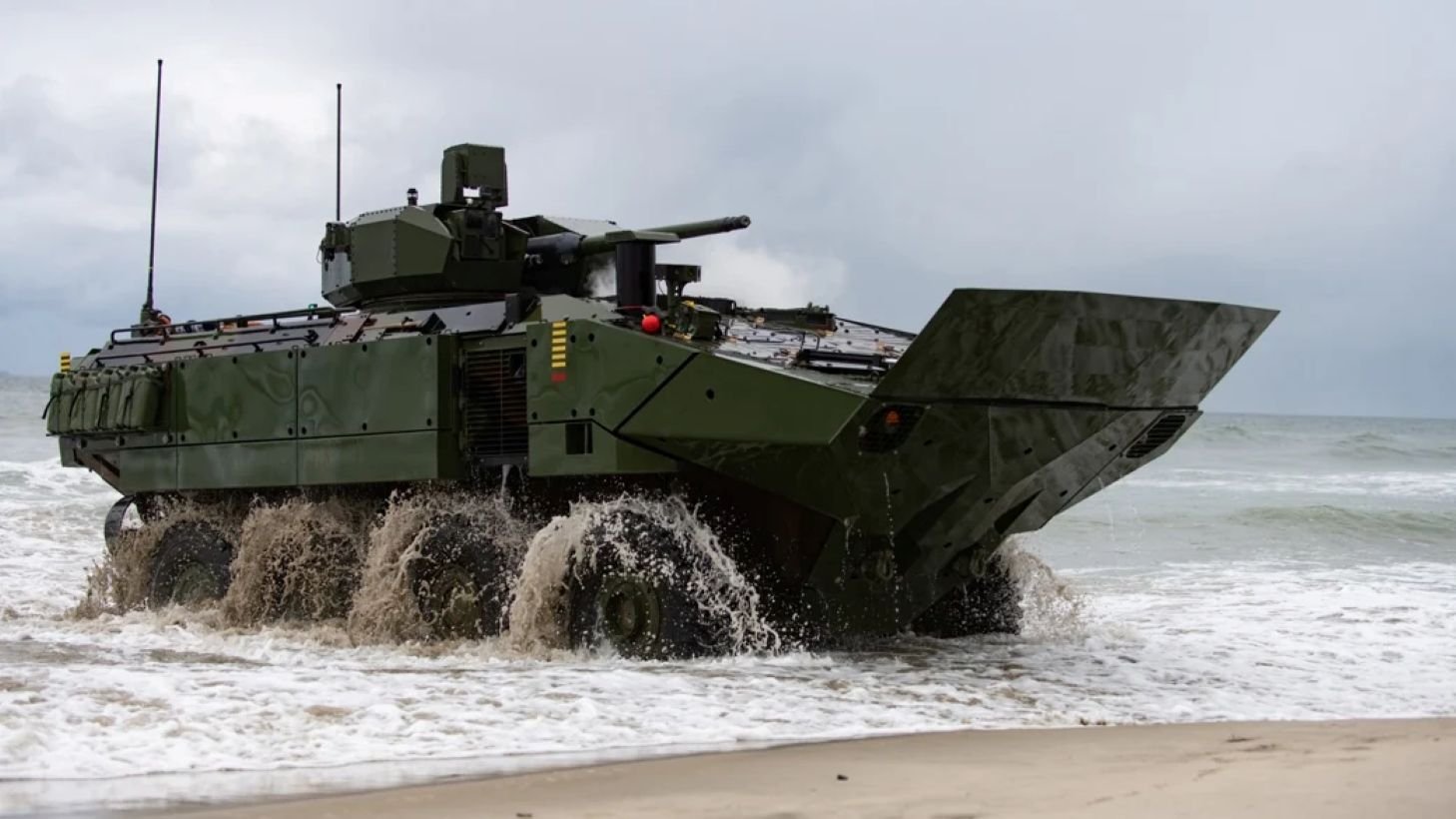
Kongsberg Defence & Aerospace has been awarded a contract from the US Marine Corps marking the beginning of full-rate production for the Amphibious Combat Vehicle 30mm program (ACV-30). The USD 51 million contract comprises subcomponents related to the 30mm remote turret. These parts will be manufactured by Kongsberg at their facility in Johnstown, Pennsylvania.
Extended Contract Worth Estimated USD 329 Million
The contract issued to Kongsberg can be viewed as a component of a larger framework agreement, otherwise referred to as an “undefinitized contract action”. The total value of this agreement may reach up to USD 329 million.
Revolutionized Medium Caliber Turret by KONGSBERG
The ACV-30 features a highly stable and remotely controllable Medium Caliber Turret (MCT-30) crafted by Kongsberg. This advancement ensures the safety of Marines, while simultaneously ensuring room for troops and essential mission payloads without compromising armor protection. The remotely controlled turret replaces the spatial need of traditional turreted cannon systems, presenting additional room for troop or equipment transportation, along with reduced weight, thus improving mobility.
Veteran defense company executive Eirik Lie, President of Kongsberg Defence & Aerospace, identified this agreement as a pivotal step for the US Marine Corps ACV-30 program. He expressed satisfaction with the Marine Corps' decision to incorporate Kongsberg's advanced 30mm PROTECTOR remote turret system into their program.
Continued Collaboration Between US Marine Corps and KONGSBERG
The cooperation between the US Marine Corps and Kongsberg continues to deepen as they together explore the PROTECTOR family of remote weapons and remote turrets. This collaboration will bring simplified training and sustainment as well as developments in wireless fire control and future tech and effector integration.
In reference to the value of the awarded contract, it's significant to note that it contributes to a larger framework agreement. On November 4, the US Department of Defense announced that Kongsberg Defence & Aerospace was granted a potential USD 329 million firm-fixed-price, undefinitized contract for the procurement of medium MCT-30.
  • Text Only

Editorial Information

Advertisement

Advertisement

Important Information

We have placed cookies on your device to help make this website better. You can adjust your cookie settings, otherwise we'll assume you're okay to continue.

Account

Navigation

Search

Search

Configure browser push notifications

Chrome (Android)
  1. Tap the lock icon next to the address bar.
  2. Tap Permissions → Notifications.
  3. Adjust your preference.
Chrome (Desktop)
  1. Click the padlock icon in the address bar.
  2. Select Site settings.
  3. Find Notifications and adjust your preference.