Skip to content

Advertisement

Advertisement

Uncrowned Armory News

Demonstration of Hybrid Technology
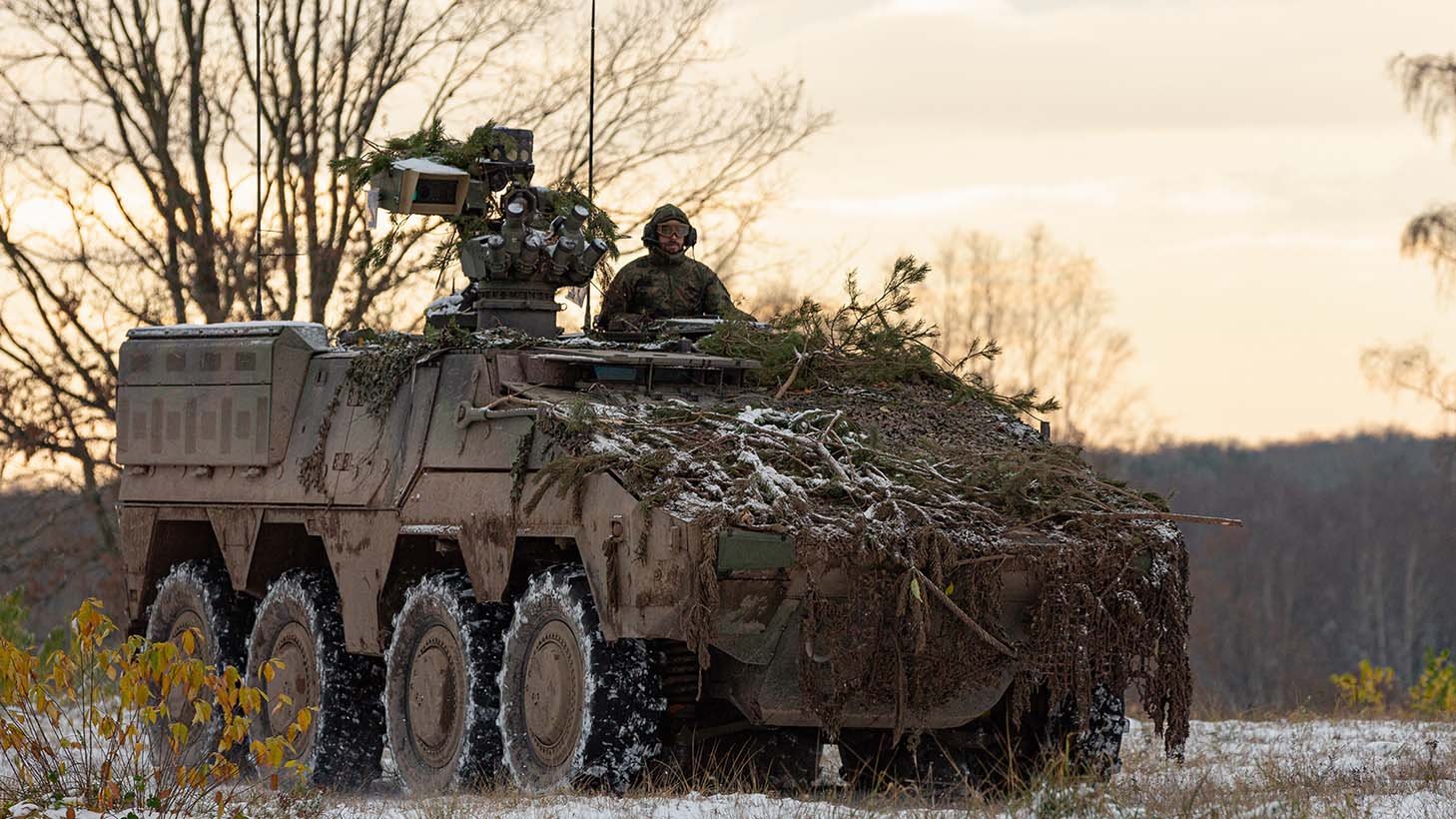
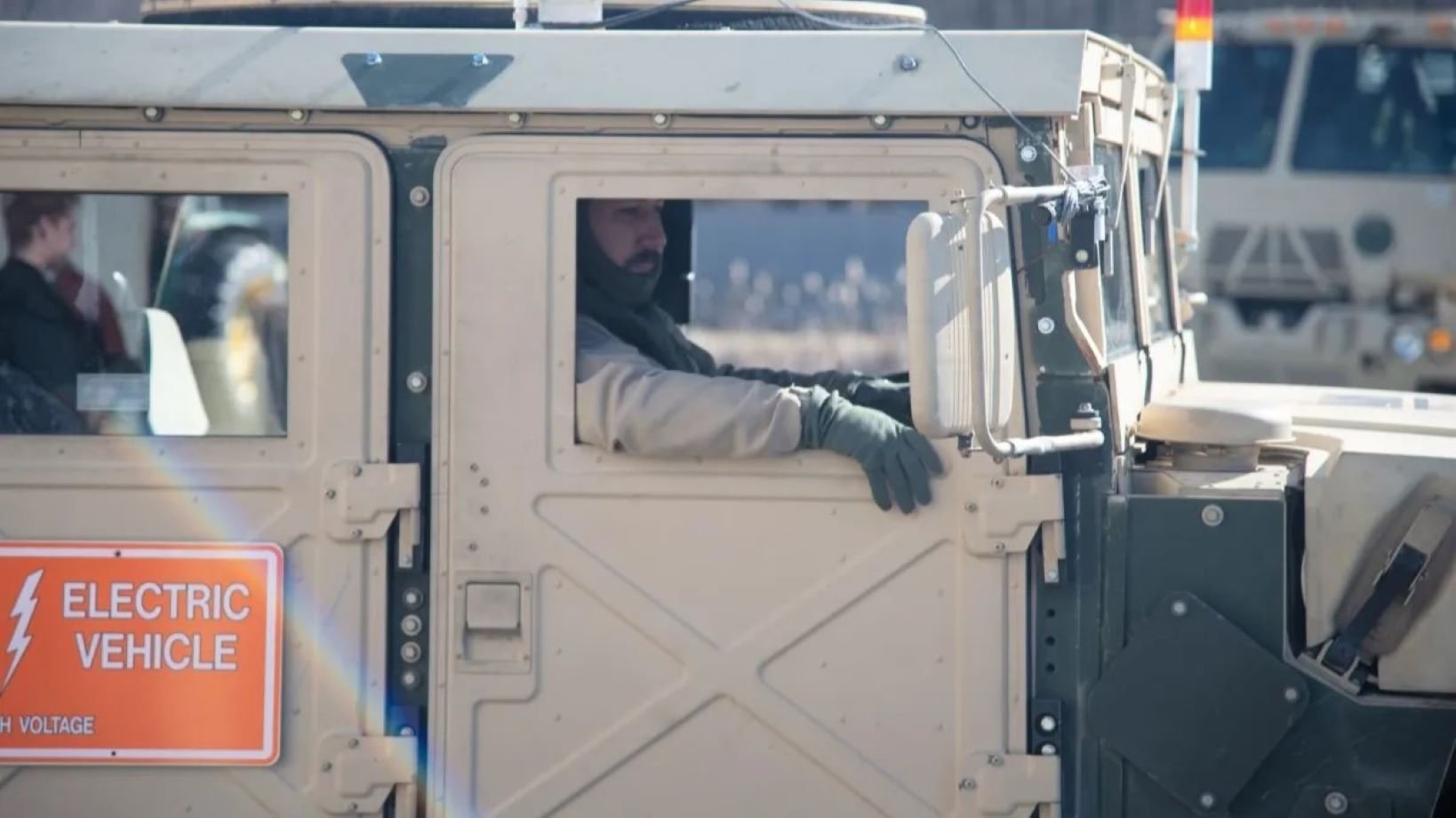
In February 2024, the Rapid Capabilities and Critical Technologies Office (RCCTO) showcased the operational advantages of hybrid vehicles to distinguished guests. The demonstration highlighted features such as extended silent watch, silent mobility, increased on-board power generation, and off-board power export.
Tactical Hybrid Electric Vehicle Program
The RCCTO’s Tactical Hybrid Electric Vehicle program aims to demonstrate the operational effectiveness and automotive performance of standard tactical vehicles while validating the benefits of hybridization. Hybrid electric technology integration enhances vehicles' ability to operate silently over greater distances and provides more power for weapon systems and off-vehicle power grids.
Advancing Soldier Capabilities
Michael E. Foster, Sr., Director of the Rapid Acquisition Prototyping Project Office within the RCCTO, emphasized the significance of the hybrid vehicle advancements for soldiers. These innovations offer silent mobility capability, exportable power, increased vehicle range with batteries, and reduced heat signature and sound, providing soldiers with enhanced capabilities on the battlefield.
Investing in Future Technologies
Lt. Gen. Robert A. Rasch, Jr., Director of the RCCTO, underscored the importance of ongoing investment and development in hybrid vehicle technologies. By evaluating innovations, bridging gaps, and collaborating with industry partners, the military strengthens its ability to provide soldiers with the best tools and resources, ultimately enhancing their safety and capabilities in frontline operations.
  • Text Only
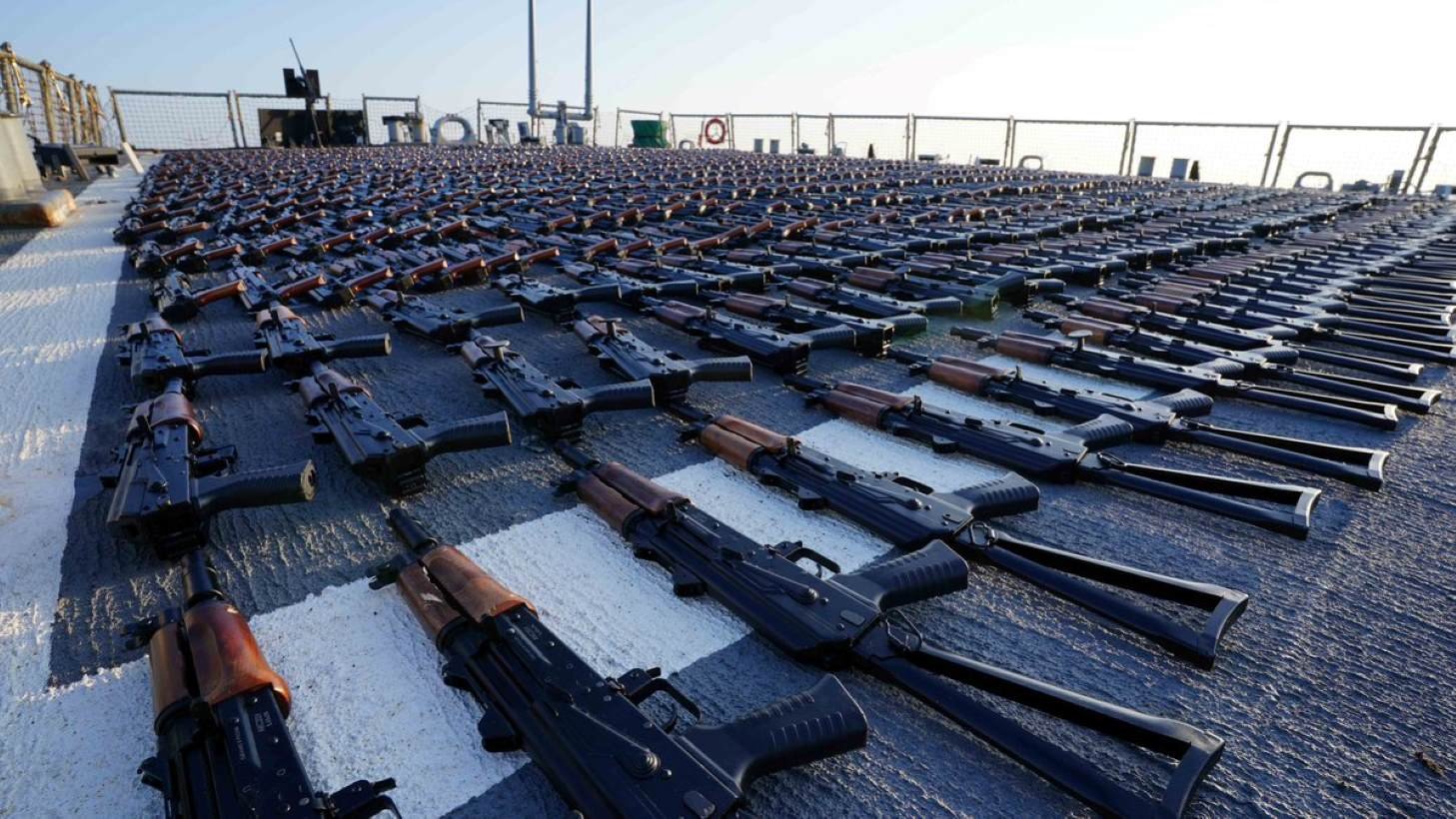
The U.S. government transferred a significant arsenal, including over 5,000 AK-47s, machine guns, sniper rifles, RPG-7s, and more than 500,000 rounds of 7.62mm ammunition, to the Ukrainian armed forces on April 4, 2024. This move aimed to bolster Ukraine's defense against Russia's invasion. The weapons, obtained through the Department of Justice's civil forfeiture claims against Iran's Islamic Revolutionary Guard Corps (IRGC) on December 1, 2023, were originally seized by U.S. Central Command and partner naval forces from stateless vessels between May 22, 2021, and February 15, 2023. These munitions were intended for transfer from the IRGC to the Houthis in Yemen, violating the United Nations Security Council Resolution 2216. The transfer underscores the U.S. commitment to countering Iran's support for armed groups in the region and enhancing regional security. 
 
Origin and Transfer
The U.S. government handed over a substantial arsenal to the Ukrainian armed forces, comprising various firearms and ammunition, to aid in Ukraine's defense against Russia's invasion.
 Legal Acquisition
These weapons were acquired through civil forfeiture claims against Iran's Islamic Revolutionary Guard Corps (IRGC) by the Department of Justice on December 1, 2023.
Counter-Terrorism Efforts
The munitions were seized by U.S. Central Command and partner naval forces from stateless vessels, indicating a violation of the UN Security Council Resolution 2216. The transfer demonstrates the U.S.'s commitment to thwarting Iran's support for armed groups in the region and maintaining international security.
  • Text Only
Unveiling the Threat: Shockwaves from a Leaked Recording
A leaked audio recording featuring Russian General and State Duma deputy Andriy Gurulyov has ignited concerns within diplomatic circles, unveiling a disturbing plan for potential Russian aggression targeting Kazakhstan. Gurulyov's unequivocal statements in the recording indicate Kazakhstan as the next focal point for Russian expansionism, following the invasion of Ukraine.
Kazakhstan in the Crosshairs: The Grim Reality Revealed
In the leaked recording, Gurulyov discusses Russia's military buildup against Kazakhstan, attributing it to alleged non-compliance with Kremlin directives. He suggests that decisions regarding Kazakhstan's fate have already been made, heightening fears over the country's security. This revelation emerges amidst escalating tensions and increasing demonization of Kazakhstan by Russian media, reminiscent of the rhetoric directed against Ukraine in previous years.
 
Fueling the Flames: Propaganda and Anti-Kazakhstan Sentiment
Former KGB operative and State Duma deputy Andriy Lugovoy adds to the anti-Kazakhstan sentiment by producing a propaganda film accusing Kazakhstan of Russophobia. Meanwhile, State Duma deputy Yevgeny Fedorov questions Kazakhstan's sovereignty, proposing limitations such as a ban on joining NATO until territorial disputes are resolved. The intensifying rhetoric and legal challenges underscore Russia's aggressive stance towards its neighbor.
The leaked recording and subsequent reactions highlight the precarious geopolitical landscape in Eurasia, with Kazakhstan potentially facing a similar fate as Ukraine amidst escalating tensions and threats of Russian aggression.
  • Text Only
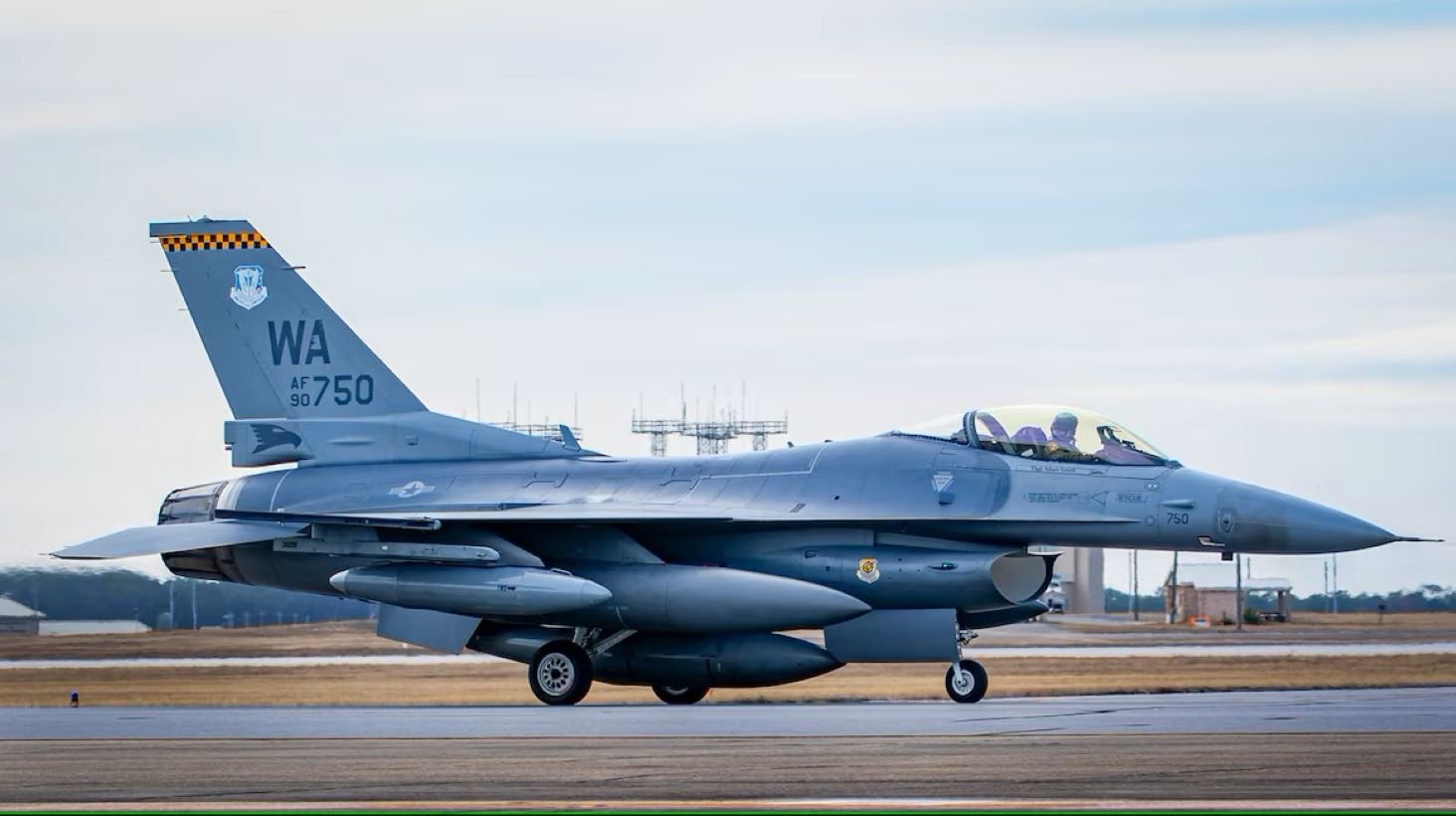
Accelerating the advancement of aerial combat capabilities, the 96th Test Wing and 53rd Wing have welcomed the first three F-16 Fighting Falcons to participate in the Viper Experimentation and Next-gen Operations Model – Autonomy Flying Testbed (VENOM-AFT) program.
Driving Autonomous Innovation
VENOM-AFT, aimed at expediting the testing of autonomy software on crewed and uncrewed aircraft, serves as a pivotal initiative funded to redefine air combat paradigms. It complements Eglin Air Force Base's autonomy data and artificial intelligence experimentation proving ground, offering insights crucial for the Collaborative Combat Aircraft program and other autonomy developers.
Modifying F-16s for Testing
The next phase for the VENOM program involves transforming the F-16 aircraft into test platforms to swiftly evaluate autonomous capabilities. This step marks a significant stride towards ushering in a new era of aviation, enabling the integration of novel autonomous functions for both present and future crewed and uncrewed platforms.
Operational Collaboration and Testing
Similar to F-16 and F-15 testing at Eglin, the VENOM program is set to undergo rigorous developmental and operational testing facilitated by the 40th Flight Test Squadron and the 85th Test and Evaluation Squadron. The integration of both developmental test and operational test pilots operating from the same location fosters daily collaboration, facilitating knowledge sharing and streamlined lessons learned.
Human Oversight in Autonomy
During testing, pilots will remain in the cockpit to oversee autonomy and ensure that flight and mission systems test objectives are achieved. The concept of 'human-on-the-loop' emphasizes real-time pilot involvement in autonomy, ensuring the ability to intervene and control specific algorithms as necessary, highlighting the critical role of human oversight in autonomous operations.
Enhancing Autonomy Performance
Operators will offer feedback throughout modeling, simulation, and post-flight stages to autonomy developers, aiding in improving performance over time and validating the appropriateness of autonomy decisions prior to and during flight. This iterative process aims to refine autonomy capabilities and ensure they align with mission objectives.
Driving Rapid Tactical Autonomy Development
The overarching goal of the VENOM program is to facilitate rapid iteration and expansion of knowledge for potential autonomy and payload solutions. Emphasizing "speed-to-ramp," the program prioritizes swift yet safe development to expedite the deployment of the Collaborative Combat Aircraft and other autonomous systems, further bolstering the Air Force's capabilities in the ever-evolving landscape of aerial combat.
  • Text Only
Addressing Immediate Needs Amid Congressional Stalemate
The Biden administration has unveiled a new military aid package for Ukraine, valued at $300 million, aiming to support Kyiv amidst ongoing conflict. This decision comes as additional funds for Ukraine face obstruction from Republican leaders in Congress, leading the White House to explore alternative funding avenues. The package, funded through unexpected Pentagon contract savings, focuses on supplying artillery rounds and munitions, particularly for High Mobility Artillery Rocket Systems (HIMARS), though it's acknowledged as a temporary solution to Ukraine's extensive battlefield requirements.
Challenges in Sustaining Support
The provision of this aid package, while crucial, is recognized as insufficient for Ukraine's long-term needs. U.S. National Security Advisor Jake Sullivan highlighted the limited duration the ammunition could support Ukraine's military efforts, emphasizing the urgent need for a more sustainable funding solution. Pentagon Press Secretary Major General Pat Ryder also noted the improbability of consistently utilizing contract savings as a means to support Kyiv, indicating a pressing need for legislative action to secure further aid.
International Efforts and Strategic Implications
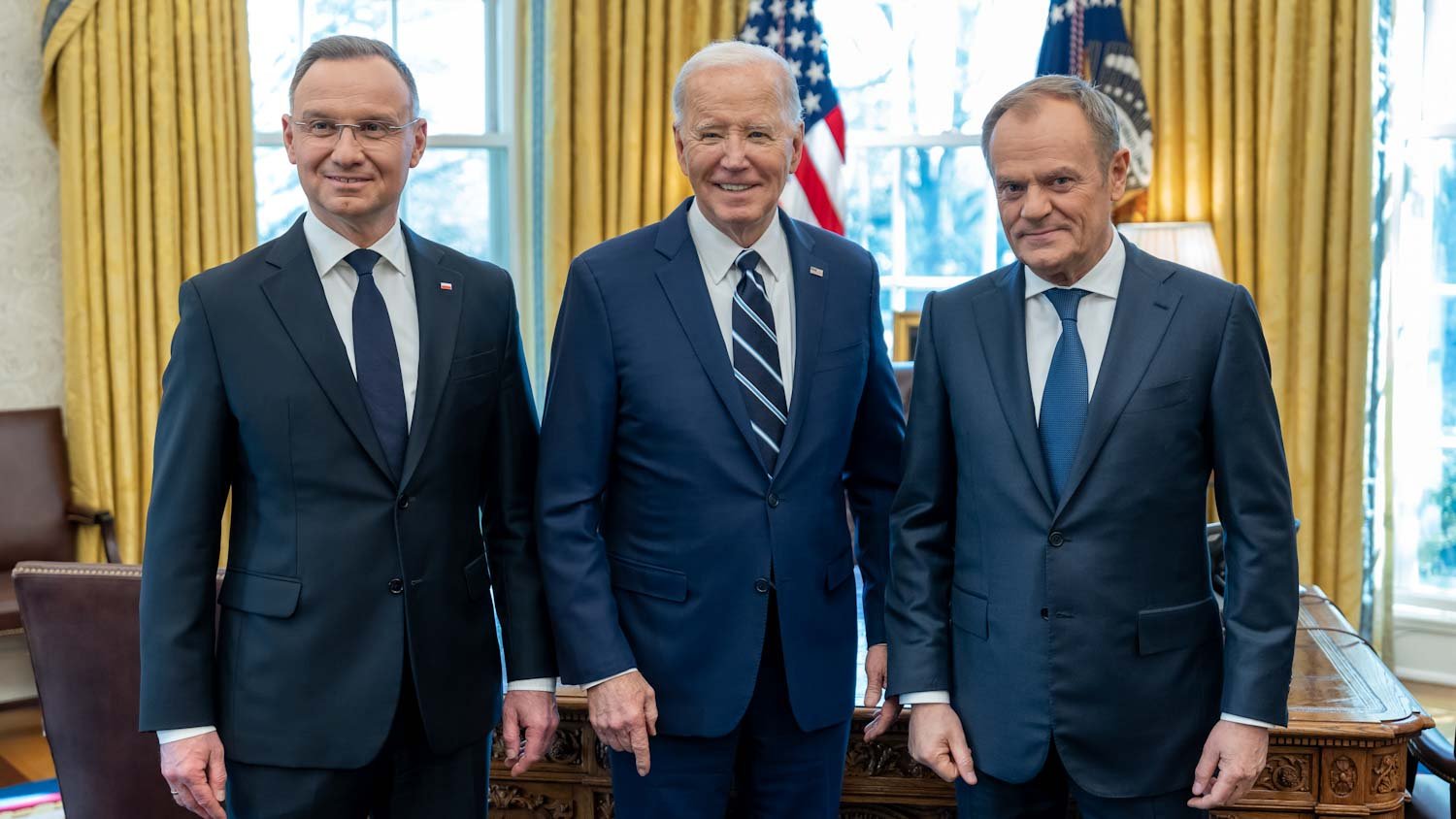
As the U.S. seeks ways to bolster Ukraine's defenses, international collaboration and discussions on further support are underway. The announcement coincided with a meeting between Polish leadership and President Joe Biden, underlining the importance of international backing for Ukraine. The potential use of seized Russian assets to finance military assistance for Ukraine was also mentioned as an option being explored. Amidst these developments, Ukraine President Volodymyr Zelenskiy reported an improved strategic position against Russian forces but warned of the potential for new offensives and the critical impact of ongoing weapon shortages. Additionally, Denmark has committed to providing further military aid to Ukraine, and the European Union is considering a significant increase in funds for military shipments, emphasizing the global dimension of support for Ukraine's resistance against Russian aggression.
  • Text Only
Staggering Casualties and Equipment Losses
In the latest update from the conflict in Ukraine, Kyiv reports substantial Russian military losses over the past week, highlighting the intensifying toll on Moscow's forces as they make incremental advances on the northeast front lines. According to Ukraine's military, Russia has suffered the loss of more than 7,200 troops, along with significant equipment casualties, including 278 artillery systems and over 200 armored personnel vehicles (APVs). These figures contribute to the overall count of Russian casualties since the onset of the conflict, which Ukraine estimates at over 424,000 troops.
Verification Challenges and the War's Attritional Nature
While these numbers provided by Ukraine offer a glimpse into the severe impact of the ongoing conflict, independent verification remains elusive. The reported figures align with assessments from defense analysts, suggesting a plausible tally when considering overall casualties, missing personnel, and non-combat fatalities. This attritional warfare approach, characterized by high casualty rates and substantial equipment losses, reflects Russia's commitment to a strategy that has exerted increased pressure on Ukrainian defenses, despite the heavy toll on its own forces.
 
Strategic and Material Challenges
Both Russia and Ukraine continue to prioritize the maintenance and replenishment of their artillery and armored capabilities, critical for sustaining their respective military efforts. Recent engagements, such as Kyiv's reported attack on the Russian patrol ship Sergey Kotov, underscore the ongoing naval aspect of the conflict, with Russia's total naval losses reported by Ukraine reaching 26 vessels. The strategic advances and retreats, coupled with the attritional losses on both sides, underscore the protracted nature of the conflict and the significant resources being expended.
As the war drags on, the international community keeps a close watch on the developments, aware of the difficulty in obtaining accurate casualty and equipment loss figures. Nonetheless, the reported numbers serve as a stark reminder of the conflict's high human and material costs, with both sides continuing to suffer significant losses as they vie for strategic advantages along the front lines.
  • Text Only
Intensifying Production: Russia's Strategic Advantage
As the conflict in Ukraine continues, Russia appears to be gaining a significant strategic advantage through its ability to produce artillery munitions at a pace nearly three times that of the US and Europe combined. According to NATO intelligence and a CNN exclusive report, Russia's manufacturing capabilities allow it to output approximately 250,000 artillery shells monthly, totaling around 3 million a year. In contrast, the collective capacity of the US and Europe amounts to about 1.2 million munitions annually, signaling a considerable gap in supply for Ukraine.
Impact on the Ground: A Matter of Quantity and Capacity
The disparity in artillery production is becoming a critical factor as both sides prepare for potential offensives. On the battlefield, Russia is reportedly firing around 10,000 shells daily, starkly outmatching Ukraine's output of 2,000 shells per day. This imbalance not only underscores the current "production war" but also poses significant challenges for Ukraine, especially in light of financial and logistical constraints faced by its allies. The situation is further exacerbated by stalling US aid and increasing Republican opposition in Congress, leaving Ukraine in a precarious position as it faces both ammunition scarcity and manpower shortages.
The Road Ahead: Long-Term Strategies and Challenges
Efforts are underway to mitigate the shortfall, with European nations stepping up and a German defense company planning to establish an ammunition factory in Ukraine. However, Russia's full-throttle production, supported by imports from Iran and North Korea, continues to pressurize Ukraine's defenses. While the US and its allies aim to catch up by enhancing their production capabilities, the immediate future looks challenging for Ukraine. Intelligence officials remain cautious, predicting that without a swift resumption of aid, the strategic balance may tilt further in Russia's favor, affecting the outcome of the conflict.
The ongoing situation highlights the complex interplay between military capability, economic power, and political will, as both sides navigate the uncertain terrain of modern warfare. As the international community watches closely, the resilience and adaptability of Ukraine and its allies are being tested like never before.
  • Text Only
End of an Era
Sweden, a nation renowned for over two centuries of neutrality, is poised to embark on a significant transformation by joining the North Atlantic Treaty Organization (NATO). This move marks a departure from Sweden's longstanding policy of nonalignment, a practice that has defined its international stance since the conclusion of its last military engagement in 1814. Prime Minister Ulf Kristersson underscored the magnitude of this shift, acknowledging the end of Sweden's era of neutrality and nonalignment. This decision, driven by the geopolitical upheavals following Russia's invasion of Ukraine in 2022, reflects Sweden's response to the evolving security landscape in Europe.
From Neutrality to NATO
The concept of neutrality has deep roots in Sweden's history, dating back to the early 19th century. It enabled Sweden to avoid entanglement in the conflicts of major powers, fostering peace and prosperity within its borders. However, the invasion of Ukraine by Russia signaled a profound change in the global order, prompting Sweden to reconsider its stance on military alliances. The shift in public opinion was swift and significant, with support for NATO membership rising sharply in the wake of the invasion. This reevaluation of Sweden's security policy culminates in its pending membership in NATO, an alliance that promises collective defense in the face of external threats.
Security Concerns and Military Preparedness
The transition to NATO membership brings with it new security considerations. While the prospect of enhanced protection under the alliance's umbrella is reassuring, it also introduces anxieties about the potential for heightened tensions with Russia. Sweden's history of military readiness, despite its neutral status, underscores a pragmatic approach to defense. The nation has historically maintained a capable military force, adapting its strategy to the geopolitical realities of each era. The reestablishment of military units and the return of conscription in recent years reflect Sweden's commitment to ensuring its security in an increasingly uncertain world.
Sweden's Role on the Global Stage
Sweden's journey from neutrality to NATO membership does not signify a departure from its values as a proponent of peace and humanitarianism. Instead, it represents an evolution in its approach to safeguarding these ideals in a changing global context. As Sweden prepares to formalize its alliance with NATO, it remains committed to contributing to international stability and upholding the principles that have long guided its foreign policy. This historic decision, rooted in a pragmatic assessment of contemporary security challenges, marks a new chapter in Sweden's engagement with the world.
Sweden's impending NATO membership is a testament to the dynamic nature of global politics and the necessity of adapting to new security realities. While this move signifies a departure from centuries of neutrality, it also affirms Sweden's ongoing commitment to peace, stability, and cooperation on the international stage. As Sweden navigates this transition, it carries forward its legacy of diplomacy and humanitarian leadership into a new era of collective defense and geopolitical engagement.
  • Text Only
Leak Emerges Online
Germany is set to conduct a thorough investigation following the emergence of a leaked recording that captured a private conversation among high-ranking German military officials discussing the country’s strategy regarding the Ukraine conflict. The recording, which was released online by Margarita Simonyan, the chief of Russia's state-backed RT channel, has sparked significant concern within the German government and military.
Content of the Leaked Discussion
The leaked audio reveals a detailed conversation among Air Force officers deliberating over the potential provision of Taurus long-range missile systems to Ukraine. Additionally, the dialogue touched upon the strategic targeting of the Kerch Bridge, a critical infrastructure link between the annexed Crimean peninsula and mainland Russia. The authenticity of the recording was confirmed by a spokesperson from the German Defense Ministry, though there remains uncertainty regarding any alterations to the circulated content.
Government and Military Response
Chancellor Olaf Scholz described the leak as a "very serious matter" and assured that it would be "investigated very carefully, very intensively, and very quickly." The discussion in the recording primarily revolved around the logistics of supporting Ukraine with air force capabilities, specifically the deployment of Taurus missiles, and included speculation on targeting strategies for the Kerch bridge and ammunition depots. The possibility of using these missiles for attacks on Russian territory has been a contentious issue, with Germany expressing reservations about sending the weapons to Kyiv.
International and Political Repercussions
The leak has prompted a strong reaction from Moscow, with Russian Foreign Ministry spokesperson Maria Zakharova demanding prompt explanations from the German government. Zakharova warned that any delay or evasion in responding would be interpreted as an admission of guilt. The incident has also raised alarms within the German political sphere, with concerns about the potential interception and future release of other sensitive discussions. Roberich Kiesewetter, a member of the Christian Democratic Union (CDU), highlighted the vulnerability of such communications to being intercepted and the implications it could have for Germany's diplomatic and military posture.
  • Text Only
Major Safety Flaw Identified
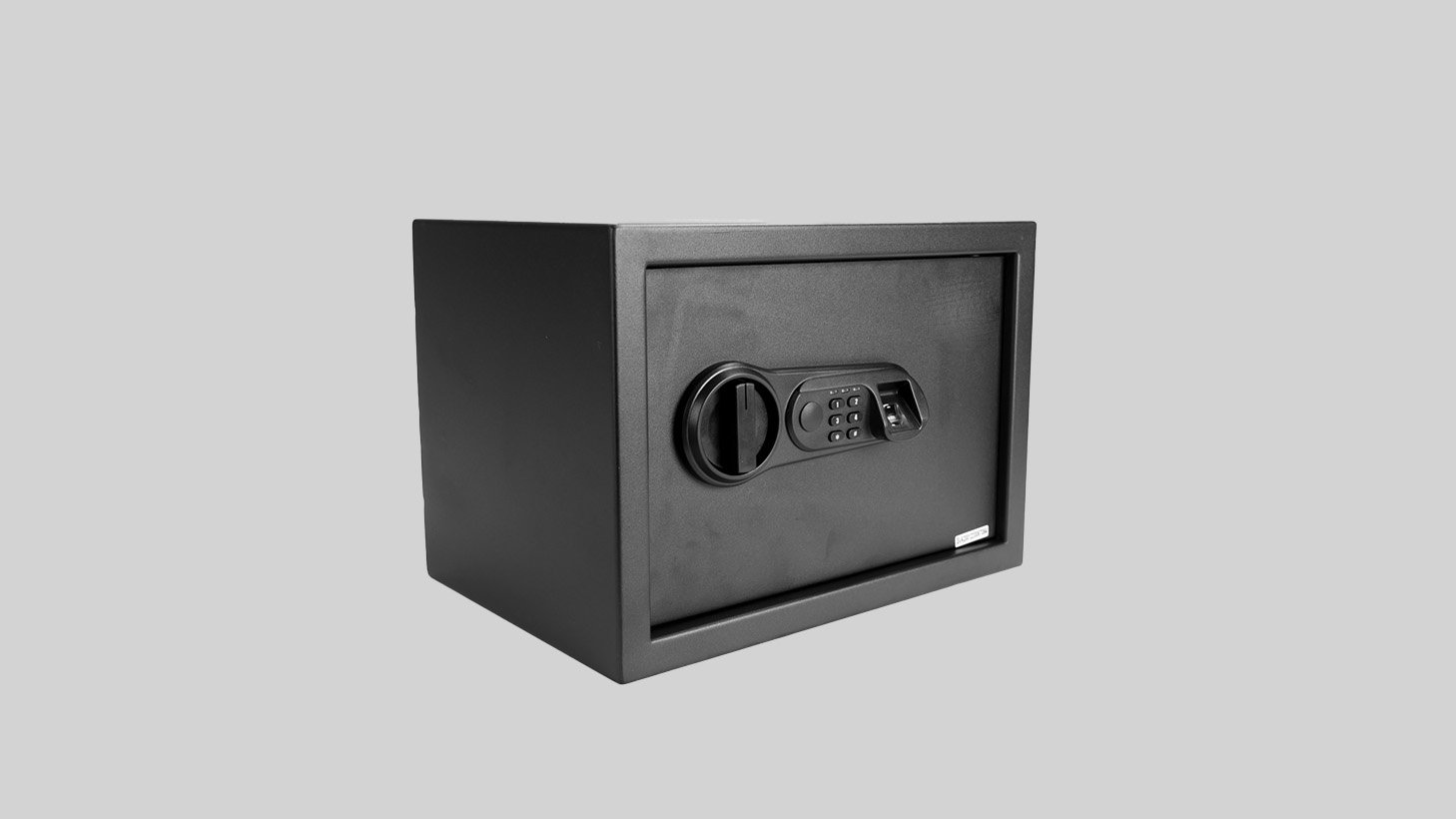
In a concerning revelation for gun owners, the United States Consumer Product Safety Commission has issued a recall for over 120,000 biometric safes across the United States. This recall impacts various models from Bulldog, Machir, BBRKIN/Moutec, and Awesafe due to a critical flaw that could potentially allow unauthorized access with an incorrect fingerprint.
Recalled Safe Models and Instructions
The recall specifically involves Bulldog Magnum Biometric Pistol Vaults among others, which are designed to securely store firearms and valuables. Despite their robust appearance and biometric security features, these safes have been found to unlock with unregistered fingerprints. Consumers are urgently advised to cease using the biometric functionality of these safes, remove the safes' batteries, and rely solely on the key lock mechanism for securing their contents. Bulldog has committed to providing affected customers with either a repair kit or a replacement safe at no cost.
Consumer Safety Measures and Reports
This recall follows multiple reports of these safes being accessed by unauthorized individuals despite the biometric security measures. Fortunately, there have been no injuries reported as a result of this flaw. However, the potential for such incidents underscores the gravity of the recall. The safes, manufactured in China, were available for purchase at major retailers such as Bass Pro Shops and Wal-Mart, as well as online platforms from 2016 through early 2024.
Continued Vigilance for Safe Owners
This incident serves as a stark reminder of the importance of regularly reviewing and testing the security features of biometric safes. Manufacturers and distributors are making efforts to rectify this issue by offering replacements or repair solutions to ensure the safety and security of firearms and valuables stored within these safes. Owners of the affected models are encouraged to follow the recall instructions closely to safeguard against unauthorized access.
  • Text Only
A Request for Moscow's Intervention
In a significant move that has drawn the international community's attention, Transnistria, a pro-Russian breakaway region in Moldova, has formally sought Moscow's assistance. The region's self-proclaimed authorities have made an appeal for measures to safeguard Transnistria against perceived threats from the Moldovan government. This request for protection, articulated through a congress of senior officials, underscores the deep-seated tensions and the geopolitical complexities surrounding this enclave.
Russia's Calculated Silence
The anticipation around Russian President Vladimir Putin's potential response to Transnistria's plea was palpable, especially considering the timing of his state-of-the-nation address. Despite expectations, Putin remained conspicuously silent about Transnistria in his speech, leaving analysts and observers speculating about Russia's next steps. The Russian Foreign Ministry, however, underscored its commitment to safeguarding the interests of Transnistria's residents, emphasizing the strategic importance Moscow places on its "compatriots" in the region.
International Reactions and Implications
Moldova's dismissal of Transnistria's allegations as mere propaganda reflects the ongoing struggle for influence and stability in the region. Meanwhile, the international community, particularly the United States, has expressed concern over the developments, with the State Department closely monitoring Russia's maneuvers in Transnistria. The fear is that Moscow might leverage this situation to further its territorial ambitions in Europe, especially against the backdrop of its ongoing aggression in Ukraine.
A Delicate Balance
The appeal from Transnistria's pro-Russian leadership for Moscow's protection is more than a local plea; it's a testament to the fragile geopolitical equilibrium in Eastern Europe. As the West keeps a watchful eye on Putin's strategies, the implications of any Russian intervention in Transnistria could have far-reaching consequences for regional stability and the broader contest for influence between Russia and the West. The situation remains tense, with all eyes on Moscow's next move amidst a complex tapestry of historical ties, strategic interests, and international diplomacy.
  • Text Only
Historic Deployment Since WWII
According to Euronews, Germany is committing to a move not seen since the aftermath of World War II, Germany is set to station approximately 5,000 soldiers in Lithuania by 2027. This deployment marks a significant shift in German military policy, reflecting the evolving security landscape in Eastern Europe. The initiative aims to bolster NATO's eastern flank in response to rising tensions following Russia's aggressive actions in Ukraine.
Strategic Reinforcement and Family Accompaniment
The decision, announced by German Defence Minister Boris Pistorius, underscores Germany's commitment to its NATO obligations and the protection of allied territories. Pistorius highlighted the uniqueness of this deployment, noting it involves long-term stationing with provisions for accompanying family members—a testament to the seriousness with which Germany views this mission. The move is expected to cost around €30 million per month, a substantial investment in regional stability.
Addressing the Suwalki Gap Vulnerability
Strategically located near the Russian enclave of Kaliningrad and Belarus, Lithuania's security is paramount to NATO's defense strategy. German forces, including two combat battalions, will be stationed just 100 km from the Russian border. This deployment is particularly crucial for safeguarding the Suwalki Gap, a narrow corridor connecting Lithuania to Poland, which is seen as a potential flashpoint in the event of further Russian aggression. NATO's bolstered presence in Lithuania through Germany's commitment is a clear signal of the alliance's readiness to defend its members against external threats.
  • Text Only
China's UnionPay Payment Challenges Impact Russian Transactions
Recent developments have indicated a significant disruption in the functionality of UnionPay, China's payment system, for users in Russia. This comes as a notable shift, given that UnionPay had emerged as a key financial conduit for Russians in the wake of Western sanctions and the withdrawal of major card payment services like Visa and Mastercard due to the ongoing conflict in Ukraine.
UnionPay and Huawei Pay Face Operational Hurdles
Users have encountered difficulties with UnionPay cards, particularly those linked to Huawei Pay, signaling a halt in the service's operations within Russia. Reports from local news sources highlight user complaints regarding the inability to process payments, suggesting a potential compliance with international sanctions. The blockage appears to specifically affect digital transactions via Huawei Pay, while physical UnionPay card payments reportedly continue unaffected. The restrictions are believed to stem from sanctions against Russia's National Payment Card System (NSPK), crucial for processing UnionPay transactions in the country.
The Broader Context of Sanctions and International Banking
The disruption ties into a broader narrative of economic challenges faced by Russia due to sanctions imposed by the international community. Following its invasion of Ukraine, Russia became the world's most sanctioned country, leading to severe economic repercussions including frozen foreign exchange reserves and exclusion from the SWIFT banking system. UnionPay's adoption had been viewed as a lifeline, enabling Russians to conduct international transactions amidst these constraints.
However, recent actions by leading Chinese banks to cease accepting payments from sanctioned Russian financial institutions further complicate the situation. Citing the potential for secondary sanctions from the United States, major Chinese banks have adjusted their policies, affecting transactions with Russian entities. This move underscores the complex interplay of international finance, sanctions, and geopolitical relationships, particularly between China and Russia.
Implications and Future Prospects
These developments mark a significant moment in the ongoing financial saga surrounding Russia's international isolation and the search for alternative payment solutions. The impact on UnionPay and the broader implications for Sino-Russian economic relations highlight the tangible effects of sanctions on global commerce and finance. As the situation evolves, the responses of international and Chinese financial systems will be closely watched for their implications on Russia's ability to navigate its economic sanctions landscape.
  • Text Only
Russian Forces Make Advances in Eastern Ukraine
Recent reports indicate that Russian military units are making significant progress in areas west of Avdiivka, further intensifying the conflict in Eastern Ukraine. According to sources and military bloggers from Russia, the advancement includes the capture of strategic locations, presenting new challenges for Ukrainian defense efforts in the region.
Strategic Shifts and Ukrainian Response
Russian forces are reported to have captured key villages, including Lastochkyne, Sieverne, and Stepove, as they push further west from Avdiivka. The Institute for the Study of War (ISW), a U.S.-based think tank, highlighted these developments but noted the inability to independently verify the claims. The loss of Avdiivka in early February marked a significant setback for Ukraine, following over four months of intense combat. In response, Kyiv's forces have established new defensive lines and reportedly repelled multiple Russian offensives in the surrounding areas.
Ukraine's strategic realignment around villages such as Lastochkyne and Novobakhmutivka demonstrates a continued effort to halt Russian advances. Despite the challenges, Ukrainian military spokespersons have confirmed successful defense operations against Russian attempts to push forward, underscoring the resilience and strategic planning of Kyiv's forces in the face of escalating aggression.
The Human Cost of Conflict
The battle for Avdiivka and its aftermath underscore the brutal nature of the ongoing conflict, with both sides incurring significant losses. The Ukrainian withdrawal from Avdiivka was described by officials as a necessary move to preserve the lives of its soldiers, highlighting the city's transformation into a "meat grinder" of warfare. President Volodymyr Zelensky emphasized the importance of saving Ukrainian lives, reflecting on the defense strategy during his address at the Munich Security Conference.
Russian military claims of territorial gains come amid reports of heavy casualties, with thousands of soldiers reported killed or wounded in the fighting for Avdiivka alone. Ukrainian military sources provide staggering figures on Russian losses, although the exact number of casualties remains difficult to verify. The conflict continues to exact a heavy toll on combatants and civilians alike, with no immediate resolution in sight.
The recent developments in Eastern Ukraine reveal the complex and dynamic nature of the conflict, as both sides navigate the strategic and humanitarian challenges of war. As the situation evolves, the international community remains closely attuned to the impact of these advances on the broader security landscape in the region.
  • Text Only
Europe Takes Charge in Global Effort to Support Ukraine with Artillery Shells
As the conflict in Ukraine continues, European nations, along with partners like Canada, have taken the lead in addressing a critical shortage of artillery shells needed by Ukraine. With the United States facing internal delays over aid packages, the push to provide Ukraine with essential military supplies has become a global endeavor, highlighting a significant shift in international military support dynamics.
A Worldwide Scramble for Ammunition
In a notable pivot from traditional roles, countries such as Germany, Denmark, the Czech Republic, and Canada are spearheading efforts to amass artillery shells to assist Ukraine. The urgency of this mission stems from the escalating costs and demand for NATO-standard 155mm howitzer shells, exacerbated by the ongoing conflict. Ukrainian President Volodymyr Zelensky has voiced concerns over the soaring prices of artillery shells on the international market, emphasizing the dire need for these munitions to defend the nation and its civilians. The quest for ammunition has led to significant depletion of reserves in major European countries, risking their own security preparedness.
The Struggle for Sufficient Supplies
Ukraine's struggle to maintain adequate artillery ammunition has been a persistent challenge throughout the conflict with Russia. Despite brief periods of sufficient supplies, the Ukrainian Armed Forces have faced critical shortages, impacting their ability to defend key positions and conduct counteroffensives. The recent loss of a strategically important town underscored the dire consequences of ammunition scarcity. Efforts by the European Union to address this shortfall include commitments to deliver a significant number of shells by the end of the year, although these initiatives have faced delays and logistical hurdles.
International Initiatives and Future Prospects
In response to the urgent need for artillery shells, several countries and entities have proposed innovative solutions to bypass production and political hurdles. The Czech Republic, for instance, has proposed a plan to acquire significant quantities of ammunition through international markets, with countries like India being potential suppliers. Canada has also pledged financial support for these initiatives. Meanwhile, European manufacturers are ramping up production capacities, with new factories and production lines expected to significantly boost shell production in the coming years. 
This global mobilization underscores the international community's commitment to supporting Ukraine amid its defense against aggression. With European countries leading the charge, the collective effort aims to overcome logistical challenges and ensure Ukraine receives the crucial support needed for its defense and sovereignty.
  • Text Only
Armenia Steps Back from CSTO, Questions Alliance's Effectiveness
In a move signaling a major shift in regional dynamics, Armenia has decided to halt its participation in the Collective Security Treaty Organization (CSTO), a military alliance led by Russia and often seen as Moscow's counterbalance to NATO. Prime Minister Nikol Pashinyan's announcement marks a significant divergence from Armenia's long-standing alignment with Russian-led security mechanisms, pointing to a reevaluation of the country's foreign policy and security affiliations.
Growing Rifts and Unmet Expectations
The decision comes against a backdrop of escalating dissatisfaction with the CSTO's role and effectiveness, particularly highlighted by the alliance's response—or lack thereof—to Armenia's security concerns in recent years. Despite the CSTO's intended purpose as a mutual defense pact, Pashinyan has voiced concerns over its failure to adequately support Armenia, especially during critical moments in 2021 and 2022. This dissatisfaction culminated in Armenia's decision to "freeze" its participation, leaving future involvement uncertain.
Kremlin Seeks Clarification Amid Deepening Isolation
As Armenia publicly questions the CSTO's value, the Kremlin finds itself in a precarious position, seeking to clarify Yerevan's stance amid Russia's growing isolation due to its actions in Ukraine. Armenia's move is emblematic of the broader challenges facing Russian diplomacy, as it attempts to retain influence over its traditional allies while navigating the geopolitical consequences of its invasion of Ukraine. The lack of a direct military response from the CSTO during Armenia's border clashes with Azerbaijan has further strained relations, underscoring the alliance's perceived ineffectiveness.
Realigning Alliances and Future Implications
This development is not just a reflection of Armenia's reassessment of its security and foreign policy but also an indicator of shifting alliances in the region. By cancelling military exercises with Russia and engaging in joint military activities with the United States, Armenia is signaling a potential pivot towards more Western-oriented security arrangements. The acquisition of air-defense systems from France and statements distancing Armenia from Russia's actions in Ukraine further emphasize Yerevan's search for diversified security partnerships beyond the CSTO framework.
The repercussions of Armenia's decision extend beyond the immediate region, challenging the CSTO's cohesion and Russia's ability to project power and maintain influence among its neighbors. As Armenia explores new security relationships and asserts its stance on the global stage, the dynamics within the CSTO and Russia's relationships with its allies are poised for significant transformation.
  • Text Only
Groundbreaking Deployment
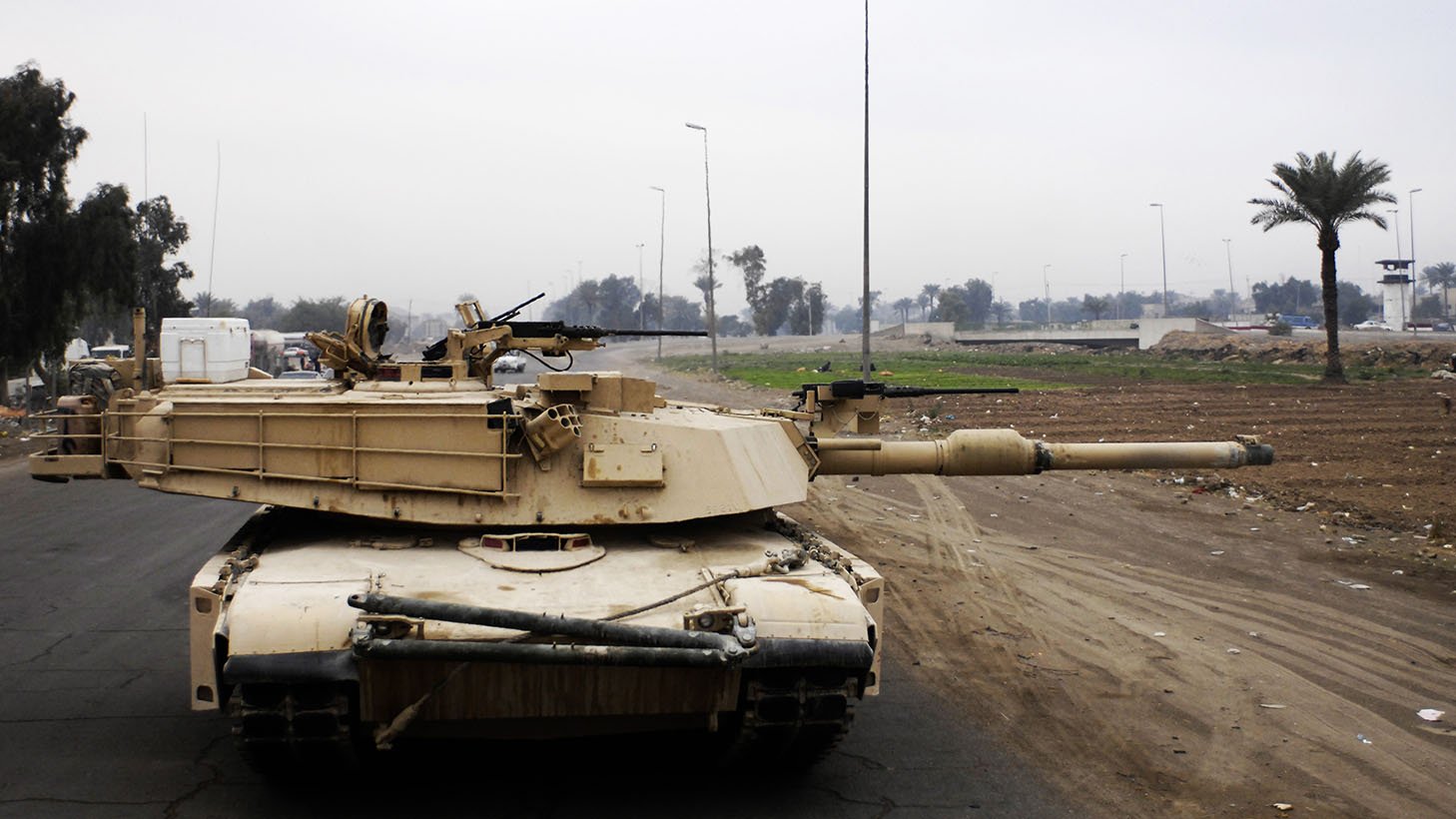
The Ukrainian military, particularly the 47th Separate Mechanized Brigade, has made headlines by deploying the advanced Abrams tanks against Russian adversaries. This significant development comes after weeks of active combat, where the Abrams tanks have been tested in the field, showcasing their capabilities through aerial drone footage captured by the Ukrainian forces.
Advanced Armor and Combat Efficiency
The Abrams tank, renowned for its superior design and combat effectiveness, features a unique safety mechanism where ammunition is stored in a specialized compartment at the rear of the turret. This design choice ensures that in the event of a hit, the blast is directed upwards, away from the crew. The tank's sophisticated multi-layered armor reinforces its reputation as one of the most fortified vehicles on the battlefield. These features have contributed to the Abrams tank's esteemed status, a reputation solidified during its initial use in the Persian Gulf War and subsequent operations in Iraq.
 
Enhanced Technical Capabilities
Ukraine's acquisition of the M1A1 Situational Awareness (SA) Abrams tanks, a variant with improved operational capabilities, marks a significant upgrade in its military hardware. These tanks are equipped with advanced laser rangefinders, thermal imaging, and a digital control system known as Blue Force Tracking, enhancing battlefield coordination by distinguishing between friend and foe. The addition of a stabilized remotely controlled weapon system allows for precise targeting even while the tank is in motion, showcasing the technological advancements integrated into this variant.
The delivery of the Abrams tanks to Ukraine was part of a larger commitment by the United States, paralleled by European pledges to supply German Leopard 2 tanks. This international cooperation highlights a unified effort to bolster Ukraine's defense capabilities against Russian forces. The 47th Separate Mechanized Brigade's successful deployment of these tanks, alongside their earlier adoption of Bradley infantry fighting vehicles, underscores the strategic partnership between Ukraine and its allies, enhancing the combat readiness of Ukrainian forces with cutting-edge military technology.
  • Text Only
Russia Faces Significant Loss with Second A-50 Radar Jet Downed
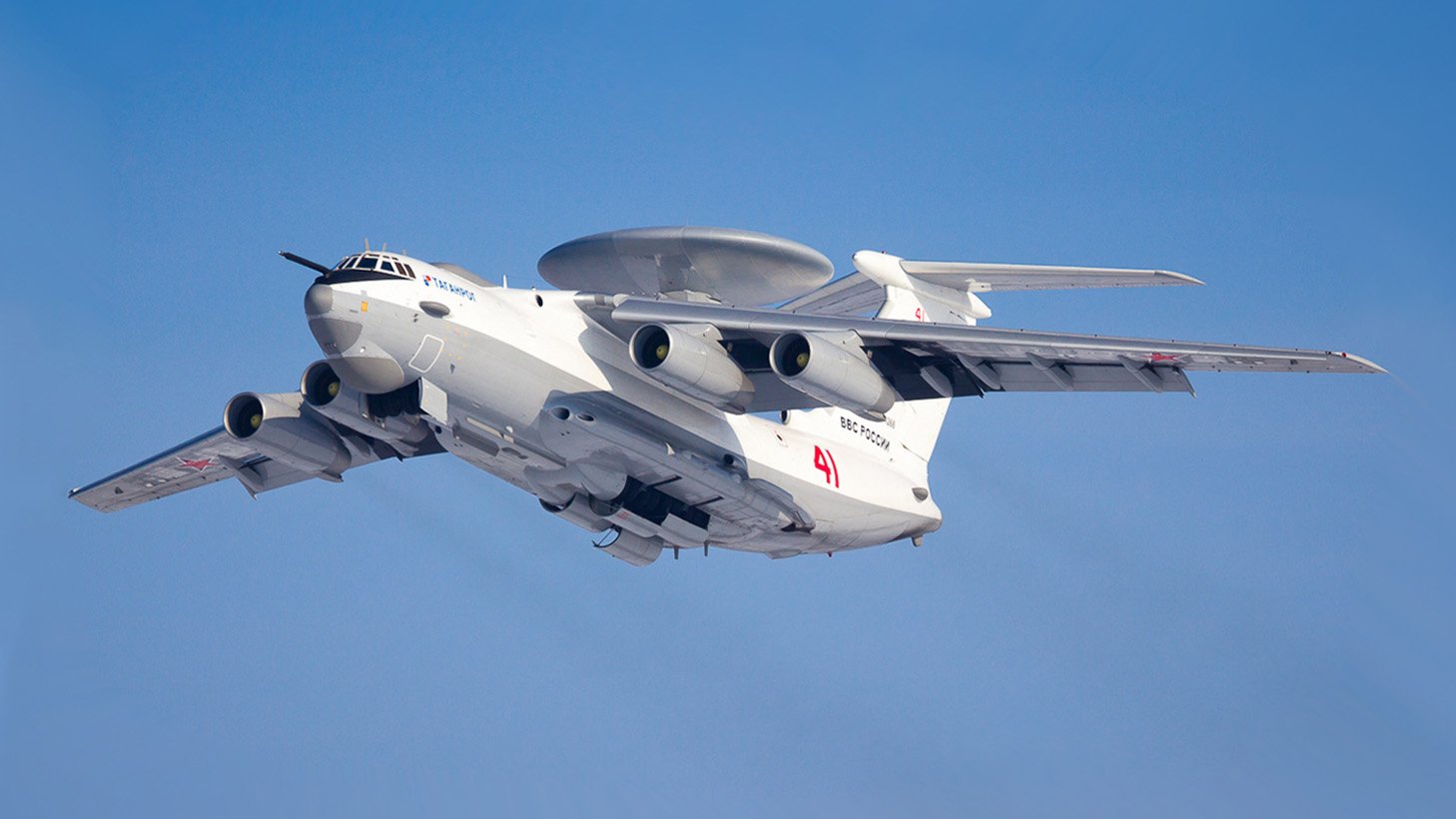
In a recent and significant blow to Russian military capabilities, reports have emerged of the downing of a second A-50 Mainstay airborne early warning and control (AEW&C) aircraft. The incident, captured in social media footage showing a burning aircraft on the ground, has sparked debate over the cause, with suggestions of either an attack by Ukrainian forces or a tragic case of friendly fire.
Uncertain Circumstances Surround Tragic Loss
The exact details of the A-50's downing remain shrouded in mystery. Initial speculations point towards a catastrophic end over the Sea of Azov, with Russian sources hinting at the possibility of friendly fire being the cause. Meanwhile, other theories propose that a technical malfunction may have played a critical role in the aircraft's demise. The ambiguity surrounding these reports highlights the fog of war and the complexity of modern aerial warfare.
 
The Strategic Importance of the A-50 Mainstay
The Beriev A-50 Mainstay is a cornerstone of Russia's airborne early warning and control capabilities. Built upon the robust Ilyushin Il-76 platform, the A-50 plays a pivotal role in surveillance, command, control, and communications for Russian forces. The loss of such an asset not only diminishes Russia's operational awareness but also impacts its ability to coordinate and execute strategic military operations effectively.
Broader Implications of the Incident
This incident marks what is potentially the second loss of an A-50 since the onset of Russia's military actions against Ukraine in February 2022. The previous incident in January 2023 saw another A-50 shot down over the Sea of Azov, alongside an Il-22 that sustained significant damage but managed to land. These losses underscore the heightened risks and vulnerabilities faced by strategic military assets in the contested airspace over Eastern Europe, emphasizing the ongoing intensity and the high stakes of the conflict in the region.
  • Text Only
Enhancing National Defense through Marksmanship
Finland is taking significant steps to strengthen its national defense capabilities by significantly increasing the number of shooting ranges across the country, according to a report by the Guardian. This move is part of a broader strategy to enhance the marksmanship skills of its citizens against the backdrop of ongoing military tensions in Eastern Europe. The Finnish government's initiative reflects a proactive approach to bolstering the country's military readiness by encouraging its population to develop their shooting abilities.
A Surge in Shooting Ranges
Currently home to 670 shooting ranges for a nation of 5.6 million people, Finland boasts one of the highest numbers of gun ranges per capita globally. This figure is set to rise dramatically, with plans to expand the total number of ranges to 1,000. This ambitious expansion seeks to accommodate the growing interest in firearms training and marksmanship among Finnish citizens, partly spurred by the geopolitical developments in the region, especially the conflict in Ukraine. The initiative, led by Finnish defense authorities, aims to provide ample facilities for citizens to practice and improve their shooting skills, deemed essential for the country's defense strategy.
Responding to Geopolitical Pressures
Finland's decision to increase its shooting ranges is deeply rooted in its historical and geopolitical context. Sharing an extensive border with Russia and having experienced direct military confrontations in the past, Finland remains vigilant in its defense posture. The recent invasion of Ukraine by Russia has heightened security concerns, leading to a noticeable spike in the participation in militia-style defense courses and an upsurge in applications for firearms licenses. To facilitate the rising demand for firearms training, the Finnish government plans to ease environmental restrictions for the establishment of new shooting ranges, with a targeted completion date of 2030.
This strategic move underscores Finland's commitment to ensuring its populace is well-prepared and proficient in marksmanship, reflecting a broader national defense strategy that emphasizes self-reliance and readiness in the face of evolving security challenges.
  • Text Only
Strategic Withdrawal to Preserve Lives
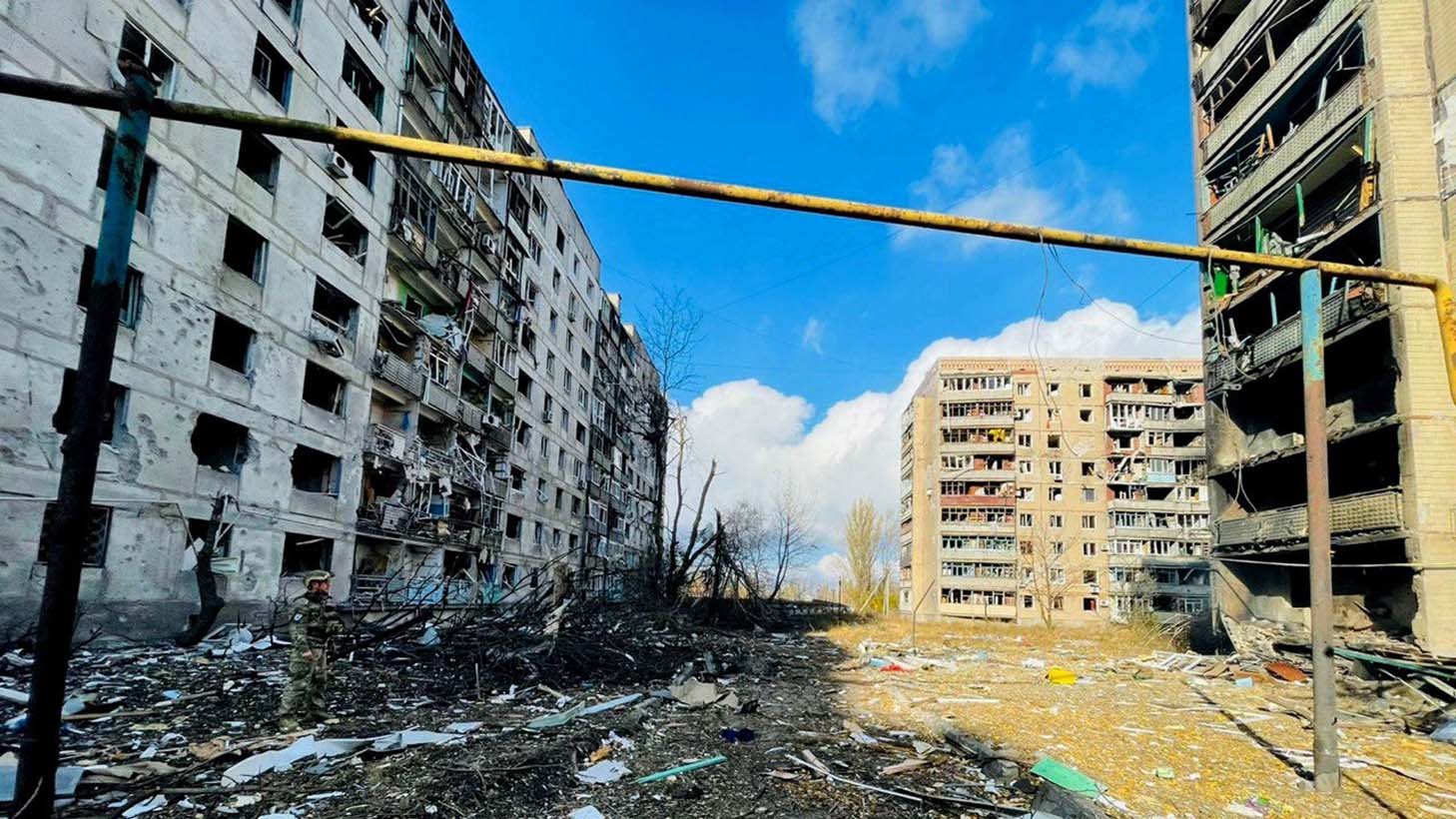
In a significant development in the ongoing conflict, the Ukrainian military leadership announced the strategic withdrawal of its forces from Avdiivka, a pivotal town in the Eastern region. Oleksandr Syrskyi, the Ukrainian Chief of General Staff, cited the critical operational situation and the necessity to avoid encirclement as the primary reasons for the retreat. This move aims to reposition Ukrainian forces to more defensible locations, prioritizing the safety and health of military personnel.
Avdiivka's Role in the Broader Conflict
Avdiivka has been a critical battleground since the early stages of the conflict in the Donbas area, witnessing intense military engagements. The town's significance has grown with the escalation of Russia’s full-scale invasion in February 2022, becoming a symbol of Ukrainian resilience. The decision to withdraw reflects a tactical adjustment in the face of evolving battlefield dynamics and the pressing need to safeguard Ukrainian troops against superior enemy maneuvers.
Call for Enhanced Military Support
In light of the ongoing challenges, President Volodymyr Zelensky has issued a renewed appeal for increased military assistance from Western allies. Highlighting the disadvantage posed by the shortage of weapons, particularly in artillery and long-range capabilities, Zelensky stressed the importance of bolstering Ukraine’s defense to effectively counter Russian aggression. The president's call underscores the critical need for sustained international support to ensure Ukraine's ability to maintain its defensive efforts and strive for the eventual recapture of lost territories, including Avdiivka.
  • Text Only
Henry's Tribute to a Century of Service
To commemorate the 100th anniversary of the U.S. Border Patrol, Henry Repeating Arms has introduced a special series of rifles, celebrating the dedication and service of Border Patrol agents and Customs and Border Protection employees. This exclusive collection features both the renowned centerfire Big Boy and the rimfire Golden Boy models, crafted with precision and care to honor a century of border protection.
A Limited Series for Border Patrol and Customs and Border Protection Personnel
Available exclusively for current or former members of the U.S. Border Patrol or Customs and Border Protection, this limited edition series offers enthusiasts a choice between two iconic rifles: the .22 LR rimfire Golden Boy priced at $800 and the .357 Magnum Big Boy available for $1,150. Each rifle can be personalized with an engraving of either a Border Patrol badge or a Customs & Border Protection badge, celebrating the individual's service and commitment. The Golden Boy also supports .22 Short and Long cartridges, while the Big Boy is compatible with .38 Special rounds, providing versatility and performance.

Supporting the Border Patrol Museum with Every Purchase
In partnership with the Border Patrol Museum in El Paso, Texas, Henry Repeating Arms is dedicated to preserving the rich history and contributions of the Border Patrol. A portion of the proceeds from each commemorative rifle sold will be donated to the museum, helping to fund exhibits, operational costs, and educational programs. This initiative ensures that the legacy of the Border Patrol and its agents continues to be celebrated and remembered by future generations.
How to Purchase and Contribute
The commemorative series includes four distinct models based on badge preference, with two convenient gift card options for those looking to gift a rifle to an eligible recipient. It's important to note that eligibility verification will be required for gift card recipients, ensuring that these special editions find their way into the hands of those who have served or are serving with the Border Patrol or Customs and Border Protection.
Henry Repeating Arms' initiative to commemorate the 100th anniversary of the U.S. Border Patrol with these special edition rifles not only honors the brave men and women who protect the nation's borders but also supports the continued operation of the Border Patrol Museum. Through this unique offering, Henry extends its appreciation for the sacrifices and contributions of these law enforcement professionals while contributing to the preservation of their storied history.
  • Text Only
Europe Hits Milestones in Defense Investment
In a significant development, NATO has announced that its European members are on track to achieve the defense spending benchmark of 2% of GDP by 2024. This announcement comes amidst increasing geopolitical tensions and concerns over global security commitments. The collective defense expenditure of European NATO states is projected to reach $380 billion this year, marking a considerable increase from 1.85% of GDP in 2023 to an estimated 2% in 2024.
Rising to the Challenge
In response to the evolving security landscape and recent statements by former U.S. President Donald Trump regarding the conditional protection of NATO allies, NATO Secretary-General Jens Stoltenberg emphasized the alliance's unity and increased financial commitment to defense. Stoltenberg highlighted that 18 of the 31 NATO allies are expected to meet or exceed the 2% GDP target for defense spending this year, a significant improvement from the 11 nations that reached the target last year. This escalation in defense investment underscores NATO's determination to bolster its military capabilities and readiness.
Strategic Focus on Alliance Solidarity
Amidst discussions on the United States' continued engagement in NATO and the provision of military aid to Ukraine, Stoltenberg stressed the importance of transatlantic solidarity for mutual security. With a potential second Trump presidency on the horizon and challenges in passing a substantial military aid package for Ukraine, NATO diplomats are keen on maintaining strong U.S. involvement in the alliance. The strategic emphasis is on enhancing European defense spending, addressing concerns related to China and the Indo-Pacific, and navigating diplomatic relations with all alliance members, including those with divergent viewpoints.
Historic Milestones and Future Directions
Germany is set to achieve the 2% defense spending target for the first time since the Cold War, allocating approximately 71.8 billion euros ($76.8 billion) for defense in 2024. France, the European Union's sole nuclear power, is also on the path to reaching the spending goal earlier than anticipated, with a significant budget increase planned for the next seven years. As NATO members continue to ramp up their defense expenditures, the alliance remains focused on reinforcing its capabilities and addressing the multifaceted challenges of global security dynamics.
  • Text Only
Introduction to the Next-Generation Helmet
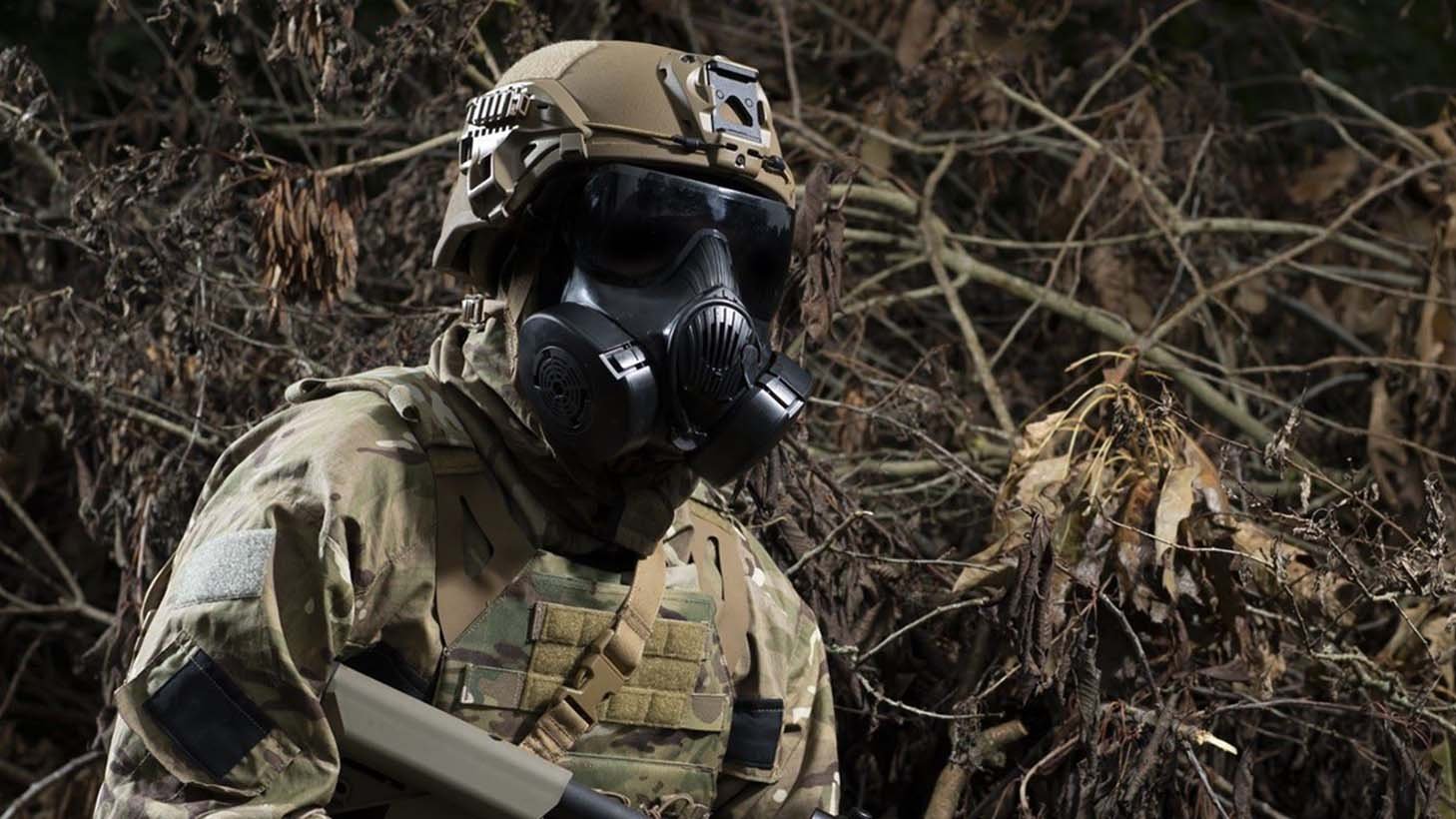
The U.S. Army has initiated the deployment of its latest advancement in soldier protection, the Next-Generation Integrated Head Protection System (NG-IHPS), to the 1st Brigade Combat Team of the 82nd Airborne Division. This rollout represents a pivotal enhancement in the safety gear provided to soldiers, targeting the protection of approximately 2,000 troops.
Features and Capabilities
The NG-IHPS replaces several previous helmet models, including the Advanced Combat Helmet and the Enhanced Combat Helmet. It is designed as a comprehensive protection system, incorporating a variety of components such as a refined retention and suspension system, a specialized helmet cover, and a bracket for night vision devices. Notably, the helmet is compatible with additional protective elements like mandible guards and hearing protection, and it supports advanced technological integrations with devices such as the Integrated Visual Augmentation System and the Enhanced Night Vision Goggle-Binocular.
Lt. Col. Ken Elgort, in charge of Soldier Protective Equipment, highlighted the NG-IHPS as a significant leap forward in equipping soldiers with necessary protection against contemporary battlefield threats. The helmet's design also anticipates future advancements in soldier equipment, ensuring compatibility with upcoming technologies.
Unprecedented Protection and Plans for Distribution
Maj. Matthew Nulk pointed out the helmet's exceptional ballistic and fragmentation defense capabilities, coupled with a 40% reduction in weight compared to its predecessors, setting a new benchmark for rifle threat protection worldwide. Furthermore, Alex de Groot, the project's lead engineer, emphasized the innovative boltless retention and night vision device bracket, which enhance the helmet's protective attributes without compromising its structural integrity.
Following the initial fielding to the 1st Brigade Combat Team, the 2nd and 3rd Brigade Combat Teams of the 82nd Airborne Division are next in line to receive the NG-IHPS within this quarter. The Army aims to complete the distribution across all close-combat force units over the coming three years.
Overseen by the Program Executive Office Soldier, the NG-IHPS is part of the broader Soldier Survivability portfolio, which encompasses various protective gear including the Modular Scalable Vest and the Blast Pelvic Protector, among others. This initiative underscores the Army's commitment to enhancing the safety and operational efficiency of its soldiers through cutting-edge technology and equipment.
  • Text Only
Sustaining Losses with Strategic Reserves
Recent studies indicate that Russia possesses the capability to continue its military operations in Ukraine at the current rate of equipment loss for an additional two to three years. Despite significant losses, including hundreds of armored vehicles and artillery pieces each month, Russia's strategy involves leveraging both production and extensive storage reserves. The International Institute for Strategic Studies (IISS) has highlighted Russia's utilization of aerial imagery to identify numerous artillery, tank, and equipment storage bases, suggesting a substantial backlog that can be deployed to maintain battlefield strength.
Challenges of Replenishment and Quality Concerns
While Russia's military production and storage capacities allow for the replenishment of losses, the quality of replacement equipment raises concerns. With the UK Ministry of Defense noting Russia's capability to produce 100 new tanks monthly, experts speculate that many of these are likely older models, such as the T-62 and even T-55 tanks. This reliance on older equipment, while ensuring numerical stability, may not fully compensate for the loss of more advanced systems on the front lines.
Ukraine's Military Arsenal and Western Support
On the Ukrainian side, the IISS report suggests that the country's inventory of main battle tanks remains at approximately pre-war levels, bolstered by the acquisition of Western armored vehicles and the capture of Russian tanks. However, efforts to augment combat forces are reportedly hampered by equipment shortages, leaving some units underprepared. The delay in US aid, currently stalled in Congress, poses a potential risk to the Ukrainian military's sustainability and effectiveness in the prolonged conflict.
The ongoing war in Ukraine has not only tested the resilience and strategic capacities of the involved nations but also highlighted the critical role of international support and the challenges of maintaining a modern and effective arsenal under the conditions of sustained conflict. As the situation evolves, the balance of equipment quality and quantity, alongside international aid dynamics, will continue to influence the trajectory of the conflict.
  • Text Only

Editorial Information

Advertisement

Advertisement

Important Information

We have placed cookies on your device to help make this website better. You can adjust your cookie settings, otherwise we'll assume you're okay to continue.

Account

Navigation

Search

Search

Configure browser push notifications

Chrome (Android)
  1. Tap the lock icon next to the address bar.
  2. Tap Permissions → Notifications.
  3. Adjust your preference.
Chrome (Desktop)
  1. Click the padlock icon in the address bar.
  2. Select Site settings.
  3. Find Notifications and adjust your preference.