Skip to content

Advertisement

Advertisement

Uncrowned Armory News

Strategic Blow to Russian Naval Operations
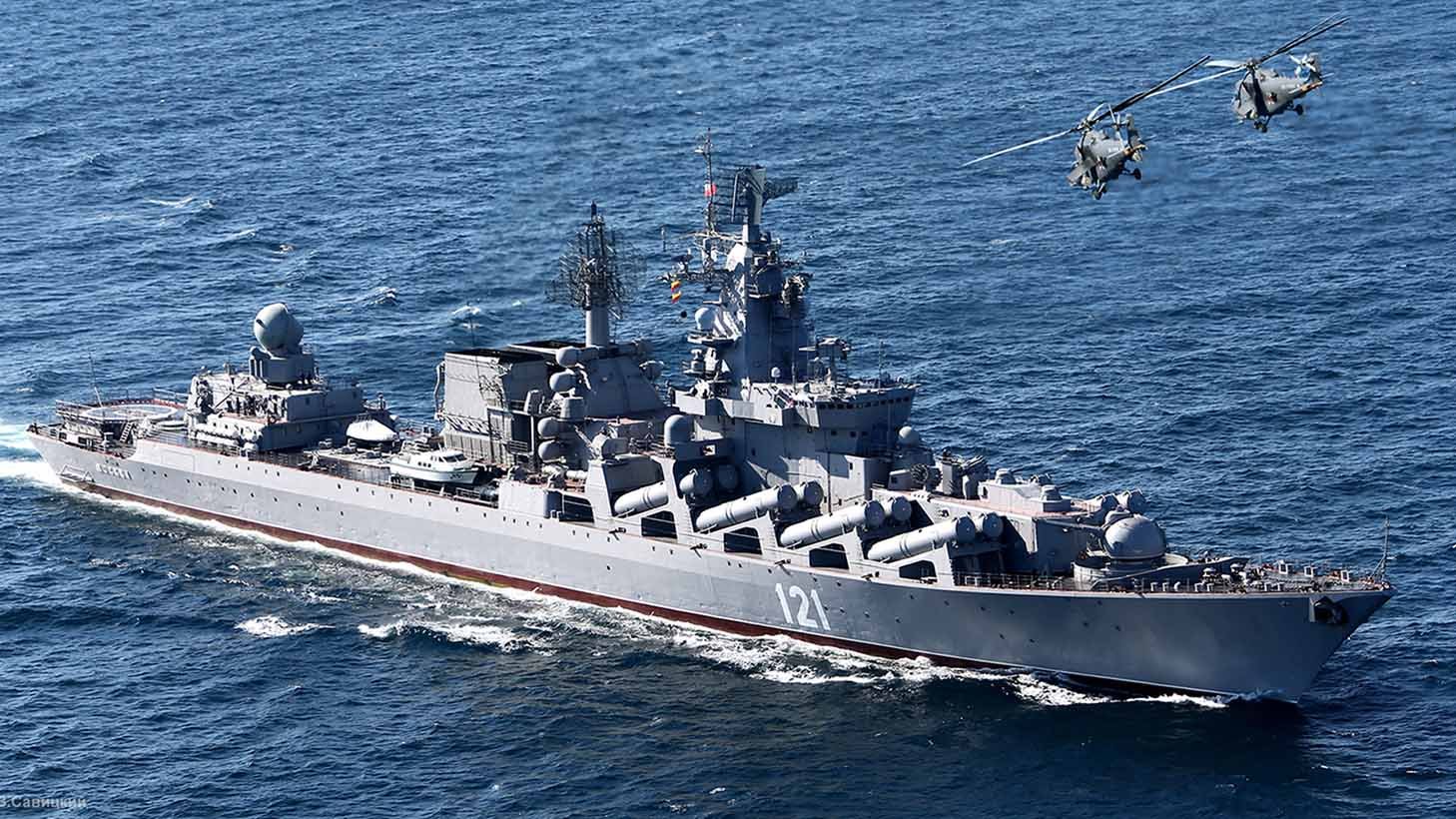
In a significant operation on February 14, Ukrainian forces reportedly launched a successful drone attack against a Russian naval vessel, the Caesar Kunikov, a Project 775 Ropucha class large landing ship, in the Black Sea. This operation marks a critical point in the ongoing conflict, showcasing Ukraine's ability to target significant naval assets. The vessel, according to Ukrainian sources, sustained considerable damage, leading to its sinking near Crimea, a region under temporary Russian control.
Details of the Attack and Immediate Aftermath
The assault was executed using unmanned aerial vehicles, specifically MAGURA V5 drone boats, which struck the Caesar Kunikov near Alupka, causing it to incur significant breaches and ultimately sink. The operation was symbolically timed, coinciding with the anniversary of the death of the vessel's namesake, a Russian officer, 81 years prior. Despite the severity of the attack, there were reports from Russian communication channels suggesting that all crew members had been rescued, although official confirmation remains pending.
Russian Defense Efforts and the Vessel's Importance
In response to the growing threat of drone attacks, the Russian Ministry of Defense announced the interception of multiple drones over the Black Sea on the same day. The Caesar Kunikov, described by the Russian Black Sea Fleet as a formidable landing ship equipped with advanced artillery and missile systems, has played a significant role in Russian military operations across Georgia, Syria, and Ukraine. This incident underscores the escalating use of drone technology in modern warfare and its impact on naval strategies in the Black Sea region.
The attack highlights the ongoing tensions and the shifting dynamics of naval power in the Black Sea, underscoring the increasing reliance on unmanned systems in contemporary conflict zones. As both sides continue to adapt their strategies, the implications of such engagements on future naval encounters remain a subject of close observation by global military analysts.
  • Text Only
IDF Uncovers Hamas Complex
The Israel Defense Forces (IDF) recently announced the discovery of a complex attributed to Hamas beneath the headquarters of a United Nations aid agency in Gaza. According to the IDF, the complex included an entrance near a school associated with the UN Relief and Works Agency for Palestine Refugees in the Near East and extended under the agency's main headquarters in Gaza City. Inside, soldiers found sophisticated "electrical infrastructure" and multiple computer servers allegedly powered by the building above.
Journalistic Investigation
Following the IDF's claims, journalists from various international news outlets, including The Wall Street Journal, were invited to inspect the site. Their visit confirmed the existence of the tunnel beneath the UN agency's courtyard, though it did not conclusively demonstrate Hamas' operational use of the facility. The Wall Street Journal published images showing a room filled with server racks, adding a visual dimension to the IDF's allegations.
UN Agency Responds
In light of these revelations, the UN agency has called for an independent inquiry into the matter, stating its lack of military and security expertise to conduct such inspections on its own. This development follows accusations that several agency staff members were linked to Hamas’ attacks on Israel on October 7, which resulted in significant casualties. The UN agency has since taken disciplinary actions against implicated staff members, emphasizing a zero-tolerance policy towards any involvement in acts of terror.
Wider Implications
This incident shines a light on the extensive tunnel network known as "the Gaza metro," constructed by Hamas across the Gaza Strip, and raises concerns about the challenges faced by international aid organizations operating in conflict zones. As Israel continues its military operations in Gaza, the humanitarian situation worsens, with a significant portion of the population facing severe food insecurity and displacement. The international community is closely monitoring the situation, particularly ahead of Israel's expected offensive against Rafah, a critical area for Gazans seeking refuge from the ongoing conflict.
  • Text Only
Selection of Walther PDP
The Pennsylvania State Police have officially chosen the Walther PDP platform as their new standard duty pistol, signaling a significant update to their law enforcement equipment. This decision was largely anticipated following a bidding process initiated in 2023, where Walther emerged as the sole contender. The specific models selected include the Walther PDP with a 4.5-inch barrel and compact grip, alongside the Walther PDP F-Series with a 4-inch barrel, both to be equipped with the Aimpoint Acro P2 red dot sight for enhanced accuracy and rapid target acquisition.
Efficient Procurement Process
Unlike the protracted and often complex firearm selection processes typically associated with government contracts, the Pennsylvania State Police streamlined their procurement procedure. The decision to adopt the Walther PDP platform was finalized within a few months after the bid was announced, showcasing an efficient approach to updating their law enforcement arsenal. This swift turnaround is part of the department's history of adapting their equipment to meet evolving needs and standards, reflecting their commitment to maintaining a highly capable and modernized police force.
Evolution of Service Pistols
The introduction of the Walther PDP series marks the latest evolution in the service pistols used by the Pennsylvania State Police. Transitioning from revolvers to autoloaders in the mid-1990s, the force has since cycled through several brands and models, including Glock, SIG Sauer, and Beretta, in search of optimal performance, durability, and safety. The Walther PDP models selected are chambered in 9x19mm and feature Walther’s SuperTerrain slide serrations and Performance Duty Trigger, promising a combination of reliability, precision, and user comfort for the state's 4,700 law enforcement officers.
As the Pennsylvania State Police gear up to deploy the Walther PDP as their official duty weapon, this transition reflects the ongoing efforts within law enforcement agencies to leverage advanced technology and equipment to enhance their operational effectiveness and safety.
  • Text Only
Accusations from Ukraine's Intelligence
Ukraine's primary military intelligence agency has levied accusations against Russian forces for allegedly utilizing Starlink terminals, produced by Elon Musk's company SpaceX, within territories occupied by Russia. This development comes amid Ukraine's utilization of Starlink's satellite networks for battlefield communications since the onset of the conflict in February 2022. Despite these claims, Starlink maintains that its services have never been activated or promoted within Russia's borders.
Musk's Firm Denial
Elon Musk, the CEO of SpaceX and owner of the social media platform X, has categorically denied the allegations that Starlink terminals have been sold to Russia. In a statement shared on X, Musk emphasized that, to his knowledge, Starlink has not engaged in direct or indirect sales of its terminals to Russia, dismissing reports suggesting otherwise as unequivocally false. This response aims to clarify Starlink's position and counteract the claims made by Ukraine's intelligence.
Evidence of Usage and Official Responses
Despite Musk's denials, the Main Directorate of Intelligence (GUR) in Ukraine reported what it described as systematic evidence of Starlink terminals being utilized by Russian forces, particularly in the Donetsk region. The GUR cited radio interceptions indicating the installation of these terminals in specific Russian military units. In contrast, Starlink's official communication reiterates the company's stance of non-operation in Russia, warning against potential scams claiming to offer Starlink services within the country.
As tensions continue, this dispute highlights the complex role of technology and communication in modern conflicts. With both sides presenting conflicting accounts, the international community watches closely as the situation unfolds, underscoring the strategic significance of satellite communication technologies in contemporary warfare.
  • Text Only
Accelerated Acquisition for Enhanced Defense
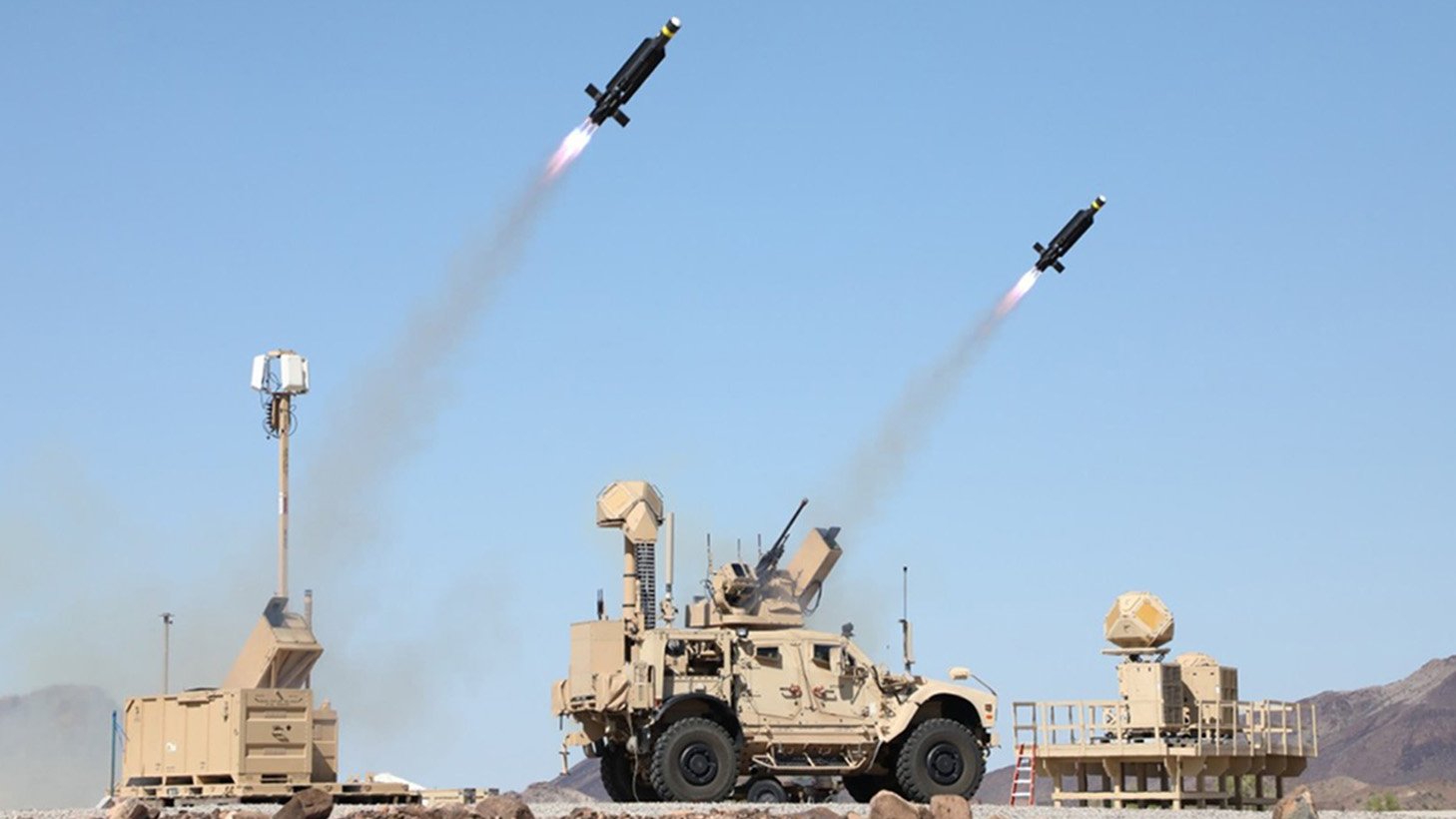
The U.S. Army has taken a significant step to bolster its defense capabilities against unmanned aircraft systems by awarding RTX Corporation a $75 million contract. This contract, finalized on January 16, 2024, is for the production of 600 Coyote 2C Interceptors. This move is part of a strategic initiative to enhance the United States' counter-unmanned aircraft systems mission, reflecting the military's commitment to addressing emerging threats with rapid and effective responses.
Rapid Contracting Process
The procurement of the Coyote 2C Interceptors was expedited through the Office of the Secretary of Defense's rapid acquisition authority. This special authority allowed the contract award to be processed and finalized in an unprecedented timeframe of less than 30 days from the approval of authorization and receipt of funding. This swift action demonstrates the Department of Defense's ability to rapidly respond to critical defense needs, ensuring that the U.S. military remains equipped with the latest technology to counteract potential aerial threats.
Coyote Interceptor: A Critical Defense Asset
The Coyote 2C Interceptor is a crucial component of the U.S. Army's counter-unmanned aircraft system arsenal. Designed as a ground-launched, radar-guided interceptor, it comes in both kinetic and non-kinetic variants, allowing for versatile engagement strategies against enemy drones. The Coyote system integrates seamlessly with both fixed-site and mobile platforms designed to neutralize low, slow, and small unmanned aircraft, thereby enhancing the military's capability to protect critical assets and personnel from aerial threats. This contract not only addresses the immediate need for increased production capacity but also underscores the importance of the Coyote system in the broader strategy for national defense.
The initiative to accelerate the acquisition of Coyote 2C Interceptors, spearheaded by the Army's Program Executive Office for Missiles and Space in collaboration with various Department of Defense components, highlights the concerted effort to strengthen the United States' defense posture against evolving threats. As unmanned aircraft systems continue to present new challenges, the U.S. military's proactive approach to developing and deploying advanced countermeasures ensures the continued safety and security of the nation.
  • Text Only
Innovative Tactics by Ukrainian Forces
Ukraine has demonstrated resourcefulness and strategic innovation in its recent military operations against Russian naval assets in the Black Sea. Last week, the Ukrainian military successfully employed unmanned surface vessels laden with explosives to target and reportedly sink the Russian missile corvette Ivanovets near the Crimean peninsula, underscoring a significant achievement for Kyiv. This operation is part of a series of naval drone attacks that have increasingly threatened Moscow's maritime dominance in the region. The Ivanovets played a crucial role in patrolling Crimea's western coast and supporting Russia's military activities, including facilitating targeting for other naval and aerial units.
Impact on Russia's Naval Operations
The destruction of the Ivanovets represents a continuation of challenges for Russia's Black Sea Fleet, which has faced considerable setbacks due to Ukrainian assaults. These attacks have not only inflicted material damage but also necessitated strategic and operational adjustments by the Russian navy. In response to the growing threat from Ukrainian drone attacks, Russia has had to relocate significant portions of its Black Sea Fleet operations from its main base in Sevastopol, Crimea, to Novorossiysk, on the Russian coast. Despite these adversities, Britain's defense ministry has noted that the Russian Navy likely retains its capability to perform its core functions in the Black Sea, including long-range strikes, patrols, and support missions.
Ukraine's Strategic Naval Campaign
Despite having a relatively modest naval force, Ukraine has leveraged Western-supplied long-range missiles and domestically produced drone boats to impose significant damage on the Russian Black Sea Fleet. This strategy has been particularly effective following Russia's announcement to militarize the Black Sea and intensify attacks on Ukrainian ports and infrastructure. The Ukrainian defense ministry has reported substantial Russian losses since the beginning of the conflict, with a notable proportion of Moscow's Black Sea Fleet being destroyed or damaged. This assertive naval campaign by Ukraine not only challenges Russia's maritime control but also asserts Kyiv's resilience and ingenuity in the face of adversity.
As the conflict continues, the strategic significance of the Black Sea remains paramount, with both sides adapting to the evolving dynamics of naval warfare. Ukraine's ability to target and diminish Russian naval capabilities highlights a critical aspect of the broader conflict, underscoring the ongoing struggle for control and influence in this vital maritime arena.
  • Text Only
Discovery of High-Tech Arsenal
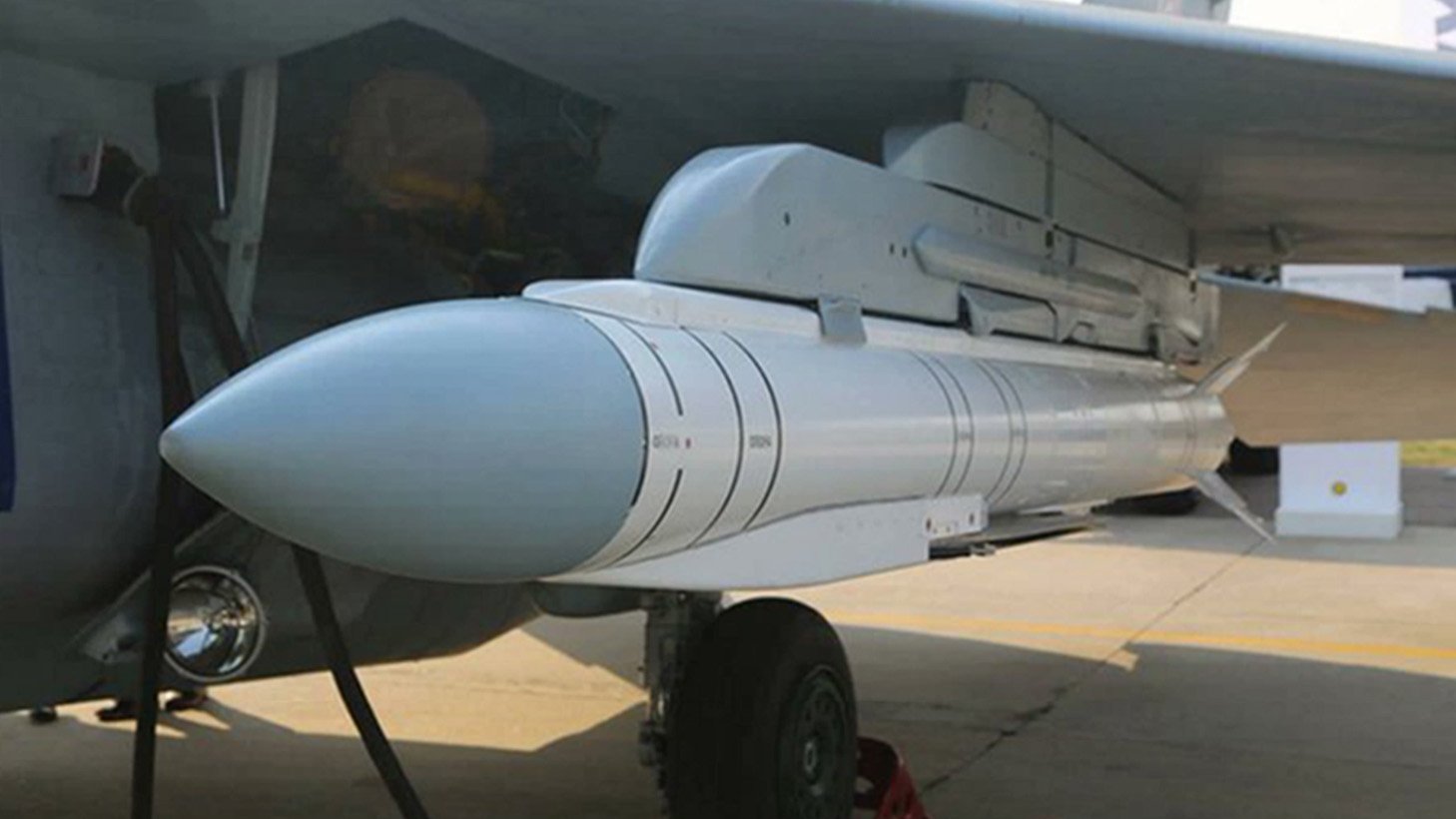
In a significant escalation of hostilities, Russian military forces have employed sophisticated Grom-1 air-to-surface missile systems in an offensive targeting the heart of Kherson. Debris from the Grom-1, identified amidst the ruins of the attack, points to Russia's use of state-of-the-art weaponry against urban centers. Launched into operational use in 2013, the Grom-1 embodies the latest in military technology, with features that distinguish it as a formidable instrument of warfare.
Grom-1's Technical Prowess Unveiled
The Grom-1 missile system is equipped with deployable wings and advanced targeting capabilities, underscoring the technological advancements in Russia's arsenal. The missile, measuring 4.2 meters in length and weighing 594 kg, is designed for precision strikes. It carries a substantial 315-kg fragmentation-explosive warhead, propelled by a dual-engine system that includes a booster and a reducer, highlighting its efficiency and lethality. The Grom-1's design allows for compatibility with various Russian aircraft, including the Su-34, Su-35, and the cutting-edge Su-57, enhancing its versatility on the battlefield. With an operational range reported between 70 to 120 kilometers, the Grom-1 stands as a testament to the expanding reach of air-to-surface weaponry.
Emerging Trends in Weapon Usage
The attack on Kherson marks a notable instance of the Grom-1 missile's deployment in the ongoing conflict following Russia's full-scale invasion of Ukraine. Previous unsuccessful attempts to utilize the Grom-1, such as a malfunction leading to a crash in Donetsk in March 2023, have been documented. This recent event in Kherson represents a pivotal moment, confirming the operational use of Grom missiles on this front. Prior discoveries of such missile remains in Donetsk and Kharkiv regions had hinted at their presence, but the Kherson attack solidifies their active role in the conflict, raising concerns over the escalation of military tactics and the potential for increased civilian and infrastructural damage.
  • Text Only
Combat Encounters in the Middle East
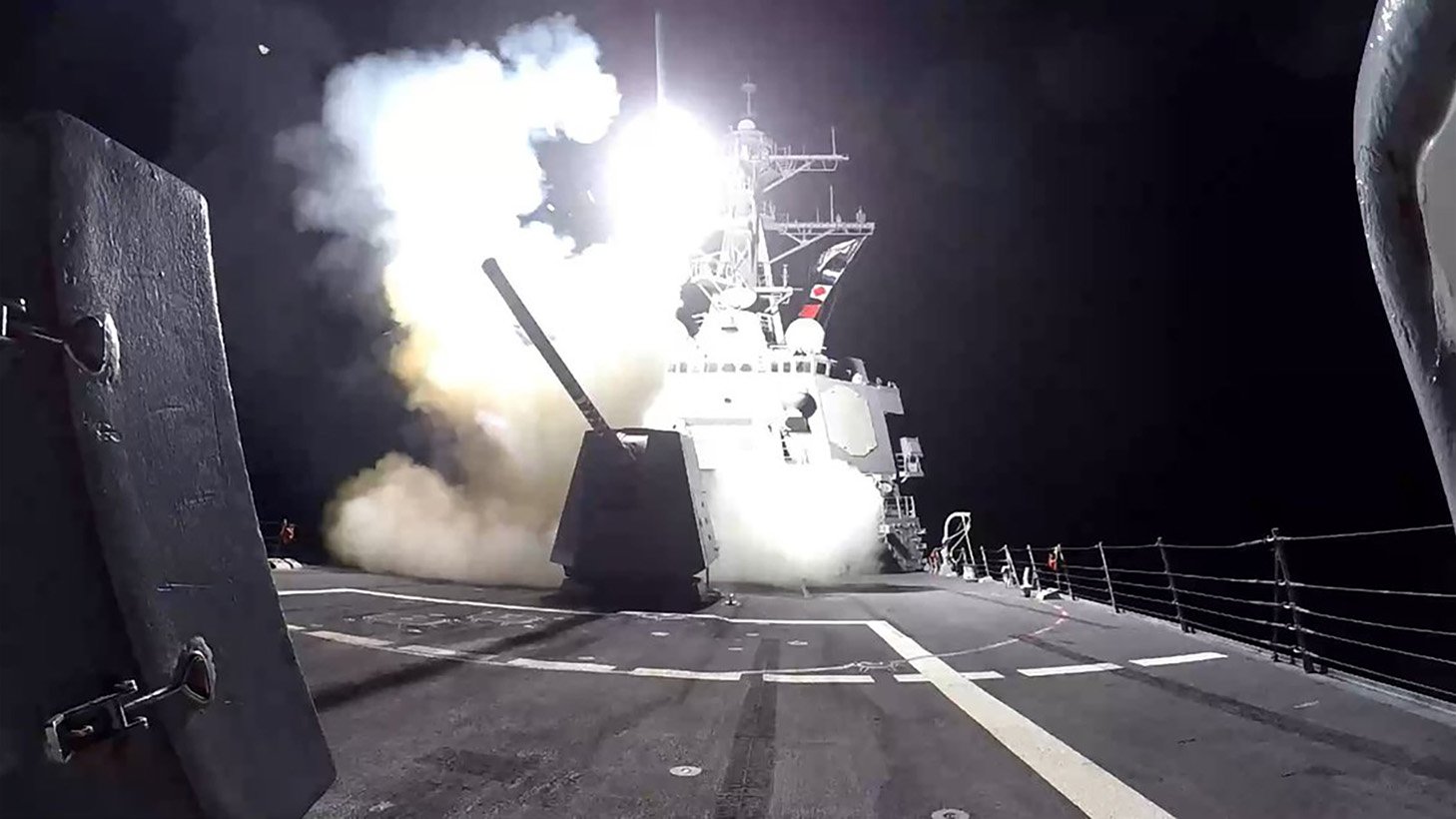
The US Navy's Arleigh Burke-class guided-missile destroyer, USS Carney, has recently engaged in combat against a mixture of anti-ship ballistic missiles and unmanned aerial vehicles launched by Iran-backed Houthi rebels in the Red Sea. This marks a significant moment as the Navy faces real-world applications of threats similar to those posed by China in the Pacific. These engagements are not only a test of the Navy's defense capabilities but also a learning experience for the crew aboard American warships.
The Growing Threat of Anti-Ship Ballistic Missiles
The use of anti-ship ballistic missiles, a weapon type that China could leverage in a potential Pacific conflict, is a concerning development for the US Navy. While the missiles used by Houthi rebels and China's arsenal vary in sophistication, the engagements provide invaluable combat experience. The US military's successful interception of these missiles highlights both the capability and readiness of naval forces to respond to such threats. These operations are pivotal in preparing the Navy for future confrontations, especially given China's significant investment in "ship-killer" missiles aimed at deterring US naval operations.
 
Strategic Implications and Future Preparedness
The encounters with Houthi-fired missiles offer a preview of the complexities involved in a potential maritime conflict with China. Although the technological gap between Houthi and Chinese missiles is significant, the experience gained in real combat situations is invaluable. The US Navy's ability to adapt and respond to these threats reinforces its preparedness for future challenges. Moreover, the strategic importance of these encounters cannot be understated as they contribute to the overall readiness of US naval forces to address sophisticated anti-ship capabilities, particularly those of a major power like China.
  • Text Only
Deadly Drone Attack Sparks US Retaliation
In a decisive response to a drone attack that resulted in the deaths of three US soldiers in Jordan, the United States military has launched a comprehensive series of air strikes against Iran-linked targets across Syria and Iraq. The attack, which also wounded around 40 other personnel, has heightened tensions in the region, prompting a stern warning from US President Joe Biden that the response from the US will be ongoing and determined.
Strategic Targets Hit in Syria and Iraq
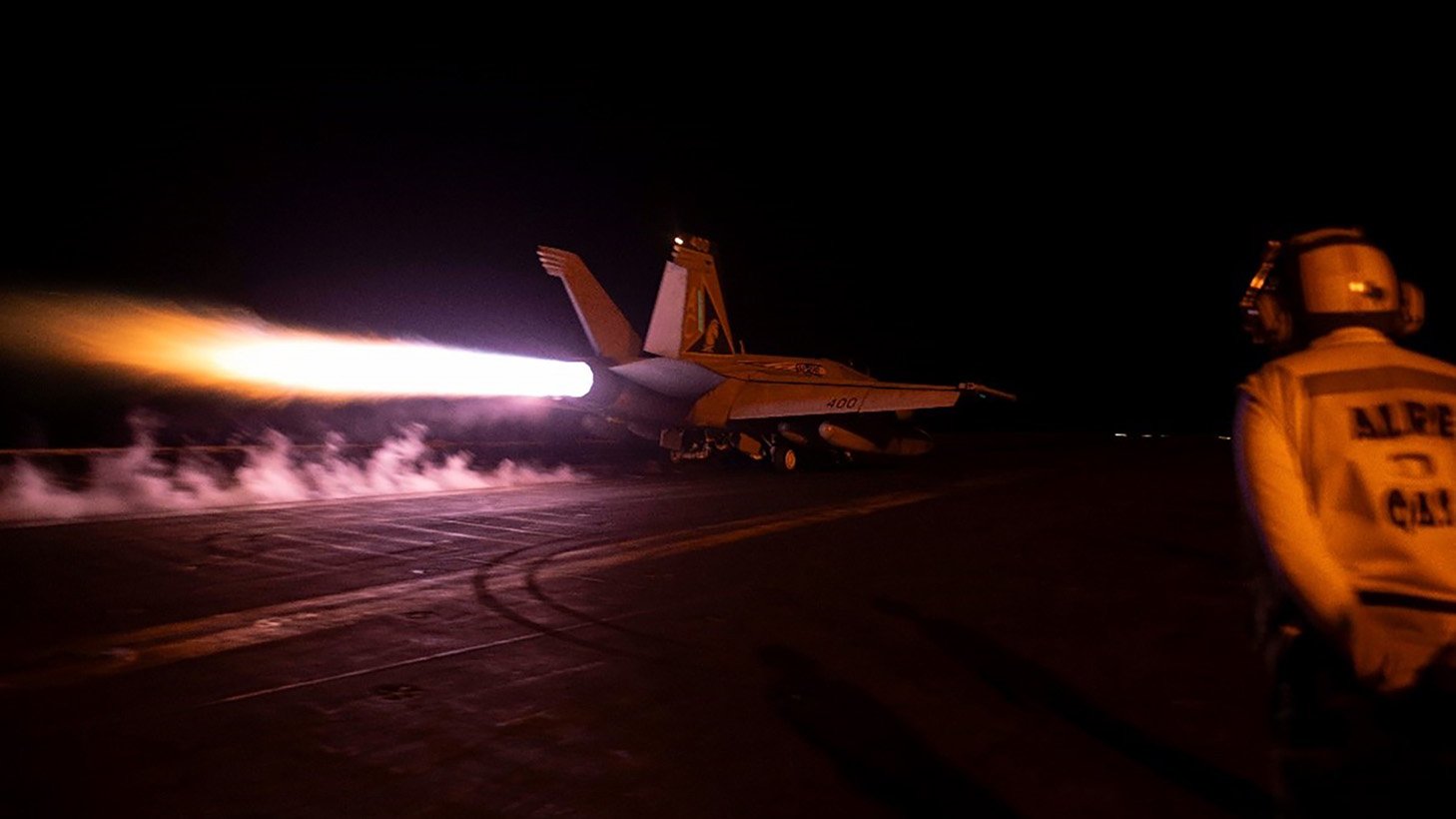
The US Central Command (CENTCOM) detailed that the operation involved more than 85 strategic targets within Syria and Iraq, utilizing a variety of aircraft including long-range bombers. The targets, linked to the Islamic Revolutionary Guards Corps (IRGC) and affiliated militias, comprised command centers, weapons storage sites, and intelligence operations, indicating a broad and focused attempt to disrupt the capabilities of these Iran-backed groups.
 
International Reactions and Future Implications
The strikes have elicited reactions from multiple fronts, including official condemnations from Iraq citing violations of its sovereignty and potential regional destabilization. Syrian state media and Iraqi military sources have reported casualties and damage, further complicating the geopolitical landscape. This military action, while significant, is seen by many as the initial phase of a multi-tiered US response, hinting at a complex and evolving strategy to address the threats posed by Iran-linked groups and safeguard US forces in the region.
The Path Forward
As the US navigates the aftermath of these strikes and their implications for Middle Eastern stability, President Biden has emphasized America's stance against conflict while also making it clear that harm against US citizens will not go unanswered. This incident and the US response underscore the volatile nature of regional dynamics and the challenges in balancing deterrence with the desire for peace. The coming weeks are likely to reveal the broader ramifications of these actions on US relations with Middle Eastern countries and the ongoing conflict in Gaza.
  • Text Only
Accelerating Modernization
Northrop Grumman has marked a significant milestone in U.S. military modernization by delivering the first production unit of the Integrated Battle Command System (IBCS) to the U.S. Army. This delivery, made on December 19, 2023, comprises an Integrated Collaborative Environment (ICE), a critical component designed to enhance air and missile defense operations. The company is on track to expedite further deliveries in early 2024, aligning with the Army's ambitious modernization timeline.
Enhancing Warfighter Capabilities
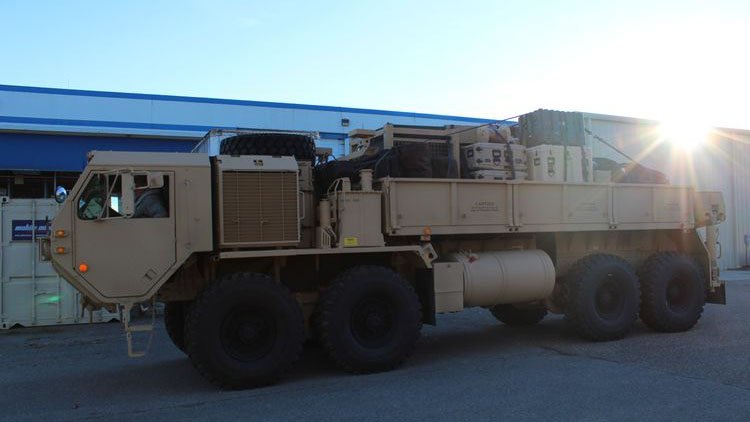
The ICE, a state-of-the-art, interference-protected shelter, houses battle management workstations, enabling warfighters to conduct comprehensive air and missile defense planning and operations. This delivery is part of a broader effort under the Low-Rate Initial Production award, where Northrop Grumman is committed to manufacturing essential IBCS components and providing extensive engineering and logistics support. Future deliveries will include Engagement Operation Centers and Integrated Fire Control Network relays, further augmenting the Army's defense infrastructure.
Revolutionizing the Battlespace
The IBCS represents a paradigm shift in air and missile defense, integrating existing and future assets into a unified command and control system. This system enhances decision-making, situational awareness, and operational security through a modular, open architecture that networks any sensor to any shooter. Successfully demonstrated in multiple tests, the IBCS has proven its capability to deliver actionable fire control data across joint networks, significantly reducing mission risk while maintaining operational overmatch.
Operational Readiness and Global Deployment
Following its approval for full-rate production and initial operational capability achievement in 2023, the IBCS is set to be deployed across operational air defense units according to the Army's fielding schedule. This system is not only vital for the U.S. Army's air and missile defense strategy but is also being implemented in Poland, highlighting its significance in multi-domain, multi-national defense efforts.
About Northrop Grumman
As a leading force in aerospace and defense technology, Northrop Grumman is committed to providing innovative solutions that connect and protect the world. With a focus on customer-centric problem-solving, the company's global team strives to define the boundaries of technology and exploration, ensuring readiness for the challenges of tomorrow.
  • Text Only
Strategic Rotations to Enhance NATO Support
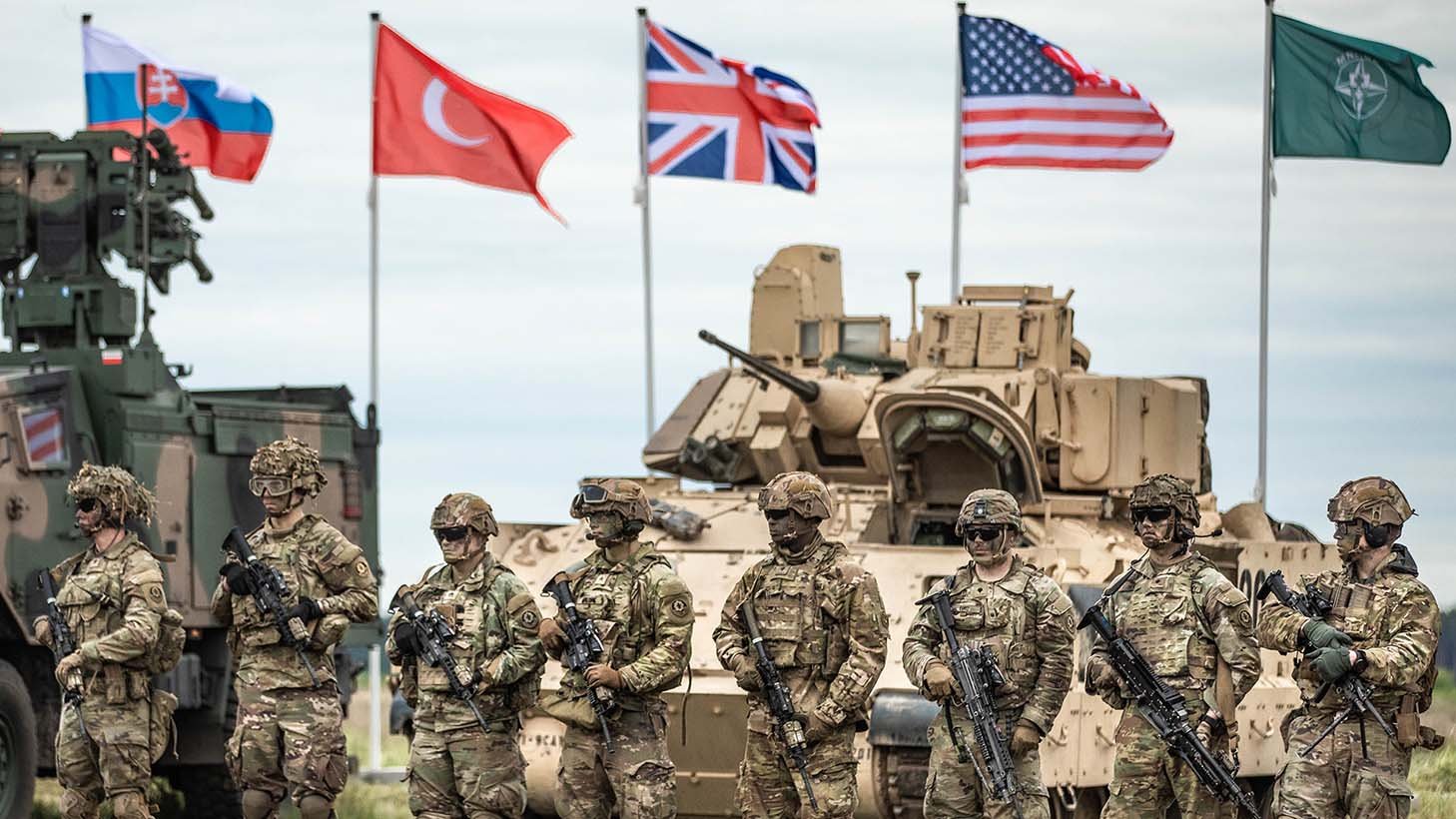
In a concerted effort to bolster NATO forces and ensure a sustained U.S. military presence in Europe, several units will undergo rotations. Notably, the 1st Cavalry Division Headquarters is set to take over responsibilities from the 3rd Infantry Division Headquarters. This change is part of a broader strategy to maintain a robust U.S. military support system for NATO. Similar rotations will see the 1st Cavalry Division Artillery and the 1st Armored Brigade Combat Team, 1st Cavalry Division, replacing their 3rd Infantry Division counterparts. Furthermore, the 3rd Armored Brigade Combat Team, 4th Infantry Division, is scheduled to replace the 2nd Armored Brigade Combat Team, 1st Armored Division, marking a significant reshuffling of forces dedicated to European security.
CENTCOM and Europe Assignments
The deployments span both CENTCOM and European territories, with specific units earmarked for each region. The 10th Mountain Division Combat Aviation Brigade is slated to replace the 82nd Airborne Division Combat Aviation Brigade in a CENTCOM assignment, highlighting the U.S. Army's commitment to maintaining a versatile and responsive aerial combat capability in critical operational theaters.
Comprehensive Support for NATO Missions
The deployments also emphasize the U.S. Army's comprehensive approach to supporting NATO missions, with both combat and support brigades being rotated. The 1st Cavalry Division Combat Aviation Brigade will take over from the 1st Infantry Division Combat Aviation Brigade in Europe, ensuring continuity in aerial support for NATO forces. Additionally, the 1st Cavalry Division Sustainment Brigade is set to replace the 3rd Infantry Division Sustainment Brigade, underscoring the importance of logistical and sustainment operations in maintaining the effectiveness of NATO deployments.
Deployment Schedule
Scheduled between April and June, these deployments underscore the U.S. Army's strategic foresight and commitment to fulfilling its obligations to NATO and maintaining stability in regions under CENTCOM's purview. The planned rotations reflect a balanced approach to addressing the dynamic challenges faced in these strategic areas, ensuring that U.S. and allied forces remain well-equipped and prepared to respond to any contingencies.
  • Text Only
Destruction of Russian Missile Corvette 
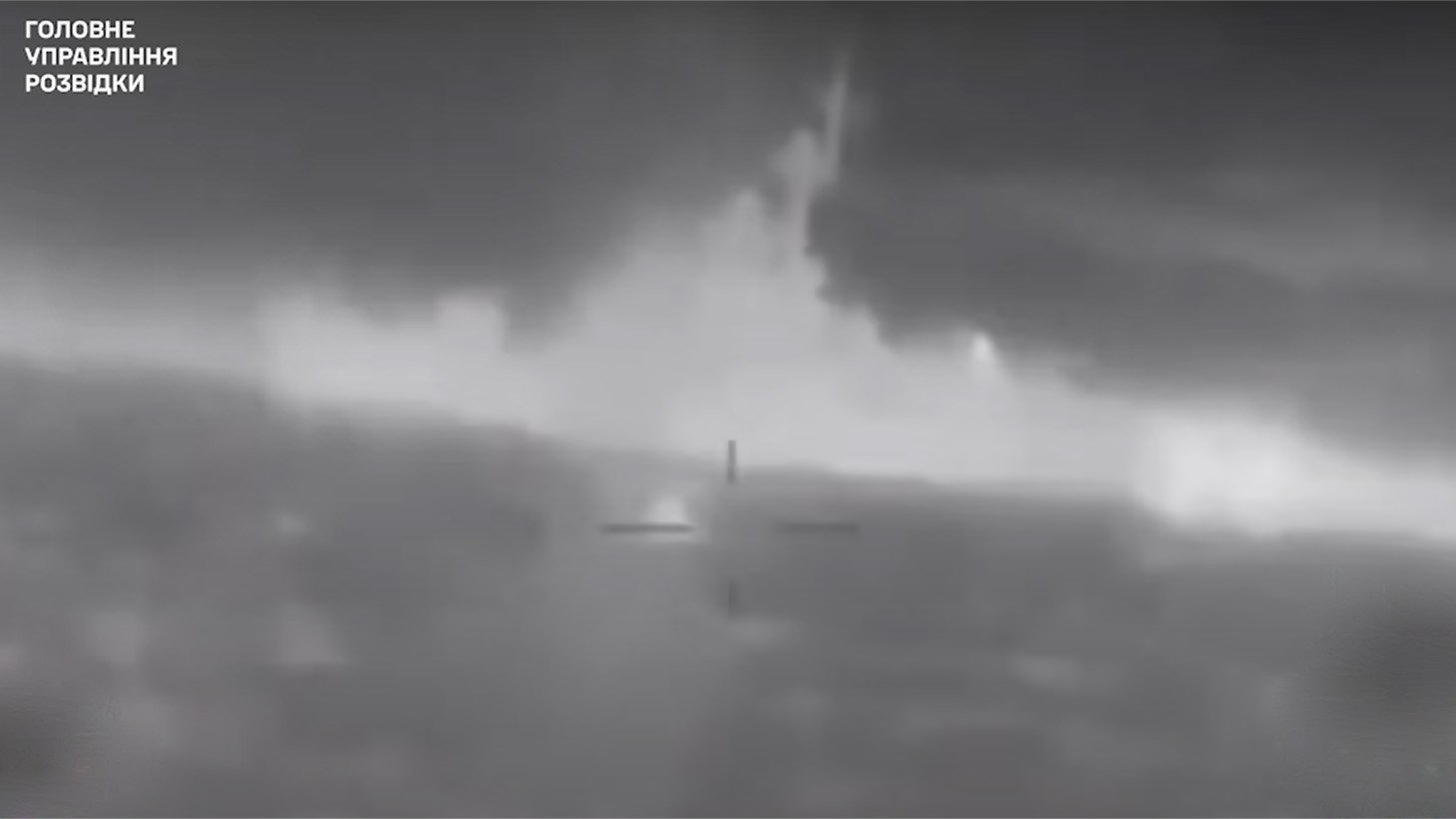
Ukraine has struck a major blow against Russia's Black Sea Fleet, sinking the missile corvette Ivanovets in a daring drone attack. Ukraine's military intelligence agency released footage showing the Russian Tarantul-III class ship exploding massively and sinking while docked at the Donuzlav Lake base in occupied Crimea.
Multiple Kamikaze Drone Hits
According to Ukraine's Defense Intelligence Directorate (GUR), the attack was carried out using multiple kamikaze drone boats loaded with explosives. The drones directly struck the hull of the Ivanovets, causing catastrophic damage. One drone reportedly hit near the ship's deadly P-270 Moskit anti-ship missiles. 
Massive Detonations Doomed Vessel
The massive detonations from the drones and explosion of the ship's own missiles sealed the fate of the Ivanovets. Each P-270 Moskit missile weighs around 4 tons fully fueled and armed. Such a large blast at close range left the vessel no chance of surviving the strikes.
Largest Naval Attack in Months 
This audacious Ukrainian drone attack represents the most significant strike against the Russian navy in months. The sinking of the Ivanovets corvette delivers a major blow to Russia's Black Sea capabilities amid its stalled invasion of Ukraine. The daring raid demonstrated Ukraine's resolve and innovative asymmetric tactics for countering Russia's naval forces.
  • Text Only
A New Era in Satellite Servicing
Northrop Grumman has achieved a significant milestone in the field of satellite technology. The U.S. Space Force’s Space Systems Command has officially selected Northrop Grumman’s Passive Refueling Module (PRM) as the preferred standard for refueling U.S. military satellites. This decision paves the way for more advanced in-orbit satellite servicing operations. The PRM, equipped with a docking mechanism, allows an orbital refueling vehicle to transfer propellant to satellites, extending their operational lifespan. This groundbreaking technology represents a key advancement in the domain of space exploration and satellite maintenance.
Expanding Horizons with Orbital Fuel Tanker
Alongside the adoption of PRM, Northrop Grumman is also developing an orbital fuel tanker for geosynchronous orbit missions, backed by the Space Systems Command. This tanker, named Geosynchronous Auxiliary Support Tanker (GAS-T), aims to carry up to 1,000 kilograms of hydrazine fuel for on-demand delivery to client satellites. This initiative underscores Northrop Grumman’s commitment to pioneering satellite servicing solutions and marks a new chapter in space logistics and maintenance.
Setting Industry Standards and Future Collaborations
The adoption of Northrop Grumman’s PRM and the development of the GAS-T tanker are expected to significantly influence the nascent satellite refueling industry. By establishing a preferred system, the Space Force is setting a benchmark for future satellite servicing operations. The technical specifications of the PRM will be made publicly available, fostering industry-wide collaboration and standardization. Moreover, the GAS-T tanker, with its innovative design and capabilities, is poised to serve as a pathfinder for future satellite refueling missions, driving the industry towards more efficient and sustainable space operations.
  • Text Only
Introduction of a Groundbreaking Arctic-Focused Doctrine
For the first time in over fifty years, the U.S. Army is developing a specialized doctrine dedicated to operations in the Arctic and extreme cold weather environments. The new doctrine, titled "Arctic and Extreme Cold Weather Operations" and designated as Army Techniques Publication 3-90.96, is scheduled for release in mid-2024. This groundbreaking manual is designed to provide Soldiers and leaders with essential knowledge and techniques for effective operation in harsh Arctic conditions, including temperatures as low as minus 40 degrees Fahrenheit. This initiative reflects the Army's recognition of the strategic importance of the Arctic, particularly as climate change makes the region more accessible.
Adapting to Unique Arctic Challenges
The new doctrine will focus on tactical aspects, helping Soldiers adapt their existing skills to the unique challenges of the Arctic and Subarctic regions. It addresses various distinctive and sometimes counterintuitive elements of Arctic operations, such as the impact of prolonged darkness in December, the unreliability of GPS and satellite navigation due to solar storms, and the increased fragility of materials like metals and plastics in extreme cold. Additionally, it highlights how batteries are less effective in such frigid conditions. The doctrine aims to consolidate fragmented knowledge about cold weather operations across the Army, transforming individual and unit experiences into a comprehensive resource.
Collaboration and Validation of the Doctrine
The Combined Arms Doctrine Directorate (CADD) Special Doctrine Division, the authority on cold weather operations, has been extensively researching and developing this doctrine. They've been training at the Northern Warfare Training Center, reviewing historical records, and consulting with Arctic nations such as Canada, Norway, Finland, Sweden, and Denmark. The 11th Airborne Division in Alaska, known for its cold weather expertise, has significantly contributed to the doctrine's development by providing subject matter expertise and reviewing revisions. The upcoming Joint Pacific Multinational Readiness Center exercise involving the 11th Airborne Division will serve as a crucial validation step for the doctrine. This exercise will simulate large-scale combat scenarios in cold environments, providing immediate feedback to refine the doctrine further. This collaborative approach ensures the U.S. Army remains prepared and capable of succeeding in Arctic warfare, drawing inspiration from indigenous communities in Alaska who have thrived in such conditions for millennia.
  • Text Only
Deployment of Ground-Based Combat Drones
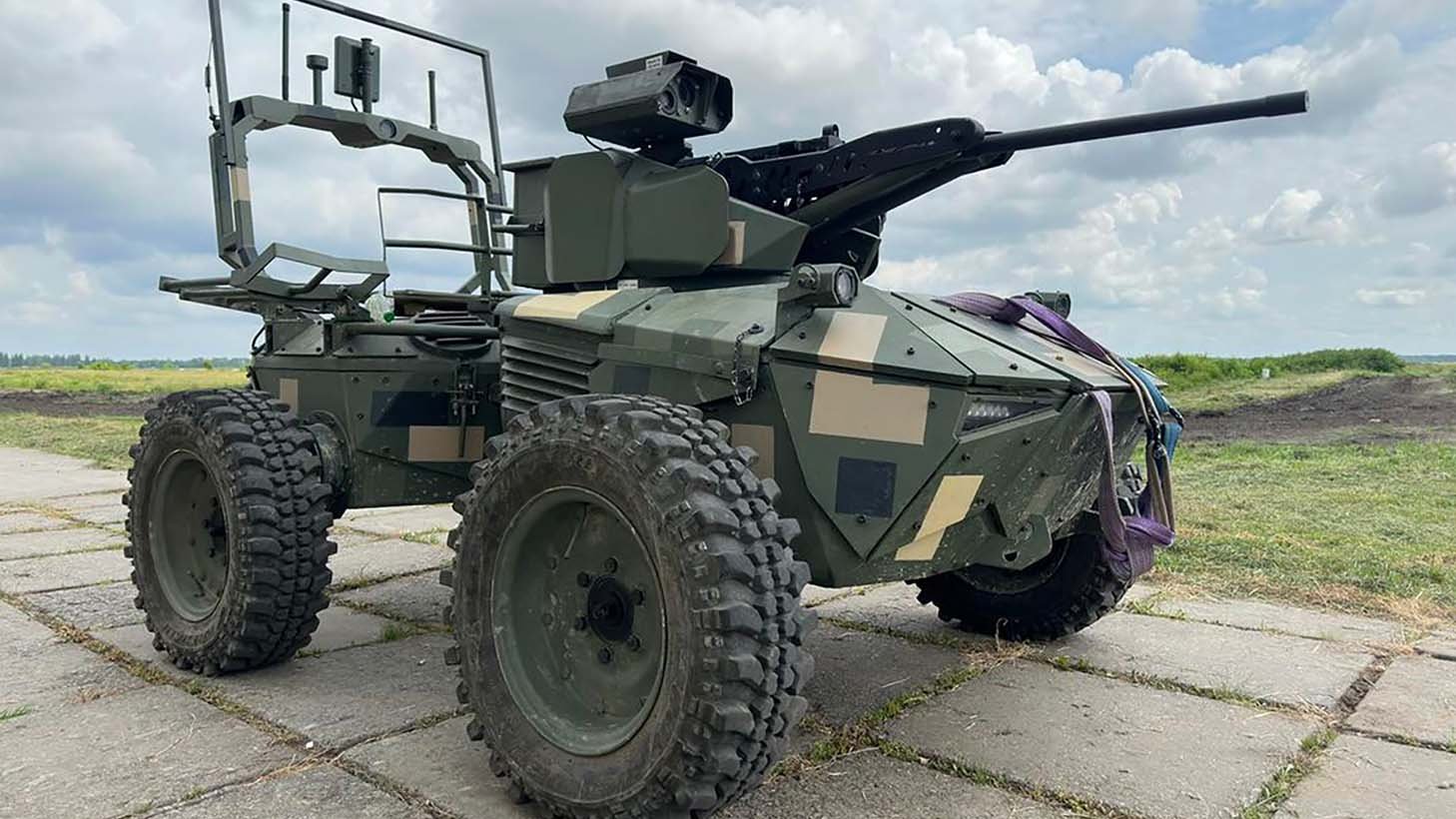
Per a report by Newsweek, Ukraine is deploying a range of unmanned ground vehicles (UGVs) on the front lines in its ongoing conflict with Russian forces. These include advanced combat robots equipped with machine guns, designed to engage directly in firefights. This development is part of Ukraine's broader investment in unmanned technology, which has been pivotal in the conflict. The use of these UGVs aims to minimize the risk to Ukrainian soldiers and increase the effectiveness of their military operations against Russian assets.
The "Ironclad" Robot and Its Capabilities
A standout in Ukraine's fleet of ground robots is the "Ironclad" unmanned robot, designed for combat missions. Mykhailo Fedorov, Ukraine's digital transformation minister, has highlighted the robot's role in frontline combat. The Ironclad is equipped with a robotic combat turret and can perform various tasks, including assaulting enemy positions, reconnaissance, and providing fire support. It operates at speeds up to 12 miles per hour and is remotely controlled from safe locations, significantly reducing the risk to Ukrainian troops. Besides the Ironclad, Ukraine is also testing 25 other types of combat robots, including kamikaze robots, as part of its strategy to enhance its ground-based unmanned capabilities.
Ukraine's "Army of Robots" and Future Developments
Ukraine has unveiled plans for an "Army of Robots," a ground-based counterpart to its successful "Army of Drones." This initiative includes various types of UGVs, with the goal of replacing human soldiers in high-risk combat scenarios. Samuel Bendett of the Center for Naval Analyses notes that both Ukraine and Russia are developing small, rudimentary UGVs that can perform simple missions such as advancing on enemy positions and revealing their locations for subsequent strikes. These UGVs often work in tandem with aerial drones to identify and strike targets effectively. The use of UGVs in Ukraine's military strategy reflects a growing trend in modern warfare, where unmanned systems play a crucial role in enhancing combat effectiveness and reducing troop casualties.
  • Text Only
Enhancing Ukraine's Defense with Greek Military Aid
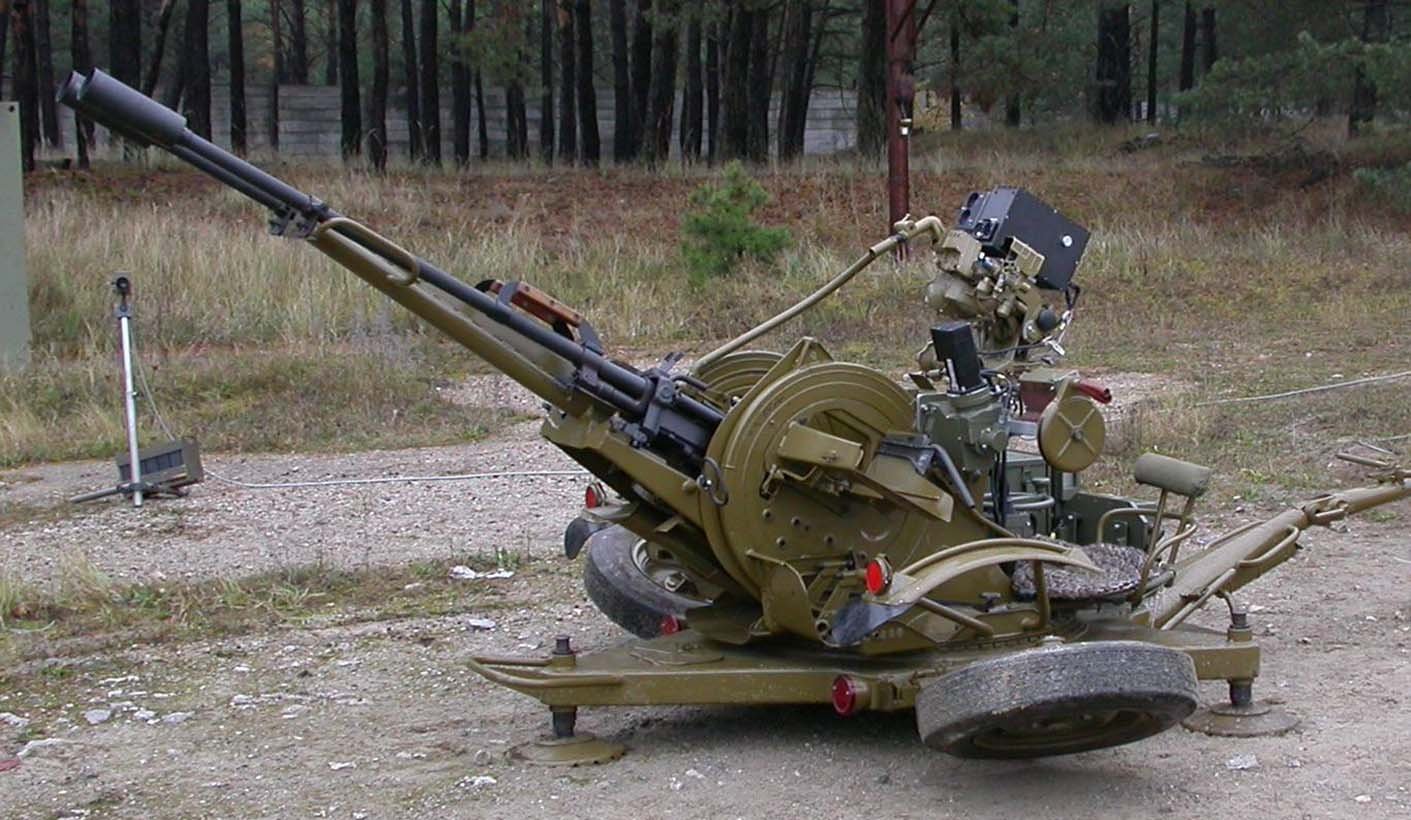
Greece has taken a significant step in supporting Ukraine amid the ongoing conflict by supplying outdated weapons systems from its arsenal. This gesture aligns with Greece’s strategic aim of modernizing its military capabilities while aiding Ukraine in its defense against aggression. The Greek government's decision to transfer older weapons systems, which are no longer pivotal to its current defense strategy, underscores its commitment to assisting Ukraine. These contributions reflect Greece's stance within the NATO alliance and its dedication to supporting democracies under threat.
Major US-Greece Defense Collaboration
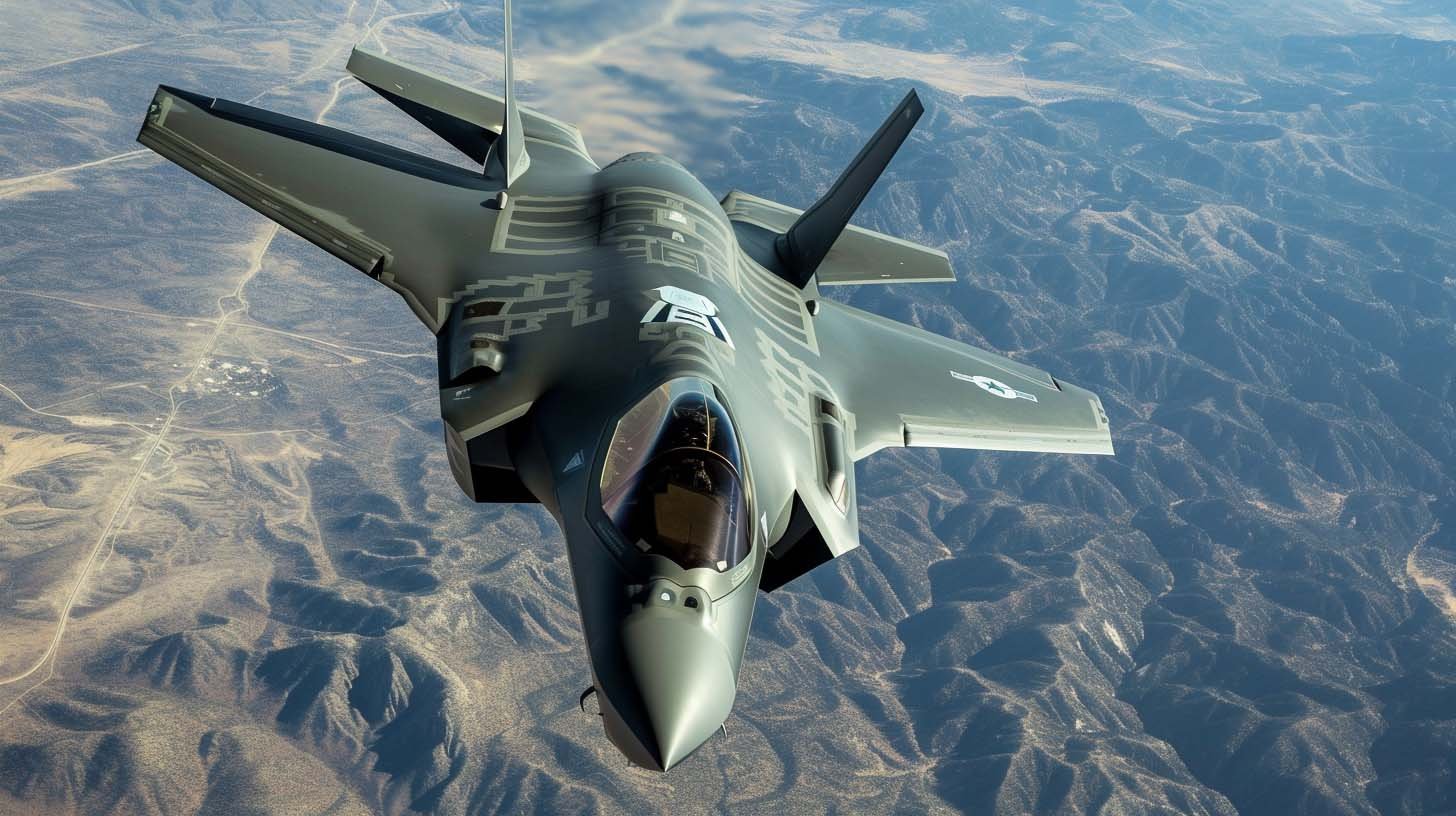
The announcement of Greece’s military aid to Ukraine coincides with a major defense deal with the United States per a report by Yahoo News. The US has approved a significant $8.6 billion sale of F-35 fighter jets to Greece, markedly enhancing the Hellenic Air Force's capabilities. Furthermore, as part of this defense agreement, the US is providing an additional $200 million in military aid to Greece, conditional on Greece’s military support to Ukraine. This deal represents a critical moment in US-Greek defense relations and highlights Greece’s strategic role in regional security and NATO.
Implications and Dynamics of International Military Aid
Greece’s decision to provide military aid to Ukraine while upgrading its defense forces through the acquisition of F-35 jets highlights the complexities of international military aid and defense procurement. The move demonstrates Greece’s ability to balance aiding Ukraine, advancing its military modernization, and maintaining its status as a vital NATO member. It also emphasizes the intricate interplay of diplomacy, defense strategies, and international solidarity in addressing global conflicts. 
Since the onset of the conflict in Ukraine, Greece has supplied a range of combat vehicles and weapons, including BMP-1A1 infantry fighting vehicles and RPG-18s. Furthermore, Greece plans to deliver additional BMP-1A1 IFVs, various ammunition types, and small arms. In addition to equipment, Greece is contributing to the training of Ukrainian military personnel, including pilots and special forces, and providing medical aid for the rehabilitation of wounded Ukrainian soldiers.
The possession of Russian military weapons by Greece reflects historical, cultural, and geopolitical factors, including the shared Orthodox Christian heritage between Greece and Russia. The Greek armed forces' arsenal includes Russian systems like the S-300 PMU1 air defense system, TOR-M1, and SA-8 Gecko air defense missile systems, as well as Kornet and Konkurs anti-tank missile systems. If delivered to Ukraine, these weapons could offer strategic advantages due to their familiarity in Eastern European and former Soviet bloc countries, bolstering Ukraine's air defense and anti-armor capabilities.
  • Text Only
Substantial Increase Driven by Ukraine Conflict
According to a report by Politico, in 2023, the United States witnessed a remarkable surge in its weapons sales abroad, reaching an all-time high of $238 billion. This substantial increase, representing a 56% rise from the previous year, was largely fueled by the heightened demand following Russia's invasion of Ukraine. The US government itself directly negotiated sales worth $81 billion, while the remaining sales were direct transactions by US defense companies with foreign nations. This surge in arms sales underscores the US's dominant position in the global arms market, especially during times of international conflict.
Major Purchases by European Allies
Among the key purchasers, Poland stood out with significant investments in expanding its military arsenal. The country's procurement included Apache helicopters for $12 billion, High Mobility Artillery Rocket Systems (Himars) for $10 billion, M1A1 Abrams tanks worth $3.75 billion, and Integrated Air and Missile Defence Battle Command Systems for $4 billion. These purchases align with Prime Minister Donald Tusk’s commitment to continue the country's military modernization program. Other notable European buyers included Germany, which invested $8.5 billion in Chinook helicopters, Bulgaria's $1.5 billion expenditure on Stryker armored vehicles, Norway’s acquisition of multi-mission helicopters worth $1 billion, and the Czech Republic’s $5.6 billion purchase of F-35 jets and munitions.
Global Impact and Future Outlook
The US State Department highlighted the role of arms transfers and defense trade as vital foreign policy tools with significant implications for global security. The increase in sales is also attributed to several countries shifting away from Russian arms, traditionally the second-largest weapons seller globally. This shift is partly due to the declining capabilities of the Russian defense industry, as noted by Mira Resnick from the department's arms transfers office. Beyond Europe, other significant deals were made with South Korea, Australia, and Japan, indicating the global reach of US defense sales. The Biden administration views these sales as beneficial for the US economy, despite increasing debates among US lawmakers about continuing direct support to Ukraine. NATO Secretary General Jens Stoltenberg's upcoming visit to a Lockheed Martin missile facility further emphasizes the strategic importance of the US defense industry in international alliances.
  • Text Only
Deployment of New ACVs to Replace Decades-Old AAVs
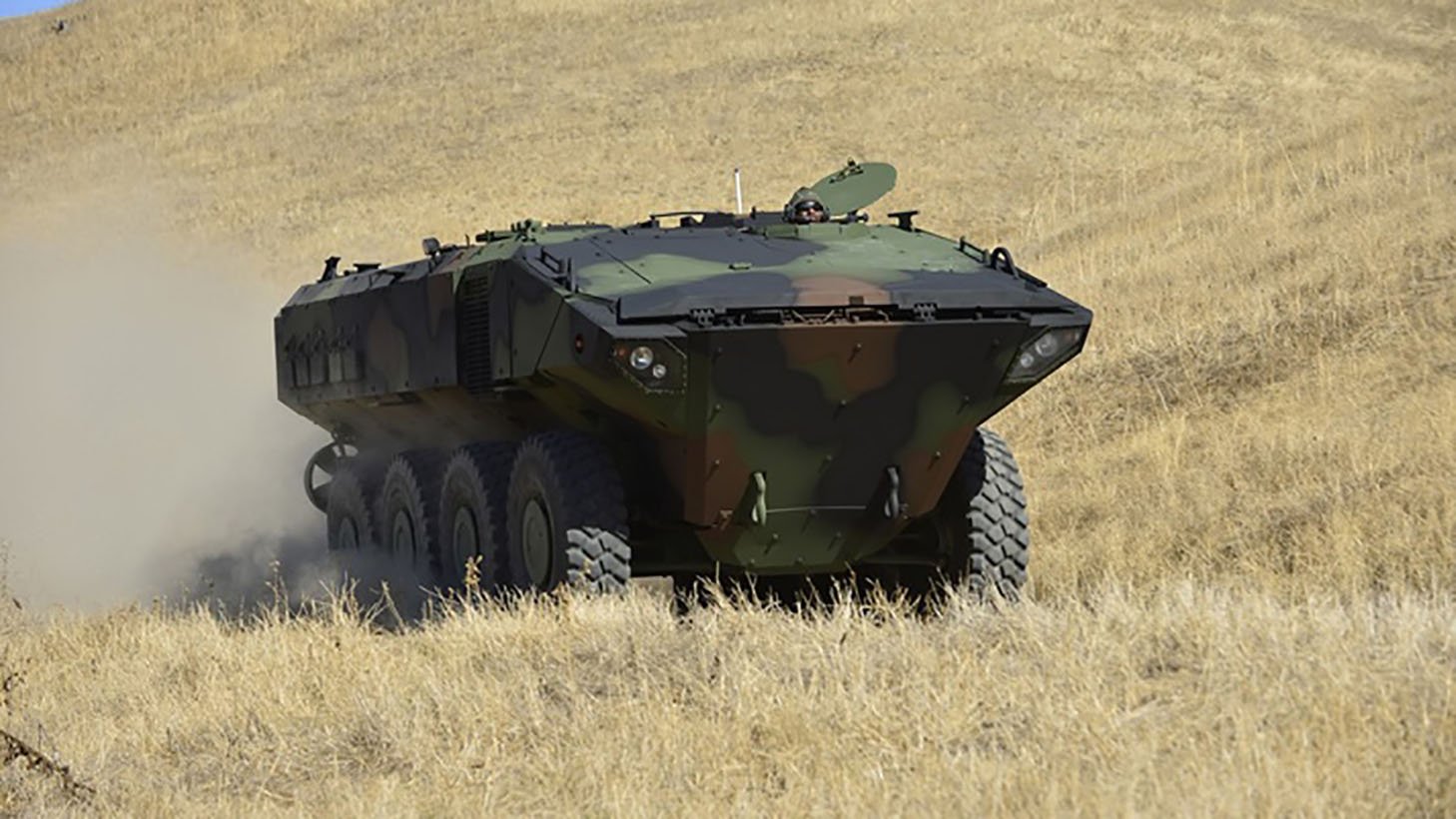
The U.S. Marine Corps is set to deploy new amphibious combat vehicles (ACVs), marking the first major update to their amphibious vehicle fleet in over fifty years. Assistant Commandant of the Marine Corps, General Chris Mahoney, indicated that these ACVs will soon join the 15th Marine Expeditionary Unit. These eight-wheeled armored vehicles are designed to replace the amphibious assault vehicles (AAVs) that have been in service since 1972. The ACVs have undergone operations in protected waters, and the Marine Corps is finalizing checklists and criteria for their use in unprotected waters, ensuring their readiness for a variety of sea conditions.
Advanced Features and Enhanced Capabilities of ACVs
The new ACVs boast significant advancements over their predecessors, the AAVs. They can travel up to 20 mph faster on land and provide triple the protection capability. Described as the "next-generation vehicle" by USNI News, these ACVs are engineered to efficiently transport Marines from ship to shore. The ACV program includes four variants: a personnel carrier, a command and control vehicle, a recovery vehicle, and a variant equipped with a 30-mm gun. These vehicles are expected to be deployed on the USS Boxer and USS Harpers Ferry, two amphibious warships operating in the Pacific Ocean, following the completion of ACV training.
Challenges and Safety Concerns in ACV Program
Despite the technological advancements, the Marine Corps' ACV program has faced several challenges, including safety incidents during training. In December, Sergeant Matthew Kylski lost his life in a rollover accident during ground training at Camp Pendleton, with fourteen other crew members injured. This incident led to a temporary pause in ACV operations in October 2022 following a separate rollover during offshore training, attributed to a mechanical malfunction. Additionally, open-water operations were halted in July 2022 after a high-surf incident caused one vehicle to roll over and another to become disabled, although no injuries were reported in this case. These incidents highlight the ongoing efforts to ensure the safety and reliability of the ACVs in various training and operational environments.
  • Text Only
Deadly Drone Strike on US Troops
A drone strike on a US military outpost in Jordan, close to the Syrian border, has tragically resulted in the deaths of three American service members and injuries to at least 30 others. This incident marks the first loss of US military lives in active combat since the onset of the Israel-Hamas conflict following the terror attack on October 7. The attack has been attributed to Iran-backed militant groups, escalating tensions in a region already fraught with conflict.
Political Reactions and Calls for Action
In response to the attack, US political leaders across the spectrum have expressed their condolences and outrage. Congressional leaders, including House Speaker Mike Johnson and House Minority Leader Hakeem Jeffries, have publicly mourned the loss and emphasized the need for a strong response to such aggression. Republican lawmakers, in particular, have criticized President Joe Biden's approach to Iran, urging more decisive action. Statements from key political figures, including Rep. Michael McCaul and Senate Minority Leader Mitch McConnell, suggest a growing consensus for a shift in US policy in the Middle East, advocating for a firmer stance to restore deterrence and protect national security interests.
Biden Administration's Response and Future Implications
In the wake of the attack, President Biden has acknowledged the bravery and commitment of the fallen service members and promised to hold those responsible accountable. The administration's response to this incident could have significant implications for US policy in the Middle East. Calls for direct action against Iran, particularly from influential figures like Sen. Lindsey Graham, indicate a potential escalation in the region. The administration's decision on how to respond will be closely watched, as it
  • Text Only
Deadly Attack Near Syrian Border
In a significant and tragic incident, a drone strike on a US military base in northeast Jordan, situated near the Syrian border, resulted in the deaths of three US soldiers. Additionally, 25 service members were injured in this unexpected attack. This incident is particularly notable as it marks the first occurrence of US military casualties in the Middle East since the escalation of hostilities between Israel and Hamas in Gaza.
President Biden Identifies Perpetrators
According to a report by Reuters, US President Joe Biden has attributed the attack to radical groups backed by Iran, operating within Syria and Iraq. The identification of these Iran-aligned militant groups as the assailants underscores the ongoing complexities and tensions in the region, involving various state and non-state actors.
Impact and Implications of the Attack
This drone strike not only represents a significant loss of life but also poses broader implications for US military operations and strategies in the Middle East. The attack brings to light the evolving nature of warfare in the region, particularly the increasing use of unmanned aerial vehicles (drones) in combat scenarios. The incident may prompt a reassessment of security measures at US military installations in the region and could influence future diplomatic and military responses by the United States and its allies in the context of their broader Middle East policy.
  • Text Only
Missile Attack on Russian Soldiers in Eastern Ukraine
Reports have emerged from Russian Telegram channels, known for their close ties to the Russian military, detailing a significant missile attack on a training camp in Russia-controlled eastern Ukraine. This incident, which occurred near the town of Pokrovka, close to Ilovaisk, took place on January 24th. At the time of the attack, Russian military personnel were engaged in training exercises at this location.
Details of the HIMARS System and Casualties
Sources linked to the Kremlin, including the ASTRA Telegram Channel, have indicated that the strike was likely conducted using the High Mobility Artillery Rocket System (HIMARS), a piece of military equipment supplied by the United States. This assault has reportedly led to numerous fatalities and injuries among the Russian soldiers present at the camp. Pro-Russian Telegram accounts have claimed that there were 24 fatalities and four injuries resulting from this attack. The training exercises being conducted are believed to have involved the operation of kamikaze drones.
Ukraine's Response to the Attack
As of the latest updates, Ukrainian officials have not officially acknowledged their involvement in this strike. The Ukrainian government has maintained a position of non-commentary regarding this particular incident. This lack of official confirmation leaves the details surrounding the attack, including the exact number of casualties and the specific nature of the training exercises, open to further clarification.
  • Text Only
Raytheon's Major Contract for Vehicle Upgrades
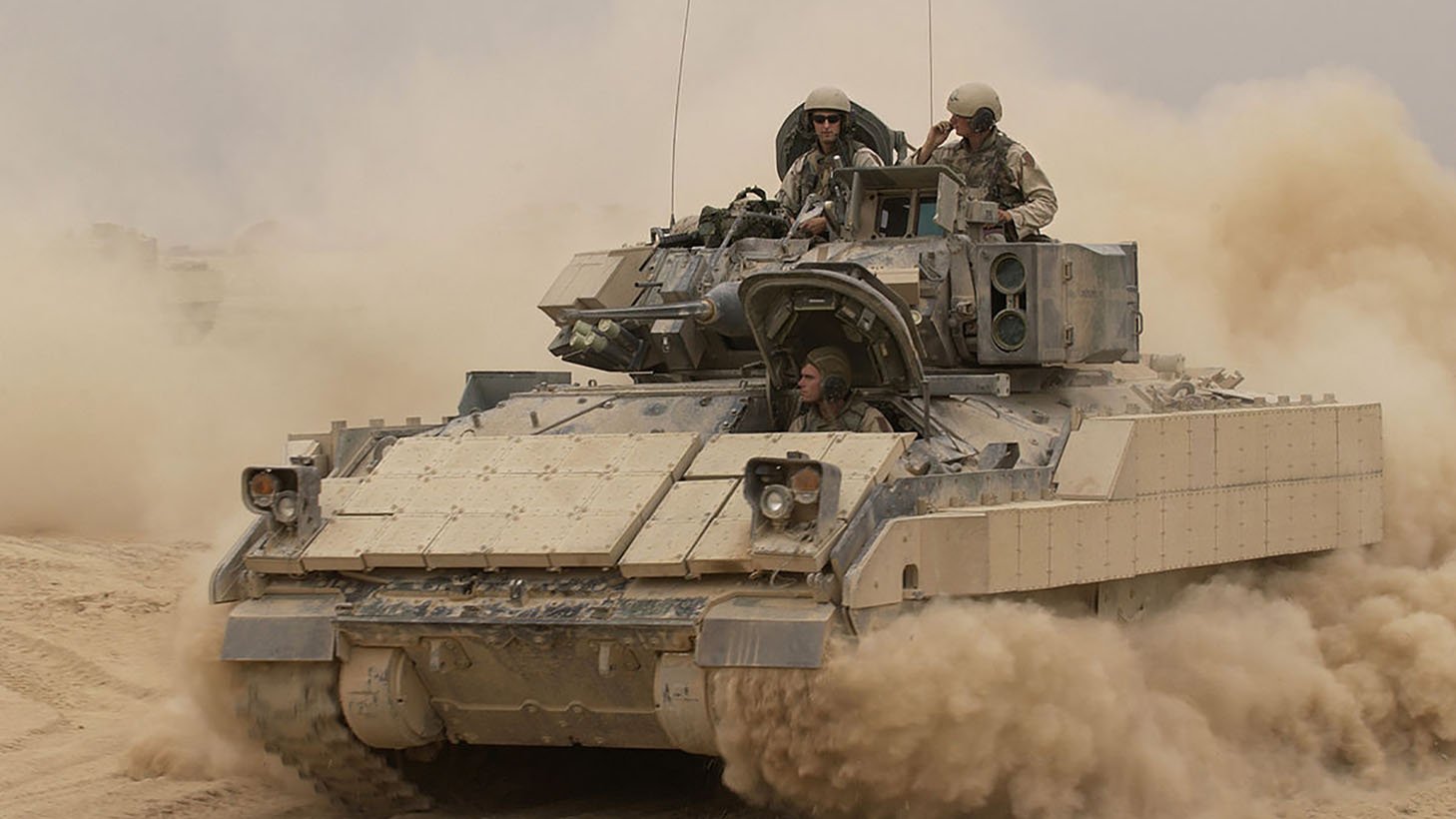
The United States Army has embarked on a significant enhancement of its Bradley Fighting Vehicle (BFV) fleet by awarding a $154 million contract to RTX's Raytheon. This contract aims to equip the BFVs with Raytheon's innovative Commander's Independent Viewer (CIV). The implementation of this technology is set to markedly improve the crew's battlefield awareness and overall effectiveness. The first delivery of these advanced systems is anticipated by June 2026, marking a substantial upgrade in the Army's vehicular capabilities.
Commander's Independent Viewer: Enhanced Battlefield Oversight
The CIV system represents a leap forward in battlefield technology. It provides a 360-degree view and targeting capabilities, utilizing sophisticated second-generation forward-looking infrared (FLIR) cameras and sensors. In a statement to Space Daily Bryan Rosselli, president of Advanced Products and Solutions at Raytheon, outlines that the CIV system combines multiple technologies to boost the survivability and battlefield performance of the Bradley Fighting Vehicle. Key features of the CIV include early threat detection, a panoramic view of the battlefield, and all-weather performance. These functionalities collectively enhance a vehicle commander's ability to locate, identify, and engage both stationary and moving targets under any conditions, be it day or night.
Production and Significance of the Bradley Fighting Vehicle
Raytheon plans to produce the CIV units in McKinney, Texas, known for its manufacturing and technological innovation. The Bradley Fighting Vehicle, developed initially by the FMC Corporation and now manufactured by BAE Systems Land & Armaments, is named after U.S. General Omar Bradley. It serves as a critical component in transporting infantry or scouts while providing armor protection and suppressing enemy forces. There are two main variants of the Bradley vehicle: the M2 Bradley infantry fighting vehicle and the M3 Bradley reconnaissance and infantry fighting vehicle. The M2 variant accommodates a crew of three and six soldiers, while the M3 variant is designed primarily for scout missions, carrying a standard crew and additional scout troopers and TOW missiles. The integration of the CIV system into Bradley Vehicles will significantly amplify the U.S. Army's reconnaissance, surveillance, and combat capabilities, keeping the army at the cutting edge of modern warfare technologies.
  • Text Only
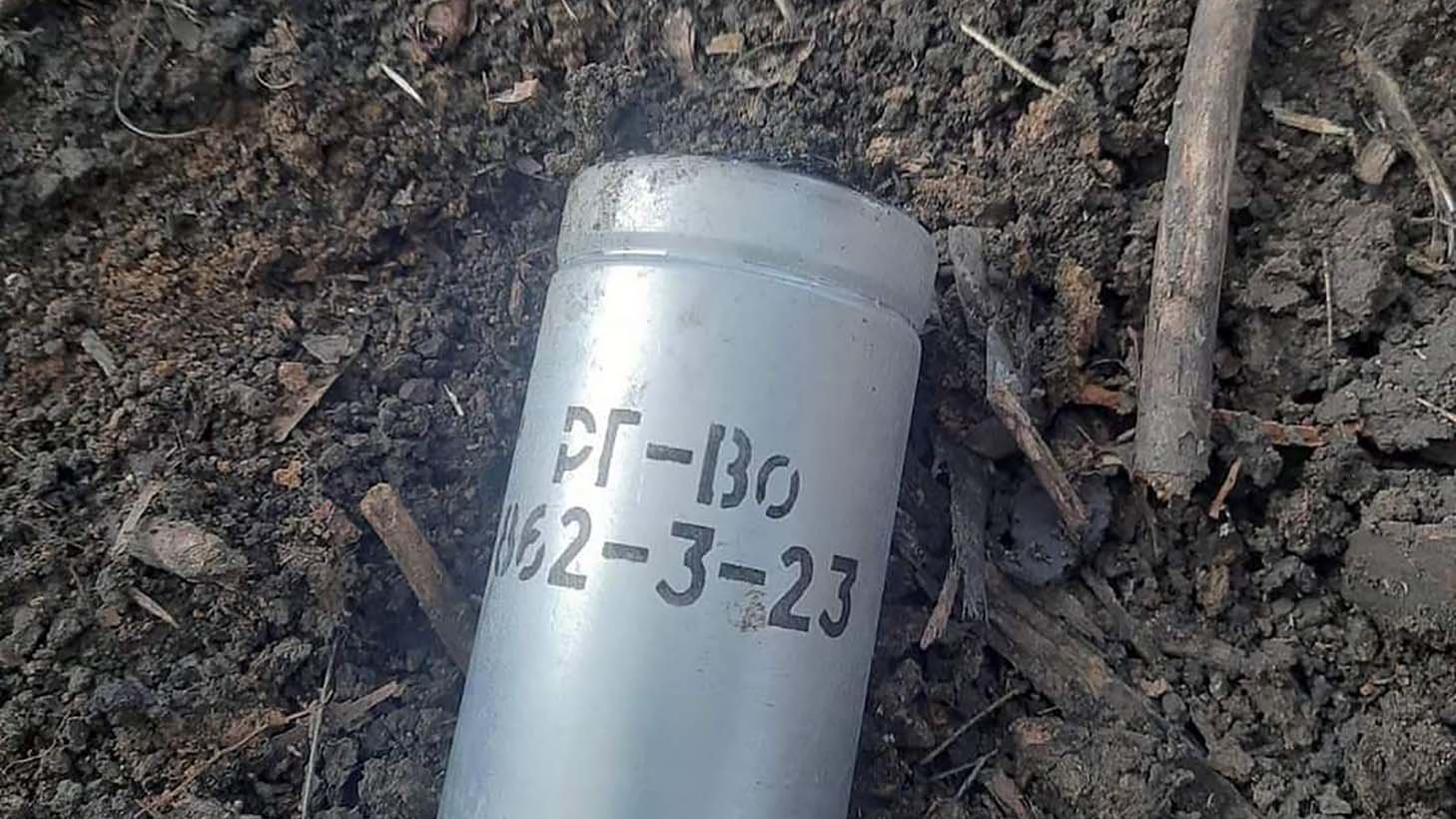
Introduction of RG-Vo Grenades with CN Agent
In a concerning development within the ongoing conflict, Russian military forces have reportedly started using a new type of special gas grenade, designated RG-Vo, against Ukrainian troops. These grenades are said to contain chloroacetophenone, a toxic chemical compound also known by its military designation, CN. This information comes from the Centre for Research on Trophy and Advanced Weapons and Military Equipment of the General Staff of the Ukrainian Armed Forces, with spokesperson Captain Andrii Rudyk providing insights into the usage of these chemical weapons.
Details on the Lethality of Chloroacetophenone
The use of chloroacetophenone in these grenades presents a grave threat due to its high toxicity. Captain Andrii Rudyk noted that this chemical agent is classified as a lacrimator or tear-producing agent, with a lethal dosage of 11 mg-min/m³. Just 70 drops of the gas are enough to be fatal to an adult. The substance is characterized by a sharp, irritating odor, sometimes likened to the smell of apple blossoms. The first reported use of these grenades by Russian forces against Ukrainian defenders occurred in December 2023.
Violation of International Agreements
The employment of chloroacetophenone by Russian forces raises significant legal and ethical concerns, as it contravenes several international treaties and resolutions. The Geneva Protocol of 1925 explicitly prohibited the use of asphyxiating, poisonous, or other gases in warfare, as well as bacteriological methods of warfare. Furthermore, the United Nations General Assembly resolution A/RES/2603 in 1969 also banned the use of such chemicals in combat. Despite being a signatory to both these documents, Russia's use of these toxic grenades marks a clear violation of international law. Captain Andrii Rudyk highlighted this breach, underscoring the seriousness of the situation. In December 2023 alone, 81 instances of the use of these toxic grenades by Russian forces were recorded.
  • Text Only
Introducing the H9 Pistol: A New Era for Daniel Defense
Daniel Defense, a renowned firearms manufacturer, has recently expanded its arsenal with the launch of its first-ever pistol, the H9. This significant development follows the company's acquisition and enhancement of a design originally created by Hudson. The H9 stands out with its low bore axis, which effectively minimizes muzzle rise and facilitates rapid, controlled follow-up shots. A notable feature of the H9 is its 1911-style trigger, which offers a straight pull complemented by a trigger safety blade. Additionally, the pistol is equipped with a reversible magazine release and a high-quality cold hammer-forged barrel, featuring a 1:10 twist rate. Customization is a key aspect of the H9, boasting a 7075 aluminum grip and compatibility with popular red dot optics. With a 15-round magazine capacity, the H9 positions itself as a strong competitor in the pistol market. 
H9 Pistol Specifications
The H9 comes with a set of impressive specifications, including a barrel length of 4.28 inches, an overall length of 7.69 inches, a height of 5.12 inches, and a slide width of 1.0 inch. Weighing in at 29.6 ounces with an unloaded magazine, the pistol maintains a compact and manageable profile. Daniel Defense has set the manufacturer’s suggested retail price (MSRP) for the H9 at $1,299, making it a premium offering in the handgun market.

DD PCC: A New Player in the Pistol Caliber Carbine Segment
Alongside the H9, Daniel Defense has also unveiled its Pistol Caliber Carbine (PCC), the DD PCC, at SHOT 2024. This innovative carbine operates on a blowback action and features a specially designed bolt group, integrated with a Kynshot hydraulic buffer to minimize recoil. The DD PCC will be available in two configurations: a standard model with a 16-inch barrel and a factory Short Barrel Rifle (SBR) version with an 8.5-inch barrel. Compatibility with CZ Scorpion Evo magazines and full ambidextrous controls highlight the PCC's versatility and user-friendliness. The carbine also features the Daniel Defense MFR M-LOK handguard, enhancing its adaptability and ease of use. While its exact market debut and price point are yet to be announced, Daniel Defense aims to offer the DD PCC around $2,000, positioning it competitively in the PCC market segment.
  • Text Only

Editorial Information

Advertisement

Advertisement

Important Information

We have placed cookies on your device to help make this website better. You can adjust your cookie settings, otherwise we'll assume you're okay to continue.

Account

Navigation

Search

Search

Configure browser push notifications

Chrome (Android)
  1. Tap the lock icon next to the address bar.
  2. Tap Permissions → Notifications.
  3. Adjust your preference.
Chrome (Desktop)
  1. Click the padlock icon in the address bar.
  2. Select Site settings.
  3. Find Notifications and adjust your preference.