Skip to content

Advertisement

Advertisement

Uncrowned Armory News

Introduction of a Groundbreaking Arctic-Focused Doctrine
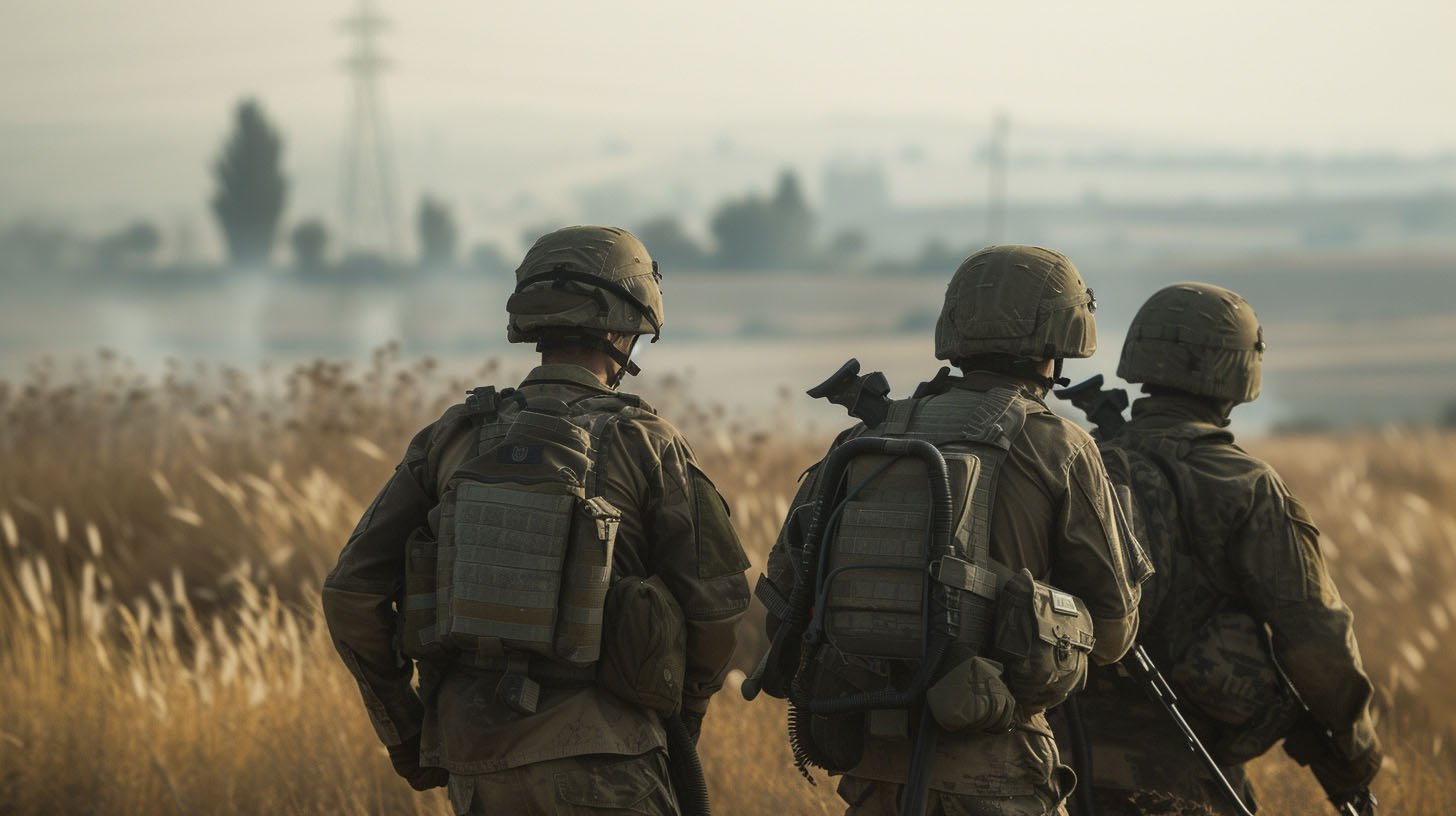
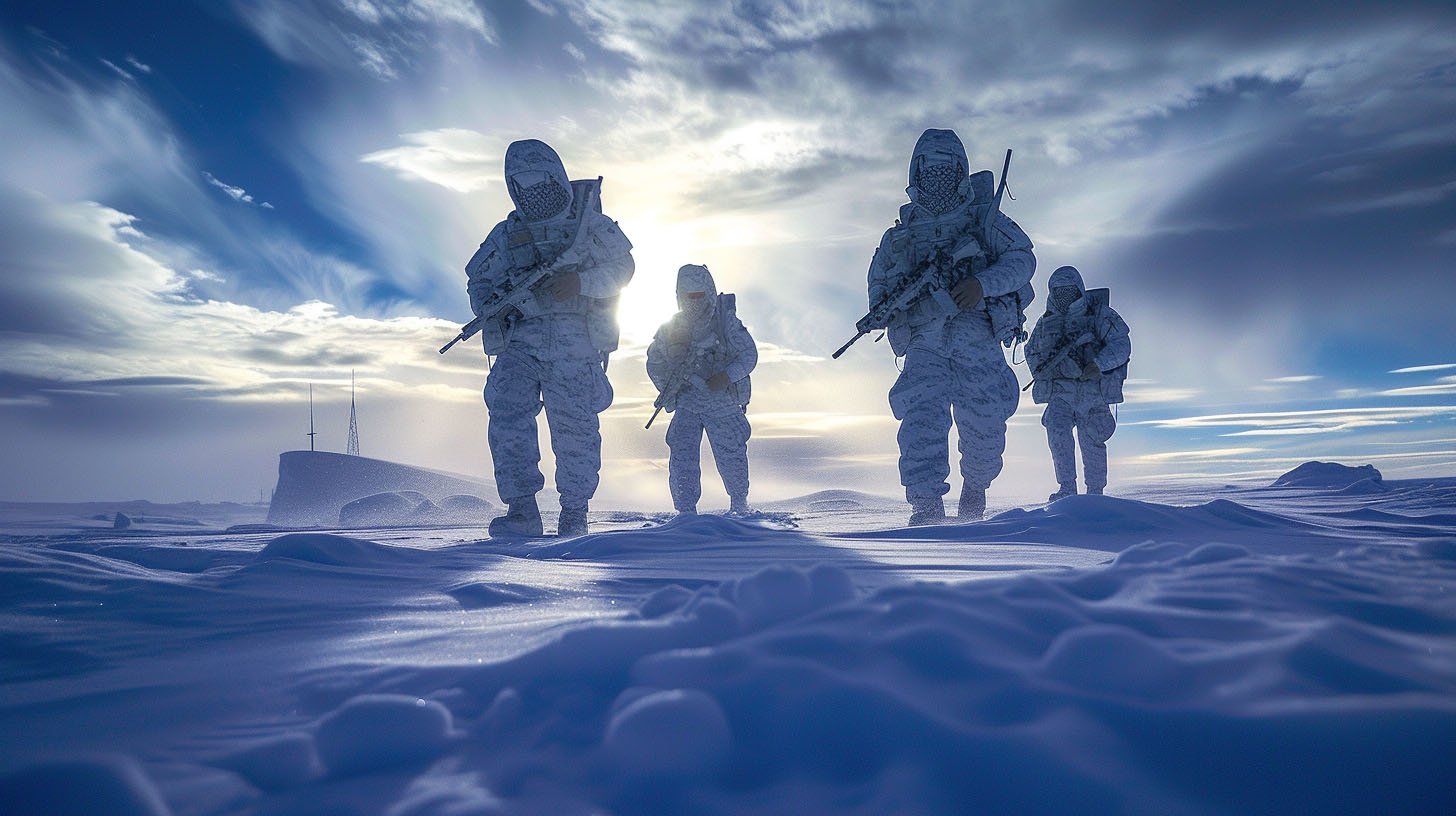
For the first time in over fifty years, the U.S. Army is developing a specialized doctrine dedicated to operations in the Arctic and extreme cold weather environments. The new doctrine, titled "Arctic and Extreme Cold Weather Operations" and designated as Army Techniques Publication 3-90.96, is scheduled for release in mid-2024. This groundbreaking manual is designed to provide Soldiers and leaders with essential knowledge and techniques for effective operation in harsh Arctic conditions, including temperatures as low as minus 40 degrees Fahrenheit. This initiative reflects the Army's recognition of the strategic importance of the Arctic, particularly as climate change makes the region more accessible.
Adapting to Unique Arctic Challenges
The new doctrine will focus on tactical aspects, helping Soldiers adapt their existing skills to the unique challenges of the Arctic and Subarctic regions. It addresses various distinctive and sometimes counterintuitive elements of Arctic operations, such as the impact of prolonged darkness in December, the unreliability of GPS and satellite navigation due to solar storms, and the increased fragility of materials like metals and plastics in extreme cold. Additionally, it highlights how batteries are less effective in such frigid conditions. The doctrine aims to consolidate fragmented knowledge about cold weather operations across the Army, transforming individual and unit experiences into a comprehensive resource.
Collaboration and Validation of the Doctrine
The Combined Arms Doctrine Directorate (CADD) Special Doctrine Division, the authority on cold weather operations, has been extensively researching and developing this doctrine. They've been training at the Northern Warfare Training Center, reviewing historical records, and consulting with Arctic nations such as Canada, Norway, Finland, Sweden, and Denmark. The 11th Airborne Division in Alaska, known for its cold weather expertise, has significantly contributed to the doctrine's development by providing subject matter expertise and reviewing revisions. The upcoming Joint Pacific Multinational Readiness Center exercise involving the 11th Airborne Division will serve as a crucial validation step for the doctrine. This exercise will simulate large-scale combat scenarios in cold environments, providing immediate feedback to refine the doctrine further. This collaborative approach ensures the U.S. Army remains prepared and capable of succeeding in Arctic warfare, drawing inspiration from indigenous communities in Alaska who have thrived in such conditions for millennia.
  • Text Only
Deployment of Ground-Based Combat Drones
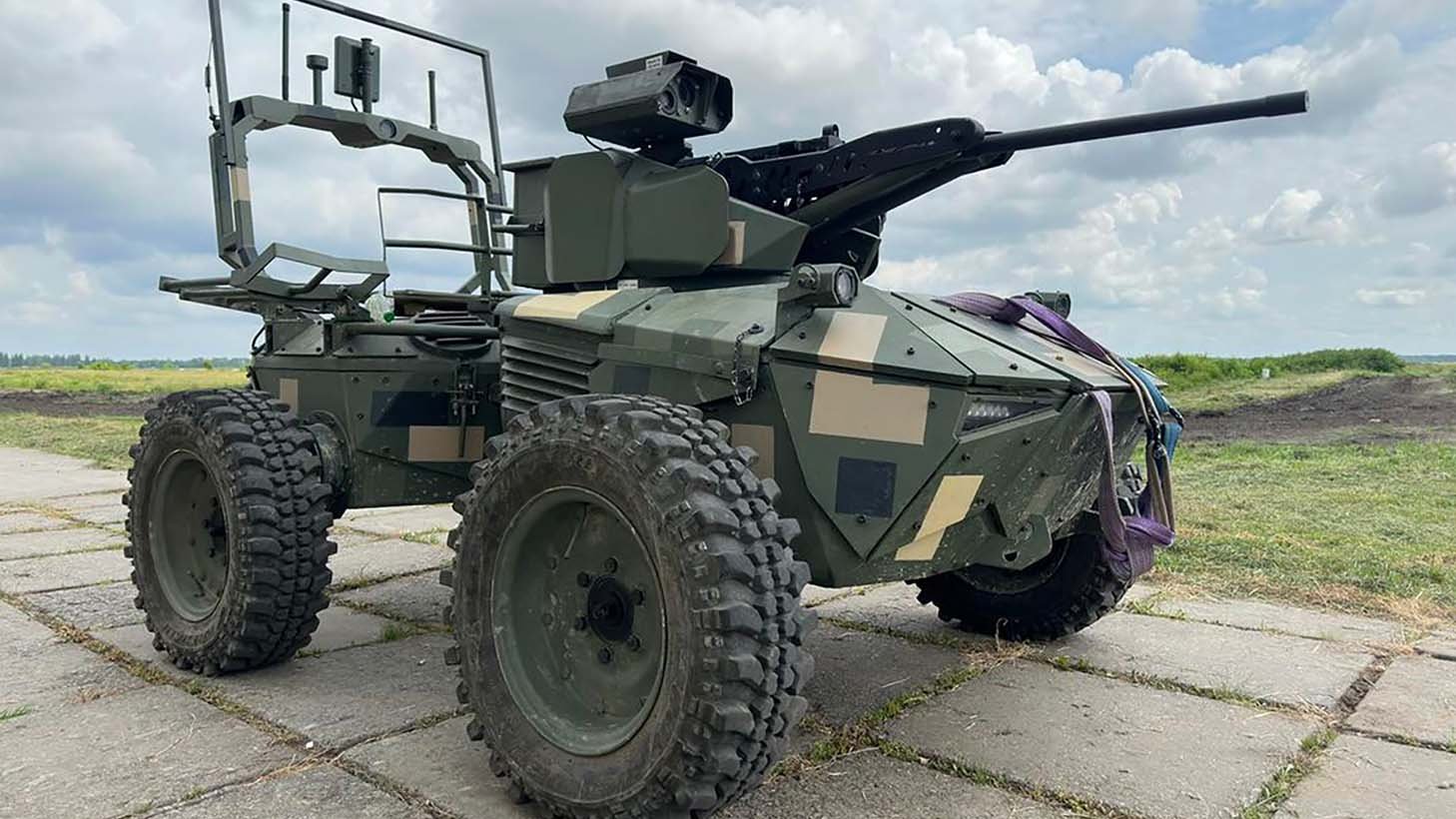
Per a report by Newsweek, Ukraine is deploying a range of unmanned ground vehicles (UGVs) on the front lines in its ongoing conflict with Russian forces. These include advanced combat robots equipped with machine guns, designed to engage directly in firefights. This development is part of Ukraine's broader investment in unmanned technology, which has been pivotal in the conflict. The use of these UGVs aims to minimize the risk to Ukrainian soldiers and increase the effectiveness of their military operations against Russian assets.
The "Ironclad" Robot and Its Capabilities
A standout in Ukraine's fleet of ground robots is the "Ironclad" unmanned robot, designed for combat missions. Mykhailo Fedorov, Ukraine's digital transformation minister, has highlighted the robot's role in frontline combat. The Ironclad is equipped with a robotic combat turret and can perform various tasks, including assaulting enemy positions, reconnaissance, and providing fire support. It operates at speeds up to 12 miles per hour and is remotely controlled from safe locations, significantly reducing the risk to Ukrainian troops. Besides the Ironclad, Ukraine is also testing 25 other types of combat robots, including kamikaze robots, as part of its strategy to enhance its ground-based unmanned capabilities.
Ukraine's "Army of Robots" and Future Developments
Ukraine has unveiled plans for an "Army of Robots," a ground-based counterpart to its successful "Army of Drones." This initiative includes various types of UGVs, with the goal of replacing human soldiers in high-risk combat scenarios. Samuel Bendett of the Center for Naval Analyses notes that both Ukraine and Russia are developing small, rudimentary UGVs that can perform simple missions such as advancing on enemy positions and revealing their locations for subsequent strikes. These UGVs often work in tandem with aerial drones to identify and strike targets effectively. The use of UGVs in Ukraine's military strategy reflects a growing trend in modern warfare, where unmanned systems play a crucial role in enhancing combat effectiveness and reducing troop casualties.
  • Text Only
Enhancing Ukraine's Defense with Greek Military Aid
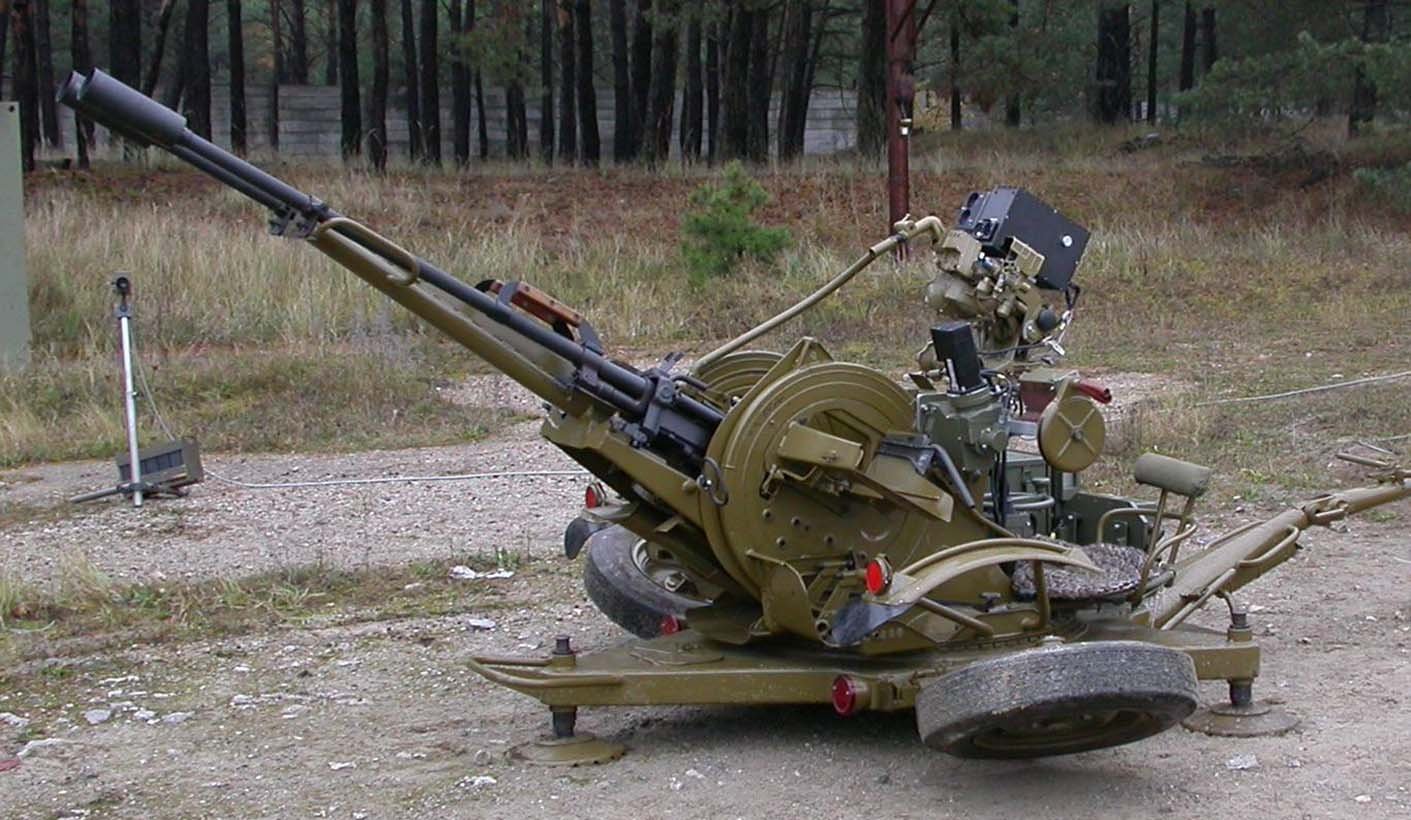
Greece has taken a significant step in supporting Ukraine amid the ongoing conflict by supplying outdated weapons systems from its arsenal. This gesture aligns with Greece’s strategic aim of modernizing its military capabilities while aiding Ukraine in its defense against aggression. The Greek government's decision to transfer older weapons systems, which are no longer pivotal to its current defense strategy, underscores its commitment to assisting Ukraine. These contributions reflect Greece's stance within the NATO alliance and its dedication to supporting democracies under threat.
Major US-Greece Defense Collaboration
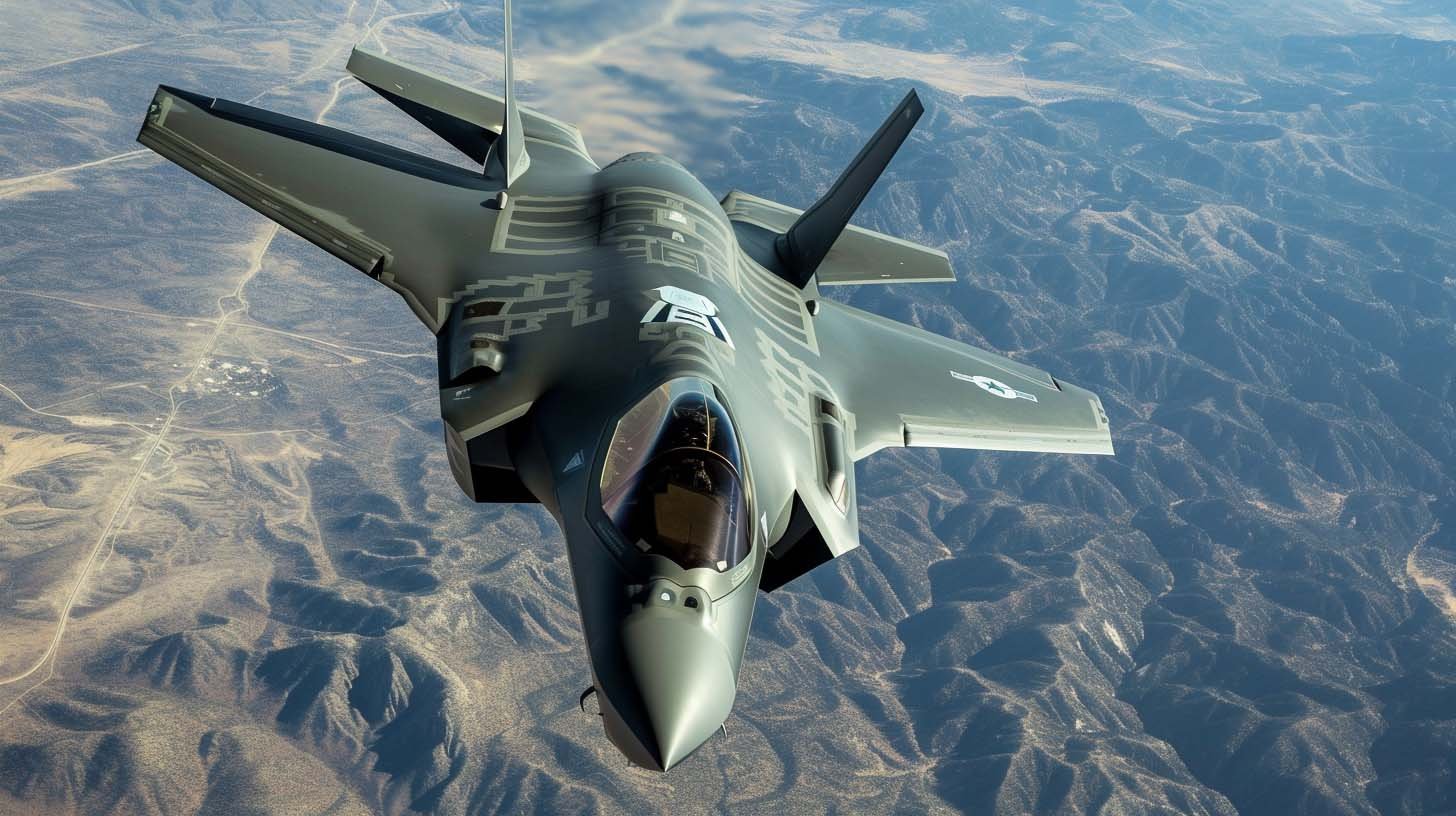
The announcement of Greece’s military aid to Ukraine coincides with a major defense deal with the United States per a report by Yahoo News. The US has approved a significant $8.6 billion sale of F-35 fighter jets to Greece, markedly enhancing the Hellenic Air Force's capabilities. Furthermore, as part of this defense agreement, the US is providing an additional $200 million in military aid to Greece, conditional on Greece’s military support to Ukraine. This deal represents a critical moment in US-Greek defense relations and highlights Greece’s strategic role in regional security and NATO.
Implications and Dynamics of International Military Aid
Greece’s decision to provide military aid to Ukraine while upgrading its defense forces through the acquisition of F-35 jets highlights the complexities of international military aid and defense procurement. The move demonstrates Greece’s ability to balance aiding Ukraine, advancing its military modernization, and maintaining its status as a vital NATO member. It also emphasizes the intricate interplay of diplomacy, defense strategies, and international solidarity in addressing global conflicts. 
Since the onset of the conflict in Ukraine, Greece has supplied a range of combat vehicles and weapons, including BMP-1A1 infantry fighting vehicles and RPG-18s. Furthermore, Greece plans to deliver additional BMP-1A1 IFVs, various ammunition types, and small arms. In addition to equipment, Greece is contributing to the training of Ukrainian military personnel, including pilots and special forces, and providing medical aid for the rehabilitation of wounded Ukrainian soldiers.
The possession of Russian military weapons by Greece reflects historical, cultural, and geopolitical factors, including the shared Orthodox Christian heritage between Greece and Russia. The Greek armed forces' arsenal includes Russian systems like the S-300 PMU1 air defense system, TOR-M1, and SA-8 Gecko air defense missile systems, as well as Kornet and Konkurs anti-tank missile systems. If delivered to Ukraine, these weapons could offer strategic advantages due to their familiarity in Eastern European and former Soviet bloc countries, bolstering Ukraine's air defense and anti-armor capabilities.
  • Text Only
Substantial Increase Driven by Ukraine Conflict
According to a report by Politico, in 2023, the United States witnessed a remarkable surge in its weapons sales abroad, reaching an all-time high of $238 billion. This substantial increase, representing a 56% rise from the previous year, was largely fueled by the heightened demand following Russia's invasion of Ukraine. The US government itself directly negotiated sales worth $81 billion, while the remaining sales were direct transactions by US defense companies with foreign nations. This surge in arms sales underscores the US's dominant position in the global arms market, especially during times of international conflict.
Major Purchases by European Allies
Among the key purchasers, Poland stood out with significant investments in expanding its military arsenal. The country's procurement included Apache helicopters for $12 billion, High Mobility Artillery Rocket Systems (Himars) for $10 billion, M1A1 Abrams tanks worth $3.75 billion, and Integrated Air and Missile Defence Battle Command Systems for $4 billion. These purchases align with Prime Minister Donald Tusk’s commitment to continue the country's military modernization program. Other notable European buyers included Germany, which invested $8.5 billion in Chinook helicopters, Bulgaria's $1.5 billion expenditure on Stryker armored vehicles, Norway’s acquisition of multi-mission helicopters worth $1 billion, and the Czech Republic’s $5.6 billion purchase of F-35 jets and munitions.
Global Impact and Future Outlook
The US State Department highlighted the role of arms transfers and defense trade as vital foreign policy tools with significant implications for global security. The increase in sales is also attributed to several countries shifting away from Russian arms, traditionally the second-largest weapons seller globally. This shift is partly due to the declining capabilities of the Russian defense industry, as noted by Mira Resnick from the department's arms transfers office. Beyond Europe, other significant deals were made with South Korea, Australia, and Japan, indicating the global reach of US defense sales. The Biden administration views these sales as beneficial for the US economy, despite increasing debates among US lawmakers about continuing direct support to Ukraine. NATO Secretary General Jens Stoltenberg's upcoming visit to a Lockheed Martin missile facility further emphasizes the strategic importance of the US defense industry in international alliances.
  • Text Only
Deployment of New ACVs to Replace Decades-Old AAVs
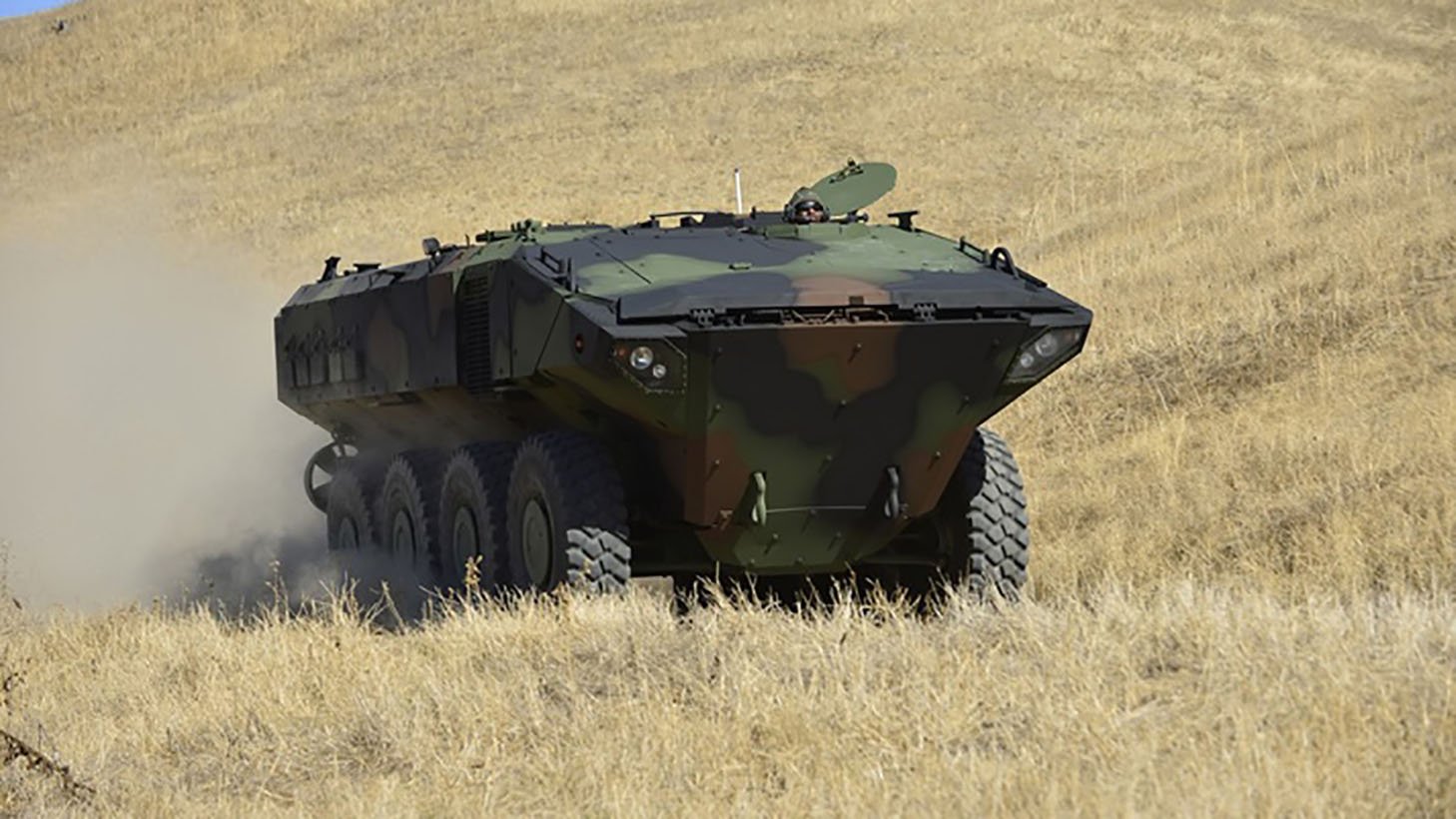
The U.S. Marine Corps is set to deploy new amphibious combat vehicles (ACVs), marking the first major update to their amphibious vehicle fleet in over fifty years. Assistant Commandant of the Marine Corps, General Chris Mahoney, indicated that these ACVs will soon join the 15th Marine Expeditionary Unit. These eight-wheeled armored vehicles are designed to replace the amphibious assault vehicles (AAVs) that have been in service since 1972. The ACVs have undergone operations in protected waters, and the Marine Corps is finalizing checklists and criteria for their use in unprotected waters, ensuring their readiness for a variety of sea conditions.
Advanced Features and Enhanced Capabilities of ACVs
The new ACVs boast significant advancements over their predecessors, the AAVs. They can travel up to 20 mph faster on land and provide triple the protection capability. Described as the "next-generation vehicle" by USNI News, these ACVs are engineered to efficiently transport Marines from ship to shore. The ACV program includes four variants: a personnel carrier, a command and control vehicle, a recovery vehicle, and a variant equipped with a 30-mm gun. These vehicles are expected to be deployed on the USS Boxer and USS Harpers Ferry, two amphibious warships operating in the Pacific Ocean, following the completion of ACV training.
Challenges and Safety Concerns in ACV Program
Despite the technological advancements, the Marine Corps' ACV program has faced several challenges, including safety incidents during training. In December, Sergeant Matthew Kylski lost his life in a rollover accident during ground training at Camp Pendleton, with fourteen other crew members injured. This incident led to a temporary pause in ACV operations in October 2022 following a separate rollover during offshore training, attributed to a mechanical malfunction. Additionally, open-water operations were halted in July 2022 after a high-surf incident caused one vehicle to roll over and another to become disabled, although no injuries were reported in this case. These incidents highlight the ongoing efforts to ensure the safety and reliability of the ACVs in various training and operational environments.
  • Text Only
Deadly Drone Strike on US Troops
A drone strike on a US military outpost in Jordan, close to the Syrian border, has tragically resulted in the deaths of three American service members and injuries to at least 30 others. This incident marks the first loss of US military lives in active combat since the onset of the Israel-Hamas conflict following the terror attack on October 7. The attack has been attributed to Iran-backed militant groups, escalating tensions in a region already fraught with conflict.
Political Reactions and Calls for Action
In response to the attack, US political leaders across the spectrum have expressed their condolences and outrage. Congressional leaders, including House Speaker Mike Johnson and House Minority Leader Hakeem Jeffries, have publicly mourned the loss and emphasized the need for a strong response to such aggression. Republican lawmakers, in particular, have criticized President Joe Biden's approach to Iran, urging more decisive action. Statements from key political figures, including Rep. Michael McCaul and Senate Minority Leader Mitch McConnell, suggest a growing consensus for a shift in US policy in the Middle East, advocating for a firmer stance to restore deterrence and protect national security interests.
Biden Administration's Response and Future Implications
In the wake of the attack, President Biden has acknowledged the bravery and commitment of the fallen service members and promised to hold those responsible accountable. The administration's response to this incident could have significant implications for US policy in the Middle East. Calls for direct action against Iran, particularly from influential figures like Sen. Lindsey Graham, indicate a potential escalation in the region. The administration's decision on how to respond will be closely watched, as it
  • Text Only
Deadly Attack Near Syrian Border
In a significant and tragic incident, a drone strike on a US military base in northeast Jordan, situated near the Syrian border, resulted in the deaths of three US soldiers. Additionally, 25 service members were injured in this unexpected attack. This incident is particularly notable as it marks the first occurrence of US military casualties in the Middle East since the escalation of hostilities between Israel and Hamas in Gaza.
President Biden Identifies Perpetrators
According to a report by Reuters, US President Joe Biden has attributed the attack to radical groups backed by Iran, operating within Syria and Iraq. The identification of these Iran-aligned militant groups as the assailants underscores the ongoing complexities and tensions in the region, involving various state and non-state actors.
Impact and Implications of the Attack
This drone strike not only represents a significant loss of life but also poses broader implications for US military operations and strategies in the Middle East. The attack brings to light the evolving nature of warfare in the region, particularly the increasing use of unmanned aerial vehicles (drones) in combat scenarios. The incident may prompt a reassessment of security measures at US military installations in the region and could influence future diplomatic and military responses by the United States and its allies in the context of their broader Middle East policy.
  • Text Only
Missile Attack on Russian Soldiers in Eastern Ukraine
Reports have emerged from Russian Telegram channels, known for their close ties to the Russian military, detailing a significant missile attack on a training camp in Russia-controlled eastern Ukraine. This incident, which occurred near the town of Pokrovka, close to Ilovaisk, took place on January 24th. At the time of the attack, Russian military personnel were engaged in training exercises at this location.
Details of the HIMARS System and Casualties
Sources linked to the Kremlin, including the ASTRA Telegram Channel, have indicated that the strike was likely conducted using the High Mobility Artillery Rocket System (HIMARS), a piece of military equipment supplied by the United States. This assault has reportedly led to numerous fatalities and injuries among the Russian soldiers present at the camp. Pro-Russian Telegram accounts have claimed that there were 24 fatalities and four injuries resulting from this attack. The training exercises being conducted are believed to have involved the operation of kamikaze drones.
Ukraine's Response to the Attack
As of the latest updates, Ukrainian officials have not officially acknowledged their involvement in this strike. The Ukrainian government has maintained a position of non-commentary regarding this particular incident. This lack of official confirmation leaves the details surrounding the attack, including the exact number of casualties and the specific nature of the training exercises, open to further clarification.
  • Text Only
Raytheon's Major Contract for Vehicle Upgrades
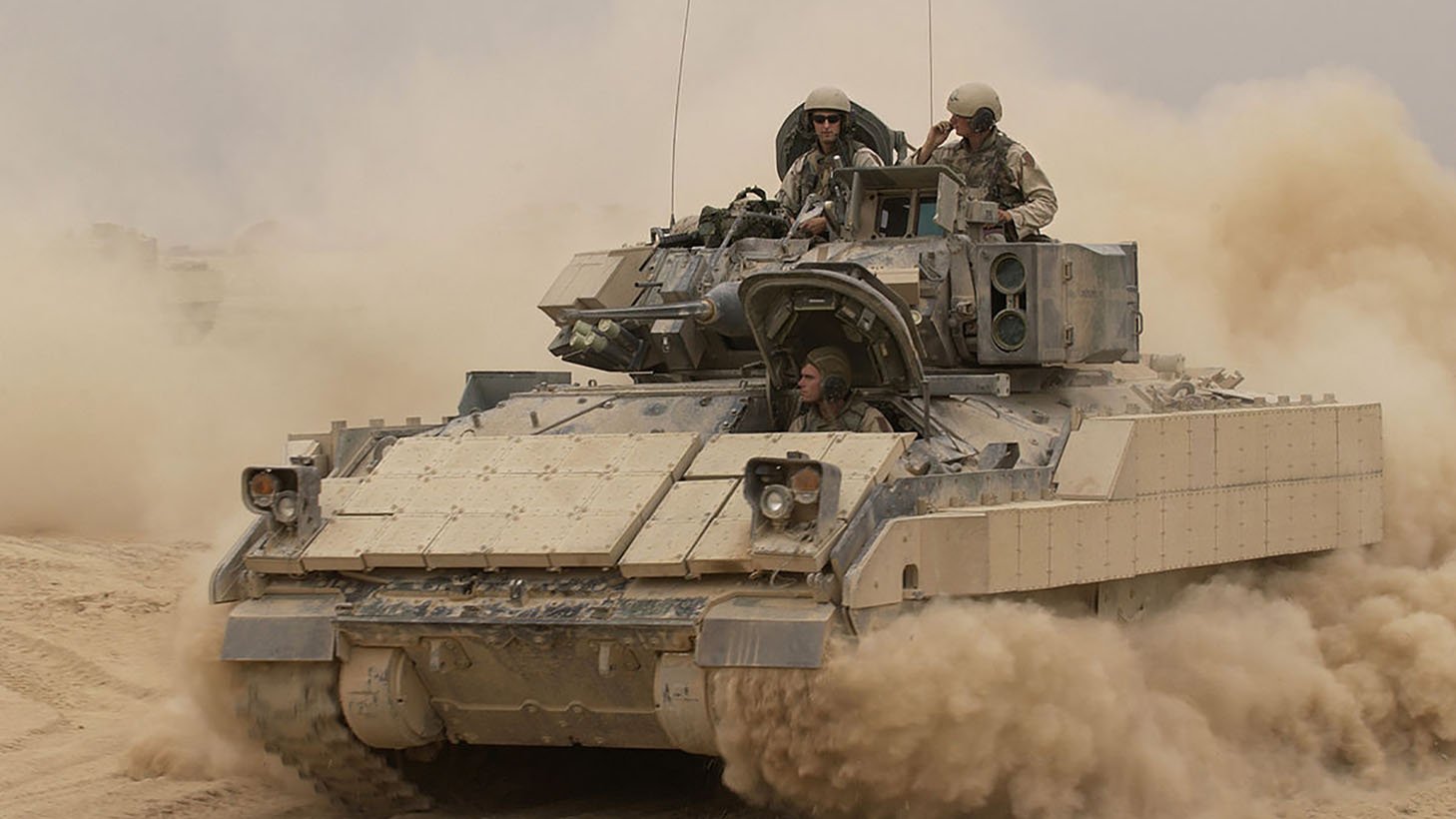
The United States Army has embarked on a significant enhancement of its Bradley Fighting Vehicle (BFV) fleet by awarding a $154 million contract to RTX's Raytheon. This contract aims to equip the BFVs with Raytheon's innovative Commander's Independent Viewer (CIV). The implementation of this technology is set to markedly improve the crew's battlefield awareness and overall effectiveness. The first delivery of these advanced systems is anticipated by June 2026, marking a substantial upgrade in the Army's vehicular capabilities.
Commander's Independent Viewer: Enhanced Battlefield Oversight
The CIV system represents a leap forward in battlefield technology. It provides a 360-degree view and targeting capabilities, utilizing sophisticated second-generation forward-looking infrared (FLIR) cameras and sensors. In a statement to Space Daily Bryan Rosselli, president of Advanced Products and Solutions at Raytheon, outlines that the CIV system combines multiple technologies to boost the survivability and battlefield performance of the Bradley Fighting Vehicle. Key features of the CIV include early threat detection, a panoramic view of the battlefield, and all-weather performance. These functionalities collectively enhance a vehicle commander's ability to locate, identify, and engage both stationary and moving targets under any conditions, be it day or night.
Production and Significance of the Bradley Fighting Vehicle
Raytheon plans to produce the CIV units in McKinney, Texas, known for its manufacturing and technological innovation. The Bradley Fighting Vehicle, developed initially by the FMC Corporation and now manufactured by BAE Systems Land & Armaments, is named after U.S. General Omar Bradley. It serves as a critical component in transporting infantry or scouts while providing armor protection and suppressing enemy forces. There are two main variants of the Bradley vehicle: the M2 Bradley infantry fighting vehicle and the M3 Bradley reconnaissance and infantry fighting vehicle. The M2 variant accommodates a crew of three and six soldiers, while the M3 variant is designed primarily for scout missions, carrying a standard crew and additional scout troopers and TOW missiles. The integration of the CIV system into Bradley Vehicles will significantly amplify the U.S. Army's reconnaissance, surveillance, and combat capabilities, keeping the army at the cutting edge of modern warfare technologies.
  • Text Only
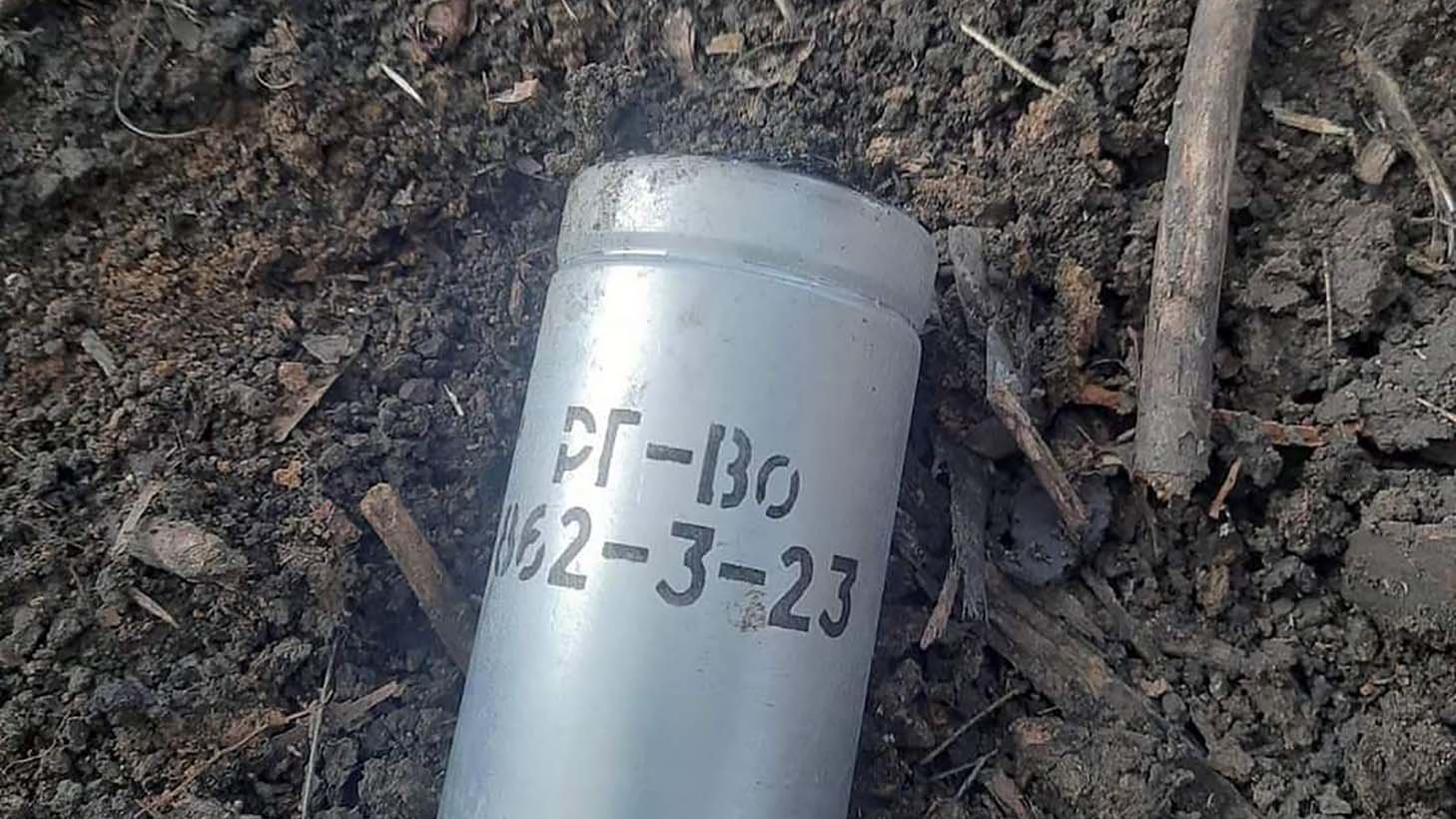
Introduction of RG-Vo Grenades with CN Agent
In a concerning development within the ongoing conflict, Russian military forces have reportedly started using a new type of special gas grenade, designated RG-Vo, against Ukrainian troops. These grenades are said to contain chloroacetophenone, a toxic chemical compound also known by its military designation, CN. This information comes from the Centre for Research on Trophy and Advanced Weapons and Military Equipment of the General Staff of the Ukrainian Armed Forces, with spokesperson Captain Andrii Rudyk providing insights into the usage of these chemical weapons.
Details on the Lethality of Chloroacetophenone
The use of chloroacetophenone in these grenades presents a grave threat due to its high toxicity. Captain Andrii Rudyk noted that this chemical agent is classified as a lacrimator or tear-producing agent, with a lethal dosage of 11 mg-min/m³. Just 70 drops of the gas are enough to be fatal to an adult. The substance is characterized by a sharp, irritating odor, sometimes likened to the smell of apple blossoms. The first reported use of these grenades by Russian forces against Ukrainian defenders occurred in December 2023.
Violation of International Agreements
The employment of chloroacetophenone by Russian forces raises significant legal and ethical concerns, as it contravenes several international treaties and resolutions. The Geneva Protocol of 1925 explicitly prohibited the use of asphyxiating, poisonous, or other gases in warfare, as well as bacteriological methods of warfare. Furthermore, the United Nations General Assembly resolution A/RES/2603 in 1969 also banned the use of such chemicals in combat. Despite being a signatory to both these documents, Russia's use of these toxic grenades marks a clear violation of international law. Captain Andrii Rudyk highlighted this breach, underscoring the seriousness of the situation. In December 2023 alone, 81 instances of the use of these toxic grenades by Russian forces were recorded.
  • Text Only
Introducing the H9 Pistol: A New Era for Daniel Defense
Daniel Defense, a renowned firearms manufacturer, has recently expanded its arsenal with the launch of its first-ever pistol, the H9. This significant development follows the company's acquisition and enhancement of a design originally created by Hudson. The H9 stands out with its low bore axis, which effectively minimizes muzzle rise and facilitates rapid, controlled follow-up shots. A notable feature of the H9 is its 1911-style trigger, which offers a straight pull complemented by a trigger safety blade. Additionally, the pistol is equipped with a reversible magazine release and a high-quality cold hammer-forged barrel, featuring a 1:10 twist rate. Customization is a key aspect of the H9, boasting a 7075 aluminum grip and compatibility with popular red dot optics. With a 15-round magazine capacity, the H9 positions itself as a strong competitor in the pistol market. 
H9 Pistol Specifications
The H9 comes with a set of impressive specifications, including a barrel length of 4.28 inches, an overall length of 7.69 inches, a height of 5.12 inches, and a slide width of 1.0 inch. Weighing in at 29.6 ounces with an unloaded magazine, the pistol maintains a compact and manageable profile. Daniel Defense has set the manufacturer’s suggested retail price (MSRP) for the H9 at $1,299, making it a premium offering in the handgun market.

DD PCC: A New Player in the Pistol Caliber Carbine Segment
Alongside the H9, Daniel Defense has also unveiled its Pistol Caliber Carbine (PCC), the DD PCC, at SHOT 2024. This innovative carbine operates on a blowback action and features a specially designed bolt group, integrated with a Kynshot hydraulic buffer to minimize recoil. The DD PCC will be available in two configurations: a standard model with a 16-inch barrel and a factory Short Barrel Rifle (SBR) version with an 8.5-inch barrel. Compatibility with CZ Scorpion Evo magazines and full ambidextrous controls highlight the PCC's versatility and user-friendliness. The carbine also features the Daniel Defense MFR M-LOK handguard, enhancing its adaptability and ease of use. While its exact market debut and price point are yet to be announced, Daniel Defense aims to offer the DD PCC around $2,000, positioning it competitively in the PCC market segment.
  • Text Only
Long-Awaited Deal Secured
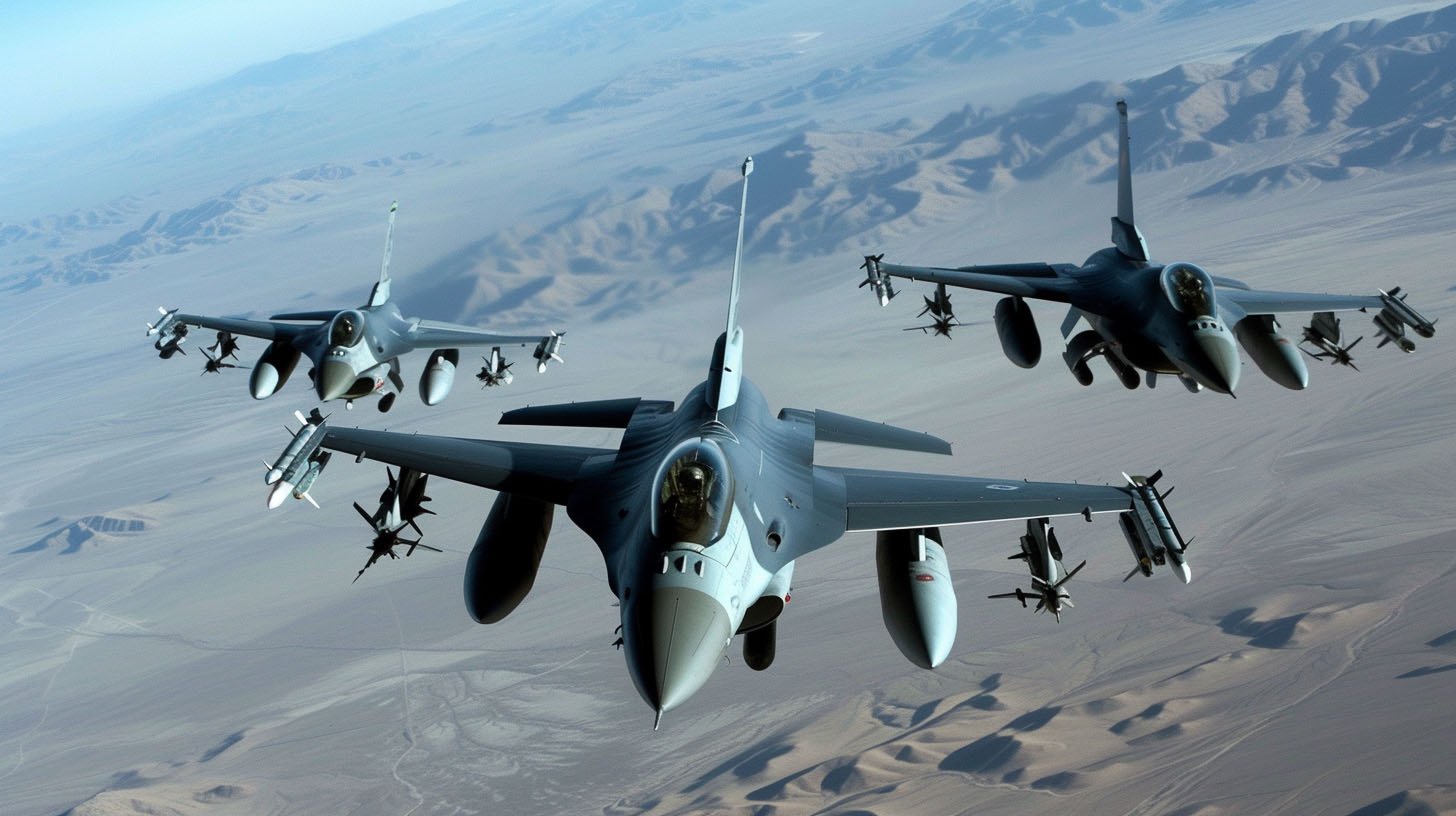
In a significant development in the realm of international arms sales, the US government has given the green light for the sale of 40 new F-16 fighter jets to Turkey, a transaction worth $23 billion. This move comes after a prolonged delay, with the agreement hinging on Turkey's ratification of Sweden's accession to NATO.
Expanding Military Capabilities
The comprehensive deal encompasses not only the purchase of the F-16 fighter jets but also includes modernization kits for 79 existing Turkish F-16s, bolstering Turkey's military capabilities in the region.
Implications for NATO and Regional Stability
This approval coincides with the US State Department's consent for the sale of 40 F-35 fighters to Greece, valued at $8.6 billion. These developments underscore the shifting dynamics within NATO and the broader geopolitical landscape. Turkey's initial reluctance to ratify Sweden's NATO bid, driven by concerns over alleged Swedish support for Kurdish separatists, had strained relations within the alliance. However, with the recent ratification, Turkey's role as a vital NATO member in the Black Sea region has been reinforced, particularly in the wake of Russia's full-scale invasion of Ukraine in February 2022.
While the approval of the F-16 sale to Turkey is seen as a strategic move, some US lawmakers have raised concerns about Turkey's human rights record and its role in holding Russia accountable for its actions in Ukraine. The decision to proceed with the sale was not made lightly, indicating a complex balancing act within the US government.
With only Hungary remaining as the sole NATO member yet to ratify Sweden's NATO accession, the alliance's unity remains a focal point, as geostrategic considerations continue to shape international arms deals and diplomatic relations. This development follows last year's approval for the transfer of American-made F-16 fighter jets to Ukraine from Denmark and the Netherlands, further illustrating the evolving dynamics of military cooperation in a changing world.
  • Text Only
Historical Context and Recent Shifts
The geopolitical dynamics of the Middle East are increasingly complex, raising questions about the United States' stance and effectiveness in the region. A key factor in understanding these changes lies in analyzing the policies of former U.S. President Donald Trump, particularly towards Iran. Trump's strategies, seen as unorthodox and potentially neglectful of the region's real issues, might have inadvertently strengthened Tehran's position and exacerbated the U.S.'s isolation. This historical perspective provides insight into the current challenges the United States faces in the Middle East.
Contemporary Challenges and Global Impact
In the present day, the United States confronts a multitude of global challenges while being constrained by its internal democratic mechanisms and the public's desire for stability. Many Americans may not fully grasp how global geopolitical events, such as conflicts in distant regions, can directly affect their daily lives, including fuel prices and credit access. There's a growing perception that the world is teetering on the brink of major conflict, similar to the ongoing war in Ukraine. In this light, the situation in the Middle East could be a strategic distraction for the U.S., akin to diversionary tactics used in warfare, aiming to spread American resources thin and reduce its global influence.
Strategic Maneuvers and Future Implications
The U.S. has thus far avoided direct military confrontation with Iran, engaging instead in targeted operations against Iranian-backed groups in the Middle East. These actions are responses to attacks on American personnel and interests in the region. Meanwhile, Iran has also carried out strikes, claiming to target anti-Iranian forces. This tit-for-tat approach has yet to escalate into open warfare but remains a significant concern. Additionally, North Korea's recent provocations add another layer of complexity to the U.S.'s strategic considerations. There's a growing belief that these regional conflicts, including Russia's actions in Ukraine and potential threats to the Baltic states, could be part of a larger, coordinated strategy involving major global players. This suggests that the U.S. must prepare for more significant challenges ahead, requiring careful consideration of troop deployment and long-term strategic planning.
  • Text Only
A Modern Twist on Classic Design
In an exciting announcement at the SHOT Show 2024, Smith & Wesson unveiled their inaugural foray into modern lever-action firearms with the release of the Model 1854. This innovative weapon, chambered in the potent 44 Magnum, melds historical design with contemporary functionality. The standard Model 1854 distinguishes itself with a robust synthetic stock and a large lever loop, catering to both practical use and aesthetic appeal. Adding to its versatility, it features a flat-faced single-action trigger, known for its precision and responsiveness.
Enhanced Functionality and Accessories
Smith & Wesson's Model 1854 is not just about looks; it's designed for practicality and adaptability. A notable addition is the extended hammer spur, enhancing ease of use. For those looking to customize their firearm, the Model 1854 comes equipped with a 4-inch section of Picatinny rail, allowing for the attachment of various accessories such as optics or lights. This thoughtful integration of modern elements positions the Model 1854 as a versatile choice for enthusiasts and professionals alike.

Period-Correct Variant for Traditionalists
Understanding the appeal of classic firearms, Smith & Wesson also offers a variant of the Model 1854 that pays homage to its historical roots. This version boasts a glossy DLC blued finish, evoking the timeless elegance of traditional lever-action rifles. Complementing this is a hybrid wood stock, which not only adds to the firearm's visual appeal but also provides a nod to its historical lineage. This period-correct model is sure to attract those who appreciate the blend of historical aesthetics with modern manufacturing quality.
Smith & Wesson's Resurgence in Lever Action
The launch of the Model 1854 marks a significant milestone for Smith & Wesson, signaling their renewed interest and commitment to the lever-action market. This modern take on a classic design offers a glimpse into what enthusiasts can expect from the company's future productions in this category. With the Model 1854, Smith & Wesson merges the nostalgia of the past with the advancements of the present, promising an exciting future for lever-action firearms.
  • Text Only
Germany Pledges Sea King Helicopters to Ukraine
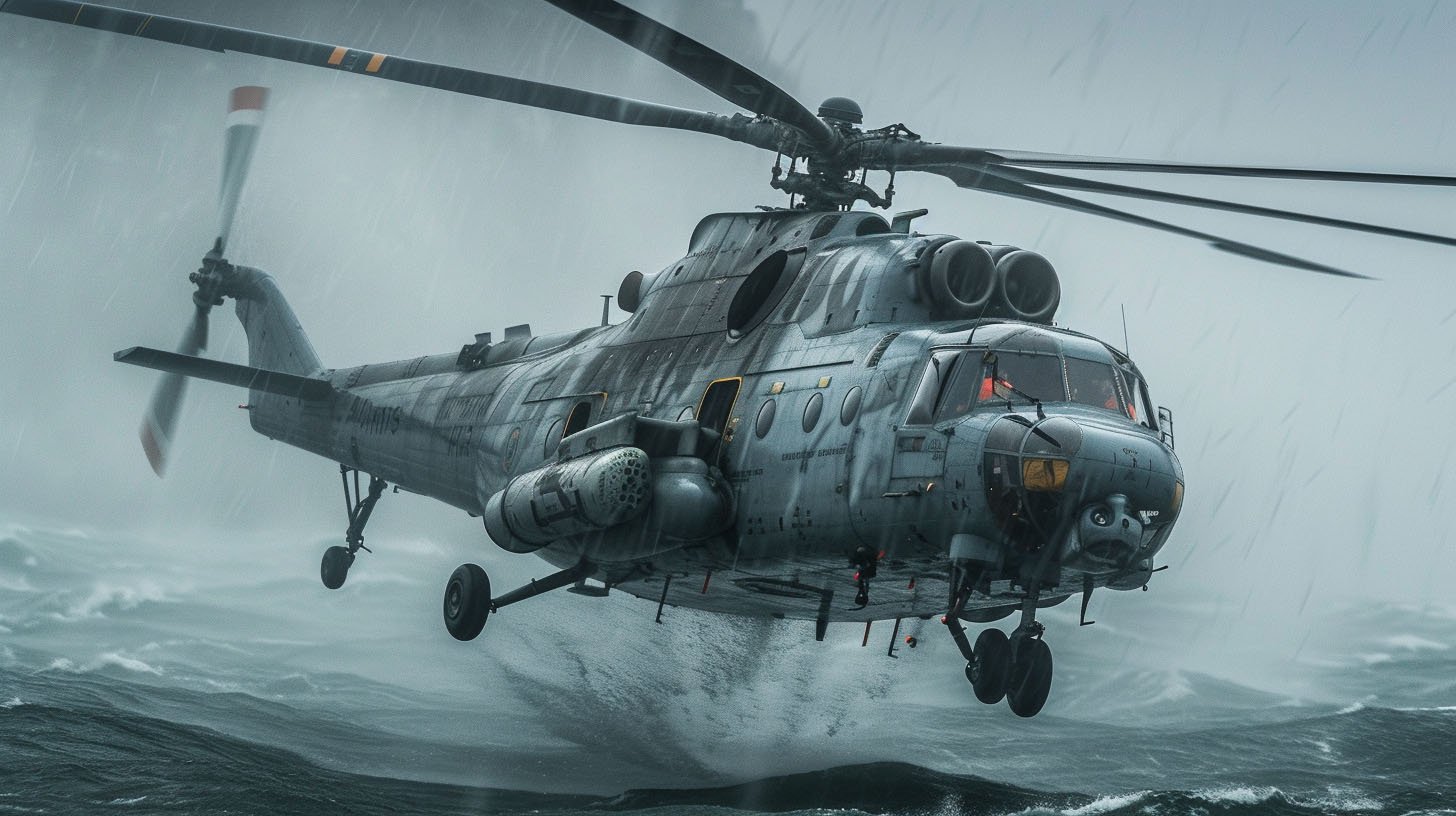
Germany has taken a significant step in bolstering Ukraine's defense capabilities by committing to send six Sea King helicopters to the nation. This move marks a first for Germany in terms of providing such military support directly to Ukraine.
Historic Military Support
German Defense Minister Boris Pistorius announced this landmark decision during the Ukraine Defence Contact Group meeting, which saw participation from over 50 states and organizations. This group is pivotal in coordinating support for Ukraine’s defense against ongoing conflicts. The announcement underlines Germany's active role in international defense collaboration, particularly in the current geopolitical climate.
Capabilities and Delivery of Sea Kings
The Sea King helicopters, known for their robustness and versatility, are expected to significantly enhance Ukraine's surveillance and troop transportation capabilities, especially in maritime contexts like the Black Sea. While the specific timeline for the delivery of these helicopters remains undisclosed, their impending arrival signifies a substantial enhancement of Ukraine's military resources. Germany is currently transitioning its naval fleet from the Sea King Mk 41 helicopters to the more advanced NHIndustries NH90 Sea Lion model.
Continuing International Support
This gesture of support from Germany follows a similar initiative by Britain, which previously shipped Sea King helicopters to Ukraine in 2022. These developments reflect an increasing trend of international military support for Ukraine, showcasing a unified stance by several nations in response to the ongoing regional conflict.
  • Text Only
Deadliest Incident Since War's Commencement
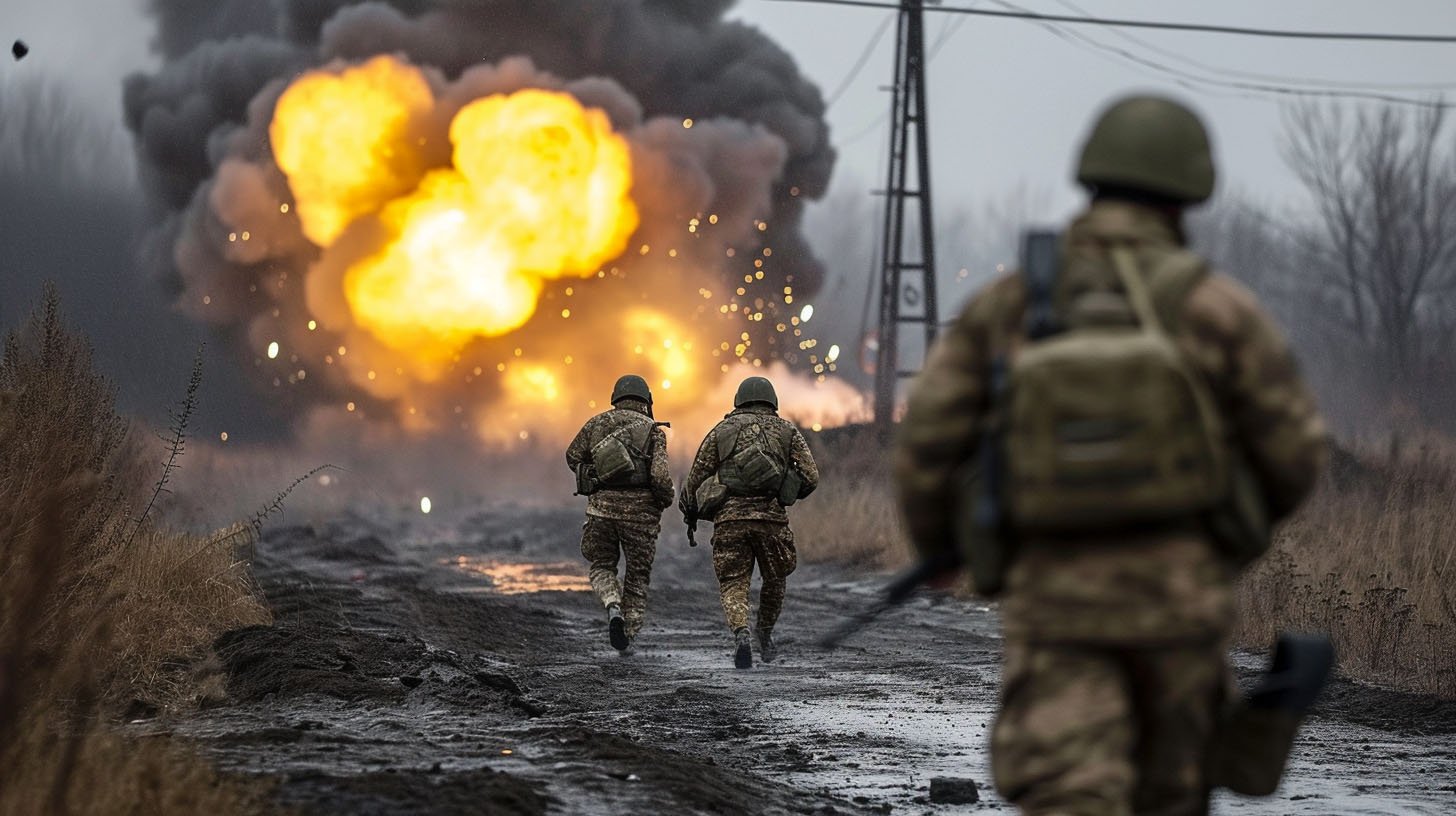
In what is being reported as the gravest incident since the beginning of the ongoing conflict, the Israeli military faced a substantial loss of life. A recent attack near the Gaza border resulted in the deaths of 21 Israeli soldiers. The day's events were further compounded by three more fatalities in separate skirmishes in the south, bringing the total death toll for the day to 24.
Tragic Turn of Events at Gaza Border
The incident took place during a military operation involving Israeli reservists near the Gaza border. Army spokesman Admiral Daniel Hagari disclosed that the deaths were a consequence of a Hamas missile attack. The missile strike inadvertently triggered the premature detonation of explosives that the soldiers were setting up. These explosives were part of a strategy to demolish buildings to aid in the reconstruction of border defenses. Unfortunately, the missile's impact caused two buildings to collapse, tragically burying the soldiers.
Investigation and Resolute Response
Following this devastating incident, the Israeli army has initiated a thorough investigation to understand the sequence of events and potential oversights. Admiral Hagari emphasized the importance of learning from this incident to safeguard the lives of soldiers in future operations. He reaffirmed the military's commitment to continuing their efforts until achieving what he referred to as "absolute victory," honoring the sacrifice of the fallen soldiers. This incident marks a significant moment in the ongoing conflict, likely impacting military strategies and operations in the region.
  • Text Only
Inclusive Expansion of SIG Professional Program
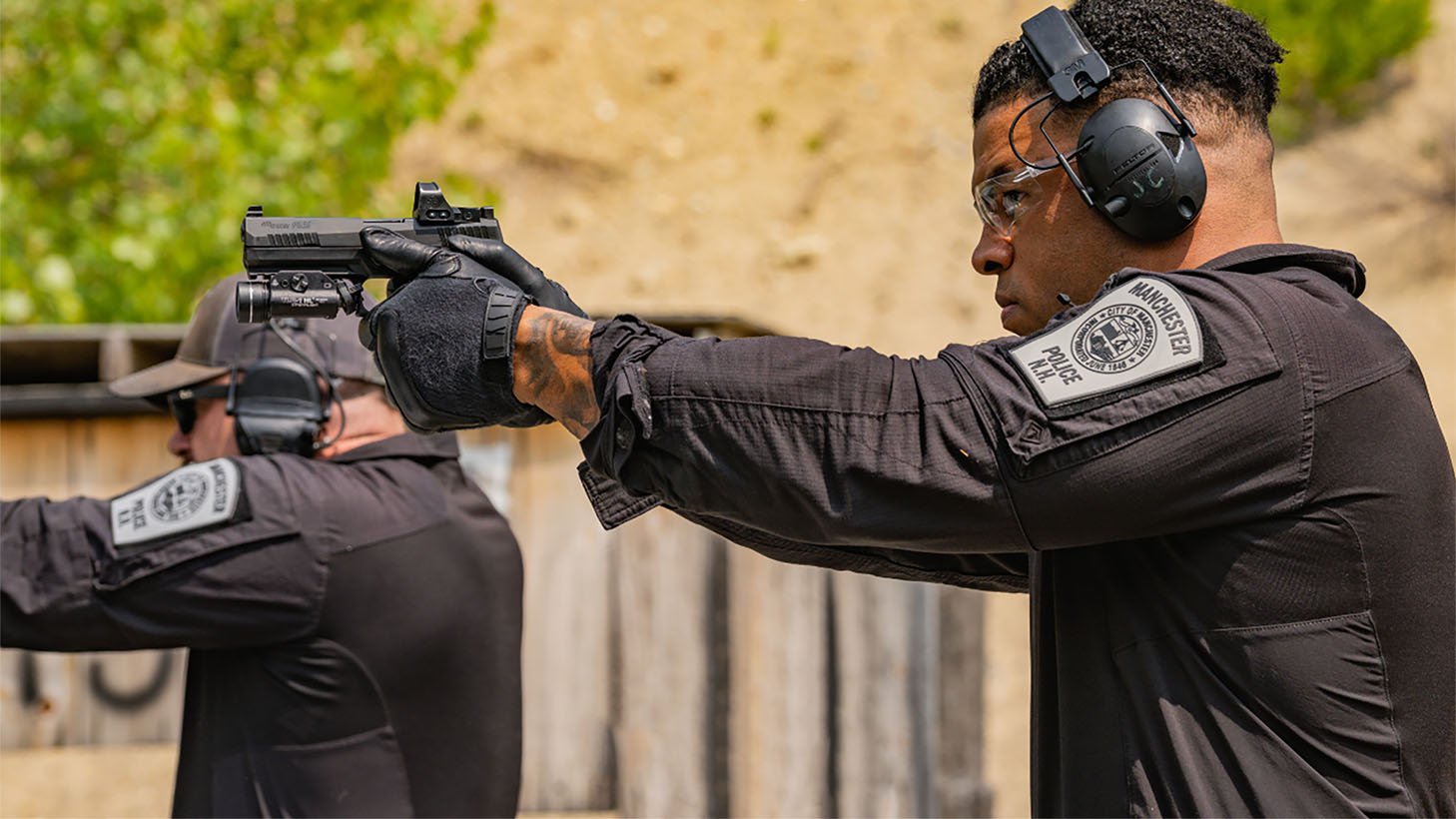
SIG SAUER, a renowned firearms manufacturer, has announced a significant expansion of its SIG Professional Program (SPP), now including all honorably discharged military veterans. This marks a notable shift from the company's previous policy, which limited the program to actively serving military personnel, law enforcement officers, first responders, and those with specific "retired" military credentials. The expansion to include all veterans is a gesture of appreciation and recognition for their service and broadens the accessibility of special pricing on SIG SAUER products.
Enhanced Access and Product Range
To celebrate the 40th Anniversary of the P226, a pistol with a rich history in military and law enforcement use, SIG SAUER is extending this program throughout 2024. The expansion not only encompasses a wider range of individuals but also includes a significant addition of products available under the program. Available through an expanded network of commercial retailers, including SIG Master and Elite Dealers, the program now offers discounted pricing on over three dozen firearm models, such as various P320 variants, some P365s, P226s, and MCXs. This extended accessibility aims to acknowledge and honor those who have played a role in shaping the legacy of SIG SAUER firearms.
Eligibility and Access Details
The SIG Professional Program is designed to offer discounted rates on select firearms to those who serve or have served in various capacities. With the recent expansion, the program is now open to a wider range of eligible participants. This includes active-duty military members, retired military personnel with appropriate credentials, honorably discharged veterans (requiring a DD214 or a Veteran designation on a state-issued ID), active reservists, active national guard members, corrections officers, sworn law enforcement officers, retired law enforcement officers with "retired" credentials, active or retired law enforcement with official agency credentials, court officers, state/county/city coroners, and full-time first responders including EMTs, firefighters, volunteer firefighters, and paramedics. The program is accessible through select retailers and a dealer locator available on SIG SAUER's website, ensuring easy access for qualifying individuals.
  • Text Only
Successful High-Power Laser Firing Against Aerial Targets
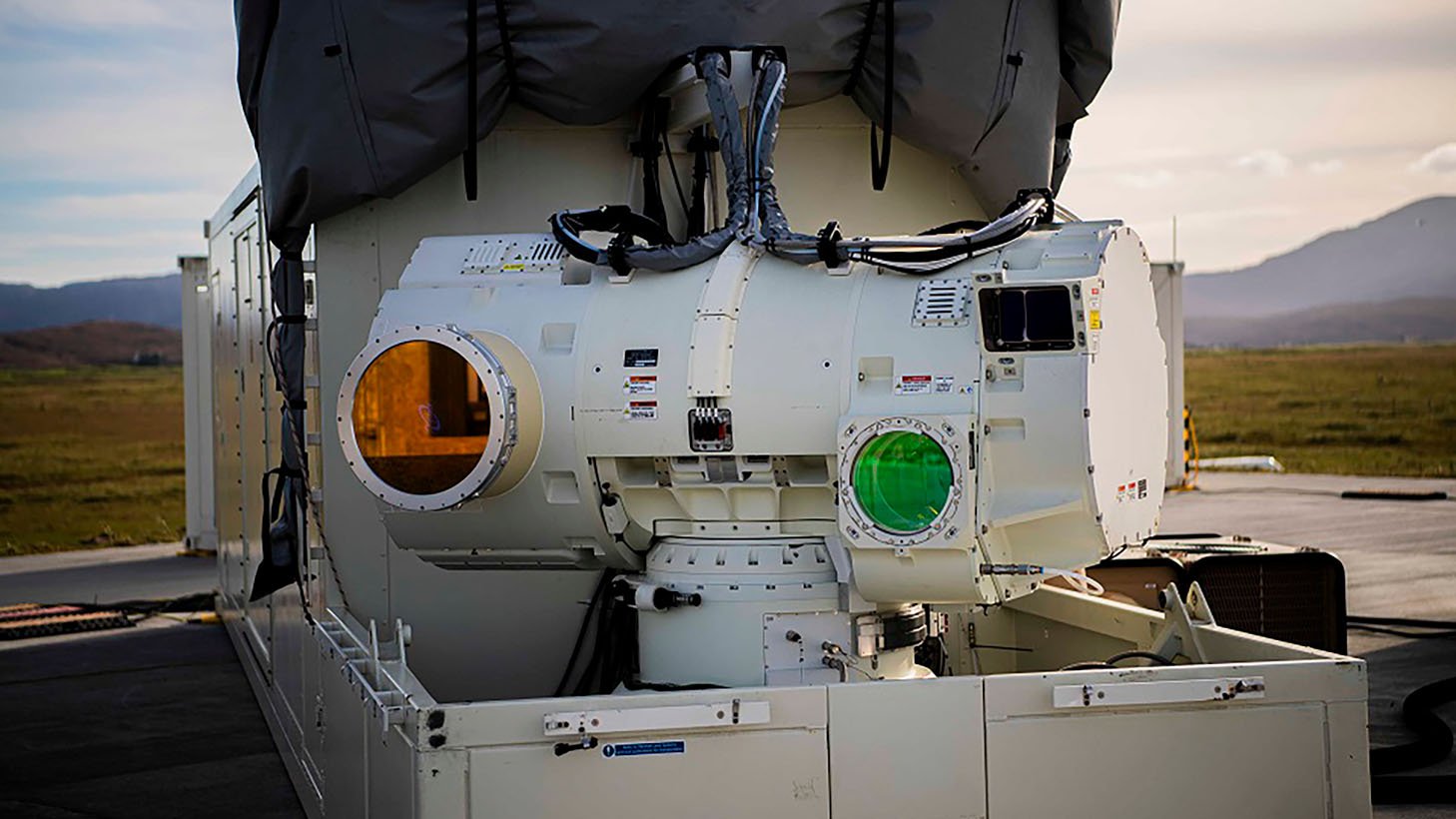
The UK Ministry of Defense (MOD) has recently achieved a significant milestone in military technology by conducting the country’s first high-power firing of a laser weapon against aerial targets. This groundbreaking test was carried out at the MOD’s Hebrides Range, where the DragonFire laser-directed energy weapon (LDEW) system demonstrated its effectiveness and precision. This development marks a significant leap in the field of laser-directed energy weaponry, showcasing the UK's advancements in modern military capabilities.
DragonFire: A New Era in Military Technology
The DragonFire LDEW system, a product of a £100 million joint investment by the MOD and industry partners, displayed remarkable accuracy and cost-effectiveness during the trial. Capable of engaging any visible target within its range, DragonFire is designed as a line-of-sight weapon, exemplifying its potential as a revolutionary tool in military operations. The system's precision is such that it can hit a target as small as a £1 coin from a kilometer away. DragonFire operates by emitting an intense beam of light to cut through targets, offering a low-cost alternative for tasks currently performed by missiles. The operational cost per shot is remarkably low, making it an economically viable option for the military.
Integrating DragonFire into Future Defense Strategies
Led by the Defense Science and Technology Laboratory (Dstl) in collaboration with industry giants such as MBDA, Leonardo, and QinetiQ, DragonFire's successful trial paves the way for its integration into the future air defense systems of the British Army and Royal Navy. The Defense Secretary, Grant Shapps, emphasized the revolutionary impact of this technology in transforming the battlespace, reducing dependency on expensive ammunition, and minimizing collateral damage. This latest achievement builds on previous successful trials of DragonFire, including its ability to accurately track and target moving objects both in the air and at sea. Furthermore, the development of the DragonFire weapon system is a boon for the UK's economy, supporting highly skilled jobs in advanced technologies and enhancing the country's capabilities in LDEW systems. Dr. Paul Hollinshead of Dstl highlighted the importance of these trials in preparing the armed forces for future challenges and threats.
  • Text Only
Cross-Border Strikes Escalate Conflict
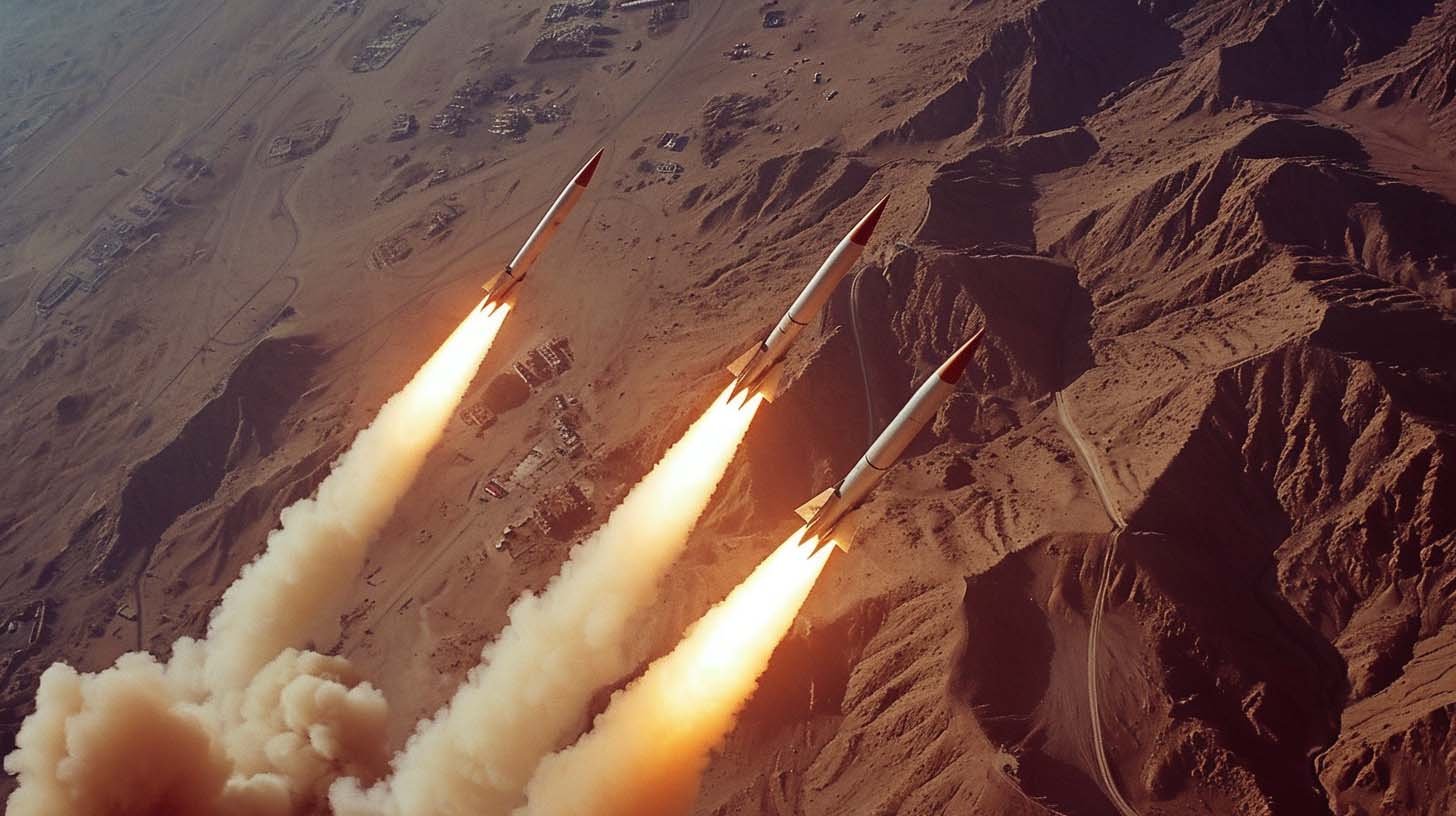
Recent developments have seen a sharp escalation in tensions between Iran and Pakistan, with each nation launching strikes across their shared border. The conflict intensified when Pakistan conducted missile strikes into Iran's south-eastern Sistan-Baluchestan province, reportedly targeting "terrorist hideouts." This action was in retaliation to an earlier strike by Iran inside Pakistani territory, which Pakistan claimed resulted in civilian casualties.
Impact and International Response
The Pakistani strike in Iran led to the reported deaths of nine individuals, including women and children, though Iran stated that the victims were not Iranian nationals. The reciprocal nature of these attacks highlights the heightened tensions in the Middle East, where multiple crises are overlapping. This region is currently witnessing Israel's conflict with Hamas in Gaza and Hezbollah in Lebanon, as well as Iran-backed groups targeting US forces in Iraq and Syria. The recent attacks mark the first time since the 1980s that Iran has been targeted by external land assaults. The international community, including China, Turkey, and the Taliban government in Afghanistan, has called for restraint and dialogue in light of these events.
Strained Yet Cordial Relations and Potential for De-Escalation
Despite the recent hostilities, Iran and Pakistan generally maintain cordial relations, with their ministers meeting at Davos and conducting joint naval exercises. The shared concerns over lawless border areas, rampant with drug smuggling and militant groups, continue to bind the two countries. Following the air strikes, both sides seem keen to emphasize that these actions do not represent attacks on a friendly neighbor. Experts suggest that while the risk of escalation exists, there is also an opportunity for both countries to step back from further conflict. The current dynamic offers Pakistan a chance to reopen dialogue with Iran, potentially easing tensions and restoring regional stability.
  • Text Only
Zelenskyy Acknowledges Patriot Missile System's Impact
Ukrainian President Volodymyr Zelenskyy recently highlighted the critical role of the Patriot missile system in Ukraine's defense strategy. During a World Economic Forum interview in Davos, Zelenskyy praised the system for its unparalleled capabilities in intercepting a range of missile attacks, including conventional and ballistic strikes. The Patriot, a ground-based, mobile missile defense interceptor, has been instrumental in Ukraine's efforts to counter advanced Russian weaponry. Provided by the United States, these systems have become a cornerstone of Ukraine's defensive measures since the Russian invasion in February 2021.
Patriot's Success in Ukrainian Defense
The Patriot missile system has been a game-changer for Ukraine, successfully intercepting Russian Kinzhal missiles, which had been described by Russian President Vladimir Putin as unbeatable. This feat was particularly notable during a significant air assault earlier in the month when Ukrainian forces used the system to down 10 Kinzhals. Additionally, in November, Ukrainian officials reported that the Patriot helped eliminate five Russian aircraft in just five minutes, demonstrating the system's efficiency and effectiveness in combat situations. These successes have not only been a shock to Russian forces but have also impressed international partners with the system's robust performance.
Challenges and Future of Ukraine's Missile Defense
While the Patriot missile system has proven its mettle on the battlefield, concerns have emerged regarding the sustainability of supplies. Each interceptor's production cost ranges between $2 million and $4 million, leading to apprehensions about the continuous availability of these crucial defense components. This issue is compounded by potential funding uncertainties, as some members of the US Congress have expressed hesitations about ongoing financial support for Ukraine. Despite these challenges, NATO and other member countries, such as Germany, the Netherlands, Romania, and Spain, are exploring avenues to supplement Ukraine’s missile defense resources, ensuring the country remains equipped to defend itself against continued Russian aggression.
  • Text Only
Thwarted Russian Advance in Eastern Donetsk
In a recent military clash near Avdiyivka, Ukrainian forces successfully repelled an attempt by the Russian army to penetrate their defenses. The engagement, as reported by the DeepState UA milblogger, took place in the northern sector of the Avdiyivka bulge near the area of Stepove. The Russian offensive, composed of a column of ten combat vehicles including main battle tanks, was part of Moscow's largest offensive in the region in recent months. This operation reportedly involved former fighters from the private military company “Wagner,” with an objective to break through Ukrainian lines and advance towards Avdiyivka.
Effective Use of Advanced Military Equipment by Ukraine
The Ukrainian military's response was characterized by professionalism and strategic coordination. They utilized advanced Bradley infantry fighting vehicles, which were supplied by the United States, along with FPV drones, to halt the Russian advance. This response not only successfully stopped the Russian offensive but also highlighted the effectiveness of the Ukrainian military's tactical strategies and the importance of advanced military equipment in modern warfare.
Demonstration of Ukrainian Military Prowess
This latest incident is a testament to the Ukrainian military's growing capability to counteract Russian military actions. The successful defense against the Russian assault was largely attributed to the sophisticated use of equipment and the skillful deployment of resources by the Ukrainian forces. Their ability to effectively employ these tactics and technologies in the field demonstrates a significant enhancement in their defense capabilities, reinforcing their position in the ongoing conflict in the eastern Donetsk region.
  • Text Only
Nighttime Mission Leads to Unexpected Turn
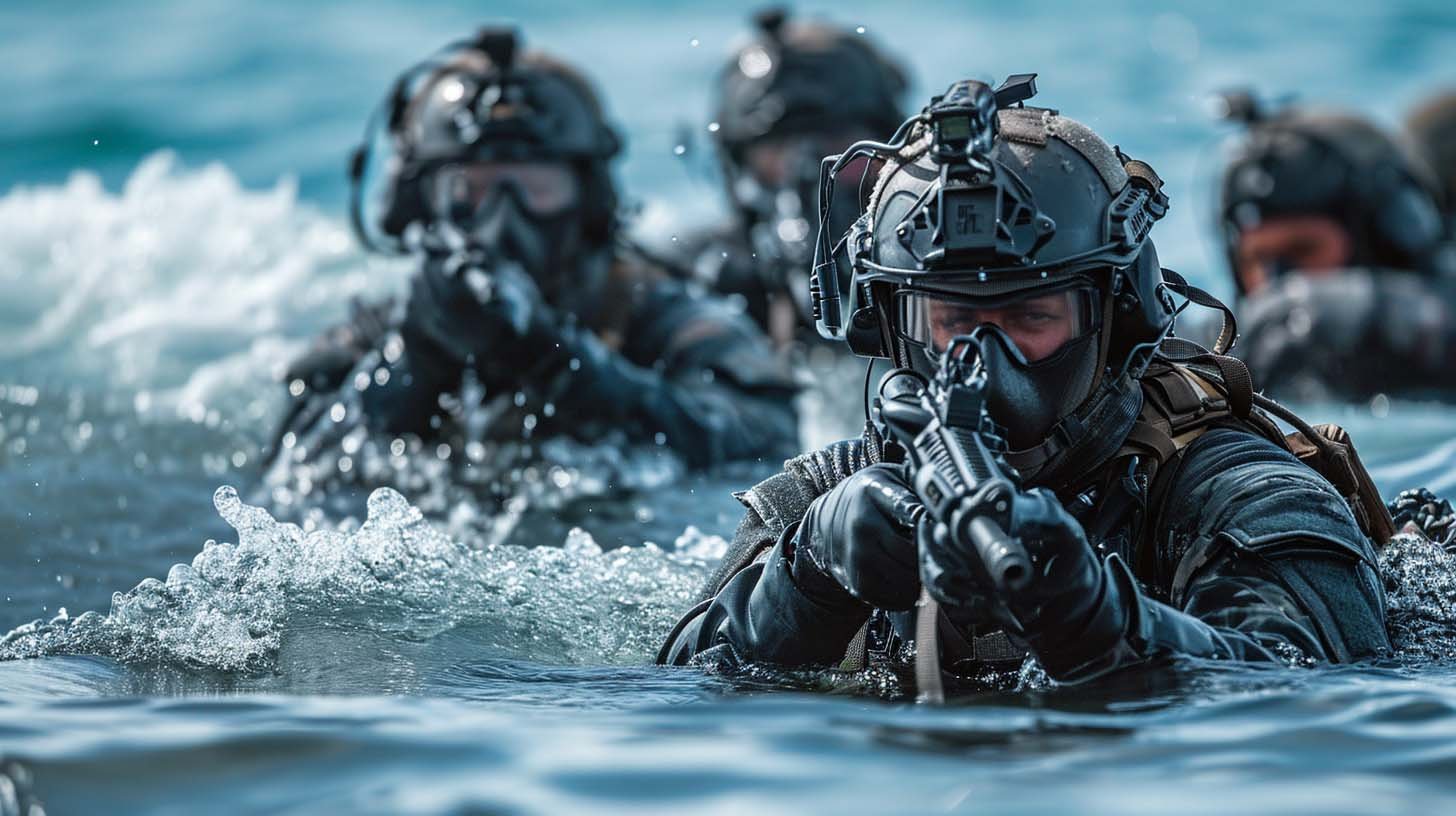
During a nighttime boarding mission in the Gulf of Aden, near Somalia, a harrowing incident occurred involving two US Navy SEALs. As they were climbing aboard a vessel, high waves caused one of the SEALs to fall into the sea. Adhering to Navy SEAL protocol, the second SEAL immediately jumped in to assist his comrade, leading to both individuals vanishing. This event occurred on Thursday, and since then, a rigorous search-and-rescue operation has been underway. The US Central Command has acknowledged the missing sailors but has not specified their roles as SEALs.
Details of the Mission and Ongoing Search Efforts
The mission that led to this unfortunate incident involved intercepting suspected Iranian weaponry destined for the Houthis in Yemen, according to reports from US officials. The specific details of the mission and the target vessel remain undisclosed. However, it is known that the waters off the coast of Somalia are notorious for piracy and illegal activities, with US forces frequently engaging in counter-piracy operations. The search-and-rescue mission, conducted by the US 5th Fleet, continues with no new updates available from the Pentagon or the US Fleet Forces Command as of early Monday.
Regional Context and Mission Objectives
The Gulf of Aden, a strategic location for Navy operations, has been particularly active in recent weeks. While officials have clarified that the incident did not relate to responses to Houthi-led attacks in the Red Sea or Iran's seizure of an oil tanker, it highlights the ongoing efforts to disrupt weapon supplies to Yemen. The mission, described as a "normal interdiction" operation, was part of a broader strategy to maintain security and combat illicit activities in the region. The National Security Council spokesperson, John Kirby, confirmed that the operation was focused on curbing the flow of arms to Yemen and was not connected to recent strikes against the Houthis.
  • Text Only
Strategic Defense Success in Ukraine
Ukraine has demonstrated significant success in deploying Patriot air-defense systems, notably shooting down 25 Russian Kinzhal missiles since last May. This achievement not only bolsters Ukraine's defense capabilities but also offers an invaluable opportunity to refine and enhance the Patriot system's accuracy and algorithms. These developments come in the backdrop of Ukraine's ongoing efforts to fend off Russian missile, aircraft, and drone attacks, including advanced weaponry that has often been overhyped.
Intelligence Windfall for the West
While Ukraine's interceptions bolster its defense, they also serve as a rich source of data for other Patriot system users. This "intelligence bonanza," as termed by one missile-defense expert, is helping to make the system smarter and more effective against various threats. The success in intercepting Kinzhal missiles, previously touted as unstoppable by Russia, is particularly significant. This not only disproves the invincibility of the Kinzhal but also provides critical insights into countering such advanced weaponry, benefiting the US, NATO allies, and other Patriot system users globally.
Broader Implications for Air and Missile Defense
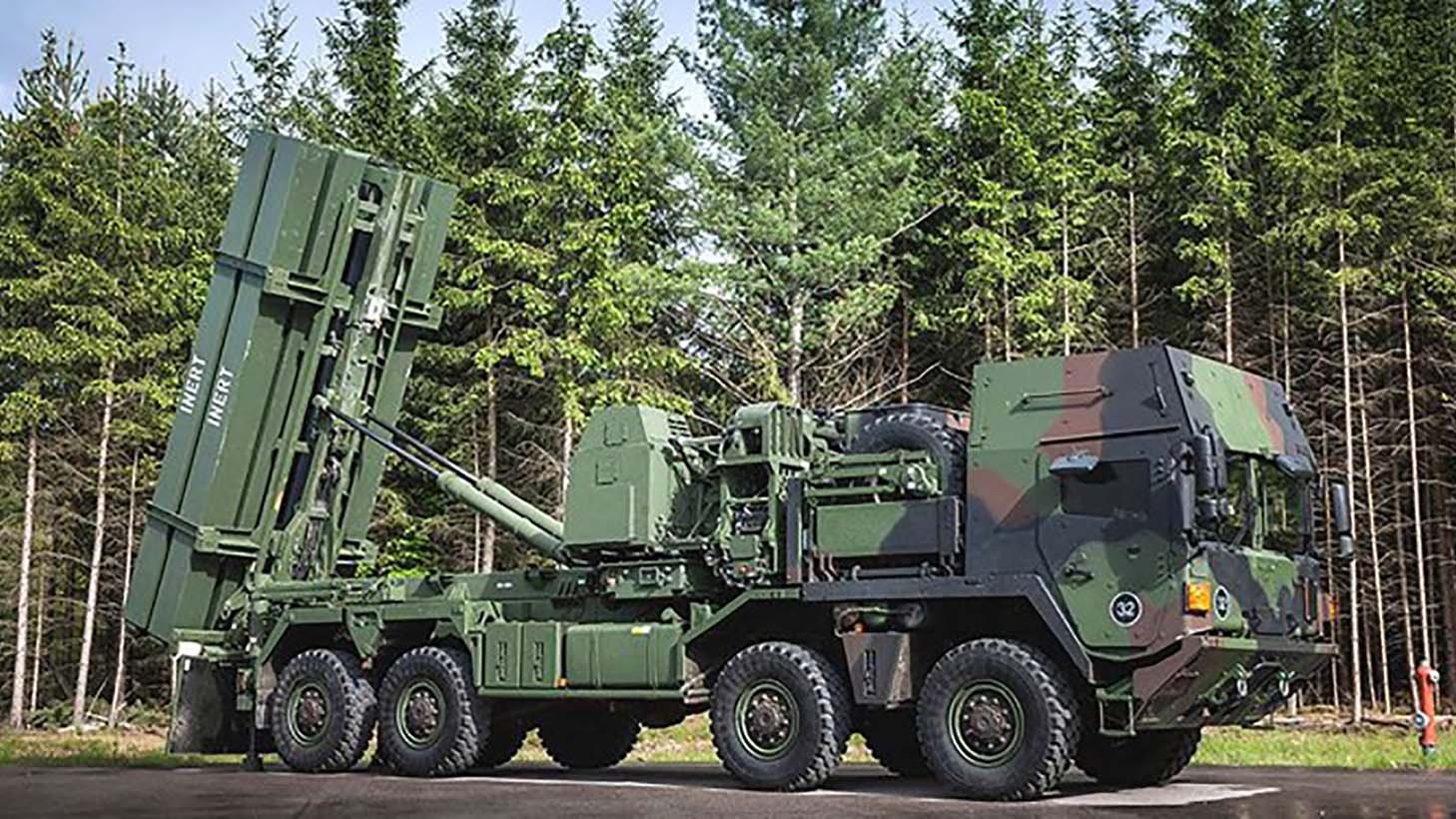
Ukraine’s effective use of Western-provided air defenses like Patriots, IRIS-T, and NASAMS, which have been instrumental in saving lives, also underscores the growing need for robust air and missile defenses worldwide. The successful engagement of high-end missile threats from Russia reinforces the importance of such systems. This is evident in the recent decisions of NATO nations to acquire more Patriot missiles and Japan's historic move to export missiles to the US. The conflict has not only emphasized the importance of air and missile defenses for immediate defense needs but also highlighted their strategic value in understanding and preparing for potential future conflicts. 
Ukraine's successes in employing these systems underline the critical role of air and missile defenses, not just as peripheral equipment, but as central to modern military strategy and national defense.
  • Text Only
Secretive Departure into Space
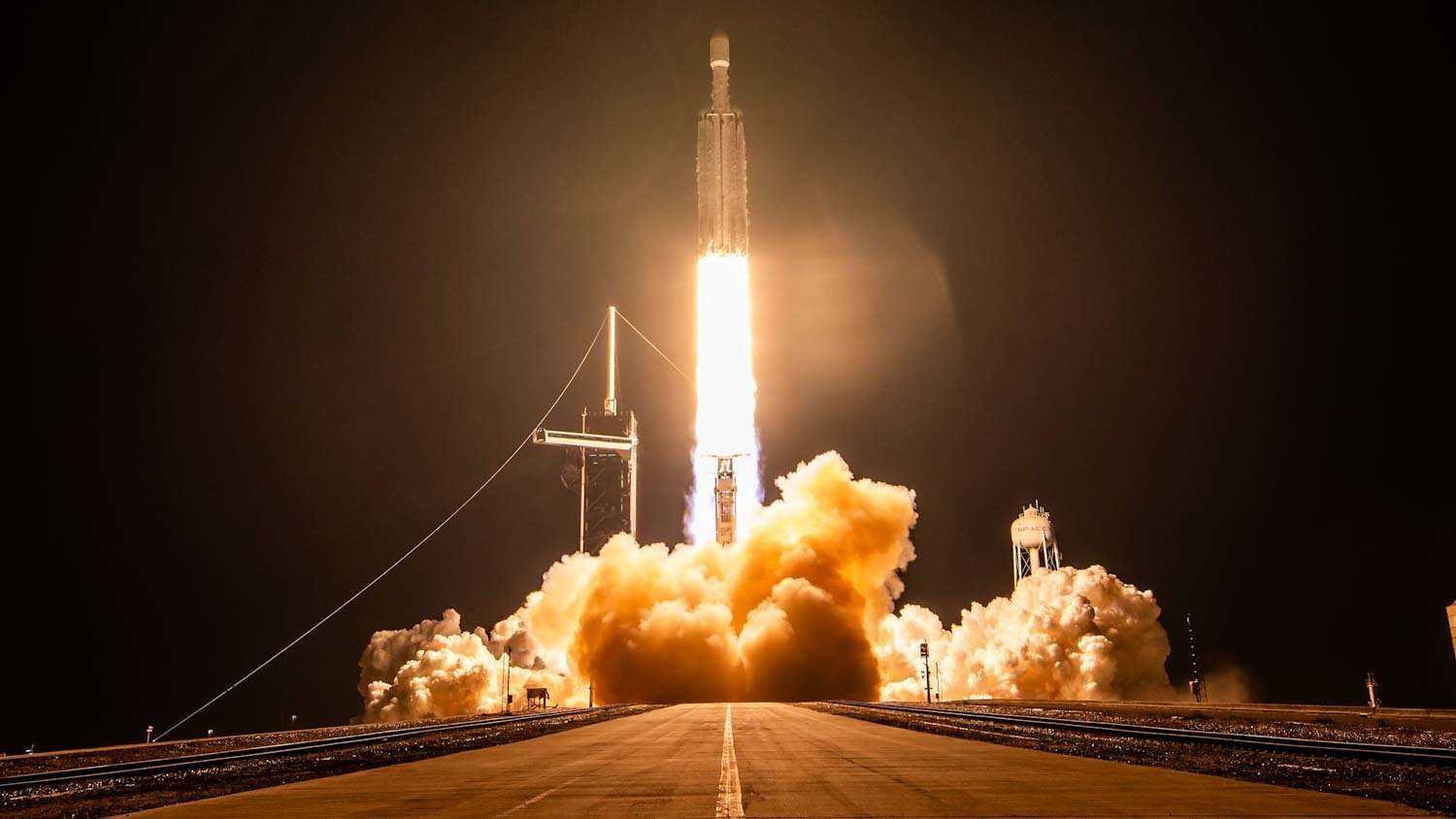
SpaceX's formidable Falcon Heavy rocket has recently embarked on a clandestine journey, carrying the U.S. Space Force’s X-37B spaceplane into orbit. This secretive launch, executed from NASA's Kennedy Space Center, adds another layer to the enigmatic narrative of the X-37B, a reusable vehicle known for its classified space experiments. The specifics surrounding this mission, such as the intended orbit, mission duration, and the nature of the payloads, are closely guarded, maintaining the characteristic secrecy of the X-37B program.
Falcon Heavy's New Role in Space Missions
This latest mission represents a new chapter in the X-37B's history, being the first to utilize the more powerful Falcon Heavy rocket. Previous missions employed SpaceX’s Falcon 9 and the United Launch Alliance's Atlas V rocket. The choice of Falcon Heavy, with its enhanced capabilities, suggests potential for more complex objectives or distant orbital targets. The Boeing-manufactured X-37B, which bears a resemblance to a mini space shuttle, is engineered for runway landings on Earth, much like traditional aircraft.
 
SpaceX's Expanding Legacy in Space Exploration
Underneath the mission's veil of secrecy, some details have been revealed. Known as USSF-52, the mission aims to venture into unexplored orbital realms and conduct experiments in space domain awareness and the effects of space radiation on various materials. Among the experiments is NASA’s Seeds-2, which investigates the influence of space radiation on plant life. This launch is a milestone for Falcon Heavy, marking its fifth mission of the year and ninth since its debut in 2018. Despite initial delays due to weather and other undisclosed factors, SpaceX continues to build its impressive launch history, with this mission being its 97th of the year, closely followed by the 98th launch involving a batch of Starlink satellites.
  • Text Only

Editorial Information

Advertisement

Advertisement

Account

Navigation

Search

Search

Configure browser push notifications

Chrome (Android)
  1. Tap the lock icon next to the address bar.
  2. Tap Permissions → Notifications.
  3. Adjust your preference.
Chrome (Desktop)
  1. Click the padlock icon in the address bar.
  2. Select Site settings.
  3. Find Notifications and adjust your preference.