Skip to content

Advertisement

Advertisement

Uncrowned Armory News

U.S. Army and Navy Complete Successful Hypersonic Missile Test
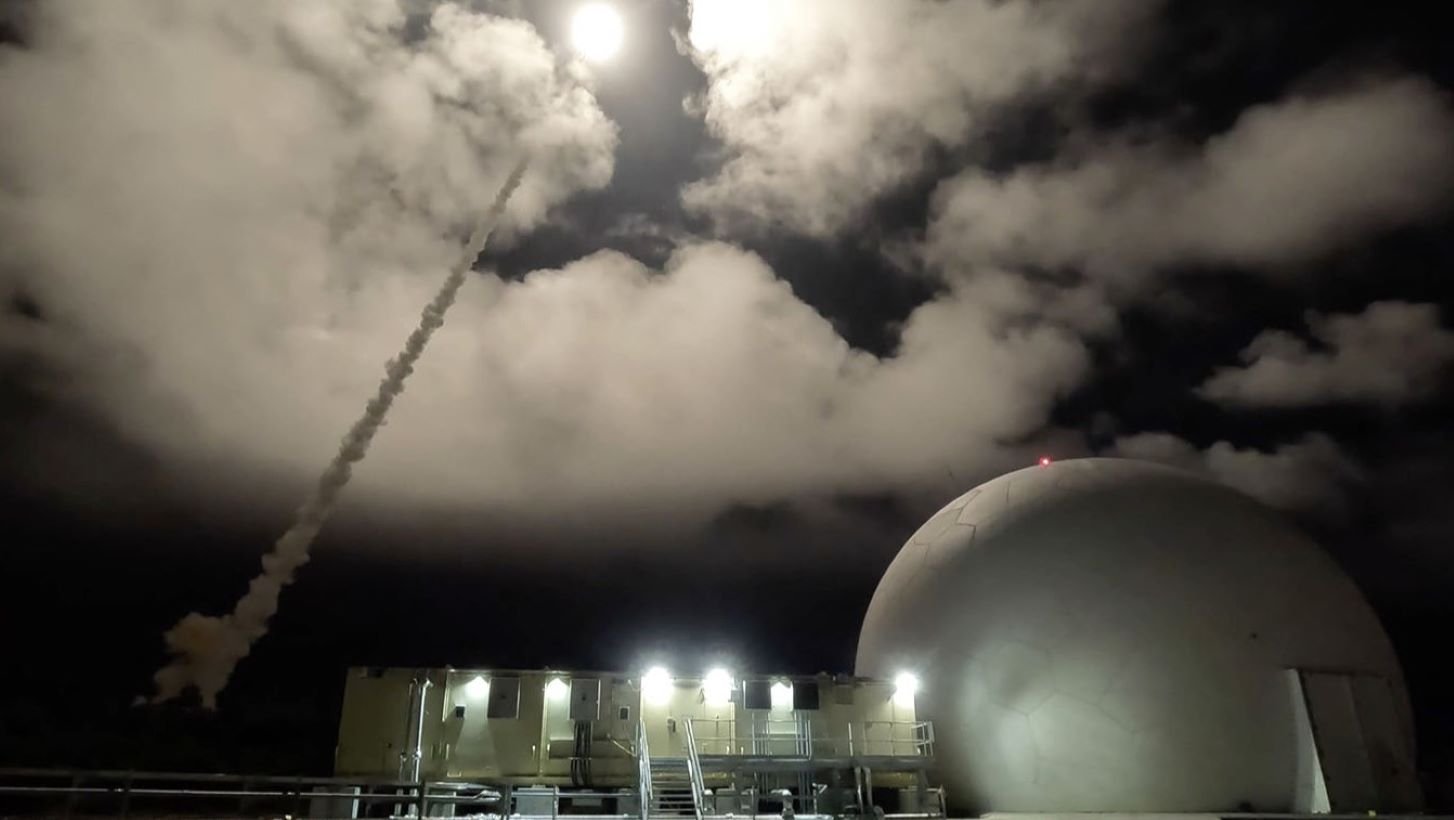
In an unprecedented collaborative effort, the U.S. Army's Rapid Capabilities and Critical Technologies Office joined hands with the U.S. Navy Strategic Systems Programs to successfully undertake an end-to-end flight test of a conventional hypersonic missile. The test was carried out at the Cape Canaveral Space Force Station, Florida.
Christine Wormuth, Secretary of the Army, stated, "This test drives home successful flight tests where the Common Hypersonic Glide Body achieved hypersonic speed at target distances. It further demonstrates our manifest ability to equip the warfighter with this advanced capability."
Groundbreaking Progress in Hypersonic Weaponry
This was the second successful end-to-end trial run for the All Up Round (AUR) this year and marked the maiden live-fire occasion for the Long-Range Hypersonic Weapon system via a Battery Operations Center and a Transporter Erector Launcher.
Secretary of the Navy Carlos Del Toro characterized the test as a significant milestone in the evolution of cutting-edge weapon systems. He stipulated, "As we draw closer to delivering this capability to our Army counterparts, we will persist in our efforts to weave Conventional Prompt Strike into our Navy surface and subsurface vessels to consolidate our standing as the world's foremost fighting force."
Implications for Army Operational Deployment and Navy Sea-Based Fielding
The knowledge gleaned from these tests will buoy the initial Army Operational Deployment of the common hypersonic AUR and further the Navy's sea-based establishment.
Vice Adm. Johnny R. Wolfe Jr, Director of the Navy's Strategic Systems Programs and the chief architect of the common hypersonic missile, expressed his contentment. He said, "This test stands as proof of the triumphant Navy and Army partnership that has enabled us to create a groundbreaking hypersonic weapon system. This system delivers unparalleled capability to address joint warfighting requirements."
Strengthening the National Defense Strategy and Joint Force
The common hypersonic AUR developed by the Services undergirds the National Defense Strategy. It also furnishes combatant commanders with multifaceted capabilities that reinforce integrated deterrence and mold enduring advantages for the Joint Force.
The advent of hypersonic systems, capable of attaining speeds exceeding Mach 5, has revolutionized military equipment. It offers a potent mix of speed, range, maneuverability, and altitude, delivering rapid neutralization of time-bound and deeply-defended targets. 
Lt. Gen. Robert A. Rasch, Director of Hypersonics, Directed Energy, Space, and Rapid Acquisitions for RCCTO, emphasized the unique characteristics of hypersonic weapons. He said, "Their responsiveness, maneuverability, and survivability are unparalleled by traditional strike capabilities, especially for precision targeting in anti-access/area denial scenarios."
Joint Initiatives for Improved Threat Response
The U.S. Army RCCTO and U.S. Navy SSP programs have teamed up to promptly develop land and sea versions of the hypersonic weapon system. These developments cater to pressing joint warfighting needs. Utilizing a common hypersonic missile and joint test opportunities, the Services aim for more assertive delivery timelines and cost savings. This collaboration puts the Services in a robust position to outpace emerging threats and hold a decisive edge on the battlefield.
  • Text Only
Roshel Launches First U.S. Production Facility in Shelby Township, Michigan
Roshel, a global powerhouse in the development and production of intelligent armored vehicles, has ceremoniously launched its inaugural production location on U.S. soil, specifically in Shelby Township, Michigan. This strategic decision marks a notable turning point for the firm as it brings manufacturing capabilities within easier reach of U.S. clients who constitute the majority of Roshel’s market.
A 'Made in the USA' Milestone for Roshel
Roman Shimonov, CEO of Roshel, celebrates this as a milestone moment for Roshel. He described the road to this achievement as a lengthy process but now Roshel is equipped to cater to the U.S. market with products proudly sporting 'Made in the USA' labels. Shimonov further stressed that this U.S.-based production site fosters local partnerships with the communities it serves and enhances the company’s ability to respond to evolving challenges.
Michigan Plant: An Emblem of Roshel's Commitment to U.S. Defense
The Michigan plant manifests Roshel’s commitment to backing U.S. defense operations and law enforcement agencies. This plant, modeled after their leading-edge facilities in Canada, amalgamates all critical manufacturing processes under a single roof. This unified approach promises streamlined production of Roshel’s famed armored vehicles, including the battle-tested Senator MRAP. The facility will also host a specialized service center to offer ongoing support for vehicles in operation across the U.S.
U.S. Expansion: Strengthening Operational Readiness and Local Economy
This expansion into the U.S. underscores Roshel’s pledge to operational readiness, customer service, and abiding by top-tier quality standards. The production abilities of the facility aim at augmenting efficiency, curtailing delivery times, and sharpening the company's edge in the American market. Furthermore, the investment emphasizes Roshel’s commitment to fuel the local economy by creating job opportunities and cultivating partnerships within the community.
Ramping Up Production: The Senator Medical Evacuation and the Captain
Last week, Roshel heralded the commencement of full-scale production of two fresh models, the Senator Medical Evacuation and the Captain. CEO Roman Shimonov has disclosed that these vehicles have already bagged substantial contracts, ensuring their delivery through 2024's end.
Roshel’s vehicles enjoy the trust of defense, law enforcement, and governmental entities globally. The company possesses over 400,000 square feet of production facilities and manages all orders in-house, right from design and development through to fabrication and assembly.
Global Security: Roshel's Commitment in the Face of Adversity
Since the start of the Russian invasion of Ukraine, Roshel has supplied more than 1,500 armored personnel carriers (APCs) and MRAPs to Ukraine, corroborating its dependability and dedication towards worldwide security. With the Michigan plant now functional, Roshel is positioned to deliver ingenious, American-made solutions that fulfill the highest standards of performance and compliance for U.S. and international consumers alike.
  • Text Only
U.S. House Approves Record $895 Billion Defense Policy Bill
The National Defense Authorization Act (NDAA), an $895 billion defense policy legislation, has received bipartisan backing in the U.S. House of Representatives, with 281 votes in favor and 140 against. The measure will now advance to the Senate, as the end of this month's deadline to finalize the legislation approaches.
The annual NDAA plays a foundational role in shaping U.S. defense policy. It proposes a 14.5% salary increment for entry-level enlisted personnel and a 4.5% pay growth for all other military staff. It also allocates resources for several strategic projects, such as the acquisition of seven warships, 200 aircraft, and over 300 vehicles. Additional provisions aim to enhance the U.S. military profile in the Indo-Pacific region and bolster Taiwan's security through a novel arms procurement scheme.
Controversial Aspects Draw Criticism
Despite the NDAA's historic bipartisan support, this year's rendition faced opposition due to several disputed socio-cultural clauses. One such provision prevents the use of TRICARE funds for gender-affirming healthcare for military members' dependents aged under 18.
Representative Adam Smith (D-Wash.), the lead Democrat on the House Armed Services Committee, objected to the legislation, arguing that such exclusions based on transgender bias amounted to unjust healthcare denial. Other contentious amendments limit diversity, equity, and inclusion initiatives within the Department of Defense and prohibit Pentagon contracts with vendors that disfavor Israel or conservative news platforms.
While acknowledging these troubling aspects, House Minority Leader Hakeem Jeffries (D-N.Y.) did not instruct Democrats on their voting choices, emphasizing that the bill also advanced critical military priorities. On the other hand, House Speaker Mike Johnson (R-La.) defended the cultural clauses, arguing that they eliminated "woke" Pentagon policies.
Democratic Senate to Decide Bill's Fate
The NDAA now awaits scrutiny by the Democratic-led Senate, where opposition to contentious amendments could ignite further debates. Senate GOP Whip John Thune (S.D.) suggested that the Senate might discuss the NDAA early next week, although its final provisions remain uncertain.
The legislation underscores the growing discord surrounding military preferences and societal norms. Amidst these societal debates, the NDAA declares bipartisan tactics to confront global threats, such as expanding U.S. capabilities in the Indo-Pacific region, funding a Taiwan defense program modeled off the Ukraine Security Assistance Initiative, and strengthening cybersecurity.
Yet, the passage of the NDAA in the House is just the initial stage as distinct appropriation bills must be endorsed to secure necessary funding for Pentagon operations in the fiscal year 2025.
Ukrainian Aspects of the Defense Bill
The recent defense budget approved by the House of Representatives excluded a provision to prolong the lend-lease act for Ukraine, despite Ukrainian diplomats' attempts. The Ukraine Democracy Defense Lend-Lease Act, which was passed in May 2022 but ceased in September 2023 without implementation, allowed the U.S. president to lend or lease arms to Ukraine, bypassing congressional bureaucracy.
However, the elected President Donald Trump has hinted at decreased support for Kyiv after January, sparking a swift arms delivery by the outgoing Biden administration using the remaining $4-5 billion in the presidential drawdown authority.
The defense bill lacked funds for the Ukraine Security Assistance Initiative (USAI) 2025, as previous budget allocations already provided $300 million. The USAI, led by the Pentagon, contracts arms supplies to Ukraine through U.S. defense organizations.
The legislation includes measures barring the use of finances for activities that can result in recognizing Russian occupation in Ukraine and requesting a multi-department report on Moscow's funding of international terrorism. The support for Ukraine may encounter increasing hurdles as the Republican Party has retained control over the House and secured a Senate majority in the recent elections.
  • Text Only
Georgian Prime Minister Proposes Law to Prohibit Face-Covering During Protests
In a significant turn of events, Irakli Kobakhidze, Georgia's Prime Minister, announced his intention to enforce legislation that bars protestors from concealing their faces. The forthcoming legislation, set to be completed within the week, is a response to the escalating wave of protests against the ruling Georgian Dream party, which surged into motion following Kobakhidze's decision to delay the nation’s EU accession process until at least 2028.
Additionally, the Prime Minister, surprisingly, did not discuss any form of violence against demonstrators by law enforcement agencies. Instead, he insisted on the injuries law enforcement officials had borne – over ten, he reported, required surgical intervention following what he described as 'physical and psychological violence.' Nonetheless, this contrasts sharply with the alleged use of pepper spray, tear gas, and water cannons by the police to disperse the protests, leading to numerous injuries and countless arrests.
Accusations of Erosion of Democracy and EU Sanctions Debate
The current Georgian government, under the leadership of the Georgian Dream party, stands accused of undermining democracy and veering towards Russia. Fears were compounded earlier this year when the suspect "foreign agents" law was passed, provoking a widespread public outcry and aggressive police responses. In a twist of international diplomacy, Hungary's Foreign Minister Peter Szijjarto vows to prevent potential EU sanctions on Georgian officials in response to the intensified crackdown on anti-government protestors.
Szijjarto has spoken out resolutely against any punitive measures targeting Georgia, stating unequivocally that he is "categorically against" any potential EU sanctions. He went on to criticize the European Union and the 'international liberal elite', arguing that if the opposition had gained power in the recent elections, Brussels would have hailed the process as a victory for Georgian democracy.
The Inward Spiral of Georgia's Relations with Europe and Budapest's Stance
As Georgia seems to drift further away from the European Union, its relations with several European countries have nosedived. This decline was particularly evident following the introduction of the controversial "foreign agents" law, and the deepening controversy around the Parliamentary elections held on October 26, which raised allegations of a skewed vote.
The recent wave of public protests, sparked by the announcement of the suspension of the EU accession process until at least 2028, led to a severe response by law enforcement agencies. More than 220 arrests were made, and dozens were reported injured as the police retaliated with tear gas and water cannons.
Meanwhile, Hungary's foreign policy has further complicated the EU response, with Budapest having a reputation as the most Moscow-friendly country within the EU and NATO. While bearing witness to the unfolding drama in Georgia, the Foreign Affairs Council of the EU is slated to review the situation on December 16, considering possible implications, including the potential introduction of sanctions.
  • Text Only
Israeli Air Strikes Reportedly Deplete Syrian Defense Arsenal
Israeli Defense Minister, Israel Katz, recently affirmed the nation's attempt to create a "sterile defense zone" in southern Syria without the need for a standing military presence. This announcement came on the heels of a spree of Israeli air strikes. According to the Israeli military, these strikes obliterated the majority of Syria’s strategic weapons reserves.
In the aftermath of President Bashar al-Assad's government's downfall, Israeli jets carried out over 350 airstrikes within a 48-hour window. Targets included anti-aircraft batteries, military airfields, combat aircraft, missiles, and weapons production sites.
Strategic Strikes Seek to Prevent Weapon Acquisition by Rebel Forces
Additionally, Israeli missile vessels struck Syrian naval facilities at Al-Bayda and Latakia ports. These sites hosted fifteen Syrian naval vehicles.
The widespread strikes across Syria sought to eliminate strategic weapons and military infrastructure, to prevent them from landing into the rebel groups' hands that forced President Assad out of power. Some of these groups trace their origins to movements related to al Qaeda and the Islamic State.
Prime Minister Benjamin Netanyahu stated that Israel had no plans to meddle in Syria's internal issues. However, he stressed Israel's intention to safeguard its national security by preventing strategic military assets left by the Syrian army from reaching jihadists.
Post President Assad's departure, Israeli forces moved into the demilitarized zone within Syria which came into existence after the 1973 Arab-Israeli war.
Israeli Military Presence in Syria: Defensive, Not Offensive
While Israeli forces remain in the buffer zone and a few additional locations within proximity, there is no intention of invading Syrian territory further, a military spokesperson confirmed. Entry into Syrian territory is deemed a limited and temporary measure to ensure border security.
Israel recently agreed to a cease-fire in Lebanon after weeks of battle with the Iranian-backed Hezbollah movement. The Israeli strikes in Syria bear a resemblance to a similar attack in southern Lebanon in September that significantly reduced Hezbollah's missile reserves.
According to the Israeli military, the strikes struck the majority of strategic weapons reserves in Syria, including production sites in Damascus, Homs, Latakia, Tartus, and Palmyra, and various military hardware.
As the fall of Assad, an ally of Israel's primary adversary, Iran, has been welcomed, Israel remains wary of the chief rebel faction, Hayat Tahrir al-Sham (HTS), which has roots in Islamist movements such as al Qaeda and the Islamic State.
Defense Minister Israel Katz did not disclose details of the "sterile defense zone" being phased in southern Syria, while Prime Minister Benjamin Netanyahu emphasized the readiness for a dialogue with the new regime in Syria barring any weapon transfer to Hezbollah or any direct attacks on Israel.
  • Text Only
The US Consistency in Ensuring Syria's Stability
Following the fall of Bashar al-Assad's regime, the United States has exhibited unwavering dedication to safeguarding Syria's future. In accordance with Deputy Assistant Secretary of Defense for the Middle East, Daniel Shapiro's declarations, the US will continue its vigilance in eastern Syria to forestall any potential resurgence by the Islamic State.
Shapiro's statements came shortly after Syrian rebels' momentous declaration of the capture of Damascus, symbolically dethroning Assad's rule. Shapiro accentuated the necessity of protecting civilians, particularly vulnerable minority groups while adhering to international considerations.
New Rulers in Damascus and Unknown Fates
As the news of the fall of Assad's control reverberated, international focus has been drawn to the developments within Syria. Former Prime Minister Mohammed Ghazi al-Jalali, under whose watchful eyes the governing institutions of Damascus shall be temporarily managed, has admitted ignorance about Assad's whereabouts.
President Joe Biden's administration has validated its intent on keenly observing the realigning situation within Syria, with the US and Turkish defense ministers delicately discussing regional security issues over an elaborate telephonic conversation in the wake of Assad's departure.
Russia's Disconcerting Military Withdrawal from Syria
Contrary to the US steadfastness, Russia has purportedly initiated a withdrawal of its forces from Syria, as reported by Russian media and military-plugged insiders. The conjectured disintegration of Assad's command has precipitated a tempest of questions concerning Russia's future military and geopolitical standing in the region.
The supposed withdrawal would imply not only a considerable reduction in Russia's influence in the region but also a potential threat to the African continent's stability given the strategic relevance of its military bases in Syria. The intricacies involved in a full-scale retreat were summarized by Russian officer Ilya Tumanov, who highlighted that while the evacuation of equipment is a logistical challenge, ensuring the personnel's safety takes precedence over any potential hurdles.
As Russia steers onto a path of withdrawal, observers warn that the ramifications could extend not only to its regional influence but also to its political dominance on the global front.
  • Text Only
Dramatic Shift in Syrian Conflict: Rebels Claim Control of Damascus
In a landmark development, Syrian anti-government factions declared on December 8, that they had dislodged President Bashar al-Assad from his seat of power in the capital city of Damascus. The rebel leadership made their triumphant proclamation public, stating, "The despot Bashar al-Assad has fled. We pronounce the city of Damascus liberated from the despot Bashar al-Assad."
Eyewitness reports from Reuters convey scenes of jubilation, with thousands of citizens rallying in the city center, voicing their relief and joy through chants of "Freedom".
End of Dark Era and a New Beginning for Syria
The rebels have framed this as not just a seismic event, but a threshold moment for Syria, declaring December 8, 2024, "the end of that dark era and the beginning of a new era for Syria". A military officer's statement to Reuters that the Syrian military command had announced the termination of Assad's 24-year tenure appeared to corroborate the rebel's claim.
Early morning on December 8 marked a dramatic shift in control of state media machinery, with rebels seizing the state-run TV and radio headquarters to broadcast their victory. Unconfirmed reports even suggest that Assad may have escaped Damascus via plane, destination undisclosed.
Syrian Prime Minister Mohammad Ghazi al-Jalali made a pledge in a December 8 video statement to cooperate with any new leadership chosen by the people, signaling a readiness to ensure a smooth transition of power.
U.S. Presidential Team Closely Monitoring Syrian Events
News from Syria has not gone unnoticed by global leaders. U.S. President Joe Biden's team is "closely monitoring" the situation, according to National Security Council Spokesperson Sean Savett. Seizing upon what appears to be a unique opportunity, anti-government forces sprang a surprise offensive that started in late November, having decimated almost a decade of stalemate.
The rebel forces managed to seize control over major cities, including Aleppo, Hama, and Homs, swiftly culminating in the capture of Damascus.
Impact on Russian Influence Within the Region
The recent shift in the balance of power undoubtedly points to a significant dent in Russian influence in the Middle East, since Russia has historically been a staunch ally and supporter of the Assad regime. The sudden acceleration of rebel advancements coincides with an apparent dip in Russian aid, as the nation is engrossed in its ongoing incursion into Ukraine.
The domino effect of the conflict also manifests in the rebel-led offensive in northern Syria, led by the Islamist group Hay’at Tahrir al-Sham (HTS). Exposing fissures within the Assad regime and taking advantage of Russia's preoccupation with Ukraine, HTS and its Turkish-backed allies swiftly reclaimed the city of Aleppo.
Amid growing uncertainty, Russia is aware of the impending threat to its naval base at Tartus. Recent satellite imagery revealed that all major Russian warships that operated from Tartus have vacated the port, possibly indicating the potential loss of the base, which would have a significant impact on Russian naval capabilities.
It's clear that Putin has a challenging decision to make: continue fighting in Ukraine and risk losing Mediterranean influence or strategize for peace in Ukraine to maintain access to the Mediterranean via the Bosporus. The outcome of this conflict is uncertain; however, it is indicative of changing patterns of power and influence within the region.
  • Text Only
Swift Rebel Advance Shifts Dynamics of Syrian Civil War
The political landscape in Syria is rapidly changing as rebel forces exert increasing pressure on President Bashar al-Assad's regime. Recently, Hama, Syria's second-largest city, fell under the full control of the rebel group Hayat Tahrir al-Sham (HTS). Leader, Abu Mohammad al-Jolani, announced victory in Hama, assuring residents there would be "no retribution."
Homs: The Key to Syrian Battlefield
The Hama takeover signifies a major defeat for Assad's government, with rebels advancing swiftly towards Homs, a strategically essential city along the road to Damascus. The rebel forces are mere kilometers away from Homs and if the city falls, it could allow for a clear path towards the Syrian capital. This could also render Russian military bases in Tartus and Khmeimim vulnerable to strikes.
Assad's Future Hangs in the Balance
Previously, the Assad regime leaned heavily on its allies Russia and Iran to suppress opposition forces. However, engagement on other fronts has kept these allies preoccupied, leaving Assad's government exposed. Compounding the adversity, the Syrian army's ranks have thinned significantly due to extensive economic constraints, thereby rendering it inadequately equipped to ward off the rebel's sizeable offensive.
The emerging pattern of Syrian frontlines deteriorating swiftly illustrates the Assad military's growing weakness. Amid the shrinking backing from key allies and declining military presence, attempts to curb the rebel offensive have turned increasingly desperate. The fall of Hama indicates a pivotal shift in the ongoing Syrian civil war—drawing the conflict closer to the core of Assad's power base and shaking his grasp over the country.
Israel Flexes Military Muscle with F-35 Fighter Jets
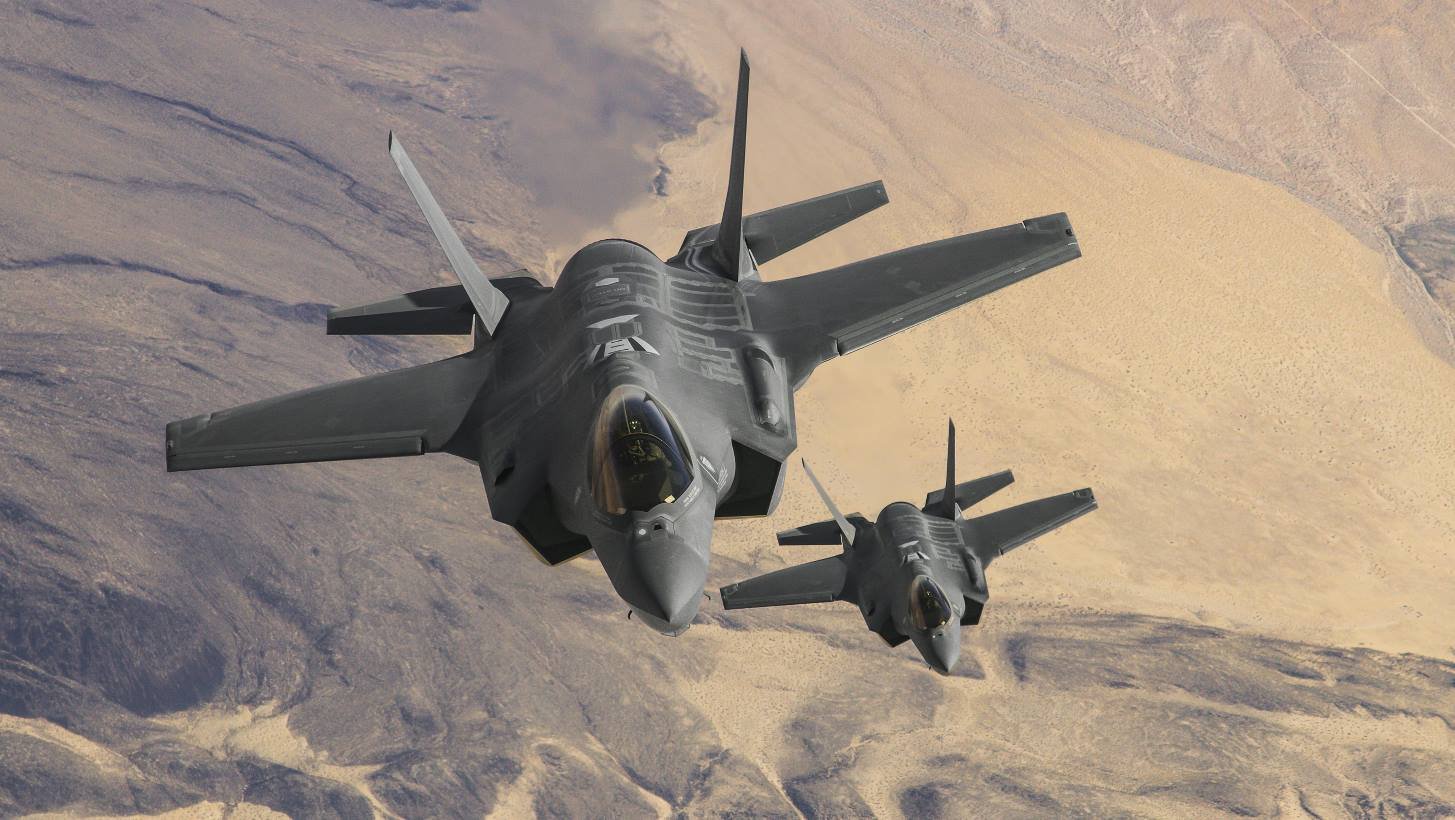
Adm. Tony Radakin, the UK's chief of defense staff, confirmed that Israel utilized F-35 stealth fighter jets during their late October strikes on Iran. The operation, a response to an Iranian missile attack earlier in the month, targeted multiple military sites, including missile-manufacturing facilities and defense systems.
Carrying fewer than 100 munitions, more than 100 aircraft flew without getting within 100 miles of the targeted sites, managing to almost entirely dismantle Iran's air-defense system. The F-35s displayed an undeniable edge in modern warfare, thwarting Iran's ability to produce ballistic missiles for the next year and leaving the country's leaders to ponder their strategic response.
The F-35, a single-engine, multi-role stealth aircraft manufactured by Lockheed Martin, is currently flown by a select few countries, with Israel being the first to utilize it in combat back in 2018. Adm. Radakin's commendation for the F-35 comes in the wake of recent criticism from Elon Musk, the SpaceX CEO who described the aircraft and its abilities as unsatisfactory. Despite the criticism, the aircraft remains an integral part of the United States' aerial weapons arsenal.
  • Text Only
Ukraine's Nuclear Appeal: A Failed Bargain for Safety
Three decades ago, Ukraine committed to a decision of faith and honor, trading its nuclear arsenal for a promise of immunity — security assurances handed over by the U.S., the U.K., and Russia. Fast forward to today, the guarantee of peace has given way to a contentious battle, with Russia breaching its vow and conquering Ukrainian land, causing concern for global stability.
The Budapest Memorandum: The Promise Unfulfilled
On Dec 5, 1994, the Budapest Memorandum, a pivotal agreement, was inked promising Ukraine's sovereignty and independence. Ukraine intended to accede to the Treaty on the Non-Proliferation of Nuclear Weapons (NPT) and, in exchange, the U.S., the U.K., and Russia committed to abstaining from economic and military aggression against Ukraine.
Yet, a mere two decades after the pact's formation, Russia launched a war against the very state it had pledged to shield, occupying Crimea and parts of Eastern Ukraine. Today, 30 years after Ukraine tendered its nuclear defenses, Russia wages a full-scale offensive against the country, resulting in devastating nationwide destruction and loss of innocent lives.
On its 30th anniversary, Ukraine's Ministry of Foreign Affairs dubbed the Budapest Memorandum as "a monument to short-sightedness in strategic security decision-making," warning Euro-Atlantic leaders of the failure inherent in crafting European security at Ukraine's expense.
The Irony of Bargaining Nuclear Defense
Post the Soviet Union's fall, Ukraine inherited a significant stockpile of nuclear weaponry, including 176 intercontinental ballistic missiles and up to 4,200 tactical nuclear warheads, holding the world's third-largest nuclear potential. Despite its nuclear status, Ukraine felt pressured into relinquishing its arsenal in a bid for promised security.
Ukraine dutifully fulfilled its commitment by 1996, transferring all nuclear warheads to Russia for destruction. The guarantors, however, grossly fell short of their obligations.
Interestingly, not all experts regard Ukraine's disarmament unfavorably. Arguments suggest Ukraine's lack of weapon launch codes rendered its arsenal more of a resource drain than an asset. Maintaining the nuclear weapons, which Ukraine could store but not use, demanded substantial funds. Moreover, holding on to the stockpile could have potentially isolated Ukraine internationally, akin to Iran or North Korea.
To balance the narrative, Ukraine did receive economic benefits from its denuclearization, particularly during the financial crisis of the early 90s. The disarmament allowed Ukraine to offset some of its gas debts by surrendering its strategic bombers.
Budapest Memorandum: A Shadow of Broken Promises
As the echo of the Budapest Memorandum reverberates into the present day, President Volodymyr Zelensky raises a new question — should Ukraine reconsider nuclear weapons as a self-defense measure or be part of an effective alliance such as NATO?
Hoffman and Horovitz, defense experts, voice their skepticism on the idea of Ukraine's pursuit of nuclear weapons. Practical challenges such as the lack of proper infrastructure to handle uranium enrichment or plutonium separation, the International Atomic Energy Agency's nuclear material tracking, and potential military and political repercussions make the proposition a tricky venture.
Nonetheless, amidst the chaos and threat brought upon by the war, Liagusha contends that Ukraine has little left to lose and must consider the option in its defense efforts. Although the controversy continues to brew, it is clear that Ukraine's story is a tale of trust betrayed under the facade of security promises, shedding light on the long-lasting impacts of short-sighted decision-making in global politics.
  • Text Only
Steep Increase in Russian Casualties in Ukraine Invasion: Ukraine's General Staff Report
Russia has been hard hit with a phenomenal loss of 750,610 troops since the onset of Ukraine's full-scale invasion, which began on February 24, 2022. This staggering figure was delivered by the General Staff of Ukraine's Armed Forces on December 6th.
Highlighting recent events, the report mentioned an afflictive loss of 1,660 Russian troops in just a single day.
In addition to the massive loss of human lives, Russia has also suffered significant hits to its military weaponry. Documented losses encompass 9,514 tanks, 19,518 armored fighting vehicles, 30,899 vehicles, and fuel tanks, in addition to a vast range of other military assets—including aircraft, drones, and naval vessels.
Skyrocketing Coffin Prices Reflect the Toll of War in Russia
Indirectly reflecting the grim reality of war, the cost of coffins in Russia has skyrocketed, hitting an astonishing markup of 74% since the beginning of the full-scale invasion of Ukraine, as per reports from the Moscow Times. The data, dated December 5, cites Russia's Federal State Statistics Service (RosStat).
Simultaneously, Russian forces have been marching into Eastern Ukraine at an unparalleled pace, resulting in distressingly high casualties. November reportedly saw Russia incurring maximum losses, with 45,720 soldiers wounded, killed, or captured.
At the inception of 2022, a coffin in Russia was priced at 4,437 rubles ($44). By October 2024, the cost had elevated to 7,711 rubles ($76), according to the Moscow Times.
Russian Economy Strains under High Inflation and Rising Costs
The escalation in coffin prices bears testimony to the underlying economic crisis kindled by the Ukraine invasion. The grave situation further intensified after Russia announced mobilization in September 2022.
In the immediate aftermath of the invasion, coffin prices rose by 48% during 2022, followed by successive annual hikes of nearly 12% and 10%. Some regions, notably, Sakhalin, Omsk Oblast, Tambov Oblast, and Smolensk Oblast, saw prices more than double in 2023.
Moreover, Russian monthly inflation rates reached an all-time high in November, escalating over 1.5 times compared to October, as stated by RosStat. The week of November 19-25 alone witnessed a consumer price index increase of 0.36%—a rise of over 8% since the beginning of the year. This also marked the first time overall food inflation exceeded 10% since January 2023, according to the Moscow Times.
  • Text Only
US Confirms Military Strike Against 'Imminent Threat' in Syria
The Pentagon has attested to the fact that the United States carried out targeted strikes on military assets in eastern Syria, following incidents of rocket attacks near a US base. The spokesperson for the Pentagon, Pat Ryder, informed reporters on Tuesday of the US strike on weapon systems (including rocket launchers and a tank) that were identified as grave threats to the US forces in that area.
Escalating Violence in Syria Raises Profound Questions
Syria is currently grappling with an upsurge of violence across the nation. Just recently, armed opposition groups launched a rigorous offensive in northwest Syria against government forces led by President Bashar al-Assad. This action marks a new phase in the Syrian civil war.
Given its substantial military presence in Syria, such developments have brought fresh concerns about how the US might act and if it could get mired in the conflict. Ryder reiterated on Tuesday that the US military action was consequent to a rocket launch that fell close to the Military Support Site Euphrates, a US base in eastern Syria.
Controversy Around US Involvement in the Conflict
Over the last week, accusations have been thrown around. Damascus has alleged that the US has provided air support to the Kurdish-dominated Syrian Democratic Forces (SDF), which have initiated advancement against government-controlled villages east of the Euphrates River, near the city of Deir ez-Zor. The SDF has been on the receiving end of US support for many years, with the proclaimed aim of combating ISIL (ISIS).
Additionally, Syrian state-run Alikhbaria TV reported altercations taking place between the SDF and government forces near the village of Tabiyet Jazira, with added US military intervention in the area. On Tuesday, the Pentagon's Ryder strayed away from queries about the SDF's operations in that area.
Advanced Russian Military Equipment Seized by Syrian Rebels
Syrian rebels have seized a range of armored vehicles and heavy equipment in Aleppo after Syrian government troops left the area. The insurgents have secured at least five Russian tanks, marking a potential shift in the power dynamic of the region.
Eyewitness accounts depict rebels confiscating abandoned armored vehicles with little resistance, suggesting that government forces departed hastily. The unexpected withdrawal of President Assad's forces left a significant amount of military hardware behind, further skewing the power balance and raising questions about future engagements in northern Syria.
Advanced Russian Radar Falls Into Rebel Hands
Syrian rebels have also captured a Russian-made Podlet-K1 radar system from the base of the Syrian regime's 25th Special Forces Division. The radar system is a mobile 3D radar operating in the 2-4 GHz band, capable of detecting, tracking, and guiding targets—particularly low-flying objects—at ranges of up to 100 kilometers.
The rebels' acquisition of the radar system is a significant gain for them and presents a potential tactical challenge for Assad's government. The aftermath of this loss for Assad's military capacities is being closely watched, especially considering the crucial role of advanced radars in defense and airspace management.
  • Text Only
Russian Warship Incites Tensions by Firing at German Chopper over Baltic Sea
In a report that is sure to heighten the escalating geopolitical tensions, a Russian warship was claimed to have fired warning shots at a German reconnaissance helicopter while it was in mid-flight over the Baltic Sea. The German Foreign Minister, Annalena Baerbock, addressed the incident at the recent NATO assembly, although she avoided delving into the precise details.
German Press Agency Highlights Incident Amid Rising Tensions
An account relayed from Brussels detailed that the warning shots emanated from the Russian vessel during a routine surveillance sortie by the Bundeswehr helicopter. This comes as confrontations surge on a global scale, with widespread reports of Ukrainian forces using UK and US missiles against Russia. This in turn has prompted a stern response from Russia's leading statesman, Putin, warning that such actions might inadvertently drag these nations "directly" into the skirmishes.
Minister Baerbock Speaks of Maritime Security Threats at NATO Meet
The ammo used underscored the unusual nature of this event, noting that signal ammunition from vessels is generally reserved for instances of extreme duress. Minister Baerbock acknowledged the occurrence during the NATO meeting but refrained from specifying the exact timing. She highlighted an observed increase in Russian naval activity in the Baltic Sea, which she suspected to be an attempt to circumvent imposed sanctions.
Enhanced Security and Repeated Affronts on Subaquatic Infrastructures
In her address, Baerbock underlined the need for heightened security measures concerning underwater pipelines and data lines, prompted by previous hostile Russian actions in these waters. Just last month, two critical fiber optic cables were severed – one connecting Sweden and Lithuania, while the other linking Finland and Germany – further substantiating her concerns about the region's maritime security. The disturbing actions and increasing tensions certainly signify a dangerous direction for global relations and emphasize the paramount need for swift de-escalation.
  • Text Only
U.S. Announces Monumental $725 Million Aid for Ukraine
The U.S. has committed to delivering a sizable $725 million aid package to Ukraine, as confirmed by Secretary of State Antony Blinken on December 2. The development represents a strategic effort from President Joe Biden's administration to bolster Ukraine's resistance against Russian invasions before the transition of power in early 2023 takes place.
Blinken declared, "Today is the day we extend an additional $725 million in military aid and equipment to Ukraine for their defense." Over 50 nations join the U.S. in unwavering support of Ukraine.
The Aid Package: Missiles, Artillery, Drones, and More
The aid package is inclusive of Stinger missiles, High Mobility Artillery Rocket Systems (HIMARS) ammunition, drones, and landmines among other key military apparatus. The inclusion of landmines marks a significant shift as the U.S. has not exported such devices in decades. However, according to reports, Russian forces have deployed landmines liberally along the front lines, and Kyiv has been requesting them since the full-scale invasion by Russia in 2022.
These "non-persistent" landmines have been designed with a limited power system and deactivate after a short period, assuaging long-term civilian risks compared to older, more hazardous landmines.
Mining the Powers of Presidential Drawdown Authority
This substantial aid package also signals an elevation in the utilization of the Presidential Drawdown Authority (PDA), which allows the U.S. to move weapons from existing stockpiles to allies facing urgent threats. With an estimated $4 billion to $5 billion in PDA funding presently authorized by Congress, it is expected that President Biden will allocate more assistance to Ukraine before Republican President-elect Donald Trump assumes office on January 20, 2023.
Other Recent Developments: Germany and Russia in the Mix
German Chancellor Olaf Scholz, in his December 2 visit to Kyiv, announced his country's commitment to condoning Ukraine, asserting that Germany is, and will remain, the country's strongest ally in Europe. In addition to pledging an extra €650 million ($680 million) in military aid during December, Scholz criticized Friedrich Merz, the CDU/CSU party leader, for his willingness to provide Taurus missiles to Ukraine—an action that Scholz cautioned could invite unnecessary risk to Germany's safety.
Meanwhile, Russia claimed that it has trained a reserve force of 300,000 soldiers, ready to join the regiments currently battling in Ukraine. This proclamation came even as reports suggest Russia's push into eastern Ukraine is accelerating despite purported record losses. However, the authenticity of this claim, like the extent of Russia's losses, could not be independently determined, calling into question the veracity of these statements.
  • Text Only
Trump’s Ultimatum to Hamas Over Hostage Release: A Havoc to Unleash
Donald Trump, the President-elect, issued a stern warning to Hamas on Monday, insisting a severe reprisal would befall the terror organization if the remaining hostages seized during the devastating October 7, 2023 attacks are not set free before his inauguration day.
Elaborating further during his statement on Truth Social, Trump expressed the global concern and the vehement wave of discussions surrounding the Middle Eastern hostage crisis. He cautioned the individuals responsible for these abductions, "Please let this TRUTH serve to represent that if the hostages are not released prior to January 20, 2025—the day I honoredly resume my Presidential obligations—there will be AN UNPRECEDENTED HAVOC to be wrought in the Middle East."
Trump's statement signaled a significant shift from diplomatic discussion to definitive action.
Reaction From Israeli Presidency
Israeli President Isaac Herzog publicly voiced his appreciation for Trump's firm stance on the matter, taking to social media platform X, to pen, “Thank you and bless you Mr. President-elect @realDonaldTrump. We ardently await the return of our kin.”
The Death of IDF Soldier Omer Neutra and Reaction from His Parents
Just a few days earlier, the Israeli government had confirmed the tragic demise of IDF soldier Omer Neutra, a native of New York. The announcement brought heartbreak to his parents, Ronen and Orna—the couple had previously pled for their son’s release at the year's Republican National Convention. Despite their personal loss, the couple remains highly involved in advocacy for the release of the hostages, becoming one of the most vocal families to do so.
President Joe Biden extended his solidarity to the families of hostages iterating, “To all the families of those still held hostage: We see you. We are with you. And I will not stop working to bring your loved ones back home where they belong.”
The Hostage Crisis and Botched Negotiations
As per the latest reports received, Hamas circulated a coerced video featuring another Israeli-American hostage, 20-year-old Edan Alexander. He was seen imploring Trump to broker a deal that ensures the safe return of him and his fellow captives.
The hostage abduction en masse had unfolded during a deadly attack on Israel back in 2023 that resulted in the single most violent day for the Jewish community since the Holocaust. Out of the initial figure of 250 hostages, approximately 100 are believed to have survived to date.
The current administration’s diplomatic efforts to resolve the crisis, backed by Egypt, Qatar, and other international actors, have precipitated underwhelming results. This inefficacy has budded new hope among allies in Trump's cogent and unambiguous stance, which comes in stark contrast to the deemed soft and ineffective previous negotiation strategies.
  • Text Only
Fresh Offensive by Insurgents Accelerates Russian Aid to Syria
In a rapidly changing battle scenario in Syria, Russia has committed to expedite additional military assistance. This urgent action comes as the Assad regime grapples with a sudden and ruthless offensive unleashed by insurgent forces. This commitment from Russia is slated to materialize within an upcoming 72-hour window, according to verified sources.
Changing Battle Lines and Strategic Alternations
The pledge has been triggered by a scenario of swift changes on the ground, with the insurgent forces making notable advancements in the recent past, cite two military personnel. This fresh wave of aggression on the part of rebel forces, initially triggered earlier this week, has led to the overtaking of various previously government-controlled towns, with the insurgents surging towards the crucial city of Aleppo. Such strategic movements pose the most impactful insurgent-led threat to the city since it was reclaimed by government forces (aided by Russia and Iran) almost ten years in the past. This series of events paints a grave picture for the Assad regime, at the same time, underlining the formidable resilience of the rebel groups in spite of the evolving regional canvas.
Implications of Intensifying Conflict and Russia's Role
Increased turmoil led to the Syrian authorities enforcing a stringent closure of the Aleppo International Airport and all connecting roadways into the city, corroborate the aforementioned military sources. This action on the part of the Syrian authorities is indicative of the severe threats posed by insurgent advances in close proximity to the city's boundaries.
On the strategic front, the Syrian army has been given the mandate to carry out a ‘safe withdrawal’ from key sectors within Aleppo that have witnessed breaches by the insurgent forces. This appears to be a tactical retreat to mitigate further casualties while fortifying remaining positions as they await Russian reinforcements.
Russia played a crucial role in the Syrian civil war by deploying its air force in support of Assad which began in 2015. In response to the current intensifying threat from the rebels, Russia has reassured its commitment by promising additional support with the primary aim of empowering the government forces to effectively resist the renewed assault. The specifics of the aid package remain undisclosed but it's expected to include augmented air and ground support considering the precarious situation around Aleppo.
Geopolitical Dynamics and the Future of the Conflict
Russia's continued military assistance underlines its unwavering dedication to preserving its influence in Syria while simultaneously countering any destabilizing maneuvers by opposition forces. Iran, another key supporter of Assad, is anticipated to sustain their logistical and military support.
The unforeseen aggressive surge by the insurrectionist forces underscores the unpredictable and tumultuous nature of Syria's decade-long conflict, where control over territories often transgresses notwithstanding the involvement of major foreign powers. This rebel's advance is set against a backdrop of a broader regional shift which includes fluctuating alliances and evolving dynamics within neighboring nations, which might have spurred the opposition forces' courage and tenacity.
  • Text Only
Sweeping Raids on Major Moscow Nightclubs Conducted by Russian Police
Late into the night on Friday, a coordinated series of raids disrupted three of Moscow's most frequented nightclubs. Russian authorities descended upon these venues, detaining hundreds of male patrons and transporting them to military conscription offices. The establishments targeted - Simachev, Mutabor/ARMA, and Mono - serve as the vibrant heart of Moscow's nightlife scene. These coordinated strikes - initiated around 2 a.m. and continuing for several hours - sent seismic shockwaves through the city's club-goers and locals alike.
https://x.com/igorsushko/status/1862732460192313745
Shocking Scenes and Growing Concerns Over Manpower Shortages
Eyewitness accounts painted a vividly unsettling scene, as a shockingly substantial fleet of police vehicles, including paddy wagons, converged at these clubs' surroundings. In lockstep, officers, with police K9 units in tow, proceeded to infiltrate the establishments. These scenes were characterized by chaos as groups were cynically escorted out, primarily focusing on male patrons. These men were detained in large numbers and subsequently railed off to local military conscription offices. Female club-goers were spared, though not entirely, as their passports were photographed before being released.
The prolonged hours of these raids and the heavy-handed measures wielded have sparked concern amongst local communities and human rights advocates alike. There's growing concern over this forceful targeting of young men for military conscription. It unsettlingly underlines the aggressive lengths taken by the Russian government, grappling with manpower shortages, while its military operations persist. This round-up of potential soldiers hints at an immediate call-up for the detainees following the government's concerted crackdown to bolster its armed forces.
Stepping Up Conscription Efforts Amidst Military Obligations
"Police vehicles were constantly taking people away," narrated an eyewitness, commenting on the arrival and departure of multiple paddy wagons filled with detainees. These accounts shed light on the systemic drive to corral individuals deemed eligible for military service, showing little heed to their personal plans or justifications.
These widespread raids come amidst growing pressures on the Putin regime to bolster its forces as Russian military operations continue unabated. Indications of the Kremlin grappling with fulfilling manpower demands have been growing in recent months. There has been an upswing in conscription efforts across the country concurrently. The targeting of Moscow's high-profile entertainment venues through raids underscores the heightened intensity of these recruitment efforts.
  • Text Only
Significant Minority of Russians Approve of Nuclear Actions on Ukraine
A startling revelation from Alexey Levinson, the head of the sociocultural research department at the Russian independent polling organization Levada Center, shows that roughly 39% of Russians believe a nuclear strike on Ukraine can be justified amidst the ongoing conflict. This controversial insight was shared by Levinson during a recent conference on November 29.
The Growing Acceptance of Nuclear Actions
According to unpublished data from a recent poll conducted by the Levada Center, the number of Russians endorsing potential nuclear actions against Ukraine has reportedly seen an incremental rise, hinting at a disturbing progression in public sentiment as the country's nucleated threats escalate.
The data underscores a momentous shift in Russia's nuclear agenda. In November, President Vladimir Putin authorized an updated nuclear doctrine for the country, alluding to more attacks following the deployment of the nuclear-capable intermediate-range ballistic missile "Oreshnik" on Ukraine, on November 21.
These nuclear threats, however, despite continuously looming over Ukraine and the West since Russia's full-scale invasion in 2022, have not yet been actualized.
Even so, Putin's continued discourse around nuclear strikes appears to have a profound impact on national sentiment. As per Levinson, the ongoing talks have gradually swelled the number of Russians accepting these as not only passable but potentially morally justified.
A Dip in Russian Opposition to Nuclear Strikes
Challenging common presumptions, Levada Center's polls observed a drop in the number of Russians opposed to nuclear actions, from 52% in June to 45% in November.
These polls, executed throughout the conflict, also revealed a seemingly unwavering majority of Russians supporting Putin and his actions against Ukraine. They firmly believe their country is moving down a righteous path, even as it continues its aggressive war stance against Ukraine.
  • Text Only
Rising Casualties: Russian Troop Losses in Ukraine Reaches a New High
In an authoritative disclosure made by Kyiv on November 29, Russian daily losses in the Ukraine conflict surpassed 2,000 for the first time. According to Ukraine's Armed Forces General Staff, Moscow saw 2,030 men fall over a single day. The figure trumps the previous record of 1,950 set earlier in the month, bringing the total toll to 738,660.
Without distinction between dead or wounded, these figures offer an insight that includes deceased, incapacitated, missing, and captured soldiers. This data corresponds with Western nations' projections while underscoring the extensive scale of Russia's involvement in Ukraine.
Ukraine's Underreported Casualties and the War's Significant Impact
While Ukraine has hesitated to reveal the full extent of its military casualties, President Volodymyr Zelensky acknowledged in February that the number of Ukrainian fighters killed surpassed 31,000.
Notwithstanding, estimates published by The Economist on November 26 suggest a higher figure, stating that the full-scale war claimed between 60,000 to 100,000 Ukrainian soldiers, with another 400,000 severely injured, preventing them from further participation in the conflict.
Comparative analyses by The Economist revealed both Russia and Ukraine lost a larger portion of their population than the United States lost during the combined Korean and Vietnam wars, suggesting a dire impact. Roughly one in 20 Ukrainian men eligible for service have either been killed or injured due to this war.
Pressures on the Battlefield and Homefront
Further revealing the cloak-and-dagger nature of casualty numbers, both Kyiv and Moscow have been remarkably discreet about their losses. According to the most recent data available, by September 2022, Russian authorities reported a total of 5,937 fallen soldiers.
Regardless of the mounting losses, Russian forces continue to exert pressure across the front lines, aiming to reclaim territory lost to Ukraine in Kursk Oblast before Donald Trump’s inauguration on January 20.
In view of this, a British defense intelligence assessment warns that Russia is likely to intensify drone attacks on Ukrainian positions, launching from new sites near the border. It also details concerns of a significant escalation in the war as "tens of thousands of enemy soldiers from the best Russian shock units” are targeting Ukrainian forces to push them out of the Russian enclave.
Simultaneously, Russia is grappling with economic challenges. This week, the Russian ruble’s purchasing power nosedived to its lowest since March 2022, as the financial aftermath of the full-scale invasion of Ukraine becomes increasingly visible.
The Cost of War: Economic Struggles and Dire Prospects
Russia's escalating war expenditure has driven up inflation, causing Russia's Central Bank to increase its interest rate to 21 percent, a high not seen since the early 2000s. 
Meanwhile, the brutal battlefield conditions are grimly summarized by Estonian analyst Artur Rehi, who calculates that a new recruit in the Russian armed forces has a one-month life expectancy after signing up for the war in Ukraine. These grim figures, coupled with the devastating economic impact, signify a bleak outlook for Russia in its ongoing Ukrainian conflict.
  • Text Only
Zelensky Announces New Leadership for Ukraine Ground Forces
In news from the presidential office, President Volodymyr Zelensky has ushered in a new era for the Ground Forces of Ukraine by appointing General Mykhailo Drapatyi as the new commander. This significant announcement came to light on November 29th.
Transition of Power in the Ground Forces
The command has changed hands from Oleksandr Pavliuk, who has held the post from February 11, 2024, following the promotion of Oleksandr Syrskyi as the commander-in-chief of Ukraine's Armed Forces. The specifics surrounding this leadership transition remain somewhat obscure. However, President Zelensky took to social media, lauding Major General Drapatyi's military acumen. He was recognized for the effective organization of defense in the contested Kharkiv sector and for his crucial role in disrupting the Russian offensive.
Historical Highlights of Drapatyi's Decorated Career
At 42, Drapatyi is a seasoned commander. His notable achievements include leading Ukraine's 58th Separate Motorized Infantry Brigade between 2016 and 2019. His leadership abilities were prominent during the liberating operation of Mariupol in Donetsk Oblast in 2014.
Recent positions held by Drapatyi include overseeing the "Kharkiv" and "Luhansk" operational groups of troops since May, and the tactical group of forces since September. Additionally, he was designated as the deputy chief of the General Staff in February.
New Deputy Commander-in-Chief for Ukraine's Armed Forces
The reshuffling process also witnessed the appointment of Oleh Apostol, former commander of Ukraine's 95th Separate Air Assault Brigade, as the new deputy commander-in-chief of the Armed Forces. Among Apostol's mission-critical accomplishments is his participation in combat operations in east Ukraine after the Russian invasion in 2014. He has also significantly contributed to the liberation of settlements in southern Mykolaiv Oblast since the escalation of war in 2022.
For his exceptional valor and contributions to defense, Apostol is an honored recipient of the Hero of Ukraine award.
Strategic Overhaul Amid Military Tension
This significant military rearrangement precedes critical challenges for Ukraine, with Moscow's forces pushing boundaries with their most rapid advancements in recent months, and North Korean troops currently stationed in Russia's Kursk Oblast.
As he announced the leadership changes, President Zelensky added, "The Ukrainian army needs internal changes to fully achieve the goals of our state," signaling both the necessity and timeliness of the reshuffle.
  • Text Only
Boris Johnson Advocates for European Peacekeepers in Ukraine
The former British Prime Minister, Boris Johnson, suggested a multinational European peacekeeping force, inclusive of British troops, as an essential aspect of a possible peace deal in Ukraine, during a recent interview with The Telegraph’s Ukraine: The Latest podcast. Johnson emphasized that this move would not involve sending combat troops to engage Russian forces yet function as an instrumental means of monitoring and safeguarding the Ukrainian border.
Shift in US's Ukraine Policy Anticipated Post Trump's Victory
Anticipating Donald Trump's triumph in the 2024 elections and shifting policies surrounding Ukraine, the world leaders stand on uncertain ground. With no concrete information about Trump's Ukraine plans and his assertion to end the war within "24 hours", world leaders are led to consider various potential outcomes. A report by The Telegraph on November 7, citing three Trump aides, suggested possible deployment of British and European troops by Trump to maintain a buffer zone along the current Ukrainian frontline, constituting a part of his potential peace strategy.
According to Boris Johnson, a Trump supporter, a European operation of this sort can't be envisaged without involving the British forces. He also mentioned that clear security guarantees should be outlined.
The UK's Stance on Deploying Combat Troops in Ukraine
Johnson's notion of deploying combat troops in Ukraine was countered by an earlier report suggesting discussions between the U.K. and France regarding sending soldiers or private defense contractors to Ukraine after Trump's election. But the UK's Foreign Secretary, David Lammy on Nov 26, clarified that London had no such intentions to dispatch military personnel into Ukraine.
Johnson’s belief in the UK's moral obligation towards Ukraine, as a signatory of the 1994 Budapest Memorandum, extends to the fact that the agreement’s assurance to demilitarize Ukraine and strip it of its nuclear power has fallen short of defending Ukraine against Russian hostility.
Extension of NATO Membership to Ukraine
Johnson, a strong supporter of Ukraine, firmly upholds the extension of NATO membership to Ukraine, considering it the sole long-term solution to ensuring peace and stability. The reluctance of NATO countries to extend an invitation to Ukraine to join the military alliance has led Johnson to stress the importance of clearly defining the potential security guarantees for Kyiv in a peace agreement.
Reflecting on the views of Ukrainian officials in the year-long peace negotiations, Boris Johnson emphasizes the necessity of concluding the war with discussions. Meanwhile, Ukrainian President Volodymyr Zelensky insists on striving for an end to the war through diplomatic means and anticipates a quicker resolution during Trump's administration.
  • Text Only
Zelensky Advocates a New Approach to the War and NATO Membership
In a revealing exchange with Sky News, Ukrainian President Volodymyr Zelensky put forth a proposal concerning Ukraine's potential membership in the North Atlantic Treaty Organization (NATO) and the ongoing conflict with Russia. He suggested an effective strategy to terminate the active hostilities would be for NATO to extend membership to the parts of the country under Kyiv's control. However, this invitation should acknowledge Ukraine's internationally accepted borders.
Contours of Zelensky's Proposal
"The way to halt the armed conflict would be for NATO to swiftly integrate the portions of Ukraine that are currently under our governance," said President Zelensky in the November 29 interview, implying that the country's subsequent goal would be to recover the other territories through diplomatic channels. To date, the president stated, such a suggestion has never been officially presented to the Kyiv government.
However, the election of Donald Trump has instigated unpredictable elements into Ukraine's wartime efforts. Trump has voiced critiques about the military support the U.S, under Joe Biden's administration, has offered to Ukraine. Additional reports suggest that this could necessitate Ukraine forfeiting territories and suspending its NATO enrolment plans, at least for the time being.
Contradictions with Previous Remarks and Current Situations
These most recent comments from President Zelensky seem to slightly contradict his prior messages. Previously, he dismissed partial NATO membership for Ukraine as "nonsense," asserting that Ukraine would "never trade any status for any of our lands." His recent discussion with Sky News insinuates that those Ukrainian territories presently under Russian control would not be covered under NATO protection, as per his scenario.
Areas such as Donetsk, Luhansk, Kherson, and Zaporizhzhia are partially occupied by Russian forces. Despite only controlling two out of the four regional capitals—Kherson and Zaporizhzhia—Russia asserts that it annexed these regions in 2022 in its entirety. Moreover, Moscow has full control over Ukraine's Crimean Peninsula.
Throughout 2024, Ukraine found itself in a tough spot protecting its frontlines, particularly in the Donetsk Oblast, where Russia continually bolstered its offensive might. Despite applying for NATO membership as early as September 2022, Ukraine has yet to receive an official invite. Although the last two NATO summits raised hopes in Kyiv, the only concrete outcomes so far have been further steps toward deepening Ukraine-NATO cooperation and a declaration confirming the nation's irreversible path toward NATO membership.
  • Text Only
Truce Breaks Nine-Year Impasse Between Israel and Hezbollah
A ceasefire crafted to conclude an ongoing 13-month confrontation between Israel and the Lebanese militia, Hezbollah, is now operative. The deal, endorsed by France and the US, proposes a halt to violence in Lebanon, shielding Israel from aggressions staged by Hezbollah and other Lebanon-based militant groups.
The agreement allows Hezbollah a span of 60 days to terminate its military presence in southern Lebanon. Concurrently, Israeli forces are assigned an identical period to retreat from the same region.
A Prelude to Enduring Establish
US President Joe Biden apprised the media by describing the ceasefire as a set-up envisaged for enduring cessation of hostilities. The 13-point agreement, signed between the governments of Israel and Lebanon – not involving Hezbollah – elucidates that the nations are inclined to devise conditions favorable for an enduring, comprehensive solution.
Moreover, the Lebanese administration is deemed committed to warding off Hezbollah and other militias on Lebanese soil from initiating assaults against Israel. Similarly, Israel is set to refrain from taking offensive measures against Lebanon's civilian, military, or other state targets. The deal underscores the full implementation, without violation, of the UN Security Council resolution 1701, marking an end to the last war in 2006.
Deployment Tactics and Future Challenges
As President Biden announced that the seasoned militant infrastructure of Hezbollah in southern Lebanon will not be permitted to be reconstructed, the ceasefire protocol provides for the slow but steady retraction of Israeli troops to positions south of the Blue Line, following a 60-day period. Concurrently, the Lebanese army will mobilize in parallel to the positions.
The Lebanese military is to disassemble all infrastructures and military positions, confiscating all unauthorized arms in the Southern Litani Area while also preventing the illicit ingress of weapons into Lebanon and disassembling any unauthorized weapon-producing facilities.
However, the mandate for the Lebanese troops to enforce the ceasefire raises questions, and any face-off with Hezbollah could potentially heighten sectarian tension. The Lebanese army has expressed an inadequacy of resources – finance, manpower, and equipment – to realize their responsibilities. The deal indicates the US and France's intent to join hands with the global community to support and boost its natural capacities.
The Watchful Eyes of Nations Overseas
For the oversight of execution, the US and France have joined the pre-existing Tripartite Mechanism involving Unifil, the Israeli military, and the Lebanese army. The US will chair this reformed and amplified mechanism, with the mandate to surveil, certify, and aid in enforcing the mutual commitments. Both Israel and Lebanon will be obligated to report alleged contraventions to this mechanism.
  • Text Only
FightLite Introduces Raptor Belt-Fed AR Upper, Offering Enhanced Firepower
FightLite, a prominent arms manufacturer, has expanded its remarkable product line with the launch of the new Raptor belt-fed 5.56 AR upper. This distinctive drop-in assembly aims to offer ease of use by being compatible with standard mil-spec AR15/M16/M4-pattern rifles.
Features of the Raptor Belt-Fed AR Upper
The remarkable Raptor belt-fed AR upper features a myriad of impressive specifications carefully devised to provide unparalleled functionality. The upper assembly boasts a self-regulating quick-change 16.25-inch barrel, a full-auto bolt carrier, and an aluminum handguard with relieving M-LOK slots. The highlight - is a dual-feed design versatility that accepts all AR-pattern magazines and M27-linked ammunition.
Renowned for its precision-based manufacture, the Raptor feed tray is constructed from high-quality billet steel. Key components like the upper unit, the feed cover, and the charging handle are fashioned from 7075-T6 aluminum. Complementing its superior build, the upper assembly is finished with a classic manganese phosphate and black MIL-A8625F hard coat anodization.
Being a short-stroke gas piston-operated system, the Raptor upper assembly comes chambered in 5.56x45mm NATO and supports an easy optic mounting operation. Among the various product accompaniments, customers will also receive a main action spring, a bolt catch, a carbine stock spacer, 100 M27 links, and a comprehensive operator’s manual.
FightLite's introduction of the Raptor Belt-Fed AR Upper is largely seen as a continuance of the principles seen in their MCR uppers but further refined for AR platforms.
Adapting to a Plethora of Tactical Situations
FightLite's Raptor upper assembly has been engineered to seamlessly couple with any mil-spec AR-15/M16 lower - even those dating back to 1963, without the need for permanent modification. With such features, this assembly proves to be a highly versatile tool, capable of effectively managing a broad spectrum of tactical scenarios.
The patented RAPTOR design provides users the luxury to switch between standard box type AR15/M16 magazines or M27 linked ammunition - thus, enhancing both performance and weapon flexibility. More impressively, the configuration can be effortlessly adjusted with no need for tools, thus saving invaluable time during mission-critical operations. This advanced technology and remarkable adaptability make the Raptor upper unit a highly recognized tool among responsible armed citizens, law enforcement, and professional security personnel.
As for the cost, the Raptor belt-fed upper carries an initial asking price of $3,999.99, although FightLite has indicated a pending increase in the coming weeks.
  • Text Only
$11 Million Verdict Awarded Against SIG Sauer, Company Expresses Intent to Appeal
In the legal sphere, the recent litigation surrounding SIG Sauer P320 has captured significant attention. A man was given an $11 million payout after his P320 reportedly went off while still in its holster. Yet, this snapshot captures just a portion of the entire narrative.
Exploring the P320's Evolution and History
Known for revered, hammer-fired pistol models such as the P226 and M11A1, SIG Sauer ventured into the world of striker-fired handguns later in their career. The disavowed P250 design emerged as a double-action-only polymer frame firearm equipped with a noticeably heavy trigger mechanism. Despite the discontinuation and eventual erasure of the P250 from the public's memory, it did not face any legal battles or pose safety concerns.
Born out of the P250, the P320 shares aesthetically with its predecessor but possesses defining differences, such as the striker assembly shroud, unlike the P250's exposed hammer. The P320 quickly garnered a substantial base of users, with civilians and law enforcement both endorsing it. Its spotlight moment came when the US Army selected the M17/M18 series for its standard-issue handgun.
Yet, the P320's design came under harsh criticism when one of the firearms discharged upon being dropped at a specific angle. Questions surged when the M17's upgraded trigger system, absent in commercial models, was discovered. SIG Sauer's response was a Voluntary Upgrade Program to retrofit P320 components, including triggers, strikers, sears, and a new mechanical disconnector.
Unraveling the Abrahams v. Sig Sauer Case
Embarked in the Philadelphia Court of Common Pleas in June 2022, the Abrahams v. Sig Sauer case led to serious allegations. The plaintiff, a US Army veteran, claimed his holstered P320 discharged while in his zipped athletic pants pocket, resulting in injuries to his leg.
Crucially, the lawsuit contends that Mr. Abrahams could not have triggered the firearm as it was secured within both a holster and a zipped pocket. Unlike other cases involving law enforcement incidents involving open carry, this pattern diverges considerably. Notably, Sig Sauer had previously issued a notice following a 2017 incident mentioning that vibrational disturbances could possibly impact the firearm's safety mechanisms.
The case concluded with the jury awarding $11 million to Mr. Abrahams after a three-week trial. The judgment was the first-ever against P320.
SIG's Retort and the Path Ahead
In response to the ruling, SIG Sauer expressed their intent to appeal. The company's statement implied that the significant nature of the verdict, combined with its potential influence on subsequent P320 lawsuits, motivates this appeal.
The company is also preparing to submit a motion for judgment in its favor, effectively countering the jury's findings. However, succeeding with this request requires surpassing a formidable legal standard, as the motion requires a bulk of supporting evidence.
Meanwhile, the law firm representing Abrahams plans to commence another P320 case in Massachusetts come 2025. The same firm helped another plaintiff secure a $2.35 million verdict against SIG Sauer concerning a P320 discharge mishap. On a different note, The National Fraternal Order of Police petitioned for P320 safety information on behalf of law enforcement personnel following the P320's ban from Washington's law enforcement training ranges after two holstered discharge incidents.
As litigation around P320 proceeds, the final chapters of this legal narrative are yet to be written.
  • Text Only

Editorial Information

Advertisement

Advertisement

Important Information

We have placed cookies on your device to help make this website better. You can adjust your cookie settings, otherwise we'll assume you're okay to continue.

Account

Navigation

Search

Search

Configure browser push notifications

Chrome (Android)
  1. Tap the lock icon next to the address bar.
  2. Tap Permissions → Notifications.
  3. Adjust your preference.
Chrome (Desktop)
  1. Click the padlock icon in the address bar.
  2. Select Site settings.
  3. Find Notifications and adjust your preference.