Skip to content

Advertisement

Advertisement

Uncrowned Armory News

U.S. Deploying Proven Counter-Drone System to Middle East
The United States will deploy an American-made counter-drone system to the Middle East to strengthen defenses against Iranian unmanned aerial vehicles, according to two U.S. officials who spoke to The Associated Press on condition of anonymity. The system, known as Merops, has logged more than 1,000 successful interceptions of Iranian-designed Shahed drones during operations in Ukraine.
U.S. forces have previously relied on Patriot and THAAD missile defense systems to intercept Iranian ballistic missiles. However, officials acknowledge that effective countermeasures against lower-cost drones remain limited in the region. One defense official described U.S. efforts to counter Iranian Shahed drones as “disappointing,” noting that Iran’s variants are less advanced than the models Russia continues to refine and deploy in Ukraine.
Merops System Designed for Drone-on-Drone Intercepts
Merops is a compact system capable of operating from the back of a midsize pickup truck. It deploys interceptor drones that identify, pursue, and neutralize hostile drones. The system uses artificial intelligence to maintain navigation and targeting capabilities even in environments where satellite signals and electronic communications are jammed.
Traditional radar systems are optimized to detect high-speed missiles and often struggle to distinguish slower, smaller drones from birds or civilian aircraft. Merops is specifically configured to detect and engage such targets. A key advantage is cost efficiency: intercepting a drone valued at less than $50,000 with a missile costing hundreds of thousands of dollars presents sustainability challenges. The drone-on-drone approach reduces per-engagement costs.
Strategic Concerns Over Drone Saturation Threats
U.S. officials and lawmakers have raised concerns about the scale of Iran’s drone inventory and the difficulty of countering mass launches. Rep. Jim Himes of Connecticut, the top Democrat on the House Intelligence Committee, described the issue as a “math problem,” emphasizing that expensive interceptors cannot be used indefinitely against inexpensive drones.
Recent Iranian missile and drone attacks across the Gulf have heightened urgency. Persian Gulf states have expressed concerns about limited preparation time ahead of large-scale barrages. Pentagon officials reportedly acknowledged in closed briefings that countering waves of drones remains a challenge, leaving certain U.S. facilities vulnerable despite layered defenses.
Defense Secretary Pete Hegseth stated that while total protection cannot be guaranteed, the Pentagon has implemented maximum feasible force protection measures.
Lessons from Ukraine Inform Deployment
Merops was previously deployed to Poland and Romania in November after Russian drones entered NATO airspace. U.S. defense officials say operational experience in Ukraine and Eastern Europe has provided valuable lessons now being applied to Middle East deployments.
Ukrainian President Volodymyr Zelenskyy confirmed that the United States requested assistance in countering Shahed drones. While he did not detail the support provided, a U.S. defense official indicated that Merops is part of that cooperation. President Donald Trump stated he would accept assistance from any country in addressing the threat.
The systems will be distributed across multiple Middle Eastern locations, including areas without a permanent U.S. troop presence. Most units will be supplied directly by manufacturer Perennial Autonomy, backed by former Google CEO Eric Schmidt, and officials said the transfer will not diminish European defenses.
Industry representatives argue that conflicts in Ukraine and the Middle East underscore the need for accelerated deployment of cost-effective counter-drone technologies to protect forces and civilian populations without disproportionate expenditure.
  • Text Only
Ukrainian Forces Report Halt of Russian Push Toward Zaporizhzhia
Ukraine’s military intelligence agency (HUR) announced on March 7 that joint operations with the Armed Forces have halted a Russian advance toward the city of Zaporizhzhia following a three-month defensive campaign in southern Ukraine. The agency did not disclose the precise sector where the Russian offensive was stopped but stated that the effort was aimed at preventing further movement toward the regional capital.
The claim comes amid a broader slowdown in Russian advances across multiple front-line sectors during the winter months, reflecting patterns observed in the previous year. At the same time, Ukrainian units operating along the southern front in Zaporizhzhia and neighboring Dnipropetrovsk oblasts have reportedly conducted localized forward operations.
Casualties and Captures Reported by HUR
According to HUR, its special forces unit “Tymura” played a central role in disrupting Russian operations. The agency stated that the unit killed or wounded more than 300 Russian troops and captured 39 others during the course of the defensive effort.
HUR described the objective of these operations as undermining Russia’s offensive plans and stabilizing defensive lines in positions favorable to Ukrainian forces. The agency credited the special forces’ actions with contributing to the broader effort to secure approaches to Zaporizhzhia.
The casualty figures have not been independently verified.
Strategic Importance of Zaporizhzhia
Zaporizhzhia, which had a pre-war population of approximately 710,000, remains a frequent target of Russian strikes. Its strategic significance stems from both its role as a major urban and logistical hub in southern Ukraine and its proximity to active front-line areas.
Zaporizhzhia Oblast is also home to the Zaporizhzhia Nuclear Power Plant, the largest nuclear facility in Europe. The plant has been under Russian occupation since 2022 and continues to factor prominently in diplomatic discussions involving Ukraine, the United States, and Russia. Its status remains a sensitive issue in broader negotiations concerning the war.
Southern Front Activity and Territorial Claims
Throughout February, numerous videos circulated on social media showing Ukrainian forces conducting offensive maneuvers in areas where Zaporizhzhia and Dnipropetrovsk oblasts meet. These operations appear to be taking place within a contested “grey zone,” characterized by shifting control, reconnaissance activity, and small-unit infiltrations by both sides.
In late February, President Volodymyr Zelensky stated that Ukrainian forces had liberated approximately 300 square kilometers in a southern “counteroffensive” operation. Open-source assessments suggest that these actions resemble extended clearing operations rather than large-scale breakthroughs of entrenched Russian defensive lines.
The evolving situation in southern Ukraine reflects a phase of dynamic but limited maneuvering, with both sides seeking tactical gains while avoiding decisive engagements. Further verification of territorial changes and casualty figures is expected as additional information becomes available.
  • Text Only
Limited incursions target Hezbollah positions amid widening regional war
Israel has begun ground operations inside southern Lebanon, opening a new front in the widening Middle East conflict that began with the U.S.–Iran war under Operation Epic Fury. The Israeli military says the operations are aimed at destroying Hezbollah infrastructure and preventing cross-border attacks, following a wave of rocket and drone strikes launched by the Iran-backed group into northern Israel.
The Israel Defense Forces (IDF) confirmed that troops crossed the Israel–Lebanon boundary, known as the Blue Line, after days of escalating airstrikes against Hezbollah targets across Lebanon. Early reports suggest the operations are limited incursions rather than a full invasion, with units moving into border areas to target militant infrastructure before withdrawing.
Hezbollah attacks triggered the escalation
The ground operations come after Hezbollah launched rockets, missiles, and drones toward northern Israeli communities and military installations. The attacks were widely interpreted as part of Iran’s broader retaliation following U.S.–Israeli strikes inside Iran during the opening phase of the war.
Israel responded with large-scale airstrikes across Lebanon, targeting suspected Hezbollah facilities in southern Lebanon, the Bekaa Valley, and Beirut’s southern suburbs, an area known as Dahiyeh, which serves as a key political and military hub for the organization.
Lebanese authorities report dozens of casualties since the escalation began, with hundreds more wounded as airstrikes and rocket attacks continue on both sides of the border.
Israeli troops enter southern Lebanon
Following the initial air campaign, Israeli forces moved into several areas of southern Lebanon near the border. Observers with the United Nations Interim Force in Lebanon (UNIFIL) reported Israeli units crossing the Blue Line during operations targeting Hezbollah launch sites and tunnel networks.
The IDF says the purpose of the ground operations is to:
Destroy Hezbollah rocket launch sites near the border
Target weapons depots and militant infrastructure
Push Hezbollah forces further north to reduce threats to Israeli communities
Officials have so far framed the campaign as limited and tactical, but the scale of fighting could expand depending on Hezbollah’s response.
Evacuation orders issued across southern Lebanon
As fighting intensified, the Israeli military issued evacuation warnings to several towns and villages in southern Lebanon, urging civilians to move north away from potential combat zones.
Residents in areas including Sarafand, Kharayeb, and Saksakiyeh began fleeing after the warnings were broadcast. Additional evacuation alerts were also issued for parts of Beirut’s southern suburbs following Israeli strikes targeting Hezbollah infrastructure.
Hezbollah warns of wider war
Hezbollah leadership has warned that the group is prepared for “open war” if Israeli forces push deeper into Lebanon. The group has continued launching rockets and drones toward Israel, while warning Israeli residents near the northern border to evacuate.
Hezbollah remains one of the most heavily armed non-state actors in the world, possessing tens of thousands of rockets and missiles supplied or financed by Iran.
A second front in the Iran war
The Lebanon fighting represents a major expansion of the regional conflict, effectively opening a second front alongside the U.S.–Iran war.
Analysts say Hezbollah’s attacks are likely intended to:
Relieve pressure on Iran by stretching Israeli defenses
Force Israel to divide its military resources between fronts
Demonstrate solidarity with Tehran during the ongoing war
For Israel, the goal appears to be neutralizing Hezbollah’s cross-border capabilities before they escalate further.
Risk of a larger ground war
While current Israeli operations appear limited, history shows how quickly conflicts between Israel and Hezbollah can expand. Previous wars in 2006 and subsequent border escalations demonstrated the destructive potential of a full-scale confrontation.
With Israeli forces now operating inside Lebanon and Hezbollah continuing rocket attacks, the situation along the border remains highly volatile.
For now, Israeli officials say the operations are focused on targeted strikes against militant infrastructure, not a prolonged occupation of Lebanese territory. But as the broader regional war intensifies, the northern front could become one of the most dangerous flashpoints in the conflict.
  • Text Only
Drone and Missile Attacks on Regional Bases Trigger a Growing International Military Response
The war between the United States and Iran under Operation Epic Fury is increasingly drawing other nations into the conflict, not through political declarations, but through direct military responses to Iranian missile and drone strikes on foreign bases, cities, and infrastructure.
In the days following the initial U.S.–Israeli strikes on Iran, Tehran launched a wave of retaliation across the Middle East and beyond, targeting U.S. bases and allied facilities in multiple countries. The result has been a rapid expansion of defensive deployments and military activity by nations that were not originally part of the war.
European Forces Move to Defend Cyprus
One of the most visible international responses has centered on Cyprus, where Iranian drones struck the British RAF Akrotiri base during the early days of the conflict.
The attack triggered a coordinated response from several European countries.
Britain deployed the Type-45 destroyer HMS Dragon and counter-drone helicopters to reinforce the island’s defenses. France sent anti-missile and anti-drone systems along with the frigate Languedoc, while Greece dispatched four F-16 fighters and two frigates, one equipped with advanced anti-drone jamming technology.
Additional support has since arrived from Italy, Spain, and the Netherlands, reflecting a broader European effort to secure Cyprus and prevent further attacks on the strategically important Eastern Mediterranean base.
While Cyprus itself is not a NATO member, the presence of British sovereign bases on the island means the strikes have raised questions about alliance security commitments if further attacks occur.
Gulf States Forced Into Active Defense
Iran’s retaliation has also hit several Gulf countries hosting U.S. military facilities.
Missiles and drones have struck or targeted locations in Bahrain, Kuwait, Qatar, the United Arab Emirates, and Saudi Arabia, forcing these countries to activate air defenses and intercept incoming threats.
In the UAE, Iranian missiles and drones caused fires and damage in Dubai and Abu Dhabi. Bahrain reported attacks near U.S. naval facilities, while Kuwait’s airport and military infrastructure were also targeted.
These attacks have pushed Gulf states, many of which initially sought neutrality, into a more active defensive role alongside U.S. forces.
Drone Strike Expands Conflict Toward the Caucasus
The conflict widened further on March 5 when attack drones struck Nakhchivan International Airport in Azerbaijan, injuring civilians and damaging infrastructure. Azerbaijan blamed Iran for the strike and signaled that it would respond, although Tehran denied responsibility.
The incident marked one of the first war-related attacks outside the Middle East’s core theater.
Naval and Energy Security Concerns
Beyond military bases, the conflict has also begun affecting global shipping.
Iran’s threats and attacks around the Strait of Hormuz, a critical oil transit route, have disrupted tanker traffic and damaged several commercial vessels.
The United States has discussed escorting tankers through the strait, while European naval deployments in the region are increasingly focused on protecting maritime trade routes and preventing further escalation at sea.
A War Gradually Internationalizing
What began as a joint U.S.–Israeli strike campaign against Iranian leadership and military infrastructure has now spread across a wide geographic arc.
Iran’s retaliatory strategy, targeting bases, ports, and infrastructure used by U.S. forces or their partners, has effectively drawn additional nations into the conflict through defensive deployments and military cooperation.
So far, most of these countries insist they are not entering the war itself. But with warships, fighter jets, and air-defense systems now flowing into the region, the conflict is beginning to resemble a broader international security crisis rather than a limited bilateral confrontation.
For now, the additional forces are deployed primarily for defensive missions and the protection of national assets.
But as strikes continue and more countries find themselves directly targeted, the line between defense and participation in the war could become increasingly difficult to maintain.
  • Text Only
Submarine Torpedo Sinks Iranian Frigate in Indian Ocean
The United States confirmed that a U.S. Navy submarine sank the Iranian Navy frigate IRIS Dena with a torpedo in international waters of the Indian Ocean on March 4, 2026. U.S. Defense Secretary Pete Hegseth stated the attack marked the first time since World War II that an American submarine has sunk a warship with a torpedo in combat. It is also the third confirmed instance globally of a surface warship being sunk by a submarine torpedo since 1945.
The strike occurred amid an expanding regional conflict involving Iran, Israel, and the United States. In the days surrounding the incident, military operations targeted Iranian missile infrastructure, while retaliatory actions were reported across the Gulf and parts of the Middle East. The broader conflict has resulted in more than 1,000 reported deaths in Iran and dozens in Lebanon, alongside disruptions to regional energy flows and air travel.
Location and Rescue Operations
IRIS Dena issued a distress call early March 4 before sinking approximately 40 kilometers south of Sri Lanka near Galle, outside Sri Lankan territorial waters. Sri Lankan naval and air units launched a rescue operation, deploying two navy ships and an aircraft.
The frigate carried an estimated crew of 180. Authorities reported that 32 critically wounded sailors were recovered and transported to Galle’s main hospital. Search and rescue operations continued under international maritime protocols for additional survivors.
Prior to the sinking, IRIS Dena had participated in the International Fleet Review in Visakhapatnam, India, in February 2026 and took part in the MILAN 2026 multinational naval exercise. The vessel docked in India on February 20 before continuing its deployment across the Indian Ocean.
Historical Context of Submarine Torpedo Engagements
Submarine attacks sinking surface warships have been rare since 1945. During World War II, U.S. submarines sank more than 1,300 Japanese vessels, but postwar naval warfare shifted toward airpower and anti-ship missiles.
The first confirmed postwar sinking occurred in 1971, when Pakistan’s PNS Hangor torpedoed the Indian frigate INS Khukri, killing 176 sailors. In 1982, the British submarine HMS Conqueror sank the Argentine cruiser ARA General Belgrano during the Falklands War, resulting in 323 fatalities and prompting Argentina to withdraw much of its surface fleet from open operations.
Throughout the Cold War and subsequent conflicts, U.S. submarines primarily conducted surveillance and launched cruise missiles rather than engaging surface ships with torpedoes.
Torpedo System and Capabilities
U.S. Navy attack submarines are equipped with the Mk-48 heavyweight torpedo, introduced in 1972 and continuously upgraded. The 533 mm-diameter weapon measures approximately 5.8 meters in length and weighs about 1,670 kilograms. It carries a 292-kilogram high-explosive warhead and can exceed speeds of 55 knots.
The Mk-48 uses wire guidance and active or passive sonar homing. Modern variants, including the Mod 7 CBASS, feature broadband sonar processing and improved shallow-water performance. The torpedo detonates beneath a vessel’s keel, creating a gas bubble that compromises structural integrity as it collapses.
IRIS Dena: Design and Armament
IRIS Dena was a Moudge-class frigate constructed at Bandar Abbas. Construction began in 2012; the vessel was launched in 2015 and commissioned in 2021. The ship measured approximately 95 meters in length, with a beam of 11.1 meters and a displacement of about 1,500 tonnes. Four diesel engines provided propulsion, enabling speeds up to 30 knots.
The frigate was equipped with an Asr three-dimensional radar system and electronic warfare capabilities. Armament included a 76 mm naval gun, a Fath 40 mm anti-aircraft cannon, 20 mm cannons, Noor or C-802 anti-ship missiles, Sayad 2 surface-to-air missiles, and two triple 324 mm torpedo launchers for anti-submarine warfare.
  • Text Only
Cross-border shelling and a reported Taliban airstrike mark the latest escalation along the Durand Line
Fighting between Afghanistan and Pakistan intensified over the past 24 hours as Taliban officials claimed responsibility for a strike on a Pakistani security base while heavy shelling continued across multiple sections of the border.
The Taliban government said its forces carried out an attack on a Pakistani Frontier Corps facility near Kuchlak in Balochistan, describing the strike as retaliation for earlier Pakistani air operations targeting militant camps inside Afghanistan. Pakistani officials acknowledged continued clashes along the frontier but have not fully confirmed details of the reported strike.
If confirmed, the operation would represent one of the first Taliban attacks deep inside Pakistani territory since the conflict escalated, marking a significant step beyond the cross-border skirmishes that have defined most of the fighting so far.
Fighting spreads across Afghanistan’s eastern frontier
Taliban defense officials said overnight clashes occurred across at least seven eastern Afghan provinces, including:
Kandahar
Kunar
Nangarhar
Khost
Nuristan
Paktia
Paktika
These provinces cover most of Afghanistan’s eastern border with Pakistan along the Durand Line, a disputed frontier that has long been a source of tension between the two countries.
Local officials and residents reported sustained artillery exchanges overnight, with heavy shelling heard across several border districts.
Artillery duels continue along the border
Residents in communities near the Durand Line reported continuous explosions and artillery fire through the night, suggesting both sides are now maintaining active combat positions along sections of the frontier.
Villages near the border have begun emptying as civilians flee the fighting, with residents describing bombardments that continued for hours at a time.
Although clashes along the Afghanistan–Pakistan border are not uncommon, the scale and geographic spread of the current fighting resemble conventional military operations rather than isolated skirmishes.
Pakistan accuses Afghanistan of harboring militants
The conflict stems from long-standing tensions between Islamabad and Kabul over militant activity near the border.
Pakistan has repeatedly accused the Afghan Taliban government of allowing fighters from Tehreek‑e‑Taliban Pakistan (TTP) to operate from Afghan territory. Pakistani officials say these militants have carried out a series of attacks inside Pakistan, including bombings and assaults on security forces.
Afghanistan denies supporting the group but has struggled to fully control militant networks operating in remote border regions.
No signs of de-escalation
Despite rising violence, neither government has signaled interest in immediate negotiations.
Pakistani officials say military operations will continue until militant threats along the border are eliminated, while Taliban authorities have framed their recent attacks as defensive responses to Pakistani airstrikes.
Analysts warn that the conflict may now be entering a sustained escalation cycle, with both sides conducting airstrikes, artillery attacks, and cross-border raids.
A second conflict amid regional instability
The Afghanistan–Pakistan war is unfolding at the same time as the wider regional conflict triggered by the U.S.–Iran war under Operation Epic Fury. While the two conflicts are not directly connected, the simultaneous crises have added to instability across a region already under significant military strain.
For now, the fighting along the Durand Line remains focused on border provinces. But if the strikes deeper inside either country continue, the conflict could evolve into a broader confrontation between the two neighbors.
  • Text Only
Ukrainian Strike Hits Russian Naval Assets in Novorossiysk
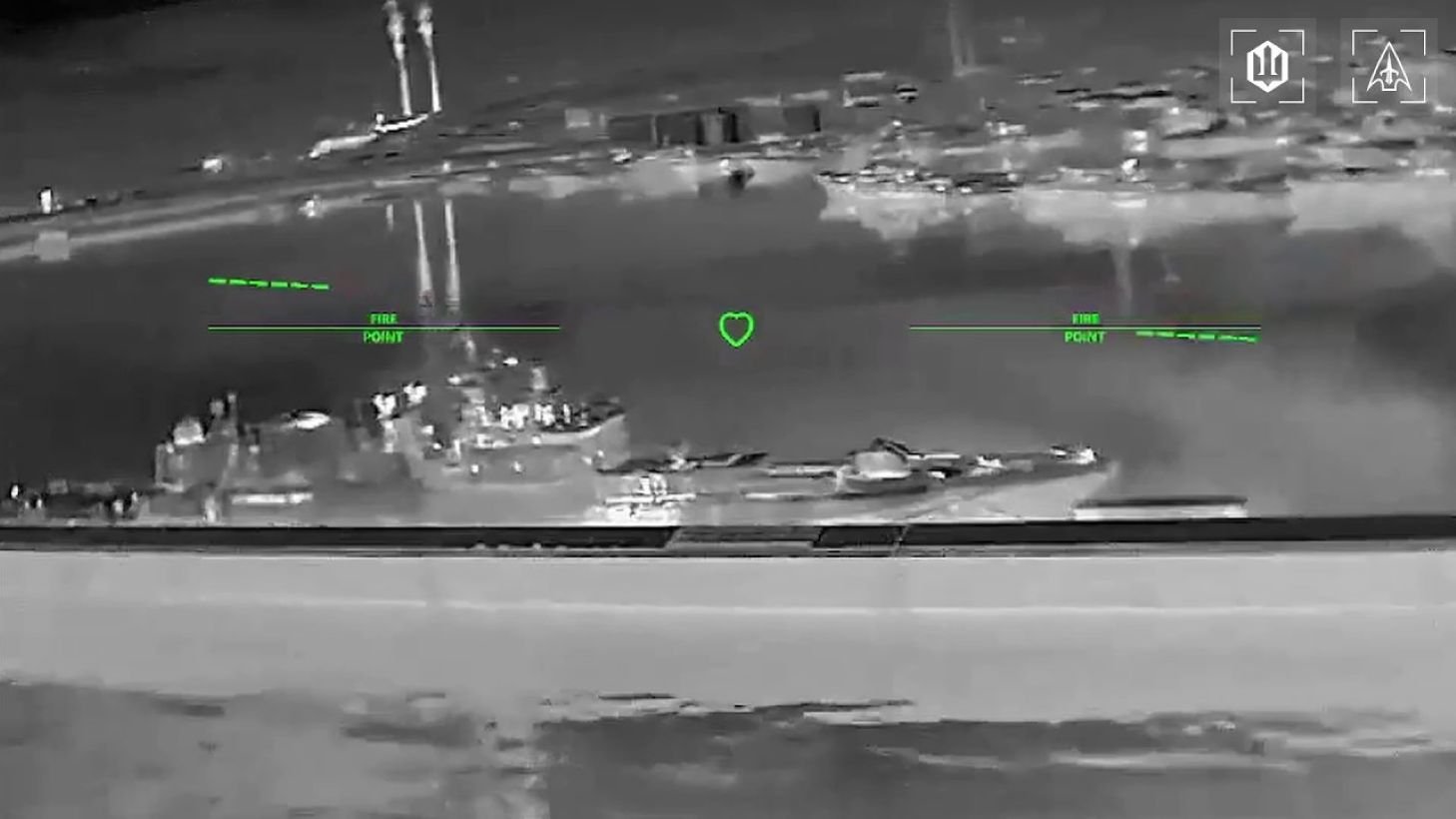
Ukrainian forces struck the Russian Black Sea port of Novorossiysk on March 2, damaging three naval vessels and killing three sailors, according to a source in Ukraine’s Security Service (SBU). Fourteen additional personnel were reportedly injured.
The SBU source said the operation was conducted in coordination with Ukraine’s Defense Forces. The minesweeper Valentin Pikul was hit, while two anti-submarine ships, the Yeysk and the Kasimov, sustained what the source described as severe damage. A fire at the port reportedly burned throughout the night.
In addition to naval vessels, the strike allegedly damaged six of seven oil-loading berths at the Sheskharis oil terminal, other port infrastructure, a 30N6E2 guidance radar associated with the S-300PMU-2 Favorit air defense system, and a Pantsir-S2 air defense missile system.
Novorossiysk has grown in strategic importance since repeated Ukrainian strikes on Russian-occupied Crimea reduced the operational capacity of facilities there. The port now serves as a principal logistics and basing hub for Russia’s Black Sea Fleet.
Escalating Drone Attacks on Rail Infrastructure
Russian drone attacks targeted Ukrainian railway infrastructure and passenger trains on March 4, injuring at least one railway worker, Deputy Prime Minister for Reconstruction Oleksii Kuleba reported. The strikes form part of what Ukrainian officials describe as an intensified campaign against rail assets since July 2025.
Ukrzaliznytsia, Ukraine’s state railway operator, said that since the beginning of March, Russia has conducted 18 strikes on railway infrastructure, averaging six per day. The company stated it coordinates with the military to monitor airspace along rail routes and implements safety protocols when threats are detected, including rerouting trains and evacuating passengers.
In Mykolaiv Oblast, a drone struck an empty train undergoing maintenance, injuring one railway employee. In a separate incident in Odesa Oblast, a strike on railway infrastructure injured two children and another railway worker, according to Kuleba.
Russian LNG Tanker Fire in Mediterranean
A Russian-flagged liquefied natural gas tanker, the Arctic Metagaz, caught fire in the Mediterranean Sea, multiple media outlets reported on March 3. Reuters, citing maritime sources, said the vessel was ablaze near Malta, while other reports placed the incident closer to Libya’s coastline.
One source told Reuters that the fire may have resulted from a Ukrainian naval drone attack, though this has not been independently confirmed. Russian state media outlet TASS, citing the Russian Ministry of Transport, reported on March 4 that Ukrainian sea drones attacked the tanker.
The Arctic Metagaz is under sanctions from the United States, European Union, and United Kingdom. The vessel is suspected of operating within Russia’s so-called “shadow fleet,” a network of tankers characterized by opaque ownership structures, flags of convenience, and irregular shipping practices used to transport Russian oil and gas despite Western restrictions.
Broader Military Developments
Separately, Russian President Vladimir Putin signed a decree increasing the authorized strength of Russia’s regular armed forces to nearly 2.4 million personnel. The move marks another expansion of military manpower amid ongoing hostilities.
The reported strikes at sea, against rail infrastructure, and on energy-linked maritime assets underscore the widening geographic scope of the conflict, extending from the Black Sea to the Mediterranean while continuing to affect civilian and logistical networks within Ukraine.
  • Text Only
Joint U.S.-Ecuador Operations Target Designated Trafficking Groups
U.S. Southern Command (SOUTHCOM) announced Tuesday that American and Ecuadorian forces have begun joint military operations in Ecuador aimed at dismantling what it described as “narco-terrorist” organizations. In a statement, SOUTHCOM said the mission seeks to confront groups responsible for “terror, violence, and corruption” across the hemisphere.
The operation marks the first publicly announced U.S. ground mission in South America since the high-profile raid targeting Venezuelan President Nicolás Maduro. It is also the first confirmed mission since U.S. troops returned this winter to a former American military facility in Ecuador.
Scope and Assets Remain Unclear
Details regarding the size, duration, and specific objectives of the deployment have not been disclosed. SOUTHCOM did not specify the number of U.S. personnel involved or the geographic areas of operation within Ecuador.
Video released by the command shows a helicopter, appearing to be an Airbus Super Puma, on the ground alongside aerial black-and-white footage that resembles drone or surveillance aircraft imagery. The footage depicts ground forces moving toward helicopters, suggesting air mobility support as part of the mission.
SOUTHCOM has not publicly identified the targeted groups beyond describing them as “Designated Terrorist Organizations.”
Background on Designations and Local Context
In 2025, the Trump administration designated two Ecuadorian drug trafficking organizations, Los Lobos and Los Choneros, as Foreign Terrorist Organizations. Both groups have been linked to escalating violence, prison unrest, and organized criminal activity in Ecuador in recent years.
Ecuadorian President Daniel Noboa announced earlier this week that the country would begin a “new phase against drug trafficking and illegal mining,” including joint operations with regional allies such as the United States. The announcement followed a two-day visit to Ecuador by Marine Gen. Francis Donovan, the newly appointed head of SOUTHCOM, who met with senior Ecuadorian officials.
U.S. Military Presence and Legal Framework
Although Ecuadorians rejected a November referendum that would have permitted the return of permanent foreign military bases, the United States confirmed in December that it was deploying an unspecified number of troops to assist Ecuador’s armed forces in countering drug trafficking. Personnel have been stationed at the former U.S. base in Manta, currently operated by Ecuador’s military.
SOUTHCOM previously stated that the mission would be “short-term” and conducted under existing bilateral agreements and in accordance with Ecuadorian law.
Broader Regional Counter-Drug Campaign
The Ecuador operation aligns with a broader Department of Defense campaign targeting narcotics trafficking in Latin America and surrounding waters. Since September, U.S. military aircraft have conducted dozens of strikes against small vessels in the Caribbean and eastern Pacific suspected of drug smuggling. The administration has reported that approximately 150 individuals have been killed in those actions.
Officials have framed the expanded military involvement as part of a regional effort to disrupt trafficking networks and associated violence, though questions remain regarding operational transparency and long-term objectives.
  • Text Only
PrSM Employed in Combat for First Time During Operation Epic Fury
US Central Command (CENTCOM) confirmed that the US Army’s Precision Strike Missile (PrSM) has been used in combat for the first time since its fielding in late 2023. The employment occurred during Operation Epic Fury, according to an official statement posted on CENTCOM’s social media channels.
“In a historic first, long-range Precision Strike Missiles (PrSMs) were used in combat during Operation Epic Fury, providing an unrivaled deep strike capability,” the command stated. Adm. Brad Cooper, CENTCOM commander, said the operation demonstrated the military’s ability to leverage innovation to create operational challenges for adversaries.
CENTCOM did not provide additional details regarding the specific targets struck by the missile.
Launch Platform and Capabilities
Video released by CENTCOM showed a PrSM launched from a M142 High Mobility Artillery Rocket System (HIMARS) in a desert environment. The missile is also compatible with the M270A2 Multiple Launch Rocket System (MLRS).
The missile used appears to be part of the PrSM Increment 1 configuration. Developed by Lockheed Martin, Increment 1 is designed to replace the MGM-140 Army Tactical Missile System (ATACMS). It offers a range of at least 500 kilometers, providing extended reach compared to legacy systems and enhancing the Army’s long-range precision fires capability.
Increment 1 is currently the only fielded variant of the PrSM program.
Planned Future Variants
The Army has outlined multiple follow-on increments to expand the missile’s functionality and range. PrSM Increment 2 is expected to incorporate a multimode seeker known as the Land-Based Anti-Ship Missile seeker, enabling maritime targeting capabilities.
Increment 3 is planned to introduce enhanced lethality payloads. Meanwhile, competing industry teams—one led by Lockheed Martin and another by Raytheon Technologies and Northrop Grumman—are developing concepts for Increment 4. This version aims to exceed 1,000 kilometers in range, effectively doubling the reach of the current system.
The Army has also signaled interest in a fifth iteration capable of ranges beyond 1,000 kilometers and launch from an autonomous platform, though those efforts remain in development.
Broader Strike Package in Operation Epic Fury
CENTCOM has confirmed that Operation Epic Fury has involved a range of US military assets. These include B-2 Spirit bombers, F-35 Lightning II fighter aircraft, and the Low-cost Unmanned Combat Attack System (LUCAS), a one-way attack drone described as being modeled after Iran’s Shahed-136 system.
Army air and missile defense assets deployed during the operation include Patriot and Terminal High Altitude Area Defense (THAAD) systems, along with other counter-drone capabilities that were not specified.
According to CENTCOM statements, targets have included command and control centers, ballistic missile and drone facilities, Iranian naval vessels and submarines, airfields, and headquarters associated with the Islamic Revolutionary Guard Corps.
  • Text Only
Qatar Downs Two Iranian Su-24MK Bombers During Airspace Intercept
Qatar’s Ministry of Defense confirmed on March 2, 2026, that the Qatar Emiri Air Force shot down two Iranian Su-24MK tactical bombers as they approached national airspace. The engagement occurred on the third day of combat operations associated with Operation Epic Fury, also referred to as Roaring Lion. It marks the first confirmed destruction of an Iranian aircraft in flight since the outbreak of the 2026 Iran war.
According to the ministry, the aircraft were intercepted immediately after detection in accordance with established operational plans. The air force conducted the aircraft engagement, while additional defensive actions were carried out across the country the same day.
Ballistic Missile and Drone Interceptions
Qatar reported intercepting seven ballistic missiles and five drones targeting multiple locations. All ballistic missiles were destroyed before reaching their intended targets. Drone interceptions involved both the Qatar Emiri Air Force and the Qatar Emiri Navy Forces.
Earlier on March 2, two drones struck near a power plant in Mesaieed and an energy installation in Ras Laffan Industrial City. Authorities stated that damage assessments were ongoing at the time of the announcement.
The Qatar Emiri Air Force operates F-15QA Ababil, Eurofighter Typhoon, and Dassault Rafale fighters for air defense missions. These aircraft operate alongside ground-based systems, including Patriot and NASAMS batteries. Officials did not specify whether the Su-24MKs were downed by fighter aircraft or surface-to-air missile systems.
Iran’s Su-24MK Fleet and Capabilities
Iran acquired its first Su-24MK aircraft from the Soviet Union between 1990 and 1992. During the 1991 Gulf War, 24 Iraqi Su-24 bombers were flown to Iran and later integrated into the Islamic Republic of Iran Air Force. By 2013, approximately 30 aircraft were reported operational, though some have since been lost in accidents.
The Su-24MK is the export version of the Su-24M tactical bomber, designed for long-range strike missions. It features a variable-geometry wing, twin Lyulka AL-21F-3A turbojet engines, and a maximum takeoff weight of 43,755 kg. The aircraft can reach speeds of 1,654 km/h at altitude and has a ferry range of 2,775 km.
Armament includes a 23 mm GSh-6-23M internal cannon and up to 8,000 kg of ordnance across nine hardpoints. Compatible munitions include guided and unguided bombs, anti-radiation missiles, anti-ship missiles, and standoff strike weapons. The platform has also been used as a launch platform for Iran’s Asef air-launched cruise missile, unveiled in 2023.
The Su-24MK remains one of Iran’s primary dedicated strike aircraft, regularly participating in long-range and night training exercises involving coordinated operations with other aircraft, drones, and air defense units.
  • Text Only
France Announces “Forward Deterrence” Strategy
French President Emmanuel Macron has announced that France will increase its nuclear arsenal and, for the first time, permit the temporary deployment of nuclear-armed aircraft to allied European countries. The policy, described as “forward deterrence,” is intended to strengthen Europe’s strategic autonomy amid ongoing security concerns linked to Russia’s invasion of Ukraine and shifting U.S. defense priorities.
Speaking at the L’Ile Longue naval base, home to France’s ballistic missile submarines, Macron said the initiative would allow “the temporary deployment of elements of our strategic air forces to allied countries.” He emphasized that any decision to use France’s nuclear weapons would remain solely under the authority of the French president.
Scope of Allied Cooperation
Macron confirmed that discussions on deterrence cooperation have begun with Britain, Germany, Poland, the Netherlands, Belgium, Greece, Sweden, and Denmark. France will also invite partner nations to participate in nuclear deterrence exercises and permit non-nuclear allied forces to take part in related activities.
Germany signaled support for deeper integration. In a joint statement, Macron and German Chancellor Friedrich Merz said the two countries would expand deterrence cooperation this year, including German conventional participation in French nuclear exercises and joint visits to strategic facilities. Dutch officials informed lawmakers that talks with France are intended to complement, not replace, NATO’s collective defense and nuclear umbrella. Polish Prime Minister Donald Tusk also expressed support for enhanced cooperation.
Macron ruled out the possibility of German aircraft carrying French nuclear weapons, despite earlier public discussion of the concept.
Expansion of Nuclear Arsenal
Macron further announced an increase in France’s nuclear warhead count, currently reported at fewer than 300. He did not specify the new total but said the move would ensure the “assured destructive power” of France’s deterrent. It marks the first expansion of France’s arsenal since at least 1992.
France has been the European Union’s only nuclear power since the United Kingdom left the bloc in 2020. The U.K., while no longer an EU member, remains a NATO ally and Western Europe’s only other nuclear-armed state. In July, France and Britain adopted a declaration allowing their independent nuclear forces to be coordinated.
Strategic Context in Europe
European leaders have increasingly questioned the long-term reliability of U.S. security guarantees under NATO’s nuclear umbrella. Macron said recent shifts in U.S. defense strategy and emerging global threats underscore the need for Europe to assume greater responsibility for its own security.
He cited evolving adversary defenses, the rise of regional powers, potential coordination among rival states, and proliferation risks as factors behind the decision to reinforce France’s nuclear posture. While opening new avenues for cooperation, Macron reiterated that command and control of France’s nuclear weapons will remain exclusively national.
The announcement positions France at the center of efforts to reshape Europe’s deterrence framework while maintaining alignment with NATO structures.
  • Text Only
RAF F-35s Record First Combat Kill Over Jordan
British Royal Air Force F-35B Lightning II aircraft have achieved their first confirmed combat kill, downing hostile drones over Jordan, the UK Ministry of Defence announced Tuesday. The engagement marks the first time an RAF F-35 has destroyed a target during operational deployment.
According to the ministry, the stealth fighters were supported by Typhoon aircraft and a Voyager aerial refueling tanker during the mission. The interception occurred amid escalating regional tensions following Iranian retaliatory strikes against US and Israeli targets.
Broader Drone Interceptions Across the Region
In addition to the Jordan operation, British forces intercepted multiple drones across the Middle East within a 24-hour period. An RAF Typhoon fighter shot down an Iranian drone headed toward Qatar using an air-to-air missile, while other counter-drone actions were conducted in Iraqi airspace.
Iran has launched hundreds of ballistic missiles, cruise missiles, and one-way attack drones at targets across the region since hostilities intensified. Strikes have targeted Israel, Gulf States, and installations hosting US forces. A recent attack on a US military base killed at least six American service members and injured several others.
British military facilities have also been affected. The Ministry of Defence confirmed that a suspected drone struck RAF Akrotiri in Cyprus. No casualties were reported, but the incident prompted additional defensive measures.
Capabilities of the RAF F-35B Fleet
The UK operates the F-35B variant of the Lockheed Martin-produced fighter, designed for air-to-air, air-to-surface, and electronic warfare missions. The aircraft’s short takeoff and vertical landing (STOVL) capability allows it to operate from aircraft carriers, amphibious assault ships, and austere forward bases.
The United Kingdom began receiving F-35 aircraft in 2012, and the fleet reached initial operational capability in 2018. The platform’s stealth characteristics and sensor integration are intended to provide enhanced survivability and situational awareness in contested environments.
Recent deployments have reinforced RAF presence in Cyprus, where additional F-35s, radar systems, counter-drone equipment, and ground-based air defenses have been positioned in response to rising regional threats.
Naval Reinforcements in Eastern Mediterranean
The UK government has also announced the deployment of the Type 45 destroyer HMS Dragon to the Eastern Mediterranean. The vessel is equipped with advanced air defense systems designed to counter missile and drone threats. Wildcat helicopters armed with Martlet missiles will accompany the deployment to enhance counter-drone capabilities.
Defence Secretary John Healey stated that the measures are intended to strengthen Britain’s defensive posture rather than signal offensive involvement in the conflict.
Air defense engagements have intensified across the Middle East since the United States and Israel initiated strikes on Iranian targets. Allied forces report intercepting hundreds of retaliatory missiles and drones over recent days, underscoring the scale of ongoing aerial exchanges.
The RAF’s confirmed F-35 combat engagement represents a milestone for the UK’s fifth-generation fleet as regional air defense operations continue.
  • Text Only
Ukraine Reports Net Territorial Gains in February 2026
Ukrainian forces captured more territory in February 2026 than Russian troops seized during the same period, Commander-in-Chief Oleksandr Syrskyi said on March 2. The statement follows a winter slowdown in Russian advances across much of the front line, while Ukrainian units conducted offensive actions in select sectors.
Syrskyi described the period as a difficult winter campaign, noting that Ukraine’s relative territorial gains were the highest since the start of its incursion into Russia’s Kursk Oblast in summer 2024. On Feb. 21, President Volodymyr Zelensky said Ukrainian forces had liberated 300 square kilometers in what he characterized as a counteroffensive operation.
Southern Front Sees Increased Activity
Offensive activity was most visible along the southern front, particularly near the boundary between Zaporizhzhia and Dnipropetrovsk oblasts. Dozens of videos circulated in February showing Ukrainian assaults in the area, which lacks significant natural defensive features and has remained one of the most fluid sectors since autumn 2025.
Russian forces had previously advanced there against comparatively weaker Ukrainian brigades. However, the front has since stabilized. Open-source analysts describe much of the current fighting as occurring within a contested “grey zone,” with infiltrations by both sides. Trackable Ukrainian advances appear to involve clearing operations rather than the seizure of established Russian defensive lines.
Mapping Data Reflects Slower Russian Progress
Independent open-source mapping project Deep State reported that Ukraine lost 126 square kilometers in February, the lowest monthly territorial loss since summer 2024. While Russian gains in Zaporizhzhia and Dnipropetrovsk oblasts have largely stalled, the project noted continued Russian advances near occupied Siversk in Donetsk Oblast.
Deep State has not yet incorporated the reported Ukrainian counterattacks in the southern sector into its public maps, citing operational security considerations and a cautious verification process.
Winter Conditions Shape Battlefield Dynamics
As in the previous winter, cold weather has generally favored defensive operations. Harsh conditions and limited cover have complicated Russian small-group infiltration tactics, with many units reportedly unable to traverse drone-monitored “kill zones” without detection.
Weather-related constraints, including fog and reduced battery performance, have affected drone operations on both sides. Despite these limitations, Syrskyi said Russian personnel losses have averaged above 1,000 per day during the winter, exceeding Moscow’s recruitment capacity. Similar assessments have previously been voiced by Unmanned Systems Forces commander Robert “Madyar” Brovdi.
Accurate measurement of territorial control remains increasingly difficult due to the fluidity of front-line positions and limited independent verification. Nonetheless, February’s data and official statements indicate a relative shift in momentum compared with earlier periods of the conflict.
  • Text Only
Three U.S. F-15s Lost Over Kuwait in Allied Air Defense Misidentification
The United States Central Command has confirmed that three U.S. fighter jets were shot down by friendly fire during Operation Epic Fury, marking the first confirmed U.S. aircraft losses of the conflict, not due to Iranian action, but to a misidentification by allied air defenses.
According to CENTCOM, the incident occurred late March 1 during active combat operations over Kuwait, as coalition forces responded to a dense and rapidly evolving threat environment involving Iranian missiles, drones, and aircraft.
What Happened
CENTCOM stated that three U.S. Air Force F‑15E Strike Eagle fighters were mistakenly engaged by Kuwaiti air defense systems while conducting operations in support of Epic Fury. The shootdown was described as an “apparent friendly fire incident” in a saturated battlespace with multiple overlapping air and missile defense engagements.
All six aircrew members, two per aircraft, successfully ejected and were recovered safely, with no life-threatening injuries reported.
Not an Iranian Shootdown
U.S. officials were explicit that Iran did not shoot down the aircraft. The losses occurred amid heightened regional air defense activity as Iranian forces launched missiles and drones toward U.S. and allied positions, forcing coalition defenses into near-continuous engagement.
Defense officials emphasized that misidentification risk increases sharply when multiple allied air defense systems, combat aircraft, and hostile aerial threats operate simultaneously — a condition now present across much of the Middle East theater.
Kuwait and U.S. Launch Joint Investigation
Kuwaiti authorities have acknowledged the incident and are cooperating with U.S. forces in a joint investigation to determine how the aircraft were misidentified and engaged. CENTCOM said early findings point to identification and coordination failures, not equipment malfunction or hostile deception.
No changes to U.S.–Kuwaiti basing or cooperation have been announced, and officials on both sides stressed that the incident does not alter the broader alliance posture.
Operational Context
The shootdowns occurred during one of the most complex air operations the U.S. has conducted in the region in decades, involving:
Carrier-based aircraft
Land-based U.S. and allied fighters
Multiple national air defense networks
High volumes of Iranian missiles and drones
The loss of the aircraft underscores the risk inherent in coalition air warfare, even when air superiority is uncontested.
Impact on Operation Epic Fury
CENTCOM stated that air operations have continued uninterrupted and that the loss of the three aircraft has not degraded U.S. strike capability. Additional coordination measures and identification safeguards are reportedly being implemented to reduce the risk of further incidents.
While friendly fire incidents are rare, they are not unprecedented in large-scale, multinational operations — particularly during the opening phases of high-intensity conflict.
  • Text Only
In an escalating phase of Operation Epic Fury, the USS Gerald R. Ford has entered active support of U.S. combat operations against Iran, marking a significant intensification of American naval involvement in the conflict.
According to United States Central Command (CENTCOM), the nuclear-powered supercarrier is “in the fight” and has been conducting sorties from its flight deck in support of strikes against Iranian military infrastructure and strategic targets. The carrier’s aircraft, including fighters and support platforms, have flown missions as part of the broader joint operation with Israeli forces that began on February 28.
Ford Takes the Lead in Naval Air Operations
The Gerald R. Ford’s move into an active combat posture follows its deployment to the Middle East earlier in the crisis. The carrier, one of the most advanced warships in the U.S. fleet, has provided aircraft launch capability from the Eastern Mediterranean, enhancing U.S. reach and persistence in the operational theater.
Officials say that Ford’s air wing provides:
Air superiority and strike missions against Iranian targets
Intelligence, surveillance, and reconnaissance (ISR) capability
Electronic warfare support for integrated theatre operations
These capabilities help sustain the intensity and tempo of Epic Fury beyond shore-based assets alone.
False Claims About USS Abraham Lincoln Hit
Over the weekend, Iranian media and state announcements claimed that ballistic missiles had struck the USS Abraham Lincoln in the Gulf, in what Tehran described as a successful retaliatory strike against American naval assets.
U.S. military sources, however, categorically denied these reports. CENTCOM explicitly stated that the missiles “didn’t even come close” to the Lincoln, and that the carrier continued flight operations supporting the campaign.
This clarification aligns with Pentagon and Navy guidance that no U.S. carrier has been struck by Iranian missiles during the current conflict — a discrepancy that has prompted fact-checking by multiple defense sources.
Abraham Lincoln’s Role Continues
The Abraham Lincoln Carrier Strike Group was already positioned in the Middle East prior to the outbreak of Epic Fury, having sailed into the region before major hostilities began. It has remained active throughout, launching aircraft and contributing to carrier-based strike and support missions integral to ongoing U.S. military operations.
Despite Iranian assertions of missile impacts, there is no verified evidence of damage to the ship or any interruption of its operational readiness.
The Broader Naval Picture
The inclusion of the Gerald R. Ford alongside the Abraham Lincoln underscores the central role of U.S. naval air power in Operation Epic Fury, where:
Combined carrier air wings extend strike reach far beyond land bases
Naval assets support sustained engagement and maritime security
Surface warships provide missile defense and launch cruise missiles as part of coordinated attacks on Iranian military infrastructure
This deployment reflects one of the largest concentrations of American naval aviation in the Middle East in decades, as Epic Fury continues to unfold.
Implications of Carrier Involvement
The active use of carrier airpower signals Washington’s commitment to a prolonged and high-stress operational campaign. The Gerald R. Ford, in particular, brings advanced sortie generation and operational endurance to the theater — an asset likely to prove decisive should naval air operations deepen or expand.
For now, with both carriers operating and missile strike claims refuted by U.S. command authorities, the naval component of Operation Epic Fury remains a critical pillar in Washington’s ongoing military effort against Tehran’s forces.
  • Text Only
The United Kingdom’s involvement in the widening Operation Epic Fury conflict has taken a new turn after an Iranian-made drone strike hit RAF Akrotiri in Cyprus, prompting London to shift toward a more active defensive role while insisting it is not formally at war with Tehran.
Timeline of UK Developments
March 1 – UK Grants U.S. Use of British Bases for Defensive Strikes
Prime Minister Keir Starmer announced that the United Kingdom would allow United States Armed Forces to use British military facilities — including RAF bases — for specific and limited defensive strikes against Iranian missile depots and launchers. Starmer emphasized that the decision was made to protect British citizens and regional allies after Iranian missile and drone attacks targeting U.S. and allied facilities. The UK clarified it would not participate in offensive strikes on Iran’s civilian infrastructure or broader targets.
Starmer framed the action as collective self-defense under international law, asserting that permission was granted to prevent further Iranian missiles from being launched across the Middle East region.
Late March 1 / Overnight – Drone Strike Hits RAF Akrotiri in Cyprus
Within hours of Starmer’s announcement, a suspected Iranian-made drone struck the British RAF Akrotiri base in Cyprus — a key sovereign UK military facility that has been used for Middle East operations since the 1960s. Although no British casualties were reported, the drone caused minor damage to the runway and triggered heightened alerts and defensive measures. Two additional unmanned drones were intercepted near the base the next morning.
RAF Akrotiri’s strategic position near the Eastern Mediterranean and Suez route has long made it central to British projection of airpower in the region. This is the first drone strike on the base in decades and reflects the widening geographic footprint of the Iran conflict.
Defensive Engagements Against Iranian Drones
British defense officials have confirmed that UK forces are actively engaging Iranian drones and missiles in defensive operations across the region. RAF Typhoon jets and air defense systems based in the Gulf and Cyprus have intercepted multiple Iranian drones potentially targeting allied facilities, including in Qatar and Iraq. UK personnel stationed at Gulf bases — including a contingent just 200 metres from an Iranian strike in Bahrain — have been involved in defending coalition assets and personnel.
UK Government Position: Defensive, Not at War
Despite these developments, London has been at pains to clarify that the UK is not at war with Iran:
The United Kingdom Ministry of Defence and Foreign Secretary Yvette Cooper have reiterated that British involvement is limited and defensive, aimed at protecting citizens and regional partners while upholding international law.
Cooper dismissed comparisons to past British involvement in Iraq, stressing that the UK’s actions are proportionate, legal, and focused on defense and deterrence.
Authorities are also preparing evacuation plans for British nationals across the region due to the risk environment.
Domestic and Political Reactions
The government’s policy shift has sparked debate at home:
Former U.S. President Donald Trump has criticized Starmer for delaying the decision to grant U.S. forces access to British bases, calling the pause disappointing.
Opposition voices and defense analysts have expressed concern that the UK’s defensive support could nonetheless draw the country into deeper involvement if the conflict broadens.
Strategic and Regional Context
The decision to authorize U.S. use of British bases for defensive operations comes amid escalating conflict after U.S. and Israeli strikes on Iran earlier this week, which included hits on leadership and missile infrastructure. In response, Tehran has launched missiles and drones against U.S. and allied facilities across the Gulf and Eastern Mediterranean region, including attacks near Kuwait, Bahrain, and now Cyprus.
The UK’s shift reflects a broader trend of regional allies balancing defensive responses with diplomatic caution as the conflict spreads beyond Iranian territory.
Outlook
For now, the UK maintains it is not at war but is participating in regional defensive operations with allies. The RAF’s role in drone interception and the use of British bases for U.S. defensive targeting mark a new phase in London’s involvement as Operation Epic Fury continues to evolve.
  • Text Only
Afghan Forces Fire on Pakistani Jets as Conflict Enters Fourth Day
Fighting between Afghanistan and Pakistan escalated sharply today, with Afghan forces firing on Pakistani aircraft over Kabul, marking one of the most serious developments yet in a conflict that both sides now describe as open warfare.
According to multiple international reports, explosions and gunfire were heard in the Afghan capital as Afghan air defenses engaged Pakistani jets amid claims of attempted strikes on Bagram Air Base, a strategically significant site north of Kabul. The engagement underscores how the conflict has expanded beyond border clashes into direct state-to-state military confrontation.
Afghan Claims: Airstrike Attempt Thwarted
Afghan officials stated that Pakistani aircraft attempted to strike Bagram Air Base, prompting defensive fire from Afghan forces. Taliban authorities claimed the attack was repelled, though Pakistan has not publicly confirmed the specific incident.
Independent verification of aircraft damage or losses remains unavailable, but the incident marks the first reported instance of active air defense engagement over Kabul since the conflict erupted.
Pakistan: “Open War” With Taliban-Led Afghanistan
Pakistani officials have characterized the conflict as a state of “open war”, citing repeated attacks on Pakistani border posts and military positions allegedly launched from Afghan territory. Islamabad has accused the Afghan Taliban government of harboring or failing to control militant groups operating against Pakistan, particularly the Tehreek-e-Taliban Pakistan (TTP).
Pakistan has conducted air and missile strikes deep inside Afghanistan over the past several days, targeting what it says are militant training camps and command sites. Afghan authorities dispute those claims, accusing Pakistan of striking civilian areas and violating Afghan sovereignty.
Fighting Spreads Beyond Border Regions
What began as cross-border shelling and limited airstrikes has now expanded into a broader conflict involving:
Air operations near and over Kabul
Strikes around major military installations, including Bagram
Sustained exchanges along the eastern Afghan–Pakistani border
Claims of ground offensives and counter-offensives on both sides
The widening scope of combat has raised concerns among regional and international observers that the conflict could destabilize already fragile security conditions across South and Central Asia.
Civilian Impact and Competing Casualty Claims
Both sides have reported significant enemy casualties, though figures remain contested and difficult to independently verify. Afghan officials accuse Pakistan of causing civilian deaths through airstrikes, while Pakistan claims it has killed large numbers of Afghan fighters in retaliatory operations.
International organizations and foreign governments have urged caution, warning that civilian casualties could rise rapidly if air operations continue near major population centers.
International Calls for De-Escalation
The escalation has drawn renewed calls for restraint from international actors, including the European Union, which urged both governments to halt hostilities and return to dialogue. So far, there is no indication of ceasefire talks, and neither side has announced plans to de-escalate.
Diplomatic efforts appear limited, with military operations continuing despite international pressure.
A Dangerous New Phase
The engagement over Kabul represents a significant threshold crossing in the Afghanistan–Pakistan conflict. Direct air defense activity near a national capital signals a shift from punitive cross-border strikes to sustained military confrontation, raising the risk of miscalculation and broader regional involvement.
As of today, there are no confirmed ceasefire discussions, and both sides appear committed to continuing military operations.
  • Text Only
Maritime Warfare Emerges as a Central Front in the U.S.–Iran Conflict
As Operation Epic Fury continues, naval combat has emerged as a significant and increasingly visible component of the conflict, with the United States Navy confirming strikes against Iranian naval assets and Iranian forces attempting to contest maritime control across the Persian Gulf and surrounding waters.
U.S. officials have stated that degrading Iran’s naval capabilities is a deliberate component of the operation, aimed at neutralizing Tehran’s ability to threaten freedom of navigation, regional bases, and commercial shipping.
U.S. Confirms Strikes on Iranian Warships
President Trump stated that U.S. forces have destroyed and sunk multiple Iranian naval vessels as part of ongoing operations, marking one of the most direct U.S.–Iran naval confrontations in decades. Subsequent defense reporting confirmed that Iranian surface combatants and support vessels were struck both at sea and while docked at port facilities.
Among the confirmed targets was an Iranian Jamaran-class corvette, reportedly struck at its berth, rendering it inoperable and sinking at port. Additional strikes reportedly hit Iranian naval headquarters and logistics facilities, further degrading Iran’s maritime command-and-control capacity.
While Iran has not released a full accounting of naval losses, the scale and tempo of U.S. strikes suggest a concerted effort to remove Iran’s conventional navy from the conflict early, preventing coordinated maritime retaliation.
Iranian Naval Posture and Retaliation
Iranian forces have attempted to respond through a combination of missile launches, drone operations, and maritime threats aimed at U.S. and allied naval assets. Tehran has claimed to have targeted U.S. aircraft carriers and warships operating in the region, though U.S. officials have denied that any American vessels were struck or placed in imminent danger.
Iran’s naval doctrine has historically emphasized asymmetric tactics, including anti-ship missiles, fast attack craft, and naval drones, rather than traditional fleet engagements. However, the rapid degradation of Iranian surface combatants appears to have limited Tehran’s ability to execute coordinated naval operations.
Commercial Shipping Drawn Into the Conflict
The naval phase of Operation Epic Fury has also impacted commercial maritime traffic, particularly near the Strait of Hormuz, a critical chokepoint for global energy supplies. Multiple commercial tankers have reported damage amid the escalation, and at least one civilian fatality has been linked to maritime incidents during Iranian retaliation.
Shipping firms and insurers have responded by rerouting vessels, suspending transits, or increasing war-risk premiums, reflecting growing concern that the conflict could disrupt global oil and gas flows even if the strait itself remains formally open.
U.S. Naval Strategy: Sea Control and Containment
Defense analysts note that U.S. naval operations appear focused on:
Achieving sea control across key transit corridors
Preventing Iranian interference with commercial shipping
Neutralizing Iran’s ability to conduct coordinated naval or amphibious operations
Supporting broader air and missile campaigns through carrier-based aviation and missile defense
By rapidly targeting Iranian naval assets, the U.S. appears intent on removing the maritime domain as a viable escalation path for Tehran, forcing Iran to rely on land-based missiles, drones, or proxy actions instead.
Situation Remains Fluid
Despite confirmed U.S. successes at sea, naval operations remain ongoing. Iranian missile and drone capabilities still pose a threat to ships operating in contested waters, and commercial maritime risk remains elevated.
For now, however, the naval balance of power in the Gulf has shifted decisively, with U.S. forces maintaining operational dominance and Iran’s conventional navy suffering significant losses early in the conflict.
  • Text Only
No Formal Ceasefire Offer Confirmed, but Both Sides Signal Openness to Future Talks
As fighting continues under Operation Epic Fury, public discourse has increasingly framed Iran’s statements about rejecting a ceasefire as evidence that Tehran turned down a formal U.S. peace offer. Current reporting, however, does not support that interpretation.
There is no verified confirmation that the United States formally offered Iran a ceasefire that was then rejected. Instead, Iranian statements appear to reflect a broader posture that Tehran is not willing to accept a ceasefire under current combat conditions, rather than a refusal of a specific diplomatic proposal.
No Evidence of a Formal Ceasefire Offer
Neither Washington nor Tehran has publicly released documentation, terms, or official confirmation of a ceasefire proposal tied to the ongoing conflict. U.S. officials have not stated that a ceasefire was formally presented, and Iranian officials have not acknowledged rejecting a defined offer.
What has been reported are public Iranian remarks emphasizing that Iran will not accept a ceasefire while under active attack, a position that has been widely, and often inaccurately, interpreted as the rejection of a U.S.-brokered deal.
This distinction matters. Saying “we will not accept a ceasefire” is not the same as rejecting a ceasefire that was formally offered.
Why the Narrative Took Hold
The confusion appears to stem from the compressed pace of reporting during a rapidly escalating conflict, combined with social media shorthand that collapsed nuanced diplomatic language into a simplified headline: “Iran rejects U.S. ceasefire.”
In reality, no such ceasefire framework has been publicly confirmed in the current war phase.
Signals of Willingness to Talk — Without a Pause in Fighting
At the same time, both sides have openly discussed the possibility of talks, even as military operations continue.
U.S. officials have stated that Washington remains open to discussions with Iran’s leadership, particularly as Tehran navigates internal upheaval following the strikes. President Trump has publicly indicated a willingness to talk “eventually,” while also emphasizing that military pressure remains the priority.
On the Iranian side, officials and intermediaries have signaled conditional openness to dialogue, though not under fire and not framed as an immediate ceasefire. These signals align with Iran’s historical approach of separating battlefield dynamics from diplomatic engagement, rather than offering an immediate halt to hostilities.
Talks About Talks — Not Talks Yet
At present, the situation can best be described as “talks about talks.”
There is:
No confirmed ceasefire offer
No confirmed ceasefire rejection
No announced negotiation timetable
No suspension of combat operations
But there are:
Public statements from both sides acknowledging the possibility of future engagement
Ongoing indirect diplomatic signaling through intermediaries
Clear messaging that diplomacy, if it occurs, will not precede military objectives
The Reality on the Ground
For now, Operation Epic Fury remains an active conflict, with diplomacy operating only at the rhetorical and exploratory level. Any future talks are likely to follow, not interrupt, the current military phase, and would almost certainly require a significant shift in battlefield conditions before formal ceasefire terms are considered.
Until such terms are publicly presented and acknowledged by both governments, claims that Iran has “rejected a U.S. ceasefire” should be treated with caution.
  • Text Only
Belgian Forces Seize Sanctioned Tanker in North Sea Operation
Belgian armed forces have intercepted and seized the oil tanker Ethera in the North Sea, marking the country’s first direct confiscation of a vessel linked to Russia’s so-called shadow fleet. The operation, conducted with French support, represents a shift from administrative sanctions enforcement to active maritime interdiction aimed at curbing Russian energy revenues.
The tanker is being escorted under armed guard to the Belgian port of Zeebrugge, where it will be formally impounded under European Union sanctions authorities. Officials describe the action as a coordinated enforcement measure targeting vessels accused of facilitating sanctioned Russian oil exports.
Operation Blue Intruder and Tactical Execution
The mission, codenamed “Blue Intruder,” was confirmed on February 28, 2026, by Belgian Defense Minister Theo Francken. According to released details, Belgian forces boarded the vessel with assistance from French defense authorities, underscoring bilateral maritime security cooperation in the North Sea.
Images shared publicly show Belgian troops deploying from NH-90 naval helicopters, indicating a vertical insertion approach. Such tactics enable rapid control of a vessel’s bridge and engineering compartments, limiting the possibility of evasive maneuvers, sabotage, or destruction of documentation. The operation demonstrates Belgium’s capacity to conduct high-risk boarding missions in one of Europe’s most heavily trafficked maritime corridors.
Sanctions Context and Ownership Links
The Ethera has been listed under EU restrictive measures since October 2025 due to its alleged role in transporting Russian oil outside established sanctions frameworks. The vessel is also included on the U.S. Treasury Department’s sanctions list.
In a July 2025 statement, U.S. authorities linked the tanker to a maritime network reportedly controlled by Mohammad Hossein Shamkhani, the son of Ali Shamkhani, a senior adviser to Iran’s Supreme Leader. The Israeli military has previously claimed Ali Shamkhani was killed in recent strikes. Western officials have cited these connections as evidence of complex transnational ownership structures used to facilitate sanctioned energy trade.
Strategic Implications for European Enforcement
The North Sea serves as a vital artery for European commerce, offshore energy infrastructure, and NATO naval transit. By intercepting a sanctioned tanker in this region, Belgium reinforces maritime domain awareness and demonstrates readiness to enforce EU measures with operational assets.
The joint dimension of the operation reflects broader NATO interoperability and coordinated responses to hybrid threats involving commercial shipping and state-linked financial networks. Analysts note that repeated interdictions of shadow fleet vessels could increase legal and financial risks for insurers, port operators, and commodity traders operating in regulatory gray areas.
While the seizure may heighten diplomatic tensions, Belgian authorities frame the action as lawful enforcement of existing sanctions. As the Ethera approaches Zeebrugge for formal impoundment, the case is expected to test both the legal durability of EU restrictive measures and the willingness of European states to sustain direct maritime enforcement against sanctioned shipping networks.
  • Text Only
Product Launch and Availability
Henry Repeating Arms began shipping its new Explorer Carbine series on February 19, 2026, following the line’s introduction at the 2026 SHOT Show. The carbines are offered across several of the company’s established centerfire lever-action platforms and incorporate updated finishes and configuration changes intended to enhance durability and field utility.
Design and Finish
Each Explorer Carbine features a Burnt Bronze Cerakote finish applied to the lever, receiver, barrel, and outer magazine tube. According to Henry, the finish draws inspiration from the landscapes of the American Southwest and is the first in a planned series of regionally themed color treatments.
Beyond aesthetics, the Cerakote application is intended to improve resistance to wear and environmental exposure. All models are equipped with a checkered pistol-grip buttstock and fore-end made from American walnut, along with a ventilated rubber recoil pad.
Anthony Imperato, founder and CEO of Henry Repeating Arms, said the Burnt Bronze configuration originated as an internal experiment and quickly distinguished itself, leading to its adoption for the new series.
Configuration and Features
Explorer Carbines are built with 16.5-inch threaded barrels in a carbine-length configuration. Each rifle includes fully adjustable sights and receivers drilled and tapped for optics mounting. Sling swivel studs are installed at the factory to facilitate field carry.
The carbines are designed with an emphasis on portability and balance while maintaining the traditional lever-action format associated with Henry’s centerfire offerings.
Models and Chamberings
The series spans three model designations:
H9 Explorer Carbine: Chambered in .30-30 Winchester and .360 Buckhammer, each with a 4-round capacity. H10 Explorer Carbine: Chambered in .45-70 Government with a 4-round capacity. H12 Explorer Carbine: Chambered in .357 Magnum/.38 Special and .44 Magnum/.44 Special, each with a 7-round capacity. All models share the same general feature set, including the Burnt Bronze finish and walnut furniture.
Pricing and Warranty
The manufacturer’s suggested retail price for the Explorer Carbine line is $1,430. As with other Henry firearms, the rifles are manufactured in the United States and are backed by the company’s lifetime warranty.
  • Text Only
U.S. Service Members Killed and Wounded in Iran Operations
Three American service members were killed and five others seriously wounded during ongoing U.S. military operations against Iran, U.S. Central Command (CENTCOM) confirmed Sunday. The announcement marks the first publicly disclosed U.S. fatalities since the start of the current campaign.
In a statement, CENTCOM said several additional personnel sustained minor shrapnel injuries and concussions and are in the process of returning to duty. The command described the situation as fluid and stated that major combat operations remain underway.
The identities of the deceased have not been released pending notification of their families, consistent with Department of Defense policy.
Operation Epic Fury Underway
The current U.S. campaign, designated Operation Epic Fury, began at approximately 1:15 a.m. Eastern Time on Saturday. According to CENTCOM, the operation involves coordinated air and missile strikes targeting sites inside Iran.
U.S. forces have employed one-way attack drones and long-range precision munitions. Released video footage shows U.S. Navy vessels launching Tomahawk cruise missiles and Army units firing Army Tactical Missile System (ATACMS) rockets from High Mobility Artillery Rocket Systems (HIMARS). The ATACMS platform has a range of up to 186 miles.
CENTCOM has not disclosed the specific targets struck or provided details regarding the circumstances that led to the reported casualties.
Israeli Participation and Regional Escalation
The U.S. strikes began alongside extensive Israeli air and missile operations against Iranian targets. The joint escalation followed heightened regional tensions.
President Donald Trump announced late Saturday that Iran’s Supreme Leader, Ayatollah Ali Hosseini Khamenei, had been killed in airstrikes. Iranian authorities have not independently confirmed the claim as of this reporting.
The broader operational objectives of the U.S. and Israeli campaign have not been formally outlined, though officials have described the strikes as part of an ongoing response effort.
Naval Engagement and Missile Claims
On Sunday, CENTCOM reported that U.S. forces had sunk an Iranian frigate during the course of operations. The command did not specify the location of the engagement or the methods used.
CENTCOM also rejected Iranian claims that the aircraft carrier USS Abraham Lincoln had been struck by four ballistic missiles. In a public statement, the command asserted that the carrier was not hit and that the missiles did not approach the vessel.
No additional damage assessments or casualty figures have been released. U.S. officials continue to characterize the operational environment as dynamic, with further updates expected as events develop.
  • Text Only
Iran’s retaliatory missile and drone strikes following the opening phase of Operation Epic Fury appear to have produced an unintended strategic effect: pushing Gulf states toward tighter coordination against Tehran, after many regional capitals had been working to avoid being pulled directly into a U.S.–Iran war.
While several Gulf governments initially emphasized restraint and de-escalation as the U.S.-Israel strikes unfolded, Iran’s decision to expand its retaliation across the region, including areas hosting U.S. forces and infrastructure, shifted the political and security calculus for neighboring states.
From neutrality to sovereignty red lines
Regional reporting indicates Iran’s retaliation implicated multiple Gulf states that host U.S. military assets, forcing governments to address domestic security and sovereignty concerns rather than treating the war as a contained U.S.–Iran exchange.
In public messaging, Gulf governments have framed Iran’s actions as violations of sovereignty and international law, a notable rhetorical turn in a region where leaders often attempt to hedge during major escalations.
GCC moves toward a coordinated response
The diplomatic shift has been paired with rapid regional coordination. According to Euronews reporting citing AFP and regional diplomatic sources, Gulf countries scheduled a meeting of GCC foreign ministers to discuss a unified response to Iran’s attacks, underscoring the level of urgency and the political signal of collective alignment.
Even if near-term actions remain focused on air and missile defense, base protection, and internal security, the move toward collective decision-making raises the cost to Tehran of continued regional strike patterns and may narrow Iran’s room to exploit divisions among Gulf states.
The strategic risk for Tehran
Iran’s retaliation was widely expected to focus on U.S. and Israeli military targets. But by involving neighboring states, directly or indirectly through cross-border impacts and threatened basing, Tehran may have undermined the very neutrality it has historically tried to preserve among Gulf capitals during periods of escalation.
International diplomacy is also reinforcing that dynamic. European leaders have urged negotiation while condemning Iran’s retaliatory actions against countries in the region, amplifying the narrative that Iran’s response widened the conflict beyond the initial strike exchange.
At the United Nations, emergency Security Council discussions highlighted the escalation risk and the danger of a broader regional war, adding further pressure on all parties, but particularly on any actor seen as expanding the conflict footprint into third countries.
What to watch next
Key indicators of whether this “backfire” solidifies into a lasting alignment will include:
Whether the GCC produces a joint communique naming Iran and outlining collective measures
Any changes in basing access, air defense coordination, or intelligence sharing among Gulf partners
Whether Iran continues retaliatory launches that threaten neighboring territory, or pivots to more “contained” channels
For now, Iran’s retaliation appears to have pushed Gulf states off the fence, not necessarily into full alignment with Washington’s campaign, but into a clearer regional consensus against Iranian strikes crossing sovereign borders.
  • Text Only
Launch of Operation Epic Fury
The United States and Israel initiated a coordinated military campaign against Iran on February 28, 2026, marking one of the largest U.S. combat operations in the Middle East in decades. The Pentagon has designated the campaign “Operation Epic Fury,” while some reporting has referred to it as “Operation Lion’s Roar.”
The opening phase involved extensive use of manned aircraft, cruise missiles, and stand-off strike systems targeting high-value military objectives. U.S. officials describe the operation as focused on degrading Iran’s strategic capabilities, including missile forces, air defenses, and command infrastructure.
Death of Iran’s Supreme Leader
Iranian state media has confirmed that Supreme Leader Ayatollah Ali Khamenei was killed during the initial strikes in Tehran. Foreign reporting has corroborated his death. According to official Iranian statements, the attack struck a secured compound in the capital, killing Khamenei along with several senior officials and members of his family.
The loss of Iran’s highest political and religious authority has created a leadership crisis within the country’s governing structure. The constitutional process for succession is expected to be activated, though the immediate balance of power within the Islamic Republic remains unclear.
Strikes on Military Infrastructure and Leadership
U.S. and Israeli forces have conducted strikes across multiple Iranian cities, targeting command centers, missile bases, air defense systems, and other strategic installations. Satellite imagery shows significant damage in areas around Tehran and additional military sites.
Israeli military statements claim that approximately 40 senior Iranian commanders were killed, including high-ranking officers from both the regular Army and the Islamic Revolutionary Guard Corps (IRGC). Among those reported dead is Chief of Staff Abdolrahim Mousavi. Iranian authorities have not publicly confirmed the full extent of these leadership losses.
Iranian Retaliation Across the Region
Iran has responded with missile and drone strikes against U.S. positions throughout the region, including installations in Bahrain, Qatar, Iraq, Kuwait, the United Arab Emirates, and Jordan. Israeli military infrastructure has also been targeted.
These exchanges have expanded the operational scope of the conflict, with ongoing engagements reported and no confirmed ceasefire in place. Regional air defenses have been activated repeatedly in response to incoming projectiles, and commercial air traffic disruptions have been reported in several Gulf states.
U.S. Casualties and Force Protection
As of the latest official statements, U.S. authorities have reported no confirmed American combat deaths in the opening phase of the conflict. U.S. Central Command attributes the limited impact on personnel and facilities to layered missile defense systems, hardened infrastructure, and pre-positioned force protection measures.
President Donald Trump has acknowledged the potential for casualties as operations continue, citing the scale and complexity of Iranian retaliatory actions.
Tactical and Strategic Developments
The campaign has featured the first reported combat deployment of LUCAS low-cost attack drones, signaling a shift toward scalable unmanned strike capabilities. U.S. forces have also employed long-range precision munitions, cyber operations, and electronic warfare to disrupt Iranian command and control networks.
The conflict follows renewed tensions over Iran’s nuclear enrichment program and the collapse of diplomatic efforts. In Washington, members of Congress have begun debating the legal authorities underpinning the decision to initiate large-scale military action, signaling potential political ramifications as operations continue.
  • Text Only

Editorial Information

Advertisement

Advertisement

Important Information

We have placed cookies on your device to help make this website better. You can adjust your cookie settings, otherwise we'll assume you're okay to continue.

Account

Navigation

Search

Search

Configure browser push notifications

Chrome (Android)
  1. Tap the lock icon next to the address bar.
  2. Tap Permissions → Notifications.
  3. Adjust your preference.
Chrome (Desktop)
  1. Click the padlock icon in the address bar.
  2. Select Site settings.
  3. Find Notifications and adjust your preference.