Skip to content

Advertisement

Advertisement

Uncrowned Armory News

Flashpoints Intensify: A Weekly Overview of Global Conflict Zones
As political volatility persists across multiple continents, the past week has seen renewed clashes, local escalations, and international concern as both high-profile and lesser-known armed conflicts continue to shape the global landscape. This report offers a concise yet comprehensive summary, focusing on both prominent battlegrounds and overlooked struggles.
Ukraine and Russia: Fighting Fluctuates
Eastern Ukraine has experienced another week of fluctuating intensity. While Russian forces fortified gains around Avdiivka and the Kharkiv Oblast, Ukrainian resistance has hampered attempts at deeper territorial penetrations. Both sides have engaged in drone strikes that have targeted supply lines and strategic fuel depots. Civilian areas, particularly in Kharkiv, have again faced casualties as shelling continues, raising humanitarian concerns. Separately, diplomatic overtures regarding peace talks remain stalled amid calls for additional Western military support to Ukraine.
Sudan and the Forgotten Crisis in Darfur
Away from global headlines, Sudan’s civil conflict, especially in the Darfur region, continues to take a heavy toll. Over the past week, paramilitary Rapid Support Forces (RSF) clashed with Sudanese Armed Forces near Al Fasher, the last major city not under full RSF control in Darfur. Witnesses report indiscriminate shelling in civilian areas and swelling refugee numbers. International organizations warn that the humanitarian crisis is reaching catastrophic levels, with limited access for aid convoys heightening risks of famine-driven displacement.
Myanmar: Military Pressure and Ethnic Resistance
Fighting in Myanmar intensified as ethnic armed organizations consolidated recent territorial advances in the north and east. The military junta struggles to regain lost ground in strategic towns like Myitkyina, relying on airstrikes to break resistance. Meanwhile, Chin and Kachin State communities face fresh displacements as roads and villages come under fire. Despite being underreported, the ongoing struggles have fractured traditional alliances and complicated peace mediation efforts by neighboring ASEAN countries.
Sahel Region: Intensified Insurgencies in West Africa
Violence in the Sahel, particularly in Burkina Faso and Mali, has surged following coordinated attacks by jihadist groups. This week, security forces in Ouagadougou confirmed ambushes on convoys and villages, resulting in dozens of casualties. In Mali, renewed clashes between government troops and Tuareg separatists near Kidal signal a resurgence of older conflicts, further destabilizing the region’s fragile security architecture as UN peacekeepers draw down their presence.
Latin America: Colombia’s Path to Peace Remains Fraught
In Colombia, the government’s ongoing ceasefire with the National Liberation Army (ELN) came under strain after armed confrontations in Arauca province. Despite peace talks, several rural communities have reported extortion and forced recruitment by both guerrilla outfits and paramilitary successor groups. Security analysts caution that a “shadow war” continues beneath the veneer of official negotiations, threatening hard-won stability in critical zones.
Ongoing Tensions: Snapshot of Other Global Hotspots
Reports from Israel and the Palestinian Territories indicate sporadic but deadly exchanges in Gaza and the West Bank, as negotiations for renewed ceasefires stall. In Yemen, intermittent fighting between Houthi forces and a Saudi-backed coalition persists around the city of Marib. Additionally, protests in northern Kosovo over local governance escalated into brief skirmishes, renewing anxieties over Balkan stability.
Outlook: Conflict’s Human and Political Impact
This week’s developments echo longstanding themes—entrenched violence, elusive peace, and the growing humanitarian repercussions. From well-known flashpoints to neglected battlefields, each conflict zone reveals the persistent challenges facing policymakers and civilians alike. As the geopolitical climate remains unsettled, the international community continues to grapple with the imperative of long-term conflict resolution versus the realities of immediate crisis response.
  • Text Only
Escalation of Violence in Gaza and Israel
The conflict between Israel and Hamas in the Gaza Strip has entered its ninth month, with intensified Israeli military operations in Rafah and repeated airstrikes across the strip. Despite international efforts calling for a ceasefire, civilian casualties continue to mount amid relentless urban combat and humanitarian blockades. A fragile pause in hostilities brokered by mediators briefly allowed for a surge in aid deliveries, but hostilities resumed following failed negotiations over prisoner releases and security guarantees. The ongoing siege and displacement crisis have left over a million Palestinians in dire conditions, with aid agencies warning of severe shortages and a worsening health crisis.
Renewed Tensions in Ukraine-Russia War
Eastern Ukraine witnessed heavy combat this week as Russian forces launched coordinated assaults in Kharkiv and Donetsk regions, seeking to advance along strategic axes. Ukrainian defenders repulsed multiple attacks, but missile and drone strikes on civilian centers raised alarm over the safety of non-combatants. Political responses from Western allies included promises of missile defense support and fresh sanctions, while Russian statements signaled ongoing mobilization. As the war grinds on, both sides remain entrenched, and sporadic cross-border skirmishes continue to fuel broader instability across the region.
Spillover and Political Turbulence in Sudan
Sudan’s civil conflict between the Sudanese Armed Forces and the paramilitary Rapid Support Forces deepened over the past week, with fierce clashes reported in El Fasher and new displacement in the Darfur region. Humanitarian organizations raised the alarm over ethnic violence and shrinking corridors for relief workers. Regional actors attempted to broker peace, but fighting spilled into populated centers, further complicating efforts to stabilize the situation. International observers warn that the worsening situation could trigger a broader refugee crisis and undermine fragile political frameworks across the Horn of Africa.
Persistent Instability in Myanmar
Myanmar’s ongoing internal conflict showed no sign of abating as ethnic armed groups and the junta clashed in multiple states. This week, heavy fighting erupted in Shan and Kayin states, resulting in new waves of civilian displacement and limited access to essential services. Local reports describe escalating air strikes and land-based assaults, with rebel alliances claiming territorial gains. As the military government struggles to maintain territorial control, diplomatic efforts remain stymied, and prospects for meaningful dialogue appear remote.
Flashpoints and Emerging Conflict Zones
Elsewhere, smaller-scale but significant violence erupted in several lesser-known theaters. In the Democratic Republic of Congo, new militia activity in Ituri and North Kivu provinces sparked local displacement, with UN peacekeepers reporting sporadic gunfire and attacks on villages. In the Central Sahel, insurgency-driven insecurity persisted, with Mali, Niger, and Burkina Faso experiencing attacks attributed to various jihadist factions. Meanwhile, tensions in Haiti escalated as gang-related violence paralyzed parts of Port-au-Prince, stalling key humanitarian operations.
Conclusion: A World Facing Interconnected Crises
From major battlegrounds in Gaza and Ukraine to the overlooked emergencies in Sudan, Myanmar, and the Sahel, conflict zones worldwide remain volatile and interconnected. Humanitarian consequences are profound, as civilians bear the brunt of violence and displacement. The current landscape underscores the urgent need for multi-level diplomatic engagement and sustained support for mitigation and relief efforts. As these crises evolve, the world’s attention and resources are stretched thin, highlighting challenges in building lasting peace in an increasingly fragmented global arena.
  • Text Only
IDF Initiates Preparations for Gaza Withdrawal Following Ceasefire Accord
The Israel Defense Forces (IDF) announced on Thursday the commencement of operational preparations for a withdrawal from Gaza, marking a potential turning point as Israel and Hamas reached an agreement to bring an end to a war that has spanned nearly two years.
Steps Toward Implementation and Security Readiness
In an official statement, the IDF indicated that, adhering to directives from the political leadership and following current situation assessments, "operational preparations ahead of the implementation of the agreement" are underway. These preparations involve adjusting troop deployments and establishing new combat protocols for a transition to alternate deployment lines within the region.
Despite the movement toward withdrawal, the IDF emphasized its continued presence and operational readiness in Gaza, noting that forces remain on alert for any possible developments on the ground.
Details and Mediation of the Israel-Hamas Agreement
On Wednesday night, U.S. President Donald Trump announced the agreement’s first phase, reportedly encompassing an Israeli military withdrawal, a ceasefire, and a prisoner-hostage exchange between Israel and Hamas. While the full text of the agreement has not been made public, sources suggest it includes provisions for humanitarian assistance and mechanisms for monitoring compliance.
Negotiations to broker the accord were mediated with the support of Turkey, Qatar, and Egypt, taking place in the Egyptian city of Sharm El-Sheikh. Both Israeli and Hamas officials have publicly affirmed the central tenets of the agreement, which Hamas described as including "an end to the war on Gaza, the occupation’s withdrawal, the entry of aid, and a prisoner exchange."
Israeli Prime Minister Benjamin Netanyahu spoke with President Trump to mark the "historic achievement" in securing the release of all hostages. Netanyahu has also extended an invitation to Trump to address Israel’s parliament, the Knesset.
Impact and Humanitarian Context
The conflict began on October 7, 2023, when a Hamas-led attack inside Israel resulted in the deaths of 1,200 people and the taking of 251 hostages. In the months since, Israeli military operations in Gaza have led to significant loss of life and displacement, according to the Palestinian Ministry of Health. The death toll is reported at over 67,000, including more than 20,000 children and 10,000 women, with approximately 1.9 million Gazans—90% of the enclave’s population—displaced, and critical infrastructure largely destroyed.
The ongoing war has attracted international scrutiny, with allegations of war crimes and genocide leveled at Israel. International Criminal Court proceedings have resulted in arrest warrants for Prime Minister Netanyahu and former defense minister Yoav Gallant on charges including the use of starvation as a weapon of war.
Agnes Callamard, Secretary General of Amnesty International, called the agreement "cruelly overdue" for those affected, noting that the announcement would do little to erase the immense suffering already endured by victims on both sides.
International Oversight and Security Arrangements
As part of efforts to monitor and maintain the cease-fire, a U.S. military contingent of 200 personnel will be deployed in the region to oversee the Gaza truce, U.S. officials confirmed. Admiral Brad Cooper, head of U.S. Central Command, will lead the team tasked with observation and ensuring compliance with the agreement.
The multinational oversight body will include military officials from Egypt, Qatar, Turkey, and possibly the United Arab Emirates. While U.S. officials stated unequivocally that no American troops are expected to enter Gaza itself, the joint security arrangement is designed to foster cooperation and instill confidence among all parties.
According to U.S. officials, the presence of Admiral Cooper played a critical role in reassuring regional actors and underlining the seriousness of U.S. commitments. The joint control center, to be established under this arrangement, will coordinate with the IDF and other international observers, aiming to deconflict military operations and facilitate the agreement’s implementation.
Looking Ahead
The agreement represents a significant development toward de-escalating one of the region’s most intense and devastating conflicts in recent history. As operational preparations continue, the international community will be observing closely to assess the durability of the ceasefire and the unfolding humanitarian response in Gaza.
  • Text Only
Gulf War Illness Receives Formal Medical Recognition After Decades of Debate
In a development poised to improve care for thousands of U.S. veterans, the Centers for Disease Control and Prevention (CDC) has officially added Gulf War Illness (GWI) to the International Classification of Diseases (ICD-10-CM) system. The move, which assigns a dedicated diagnostic code to the condition, is widely seen as a pivotal step toward greater legitimacy and improved treatment options for those affected.
Longstanding Controversy, New Validation
For more than three decades, veterans who served in the 1990-1991 Gulf War have reported persistent symptoms—ranging from chronic pain and cognitive difficulties to respiratory, skin, and gastrointestinal issues. Despite research estimating that up to a third of the nearly 700,000 deployed service members may be living with GWI, medical professionals often questioned the legitimacy of the condition. As a result, affected veterans frequently struggled for formal recognition, comprehensive care, or access to treatments tailored to their unique health challenges.
With Gulf War Illness now recognized in the ICD-10-CM, physicians have an authoritative reference to diagnose and treat GWI systematically. This development means that the constellation of symptoms many veterans have experienced will be understood as part of a unified, service-related medical disorder.
Implications for Veterans and Healthcare Providers
The formal coding of GWI is expected to change the landscape for military and veteran healthcare. Previously, doctors routinely treated symptoms on an individual basis, without connecting them to the overarching syndrome. The absence of a recognized diagnosis contributed to skepticism from some healthcare providers, often leaving veterans feeling dismissed or misunderstood.
Advancing Research, Treatment, and Policy
Researchers hope the widespread use of a standard diagnostic code will streamline data collection, improve the comparability of medical studies, and ultimately support the development of targeted treatments. 
The new code also enables medical facilities—including those outside the Department of Veterans Affairs—to monitor, track, and treat GWI more effectively. This uniform approach is anticipated to aid not only in patient care and outcome research but also in easing administrative tasks such as insurance billing and policy development.
Looking Ahead
Although the root causes of GWI are still being studied, most researchers agree that chemical exposures and other deployment-related factors play a significant role. Ongoing investigations continue to explore changes in brain structure, inflammation, and immune system functioning among veterans with the illness.
As GWI becomes formally integrated into national and international medical systems, stakeholders hope that newfound visibility will drive advancements in both research and patient support. For veterans who have spent years seeking recognition, this milestone marks a meaningful turning point—one that may finally open doors to more consistent and effective care.
  • Text Only
Silent Steel USA Launches Streamer Series: A Baffle-less Suppressor Lineup
Silent Steel USA has announced the release of its Streamer Series suppressors, unveiling three new models that introduce a baffle-less approach to sound suppression. The new line—comprising the Streamer, Compact Streamer, and Micro Streamer—marks a significant departure from traditional suppressor design, aiming to address key performance and maintenance challenges through patented technology.
Innovation via Flow-IQ Technology
Central to the Streamer Series is Silent Steel’s proprietary gas-rotation system, known as Flow-IQ technology. Unlike conventional suppressors that rely on internal baffles to manage gas and sound, the Streamer Series leverages this unique system to redirect gases, which Silent Steel USA claims results in reduced backpressure and improved cooling. One notable advantage of this construction is user serviceability, allowing owners to maintain and extend the lifespan of their suppressors—a feature designed with versatility and platform compatibility in mind.
Model Overview: Streamer, Compact Streamer, Micro Streamer
Streamer (Full-Size) - Designed for maximum sound suppression without the adverse effects of backpressure, the full-size Streamer model aims for a combination of sound reduction and accuracy retention. Specifications include a 7.6-inch length, 17.28-ounce weight, and compatibility with both 5.56mm and 7.62x51mm calibers. Cerakote finish options include Armor Black, FDE, and OD Green, with an MSRP of $1,499.
Compact Streamer - Balancing portability and performance, the Compact Streamer retains critical features such as the Flow-IQ system while trimming length and weight to 5.9 inches and 15.87 ounces, respectively. This model supports the same calibers and finish options, with a retail price set at $1,299.
Micro Streamer - The Micro Streamer represents the most compact form factor in the lineup, measuring 4.25 inches in length and weighing 12.34 ounces. Engineered for short-barreled rifles and compact setups, it offers effective flash and sound suppression in a maneuverable package, priced at $999.
Each model emphasizes direct-thread attachment and is finished in durable Cerakote, with variant compatibility for popular mounting systems.
Technical Advancements and User-Focused Design
The Streamer Series reflects Silent Steel’s commitment to what it calls "The Science of Silence™." Key technological elements across the models include: - Baffle-less Gas-Rotation: Reduces fouling and backpressure while streamlining internal complexity. - Serviceability: User-accessible components facilitate maintenance and extend product longevity. - Thermal Regulation: Enhanced cooling properties enable reliable performance in sustained and full-auto fire scenarios. - Repeatable Accuracy: Taper-lock and QD mounting interfaces are engineered to maintain a consistent point of impact with each installation.
Additionally, the Streamer family suppressors can now be configured with A1, A2, or muzzle brake interfaces, all designed for seamless integration with the QDL mounting system.
Industry Impact and Market Availability
Silent Steel USA’s Streamer Series introduces a new direction in suppressor technology that prioritizes user experience, maintenance, and performance. With models now available through authorized dealers, the Streamer line aims to attract both professional users and enthusiasts seeking advanced features and simplified ownership. As firearm suppressor technology continues to evolve, the Streamer Series positions itself as a noteworthy development in the ongoing search for quieter, cleaner, and more adaptable solutions.
  • Text Only
Intensification of Hostilities in Sudan’s Civil War
The humanitarian situation in Sudan worsened this week as violent clashes escalated between the Sudanese Armed Forces (SAF) and the Rapid Support Forces (RSF), primarily in the Darfur and Kordofan regions. Civilian displacement surged, with local agencies estimating that tens of thousands recently fled their homes amid shelling and street battles. Humanitarian corridors remain tenuous, and aid groups warn the risk of famine has risen, particularly in besieged communities. Despite international calls for a ceasefire, neither side indicated readiness for sustained negotiations.
Renewed Fighting in Eastern Democratic Republic of the Congo
Tensions flared again in North Kivu province, Democratic Republic of the Congo, as the M23 rebel group reportedly advanced toward Goma, the provincial capital. The Congolese military’s latest attempt to repel rebel forces resulted in heavy casualties, both militant and civilian. Residents in affected towns described an environment of fear, with looting and attacks forcing further displacement. Regional powers, including neighboring Rwanda, continue to be accused of exacerbating instability, though formal mediation efforts yielded limited progress this week.
Yemen’s Fragile Peace Overshadowed by Skirmishes
While the overall intensity of conflict in Yemen has diminished relative to previous years, this week saw renewed fighting between the Houthi movement and forces aligned with the internationally recognized government, especially in Marib and Taiz. Drone strikes and artillery exchanges disrupted fragile local ceasefires. Humanitarian organizations reported increased barriers to delivering food and medical supplies, underscoring the need for renewed diplomatic engagement as Ramadan approaches.
Syria: Localized Violence Amidst Stalemate
Northern Syria experienced pockets of intense violence, particularly in Idlib province where government artillery targeted rebel-held towns. Civilian casualties were reported, along with further displacement toward the Turkish border. Separately, tensions emerged between Kurdish-led Syrian Democratic Forces and Islamic State (IS) cells in the Deir ez-Zor region, leading to several counter-terror operations. The international community remains divided on broader conflict resolution, but cross-border aid deliveries remain a critical lifeline.
Overlooked Stalemates and Surges
Beyond widely reported hotspots, several lesser-known conflicts persisted. In Myanmar, fighting between the military junta and anti-coup insurgents intensified in Sagaing and Chin states, with reports of widespread airstrikes and village burnings. In Cameroon’s Anglophone northwest, sporadic clashes between separatists and government forces left dozens dead, and local civil society leaders voiced concerns about “conflict fatigue” amid waning international attention. In the Sahel, Mali experienced further jihadi attacks on army outposts, while violence in Burkina Faso’s Sahel region targeted both security forces and local communities.
Outlook: Humanitarian Strains and Calls for Peace
Across all these conflict zones, a common theme emerged: the impact on civilians remains grave. Waves of displacement, food insecurity, and strained infrastructure compound the humanitarian fallouts of war. While some diplomatic channels remain open in select arenas, the past week underscored that lasting solutions remain elusive. Observers stress the urgency of global engagement in both major and underreported conflicts, lest silent suffering proliferate away from the public eye.
  • Text Only
Viking Desert Eagle: Norse Inspiration Meets Modern Firepower
Magnum Research has announced the release of its Limited Edition Viking Desert Eagle, blending Old World legend with contemporary handgun engineering. This striking model, chambered in .50 Action Express, arrives as both a collector’s artifact and a high-performance shooting tool.
Craftsmanship Rooted in Mythology
The Viking Desert Eagle features a distressed, battle-worn finish designed to evoke imagery of Norse warriors and epic sagas. Engraved knotwork covers the slide and barrel, echoing ancient artistry, while custom grips display a Viking longship—an emblem of exploration and conquest. This thematic approach sets the pistol apart, making it a statement piece for enthusiasts seeking more than a standard sidearm.
Modern Control and Performance
Underneath its ornamental exterior, the Viking Desert Eagle retains the powerful attributes that have made the platform iconic. Its robust all-steel construction offers weight and durability, assisting in recoil management from the potent .50 AE cartridge. The gas-operated action, a hallmark of the Desert Eagle design, further tames recoil, while an integrated muzzle brake adds control for more manageable shooting. An included Picatinny rail supports optics, broadening the pistol’s versatility for the modern range.
A Collector’s Opportunity
Limited in availability, the Viking Desert Eagle ships with a single seven-round magazine and maintains the legendary reliability and power associated with the Desert Eagle line. The firearm targets those who value both artistry and function—inviting owners to own a symbol of Norse legend married to the legacy of Magnum Research’s engineering.
Magnum Research: A Legacy of Innovation
Founded in 1979, Magnum Research established itself as a leader in powerful hunting handguns, most notably with the Desert Eagle. The company has continued to innovate with models like the BFR revolver, Baby Eagle, MR1911 pistols, and a variety of rifles. Acquired by the Kahr Firearms Group in 2010, Magnum Research remains a prominent name, recognized both for technical achievement and a cinematic presence. The Viking Desert Eagle marks a new chapter, fusing history and mythology with unmatched modern performance.
  • Text Only
Escalating Violence in the Middle East
This past week, the Middle East continued to see significant instability. Israeli operations in the Gaza Strip intensified following recent rocket fire and cross-border clashes. The United Nations reported rising civilian casualties as both humanitarian corridors and supply convoys remained under constant threat. Meanwhile, in southern Lebanon, sporadic exchanges of artillery fire between Hezbollah and Israeli forces renewed concerns about a wider regional escalation. Diplomatic efforts to broker a ceasefire remain gridlocked, with international actors calling for restraint amid reports of infrastructure damage and displacement.
Shifting Frontlines in Ukraine
Fighting along Ukraine’s eastern and southern frontlines persisted, with Russian drone and missile strikes targeting energy infrastructure and urban centers. Ukrainian counteroffensives reclaimed pockets of territory near the Kharkiv and Donetsk regions, but entrenched positions have resulted in high casualties on both sides. In the Black Sea, reports surfaced of renewed naval skirmishes, impacting civilian shipping lanes and drawing condemnation from maritime organizations. Humanitarian groups highlighted ongoing challenges in accessing hard-hit communities, particularly in contested frontline zones.
Underreported Conflicts in Africa
While global attention focused on major wars, several African countries experienced surges in violence. In Sudan, heavy clashes between the Rapid Support Forces and the Sudanese Armed Forces led to increased displacement in Darfur, with aid agencies warning of a deepening humanitarian crisis. The insurgency in the Democratic Republic of Congo’s eastern provinces escalated, as government forces struggled to contain rebel advances linked to resource control. In northern Mozambique, attacks attributed to Islamist militants in Cabo Delgado prompted fresh waves of internal displacement and security crackdowns.
Political Instability and Localized Clashes in Asia
In Myanmar, the military junta faced renewed offensives from ethnic armed groups across several states. Civilian casualties rose as airstrikes and artillery bombardments intensified, particularly in the regions bordering Thailand and India. Meanwhile, in the Philippines, government troops continued operations against Islamist insurgents in the south, following ambushes and bombings that targeted local communities and security forces.
Forgotten Hotspots: Latin America’s Internal Struggles
Lesser-known conflict zones in Latin America endured ongoing violence. In Colombia, clashes between dissident factions of the FARC and government forces have displaced thousands in rural areas, complicating peace efforts. Mexico’s war against organized crime escalated in several states, with cartel-on-cartel violence and security force operations resulting in casualties and ongoing insecurity for civilians.
Outlook: Rising Humanitarian Concerns
Across these theaters of conflict, the past week highlighted a common thread: worsening humanitarian conditions amid protracted violence. Aid agencies urged greater international attention to lesser-known conflicts, stressing the cumulative effects of instability on millions of civilians. As negotiations falter and frontline dynamics shift, prospects for sustainable peace remain uncertain, leaving affected populations in a state of persistent vulnerability.
  • Text Only
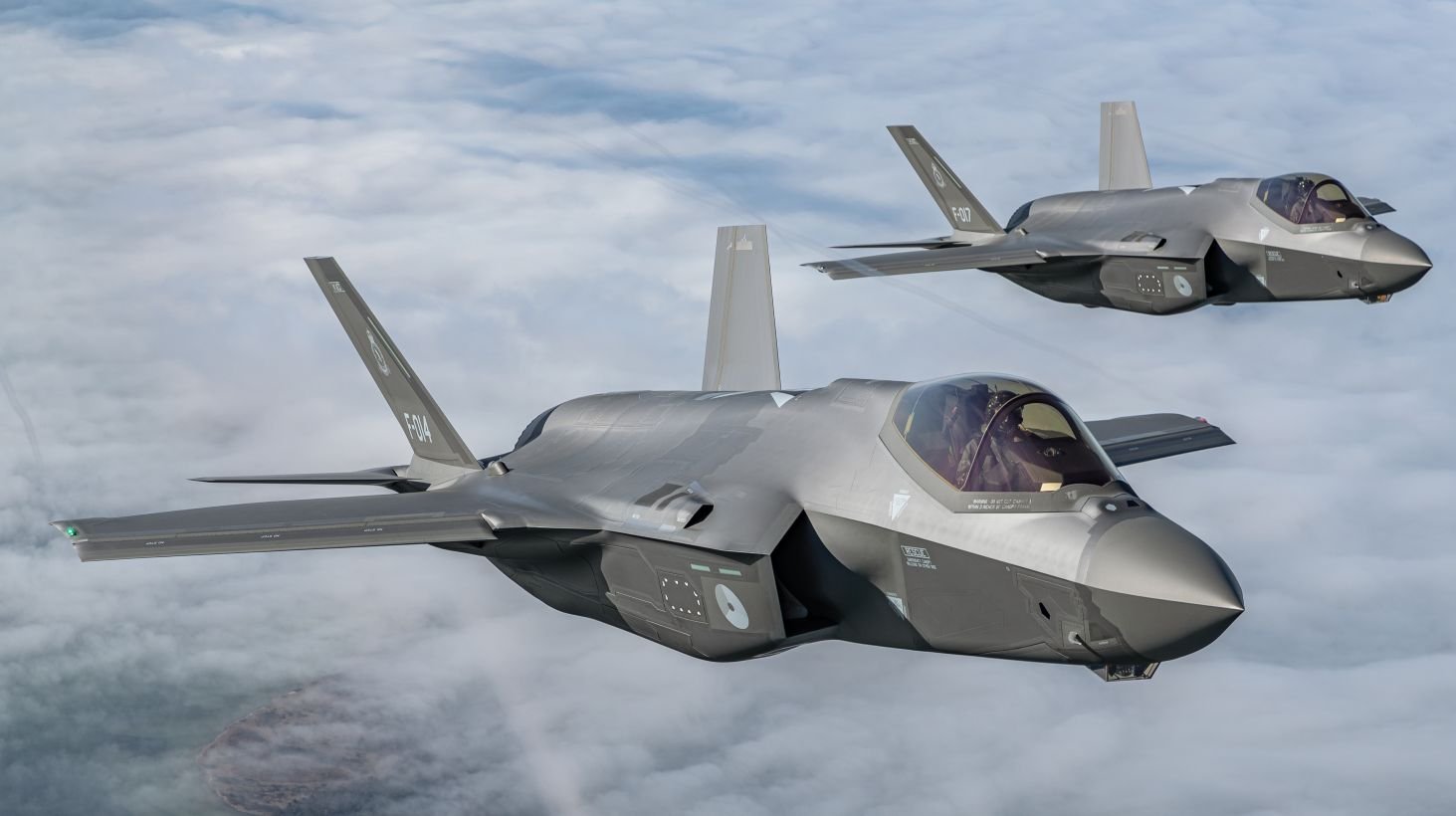
Lockheed and Pentagon Reach $24.3 Billion Agreement for F-35 Production
Lockheed Martin and the Pentagon have announced the finalization of a $24.3 billion agreement to produce 296 F-35 fighter aircraft, marking a major milestone in the ongoing development and procurement of the advanced stealth jet. The deal, covering production lots 18 and 19, brings over two years of negotiations to a close and sets a course for deliveries to begin in 2026.
Breakdown of the Agreement and Production Plans
The newly inked contract includes 148 F-35 airframes in each of the two production lots. While the total figure encompasses aircraft destined for both U.S. military branches and international partners, further details on the specific distribution and per-unit costs remain undisclosed. According to the Pentagon’s Joint Program Office (JPO), the agreement strictly covers the airframes; the jet engines, supplied by Pratt & Whitney, are subject to separate contracts. Most recently, Pratt & Whitney was awarded nearly $2.9 billion to begin engine production for Lot 18, with further engine contracts expected to be finalized in 2026.
Deliveries for jets under this contract are scheduled to commence in 2026. The JPO indicated that once the engine contracts are finalized, a clearer “flyaway cost” for each aircraft—essentially the price per jet ready for operational deployment—will be available. For context, previous production lots reported an average flyaway cost of $82.5 million for the F-35A variant.
Pricing Dynamics and Long-Term Trends
Lockheed Martin confirmed that the price increase per jet in lots 18 and 19 was held below the rate of inflation, despite industry-wide challenges such as rising raw material costs. The Pentagon acknowledged that Lot 18 experienced notable price pressures but stated that, when adjusting for inflation, costs remained generally in line with those from previous lots.
The prolonged negotiations, which began in mid-2023, reflected the complexities involved in large-scale defense procurement programs, particularly as global demand for the F-35 remains strong. Notably, political factors and recent geopolitical developments have added layers of complexity to international sales, with the F-35 program sometimes caught in broader diplomatic currents.
Modernization Efforts and Future Outlook
The finalized contract comes at a time when the Pentagon is actively pursuing upgrades for the F-35 fleet. However, recent findings from the Government Accountability Office indicate that the high-profile Block 4 modernization program will face delays, now slated for 2031 with a narrower set of enhancements than originally planned.
Despite these challenges, both Lockheed Martin and the Department of Defense remain confident in the F-35’s place at the forefront of modern air combat. In a statement, Chauncey McIntosh, Vice President and General Manager for the F-35 program at Lockheed, highlighted the steady demand and reaffirmed the company’s commitment to supporting its customers and the long-term role of the F-35 in securing operational advantage.
Conclusion
The conclusion of this multi-year negotiation signals continued investment in the F-35 platform amid shifting global security dynamics. With production moving forward under the new contract, stakeholders will be monitoring both cost and capability as the program advances into its next phase.
  • Text Only
President Trump Proposes Using Military Training in Major U.S. Cities
President Donald Trump has suggested that the U.S. military conduct training exercises in several major American cities, framing urban disorder as a “war from within.” Speaking before top military leaders at Quantico, Virginia, the president specifically named cities such as San Francisco, Chicago, New York, and Los Angeles as potential sites, asserting these urban areas, led by Democratic officials, warrant direct military involvement.
Address to Military Leadership Highlights Domestic Security Concerns
The president addressed an audience of senior military commanders, characterizing his proposal as an extension of recent military deployments on U.S. soil. Trump called on the nation’s top generals and admirals to participate in efforts to “straighten out” what he described as “dangerous” cities. Referring to his plan as a kind of domestic warfare, he stated, “That’s a war too. It’s a war from within.”
The remarks followed a speech by Secretary of Defense Pete Hegseth, who underscored a hardline stance on internal challenges to military culture and issued a warning to Pentagon leaders dissenting from the administration’s direction. The event itself came after heightened speculation over an unscheduled gathering of military leaders, drawn from posts worldwide to the Quantico base.
Recent Deployments and Legal Pushback
In recent weeks, military deployments within U.S. cities have become more common, with National Guard units appearing in locations such as Portland, Oregon, and anticipated arrivals in Memphis, Tennessee. These moves have sometimes prompted legal challenges; for instance, Portland immediately initiated a lawsuit following the arrival of National Guard personnel.
The scope of military involvement also extends beyond law enforcement support. Troops have been tasked with border security and involvement in immigration enforcement actions, including repatriation operations and guard duties at places like Naval Station Guantanamo Bay.
Mixed Reactions from Military Leadership
President Trump’s proposals were reportedly met with a muted response from the assembled senior officers. He acknowledged the subdued atmosphere, inviting open feedback but noting the risks involved for those in uniform who openly disagreed.
Observers and experts in civil-military relations interpreted the restrained reactions as a signal of adherence to traditional military norms, which discourage partisan engagement by uniformed leaders. “It’s very different when we consider the norms of military professionalism to be making those statements in front of an audience of uniformed leaders,” explained Katherine Kuzminski, director of studies at the Center for a New American Security, emphasizing the importance of upholding nonpartisan standards in military conduct.
Tensions Between Politics and Military Professionalism
This episode highlights ongoing tensions surrounding the military’s role in domestic affairs and its relationship with civilian leadership. Recent incidents, including past speeches in front of active-duty personnel, have drawn attention to the boundaries between political rhetoric and military professionalism.
Experts note that while the president is entitled to make political statements in public forums, the context and audience are crucial in maintaining the integrity of military institutions. For now, the response of the military’s top brass suggests continued commitment to established norms and regulations, even as the administration signals a willingness to leverage military resources in response to domestic security and political challenges.
  • Text Only
Global Overview: A Week of Intensified Conflict
The past week has seen both continuing hostilities and renewed flashpoints in various regions across the globe. From longstanding wars to simmering, underreported clashes, the international community faces a complex tableau of violence. The following is a summary of key developments.
Middle East: Spirals of Escalation
Syria remains a theater of competing interests, with clashes between the Syrian Democratic Forces (SDF) and Turkish-backed militias escalating in the north. Airstrikes in Idlib and renewed artillery exchanges near the Turkish border have displaced hundreds in recent days. In Yemen, the fragile UN-brokered truce appears increasingly tenuous, as Houthi drone attacks and retaliatory Saudi-led airstrikes were reported near the Red Sea coast, imperiling civilian shipping and interrupting food aid deliveries.
Meanwhile, in Israel and Gaza, a flare-up early in the week saw several rockets launched toward southern Israel, sparking swift air raids in response. Although no casualties were reported, the violence raised concerns over the durability of informal ceasefires.
Africa: Hidden Wars and New Displacements
Sudan’s conflict continues to generate spiraling humanitarian fallout, with fighting between the Rapid Support Forces and Sudanese Armed Forces reported in Omdurman and El Fasher. Aid organizations warn of looming famine as access to civilians remains sharply constrained.
Meanwhile, in the Sahel, jihadist groups executed coordinated attacks in central Mali and northern Burkina Faso, overwhelming local security posts and prompting mass civilian movements. Chad’s Lake Chad region also witnessed renewed Boko Haram incursions, with at least a dozen villages affected.
A lesser-covered crisis is unfolding in Cameroon’s Northwest region, where Anglophone separatists launched multiple ambushes targeting government troops, further complicating the beleaguered peace process and forcing fresh displacements among local populations.
Asia-Pacific: Border Tensions Persist
Hostilities in Myanmar’s borderlands surged as the military junta intensified operations against ethnic rebel strongholds in the Shan and Kayin states. Civil society sources report casualties among both combatants and noncombatants, with infrastructure damage impeding relief efforts.
Across the Indo-Pakistani border in Kashmir, sporadic shelling added to mounting unease, as both sides traded accusations over ceasefire violations. In the Philippines, government forces battled remnants of Abu Sayyaf and other armed groups in Sulu province, marking several weeks of counterinsurgency sweeps in inhospitable terrain.
Latin America: Crime and Conflict Converge
Violence surged anew in Haiti’s capital, Port-au-Prince, where armed gangs expanded territorial clashes, paralyzing humanitarian work and halting port operations. The government’s struggle to assert control drew renewed calls for regional intervention.
In Colombia, a peace process setback became evident when ELN rebels and dissident FARC groups reengaged in armed conflict in Arauca, underscoring the fragility of agreements reached earlier this year.
Lesser-Reported Flashpoints
Clashes in Nagorno-Karabakh’s borderlands, despite an official ceasefire, resulted in several injuries and illustrated persistent volatility in the South Caucasus. In Papua New Guinea’s highlands, tribal warfare over land and political allegiances triggered a new wave of casualties and forced displacements, rarely covered by mainstream outlets.
Humanitarian Impact and Looking Ahead
Across all theaters, civilians bore the brunt: displacement, hunger, and access to medical care remain common themes. Aid agencies have repeatedly called for safe corridors to deliver relief, but progress remains slow amid ongoing violence. The persistence of these crises, many absent from daily headlines, highlights the complex tapestry of today’s global conflicts and the urgent need for sustained diplomatic engagement.
  • Text Only
Sweden Issues Stern Warning on Airspace Violations Amid Heightened Tensions
Sweden’s Minister of Defence, Pål Jonson, has issued a direct warning that Swedish forces will engage and shoot down any Russian aircraft intruding into the nation’s airspace. The announcement, delivered on September 23, 2025, and reported by Aftonbladet, underscores the growing anxiety over Russian aerial incursions near NATO borders and signals a hardened Baltic security environment.
Rising Regional Tensions and Sweden’s NATO Integration
The declaration from Stockholm comes in the wake of a series of Russian drone and fighter jet breaches into NATO-aligned airspace, notably recent incidents over Estonia, Poland, and Romania. With Sweden’s accession as a full NATO member, these violations take on new significance; the nation’s defense commitments are now inseparable from the alliance’s collective security framework.
Sweden’s readiness to use force reflects mounting worries about the frequency and intensity of Russian aircraft activity around the Baltic states. The latest instance—three Russian MiG-31s reportedly entering Estonian airspace for 12 minutes on September 19—has intensified concerns among NATO leaders about the security of the alliance’s eastern front.
Gripen Fighters at the Forefront of Swedish Air Defense
Central to Sweden’s deterrence strategy is the deployment of Saab JAS 39 Gripen multirole fighter jets. These advanced aircraft are equipped with state-of-the-art avionics, AESA radar, and both Meteor and IRIS-T air-to-air missiles, giving them an edge in rapid interception and aerial combat. The Gripen’s capacity to operate from dispersed and rugged locations enhances Sweden’s ability to respond quickly and flexibly to potential threats.
In contrast to Russian long-range platforms such as the MiG-31 and Su-35, the Gripen’s agility, modern warfare integration, and interoperability with NATO allies fortify its role as a core asset in maintaining Sweden’s—and the alliance’s—airspace integrity.
Historical Context and Escalating Security Stakes
Sweden’s approach is shaped by decades of vigilantly guarding its airspace, particularly throughout the Cold War, when neutrality required robust aerial defenses. Even more recently, close encounters with Russian aircraft near Swedish and Baltic borders occurred with increasing regularity, prompting enhanced readiness and rapid response mandates.
Stockholm's new posture—explicitly authorizing the use of force under its national rules of engagement—follows a broader NATO and allied push for a “zero-tolerance” stance on airspace violations. Notably, Sweden’s position aligns closely with those of Poland and the United Kingdom, both of which have openly committed to immediate defensive action in the face of suspected Russian provocations.
Strategic Implications for the Baltic and NATO
By drawing a firm red line, Sweden is sending a message not only to Moscow but to the entire NATO alliance: any breach of airspace could trigger a direct military response. This marks a significant shift in the Baltic region’s security calculus, where even minor aerial incidents risk escalating into larger confrontations—a situation reminiscent of the 2015 downing of a Russian jet by Türkiye, which had far-reaching diplomatic repercussions.
With its advanced fighter fleet on constant alert and its position now fully integrated into NATO’s networked defense posture, Sweden’s policy signals both a deterrent and a commitment to allied unity. How Moscow responds to this development, and how steadfastly Sweden and its NATO partners enforce this doctrine, may become key determinants of security dynamics in Northern Europe through the coming years.
  • Text Only
Escalation and Stalemates: A Snapshot of Global Conflict
The past week has seen persistent violence and military tensions spanning continents—some dominating headlines, others unfolding beyond the radar of mainstream attention. Civilians continue to pay a steep price as political friction hardens into entrenched warfare in both well-known and overlooked regions.
Ukraine: Stalled Offensives and Aerial Threats
Eastern Europe’s turbulent front remains fraught, with the war in Ukraine showing little sign of abatement. Russian drone and missile campaigns intensified, targeting energy infrastructure in Odesa and Kharkiv, while Ukrainian forces reported marginal advances near the eastern city of Chasiv Yar. The twin grind of artillery duels and urban skirmishes continues to drain both military and civilian resources. Meanwhile, international diplomatic efforts to broker ceasefires appear stalled, with both sides accusing each other of escalating strikes.
Sudan and the Sahel: Humanitarian Crisis Deepens
The conflict between Sudan’s national army and the Rapid Support Forces (RSF) raged on, particularly around El Fasher, the last Darfuri city still under government control. Heavy shelling this week displaced thousands and hampered access for humanitarian organizations. In the wider Sahel, armed insurgencies and military coups—spanning Mali, Burkina Faso, and Niger—led to further humanitarian strains. Resources remain severely stretched as international agencies warn of a rapidly rising refugee count and worsening food insecurity.
Myanmar: Intensifying Ethnic Strife
Myanmar’s civil war, now in its fourth year since the 2021 military coup, escalated as ethnic armed groups stepped up coordinated offensives in the country’s north and east. Reports from Kachin and Shan states detail heavy clashes, with the military junta resorting to increased airstrikes. Urban centers saw a wave of arrests following anti-coup protests marking the anniversary of the country’s first democratic election in 2015. Human rights groups highlighted the growing risk of famine as tens of thousands remain displaced.
Overlooked Frontlines: Nagorno-Karabakh, Cameroon, and Yemen
Lesser-known hotspots saw renewed challenges. Though Azerbaijan claims full control over Nagorno-Karabakh (now referred to as the Karabakh region), sporadic violence and a humanitarian exodus continued to make headlines. In Cameroon’s Anglophone regions, reports of village burnings and kidnappings by separatist fighters have reemerged, overshadowed by regional security concerns elsewhere.
Yemen’s fragile truce held tenuously amid reports of skirmishes between Houthi forces and pro-government troops, especially along oil-rich frontlines in Marib. The Houthi’s continued maritime raids in the Red Sea aggravated international maritime trade, inviting further condemnation and risk of regional spillover.
Latin America and the Asia-Pacific: Persistent Insurrections
In Colombia, peace talks with the National Liberation Army (ELN) entered a precarious phase, overshadowed by deadly clashes in rural border areas. Meanwhile, the Philippines saw intensified clashes between government troops and communist insurgents in Mindanao, disrupting the fragile peace that has held intermittently in recent years.
Beyond the Headlines: The Cost to Civilians
Across the map, a recurrent theme is emerging: despite varying causes and contexts, civilian populations bear the heaviest burdens of conflict—from forced displacement and food shortages to disruptions in healthcare and education. Humanitarian organizations repeatedly warn of deepening crises and diminishing aid access, urging renewed international commitment to peacebuilding and the protection of non-combatants.
As the week closes, the spectrum of warfare—overt and covert—remains broad and complex, demanding nuanced attention to underreported struggles as much as the world’s most visible flashpoints.
  • Text Only
Ukrainian Forces Reclaim Filia Village Amidst Renewed Fighting in Dnipropetrovsk Oblast
Ukrainian troops have retaken the village of Filia in Dnipropetrovsk Oblast after a brief period of Russian occupation, according to an official statement from Oleksii Bielskyi, spokesperson for the Dnipro Operational Strategic Group. The operation, conducted by Ukraine’s 425th Skelya Regiment, marks the latest flashpoint in Moscow’s expanding efforts to establish a foothold in regions previously untouched by occupation.
Dnipropetrovsk: A New Frontline in the Conflict
Recent weeks have witnessed an intensification of Russian military activity in Dnipropetrovsk Oblast, a region that until late August had been spared from ground incursions since the start of the war. In what Kyiv initially denied, Russian battalions claimed to have raised their flag in several villages, including Filia, on Ukraine’s Independence Day. However, video releases from Ukrainian units and battlefield monitoring platforms, such as DeepState, reaffirmed that Filia was retaken and remains under Ukrainian control. The rapid Ukrainian response, characterized by grenade attacks, close-quarters combat, and prisoner captures, reflects evolving tactics to counter Russia’s attempts to establish a “buffer zone” along the region's southern boundary with Donetsk.
While the recapture of Filia is celebrated as a tactical success, the situation remains volatile, with the frontlines in the oblast still subject to regular artillery and drone attacks. Dnipropetrovsk’s proximity to Donetsk—long a center of Russian military efforts—continues to render it a strategic priority for both forces.
Strategic Strikes Deep Inside Russian Territory
Alongside territorial clashes, Ukrainian military operations have extended far beyond the immediate conflict zone. On September 14, Ukraine struck the Kirishi oil refinery in Russia’s Leningrad Oblast, a facility processing over 17 million tons of oil annually and situated more than 800 kilometers from Ukraine’s border. Russian officials reported that air defenses engaged multiple drones, one of which caused a fire at the site. Similarly, a Ukrainian drone targeted the Metafrax Chemicals plant in Perm Krai, nearly 1,800 kilometers from Ukraine, reportedly damaging urea production equipment—a resource with dual application in agriculture and explosives manufacture.
These operations follow a pattern of Ukrainian strikes on logistical and industrial facilities critical to Russian military supply chains, including an attack on Russia's Black Sea Fleet communications hub in occupied Crimea, and operations to disrupt railway lines vital for troop and equipment movement. Ukrainian sources claim such actions significantly complicate Russian offensives in regions like Kharkiv and Sumy.
Cross-Border Security and NATO Responses
The intensification of drone warfare and cross-border skirmishes has heightened concerns among Ukraine’s neighbors. On September 13, Romanian authorities scrambled fighter jets following the incursion of a drone reportedly launched during a Russian attack on Ukrainian infrastructure near the Danube border. Residents of Tulcea County were placed on high alert, though the incident concluded without inland casualties. In Poland, renewed Russian drone threats prompted temporary closure of Lublin Airport and the deployment of NATO air assets to safeguard national airspace.
While Russia denies targeting NATO territory, both Romanian and Polish officials have issued strong condemnations and reaffirmed their commitment to national security. President Volodymyr Zelensky of Ukraine publicly accused Moscow of deliberately escalating cross-border tensions through minor provocations with the potential for wider consequences.
Implications for the Broader Conflict
The liberation of Filia and strikes deep into Russian territory signal a notable evolution in the conflict’s scope and intensity. Both Ukrainian offensive tactics within and outside the country’s borders, and the growing involvement of neighboring NATO states in defensive measures, indicate an increasingly complex security environment. As Dnipropetrovsk becomes an emerging battleground and Ukrainian long-range drone operations continue to disrupt Russian infrastructure, the region remains in a state of high alert amid persistent uncertainties about the war’s next phase.
  • Text Only
Venezuela Alleges U.S. Navy Boarding of Fishing Vessel in Disputed Waters
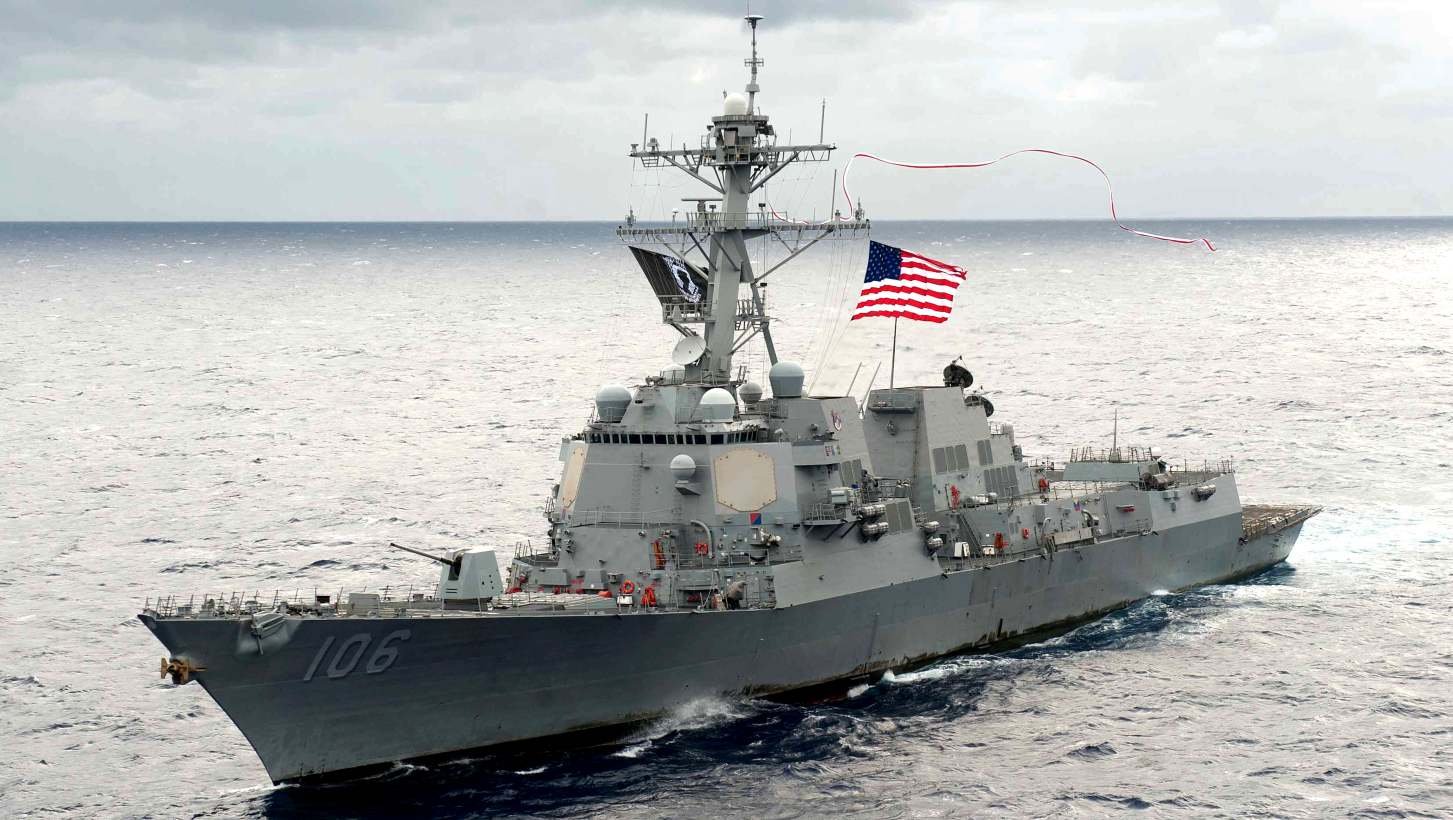
A diplomatic dispute has emerged following reports that U.S. Navy personnel boarded a Venezuelan fishing boat operating in waters claimed by Venezuela as part of its exclusive economic zone. The Venezuelan government has characterized the intervention by the USS Jason Dunham as an “illegal” action and labeled the boarding a “direct provocation.”
Details of the Incident
According to a statement released by Venezuela’s foreign ministry, the boarding took place on Friday when 18 armed personnel from the Arleigh Burke-class destroyer USS Jason Dunham stopped a tuna fishing boat and searched it for several hours. The vessel and its crew were reportedly held for eight hours before being released. Venezuelan officials assert that the fishing vessel posed no threat and denounced the U.S. operation as an unwarranted show of force within waters they claim as their own.
U.S. officials, quoted anonymously by ABC News, have acknowledged the search but maintain that it occurred in international waters and that no contraband was discovered onboard.
Regional Military Buildup and Tensions
The incident arrives amid a notable increase in U.S. military activity in the southern Caribbean. Since early August, several U.S. warships, including destroyers, a cruiser, and an amphibious ready group carrying a Marine Expeditionary Unit, have been deployed to the area as part of an intensified campaign against narcotics trafficking.
Alongside naval deployments, the U.S. has stationed a contingent of F-35 fighter jets in Puerto Rico and has accused Venezuelan President Nicolas Maduro of direct links to the Tren de Aragua, a group formally designated by the U.S. as a terrorist organization.
The U.S. Coast Guard and Navy frequently conduct interdictions of vessels suspected of drug trafficking throughout the Caribbean. However, this incident marks the first publicly reported search by the recently arrived naval group targeting a non-U.S.-flagged vessel.
Escalating Encounters Between Armed Forces
Tensions between the United States and Venezuela have been rising, exacerbated by recent confrontations. On September 4, two Venezuelan F-16 fighter jets closely approached the USS Jason Dunham, just days after a U.S. military airstrike destroyed a Venezuelan boat, resulting in 11 fatalities. While U.S. officials claimed that the vessel was transporting narcotics and linked to Tren de Aragua, Venezuelan authorities contest both the characterization and the justification for the attack.
Outlook and Implications
The disputed maritime boarding underscores the growing friction between the United States and Venezuela, as drug enforcement operations increasingly intersect with national sovereignties and political rivalries in the Caribbean region. While both sides maintain their respective positions on maritime jurisdiction, the situation raises concerns about potential miscalculations or further escalations between the two nations’ armed forces amid the ongoing regional military buildup.
  • Text Only
Russian Military Signals Continued Offensive in Ukraine
On August 30, Russia's top military official made clear that Moscow intends to press forward with its war in Ukraine, publicly confirming plans for ongoing military offensives and continued large-scale bombardments targeting Ukrainian cities. The remarks, delivered by Valery Gerasimov, Chief of the Russian General Staff, reflect a resolute stance that comes amid prolonged international diplomatic efforts to broker an end to the conflict.
Moscow Reaffirms Strategy Despite Civilian Toll
Gerasimov stated that Russian military operations will advance through "offensive actions," underscoring persistence in both traditional frontline engagements and sustained use of missile and drone strikes. He characterized these strikes as being focused on "military objects and facilities of Ukraine's military-industrial complex." However, recent attacks, including one in Kyiv on August 28 that killed 25 people—four of them children—and damaged civilian infrastructure, have raised international alarm. Among the sites hit were a city-center shopping mall, the British Council, and the premises of the EU mission to Ukraine.
European officials, including European Commission President Ursula von der Leyen, have condemned the attacks, noting that diplomatic missions narrowly escaped direct hits. Overnight assaults continue to claim civilian lives and cause widespread injuries, as reported by Ukrainian authorities.
Diplomatic Stalemate and Shifting International Positions
Following months of diplomatic initiatives led by the United States to end the hostilities, the Russian leadership’s latest statements appear to reaffirm a commitment to military escalation rather than negotiation. Ukrainian President Volodymyr Zelensky has reiterated his willingness to engage in peace talks with President Putin. Still, the Kremlin has thus far rejected calls—both from Kyiv and Western capitals—for a ceasefire or peace negotiations without preconditions.
Meanwhile, U.S. officials are expressing frustration with European counterparts, reportedly accusing some leaders of prolonging the conflict by encouraging Ukraine to hold out for more advantageous terms. According to sources cited by Axios, the White House is reconsidering its diplomatic engagement, with some officials suggesting a pause in mediation efforts until either side signals greater flexibility.
Contrasts in U.S. and European Responses
The Trump administration's approach to the conflict has come under scrutiny, particularly as Washington temporarily paused military aid and intelligence sharing with Ukraine at various points. Additionally, U.S. diplomacy has shifted towards a more detached stance, even as high-profile meetings with Russian President Vladimir Putin proceed. President Trump's invitation to Putin in Alaska and the White House's consideration to ease certain sanctions temporarily underscore divisions within Western policy circles.
In contrast, the European Union has implemented a series of 18 sanctions packages against Russia, with further measures under discussion—including bans on Russian energy imports and new tariffs. Reports also suggest that the U.S. Treasury is preparing additional sanctions proposals tailored for Europe to escalate pressure on Moscow.
Looking Ahead: Uncertainty as Conflict Escalates
As autumn approaches, recent developments suggest little prospect for an imminent de-escalation. Russian authorities show no sign of reducing military operations, while Ukrainian and Western officials continue to push for diplomatic solutions. The conflicting strategies of key international actors—juxtaposed with ongoing violence affecting Ukrainian civilians—leave the future trajectory of the war uncertain. International scrutiny remains fixed on the battlefield and diplomatic front, as stakeholders assess the evolving situation and the possibilities for eventual resolution.
  • Text Only
Ukrainian Troops Regain Control of Myrne Village Near Kupiansk
Ukrainian military units have recaptured the village of Myrne, located near the strategically significant city of Kupiansk in Kharkiv Oblast. According to updated operational maps released by DeepState on August 29, the liberation marks a key shift in frontline dynamics in eastern Ukraine.
Strategic Importance of Myrne and Kupiansk
Prior to its liberation, Russian forces had maintained positions in Myrne, granting them control over a critical access route leading into Kupiansk. The city's proximity—just over 100 kilometers east of Kharkiv—has made it a focal point for military operations. Control of this area is closely linked to supply routes and broader regional mobility for both Ukrainian defenders and Russian forces.
Viktor Trehubov, spokesperson for Ukraine’s Dnipro Operational-Strategic Group, provided further context on the operation. “As of now, Russians have been pushed out of Myrne. Our forces are advancing further,” Trehubov told the Suspilne news outlet on August 30. Information regarding Russian casualties from the operation was not immediately available.
Humanitarian Crisis Worsens in Kupiansk
While Ukrainian forces make advances, Kupiansk’s residents are facing escalating humanitarian challenges. Persistent Russian attacks in recent weeks have severely compromised civilian infrastructure, leaving the city without electricity, gas, or running water. Andriy Besedin, head of the Kupiansk city military-civil administration, reported on August 25 that efforts to restore basic services have been thwarted by intense and continuous bombardments, including frequent strikes from artillery and drones.
The city’s population has dwindled dramatically, with roughly 1,800 civilians remaining from a prewar count of about 30,000. Of particular concern is the right bank of Kupiansk, where approximately 870 residents are trapped in conditions described by local officials as “nearly inhumane.” Administrative and social support in this area is currently unavailable, further compounding civilian hardship.
Limited Relief in Surrounding Settlements
Amid these challenges, local authorities have managed to sustain critical services only in the Prystinske district, a network of nine smaller settlements within the wider Kupiansk community. This area represents a vital lifeline for those displaced or otherwise affected by ongoing attacks.
Ongoing Hostilities Across Kharkiv Oblast
Russian forces continue to conduct strikes across the Kharkiv region, targeting not only frontline settlements but also the regional capital of Kharkiv itself—Ukraine’s second-largest city. These ongoing operations underscore the volatility of the broader conflict zone and highlight the uncertain prospects for both military and humanitarian stability in the near future.
  • Text Only
U.S. Carrier Strike Group Assembles Near Venezuela in Major Power Projection
In a significant display of maritime strength, the United States has deployed a comprehensive naval strike group to the southern Caribbean, positioning its forces just off the coast of Venezuela. The move, confirmed by defense monitoring sources as of August 30, 2025, represents the most substantial U.S. military maritime presence in Latin America in over twenty years. The carrier strike group is led by the USS Normandy, a Ticonderoga-class guided-missile cruiser, and is supported by Arleigh Burke-class destroyers, a nuclear-powered fast attack submarine, and several amphibious assault ships with more than 4,000 Marines on board. These warships are augmented by electronic warfare and aerial reconnaissance platforms.
Strategic Context: Beyond Counter-Narcotics Operations
While U.S. officials officially characterize the deployment as part of an anti-narcotics campaign, the magnitude and capacity of the force point toward broader strategic interests. The Pentagon has cited mounting evidence of the Maduro government’s deepening involvement with transnational criminal syndicates and guerrilla factions from neighboring Colombia. Intelligence assessments suggest that Venezuela is strengthening links with actors such as Iran, Russia, and China. These relationships reportedly encompass logistical assistance for proxy groups, regional cyber operations, and covert military hardware transfers—a growing concern for Washington given current international sanctions regimes.
Recent operational reports indicate an uptick in electronic interference targeting U.S. aircraft, including GPS jamming and radar lock-ons, traced back to Venezuelan coastal defense systems. U.S. military planners describe the deployment as vital to deterring such incidents, protecting maritime choke points, and maintaining readiness for maritime interdiction or rapid-response missions should tensions escalate.
Venezuelan Military Readies for Escalation
Venezuela has mobilized its armed forces, raising readiness levels across all branches. The nation’s military establishment comprises approximately 123,000 active personnel, up to 220,000 reserves, and a sizable network of pro-government paramilitary groups. Notable assets include Russian-made T-72 tanks, BM-21 Grad rocket systems, Chinese VN-1 armored vehicles, and an air wing featuring Su-30MK2 fighter jets and Mi-35 attack helicopters. Venezuela’s integrated air defense is anchored by Russia’s S-300VM missile systems, with supporting radar and short-range missile coverage supplied by both Iran and China.
The Venezuelan Navy, while geared primarily to coastal and riverine operations, operates two Type 209 diesel-electric submarines, several offshore patrol vessels, and a fleet of fast missile boats. Key naval and logistical bases are on alert, and the military is reportedly repositioning coastal missile batteries to bolster defense of critical maritime approaches.
Civilian Mobilization and Information Warfare
In parallel with conventional deployments, Venezuelan authorities are activating a broad civilian militia believed to number over four million. These units are being organized in strategic locations, including major ports, oil infrastructures, and industrial corridors, and trained in irregular tactics to complicate any potential ground intervention.
State-controlled media in Caracas portrays the U.S. naval buildup as evidence of foreign interventionism, while officials seek political and diplomatic backing from partners in BRICS, OPEC, and other nations of the Global South. Diplomatic observers caution that the highly charged environment and increased frequency of electronic confrontations create a volatile situation in which a minor incident could rapidly escalate into broader conflict.
Regional Stability at Risk Amid Expanding Crisis
The unfolding maritime standoff marks a pivotal test for U.S. influence and security commitments throughout the Western Hemisphere. With heavily armed warships operating near Venezuelan waters and both governments fortifying their defense postures, the potential for escalation remains pronounced. Tensions have elevated diplomatic, military, and information warfare activities. Uncrowned Armory will continue monitoring developments to provide accurate assessments and timely updates as this dynamic situation evolves.
  • Text Only
Escalating Violence in Ukraine: Frontline Developments
The Russo-Ukrainian conflict continued to see heightened military activity this past week, particularly in the eastern Donetsk and Kharkiv regions. Russian forces pressed their offensive, reportedly capturing strategic villages, while Ukrainian military sources cited successful defensive actions and continued reliance on Western support. Civilian areas saw renewed shelling, prompting growing humanitarian concerns and further displacement within the region. International observers highlighted the risk of escalation as both sides exchanged accusations of targeting critical infrastructure.
Humanitarian Crisis Deepens in Sudan’s Overlooked War
Sudan's internal conflict, now entering its second year, intensified in and around El Fasher, North Darfur. The Rapid Support Forces (RSF) and Sudanese Armed Forces (SAF) clashed repeatedly, causing heavy civilian casualties and restricting critical aid access. Reports from humanitarian agencies indicate that food insecurity and disease are mounting, with the United Nations warning of a looming famine. Despite limited international media coverage, pressures mount on global actors to broker peace or facilitate safe corridors for relief.
Renewed Tensions and Political Deadlock in Haiti
In Haiti, gang violence in the capital, Port-au-Prince, surged once more, undermining the fragile efforts to restore governmental authority. Armed groups battled for control of neighborhoods, leading to mass displacement and an ongoing siege mentality for many residents. International efforts to deploy a peacekeeping force remain stalled, deepening the country's political crisis and further eroding law and order.
Myanmar’s Multi-Front Civil War Intensifies
Myanmar witnessed increased activity along several fronts as anti-junta ethnic armed organizations launched new offensives. Civilian casualties were reported following airstrikes in Kachin and Chin states, and thousands fled renewed clashes in Sagaing. Despite years of conflict, fresh alliances among insurgent groups have shifted battlefield dynamics, indicating a potential protraction of the civil strife. Meanwhile, humanitarian access remained severely restricted, aggravating the plight of internally displaced populations.
Central African Republic: Persistent Rebel Threats and Underreported Strife
In the Central African Republic (CAR), violence between government troops and various rebel factions persisted outside Bangui and in the northwest Ouham region. Local sources described sporadic ambushes and extortion along key roads, disrupting humanitarian deliveries. While largely absent from global headlines, the conflict’s impact on rural communities continues to be profound, with rising food insecurity and chronic instability.
A Global Overview: Pockets of Unrest and Quiet Emergencies
Beyond the most visible conflicts, ongoing instability rippled through Libya, the eastern Democratic Republic of Congo, and Yemen, each marked by localized skirmishes, displacement, and tenuous ceasefires. Observers warn that overlooked “quiet wars” risk protracted suffering without increased diplomatic attention and humanitarian engagement.
As the world’s attention wavers, these varied conflicts underscore a pressing need for sustained reporting, diplomatic innovation, and renewed focus on the countless communities caught in the crossfire.
  • Text Only
Global Conflict Recap: A Turbulent Week in Warfare
This past week has been marked by escalating violence and entrenched hostilities, both in widely reported arenas and in less-publicized regions. The following report synthesizes key developments, providing a concise overview of ongoing conflicts that continue to shape the global political and humanitarian landscapes.
Ukraine: Counteroffensive Challenges and Escalating Strikes
The war in Ukraine remains a central focus. Over the past week, Russian forces intensified missile and drone attacks on Ukrainian infrastructure, with significant damage reported in Kharkiv and Odesa. Kyiv’s counteroffensive maneuvers faced stiff resistance along the eastern front, particularly near Avdiivka and Donetsk. Civilian casualties mounted amid targeted attacks on energy assets, exacerbating the humanitarian situation as millions remain displaced or without consistent access to essential services.
Sudan: Escalation and Humanitarian Crisis Deepens
Sudan’s civil war, less dominant in global headlines, saw fierce clashes in El Fasher, North Darfur, as the Rapid Support Forces (RSF) encircled the city. Civilians found themselves increasingly trapped as combatants exchanged heavy artillery. Aid organizations warn of famine and mass displacement with nearly a million people caught between rival factions. Communications blackouts added to the chaos, hampering relief coordination and obscuring the full toll of the fighting.
Haiti: Port-au-Prince Siege and Political Stalemate
Gang violence in Haiti’s capital, Port-au-Prince, continued its lethal trajectory. Armed groups consolidated control of critical neighborhoods and key infrastructure, blocking major thoroughfares and the main airport. International support arrived incrementally but made only modest headway against entrenched gangs. The continuing power vacuum and absence of a functioning government have left citizens vulnerable to both violence and acute shortages of food and medicine.
Myanmar: Civil Strife and Ethnic Displacement
Myanmar's conflict, now in its third year following the 2021 military coup, saw renewed offensives by ethnic armed groups. In states like Kayin and Rakhine, the military’s air and ground assaults prompted fresh waves of internal displacement. Rebel fighters reported successes in capturing military outposts but warned of looming humanitarian disasters due to restricted access for aid groups and ongoing internet blackouts.
Nagorno-Karabakh and the South Caucasus: Aftermath of Hostilities
A fragile calm persists in Nagorno-Karabakh after the mass exodus of ethnic Armenians late last year, but sporadic cease-fire violations were reported this week along the Armenia-Azerbaijan border. Both sides accused each other of minor incursions and renewed fortification efforts, prompting calls for greater international monitoring. While full-scale conflict has not resumed, tensions remain high, and humanitarian recovery remains slow.
Unseen Fronts: Central African Republic and Sahel Region
Ongoing violence in the Central African Republic saw government forces battling rebel coalitions near the northern borders, with little international visibility. An uptick in violence in Burkina Faso and Mali—including attacks attributed to jihadist groups—underscored the region’s chronic insecurity, which is compounded by food crises and political instability.
Broadening Patterns: Humanitarian Impacts and Calls for Resolution
Across all these theaters, civilians continue to bear the brunt of violence. Infrastructure destruction, displacement, and limited humanitarian corridors amplify suffering and necessitate urgent international attention. With the proliferation of armed non-state actors and state responses often focused on military solutions, prospects for durable peace remain uncertain as the international community searches for effective mechanisms to de-escalate conflict and support civilian protection.
  • Text Only
FightLite Industries Unveils DFX Belt-Fed Upper Receiver for AR Platforms
FightLite Industries has announced the upcoming release of its DFX Dual-Feed Upper Receiver, a belt-fed modular system designed to seamlessly upgrade standard AR-15, M16, M4, or HK416 pattern lower receivers. The new DFX aims to combine sustained-fire capability with the flexibility of traditional magazine-fed operation, targeting civilian enthusiasts and professional users seeking enhanced performance.
Dual-Feed Versatility and Drop-In Installation
The DFX upper receiver distinguishes itself with its patented Dual-Feed design, allowing operators to utilize both USGI M27 linked ammunition and standard AR magazines. This adaptability provides users with expanded options in various scenarios without requiring modifications to the host lower receiver.
Installation is intended to be straightforward, taking only minutes and requiring no permanent changes to the lower. The kit comes complete with a detailed operator’s manual, robust recoil spring, a dedicated bolt catch, and 100 M27 links, equipping users for immediate use out of the box.
Features Engineered for Performance
At the core of the DFX is a free-floating, heavy-profile barrel designed for sustained fire and improved heat management. The piston-driven operating system, a patent-pending short-stroke gas-piston unit, enables cleaner operation and reduced maintenance, even under strenuous conditions. The system is also equipped with a MIL-STD 1913 quad-rail handguard and offers optional M-LOK configurations, supporting a wide array of modern optics and accessories.
Additional highlights include: - Compatibility with MIL-Spec AR-15/M16/M4 and HK416 lower receivers - 5.56x45mm NATO / .223 REM chambering - 16.25-inch barrel with 1:7” twist and ½”-28 threading - Precision-machined 7075-T6 billet upper, feed cover, and components - Manganese phosphate and hardcoat anodized finish for durability - Enhanced, full-auto bolt carrier group for reliability in high-volume use
Market Position and Anticipated Launch
Priced at $3,995, the DFX upper is slated for release in Fall 2025. FightLite emphasizes robust support with in-stock spare parts, accessories, and a dedicated customer service team. The company states the DFX has been conceptualized for responsible gun owners, law enforcement, and security professionals who require a reliable and flexible high-volume firing solution.
Pre-orders are now open, with orders to be fulfilled sequentially as availability comes online. As interest grows around modular belt-fed systems, the DFX positions itself as a significant entry into the evolving AR accessory market, enabling users to experience sustained-fire capability without departing from familiar semi-automatic platforms.
U.S.-Made Innovation for Modern Demands
Designed, engineered, and manufactured in the United States, the FightLite DFX leverages domestic expertise in accurate, durable weapon systems. The development team—comprising professional shooters, machinists, and designers—has focused on providing superior sustained-fire performance while accommodating the practical needs of today’s armed citizens and professionals.
  • Text Only
Intensification in the Middle East: Gaza and Beyond
This past week saw continued turbulence in the Middle East, notably the ongoing conflict in Gaza. Israeli military operations expanded in Rafah, with international aid groups warning of a deepening humanitarian crisis as fighting pushed more civilians into increasingly compressed areas. Israel’s government maintained that military actions targeted Hamas infrastructure, even as ceasefire talks in Cairo struggled to yield results. Meanwhile, cross-border exchanges between Israel and Hezbollah-aligned forces in southern Lebanon escalated, risking a broader regional spillover.
In Yemen, scattered violence between Houthi rebels and Saudi-led coalition backed forces persisted, particularly in the Taiz and Marib regions. The UN’s appeal for renewed dialogue and humanitarian access echoed as food and medical shortages persisted for millions. Despite intermittent lulls, analysts noted a hardening of frontlines and increased use of drone warfare.
Eastern Europe: Grinding Conflict in Ukraine
Eastern Ukraine remained locked in stalemate, with Russian and Ukrainian troops entrenched along contested frontlines. This week, artillery duels in the Donetsk and Kharkiv regions left civilian infrastructure heavily damaged. Ukrainian President Volodymyr Zelenskyy pressed Western allies for additional anti-air systems as missile barrages again targeted energy grids. Russian sources reported drone strikes deep inside their border regions, underscoring the conflict’s evolving technological dimension.
Outside of Ukraine, tensions simmered in the South Caucasus. Armenia and Azerbaijan traded accusations of troop buildups near the disputed Lachin corridor, renewing fears of a fresh flare-up in Nagorno-Karabakh, just months after a ceasefire.
Africa’s “Silent” Wars: Sudan and the Sahel
While high-profile conflicts dominate headlines, protracted violence in parts of Africa intensified. In Sudan, the fragile capital Khartoum remained wracked by clashes between the army and the paramilitary Rapid Support Forces (RSF), now over a year into the confrontation. Civilians continued to flee in the face of scorched-earth tactics and indiscriminate shelling. Humanitarian groups condemned mounting casualties, warning of catastrophic famine risks.
The Sahel region faced renewed jihadist attacks, especially in Burkina Faso and Mali, where insurgent forces seized rural outposts and increased pressure on overstretched security forces. Niger reported cross-border raids, highlighting the fragile transnational security environment after the French withdrawal. At the same time, lesser-reported rebel activity flared in Cameroon’s Anglophone regions, where separatist fighters and government forces exchanged fire as peace negotiations stagnated.
Asia-Pacific: From Myanmar’s Mountains to Papua
In Southeast Asia, Myanmar’s military junta faced intensified resistance from ethnic armed organizations and pro-democracy militias, especially in Kachin and Shan states. This week saw heavy fighting near the Chinese border, with thousands fleeing toward neighboring countries. Internet connectivity disruptions and media blackouts complicated reporting, but rights groups stated the civilian death toll continues to climb.
Across the Pacific, Papua (Indonesia) witnessed fresh skirmishes between Indonesian security forces and separatist fighters. Indonesian authorities launched operations in response to attacks on infrastructure in remote highland areas, while civilian displacement raised concerns among humanitarian monitors.
Latin America: Criminal Violence as Hybrid Warfare
While not traditional warfare, organized crime violence increasingly resembles low-intensity conflict across parts of Latin America. In Mexico’s Michoacán and Guerrero states, cartel turf battles displaced hundreds, with armored convoys and large-caliber weapons commonplace. In Ecuador, a spike in assassinations and car bombings led to militarized operations in urban centers, reflecting the blurred lines between criminality and armed conflict.
Outlook: A Complex Global Security Picture
This week’s conflicts, both prominent and underreported, underscore the complexity and interconnectedness of global security challenges. Humanitarian crises run parallel to military confrontations, while technological advancements and new alliances shift the landscape. As diplomacy struggles to keep pace, the human cost continues to mount for civilians caught between warring parties worldwide.
  • Text Only
Springfield Armory Introduces 1911 Operator AOS Threaded Pistols
Springfield Armory has expanded its well-regarded line of 1911 handguns with the launch of the Operator AOS Threaded series, designed specifically to meet the rising demand for suppressor-ready pistols. This new offering reflects a growing trend among firearm enthusiasts, who increasingly seek compatibility with muzzle devices such as suppressors and compensators.
Enhanced Features for Modern Shooters
The 1911 Operator AOS Threaded model arrives chambered in .45 ACP, a classic caliber with enduring popularity. It features a 5.75-inch forged stainless steel threaded barrel (.578 x 28), making it adaptable for various muzzle attachments. The slide and frame are both forged from carbon steel and treated with Cerakote finishes, providing increased durability against abrasions and adverse weather conditions.
In addition to robust construction, the new model comes optics-ready and is equipped with tritium front sights paired with a black serrated rear, allowing for improved sight acquisition in a range of lighting conditions. The pistol maintains the traditional GI-style recoil system and includes VZ Grips G10, enhancing shooter control and overall handling.
Color Options and Specifications
Springfield Armory offers the 1911 Operator AOS Threaded in four colorways: Black, Coyote Brown, OD Green, and Tungsten Gray. Regardless of finish, each pistol shares the same manufacturer's suggested retail price (MSRP) of $1,289. Other specifications include two 8-round magazines, an overall weight of 42 ounces, a length of 8.6 inches, and a height of 5.25 inches. This standardization provides buyers with multiple aesthetic choices without compromising core performance or pricing.
Manufacturer’s Perspective
Steve Kramer, Vice President of Marketing for Springfield Armory, emphasized the Operator AOS Threaded’s position within the company’s broader portfolio. "The 1911 Operator AOS Threaded .45 adds a new dimension of performance to the proven Operator line of pistols," Kramer stated. He highlighted the customizable finishes and the suppressor-ready configuration as key enhancements aimed at discerning 1911 enthusiasts.
Adapting to Changing Preferences
The introduction of the Operator AOS Threaded series marks Springfield Armory’s continued adaptation to evolving shooter preferences. As suppressor use becomes more widespread among civilian and professional users, firearms manufacturers are responding by integrating compatibility as a standard feature.
With its classic design, modernized features, and versatility in both appearance and function, the 1911 Operator AOS Threaded is positioned to appeal to long-time fans of the platform as well as new users seeking a reliable and customizable .45 ACP handgun.
  • Text Only
Intense Clash in Sumy Oblast Reported by Ukrainian Intelligence
A major confrontation erupted in Ukraine’s Sumy Oblast as Ukrainian special forces reportedly repelled a large-scale Russian attack, resulting in significant Russian casualties, according to the country’s main intelligence agency. The Hostility marks a pivotal moment along a contested stretch of northeastern Ukraine, highlighting ongoing volatility in the region.
Claims of Heavy Russian Losses Amid Failed Advance
Ukraine’s military intelligence agency (HUR) stated that its special operations unit successfully thwarted an attempt by Russian troops to advance deeper into Sumy Oblast. In an official statement released on August 5, HUR claimed that over eight Russian companies were destroyed during the clash, estimating at least 334 Russian personnel killed and more than 550 wounded. To support these assertions, the agency included video footage purporting to show Ukrainian soldiers engaged in close-quarters combat, along with drone and artillery strikes targeting Russian positions.
The intelligence service further alleged that the Tymur Special Unit, operating behind enemy lines, disrupted Russian logistics by targeting supply lines and ammunition depots. HUR also cited intercepted communications suggesting hesitancy among Russian soldiers to confront the Ukrainian special forces directly.
Escalation in the Northeastern Border Region
This episode follows a broader Russian push into Sumy Oblast, a region that has experienced renewed hostilities since Russian forces consolidated control in adjacent Kursk Oblast. Moscow has publicly expressed its aim to create a "buffer zone" along the border, escalating military activity in the area since June as part of its summer campaign.
In response, Ukrainian forces assert that they have not only contained the advance but also reclaimed several contested settlements. Notably, Ukraine’s military announced the retaking of Kindrativka village on July 27, shortly after recapturing Andriivka—a sign, they say, of weakening Russian momentum.
Verification and the Evolving Situation
While the Ukrainian government has released video and communication intercepts related to these events, the specific timing and location of the major skirmish remain undisclosed. Independent media outlets, including The Kyiv Independent, have not been able to fully verify the claims regarding Russian casualties and the extent of battlefield successes.
Currently, Russia maintains control over a number of villages near the border in Sumy Oblast. However, Ukrainian President Volodymyr Zelensky has expressed optimism, noting the gradual progress made by Ukrainian forces in reclaiming territory from Russian control.
Looking Ahead: Tension Remains High
The situation along the Sumy Oblast border continues to develop rapidly. Ukrainian claims of successful defensive operations underscore both the scale of the ongoing conflict and the persistent uncertainty regarding the real-time status of the front lines. As hostilities persist throughout the summer, independent verification and further developments will be critical in assessing the true impact of these reported clashes.
  • Text Only

Editorial Information

Advertisement

Advertisement

Important Information

We have placed cookies on your device to help make this website better. You can adjust your cookie settings, otherwise we'll assume you're okay to continue.

Account

Navigation

Search

Search

Configure browser push notifications

Chrome (Android)
  1. Tap the lock icon next to the address bar.
  2. Tap Permissions → Notifications.
  3. Adjust your preference.
Chrome (Desktop)
  1. Click the padlock icon in the address bar.
  2. Select Site settings.
  3. Find Notifications and adjust your preference.