Skip to content

Advertisement

Advertisement

Uncrowned Armory News

Official Announcement and Release Window
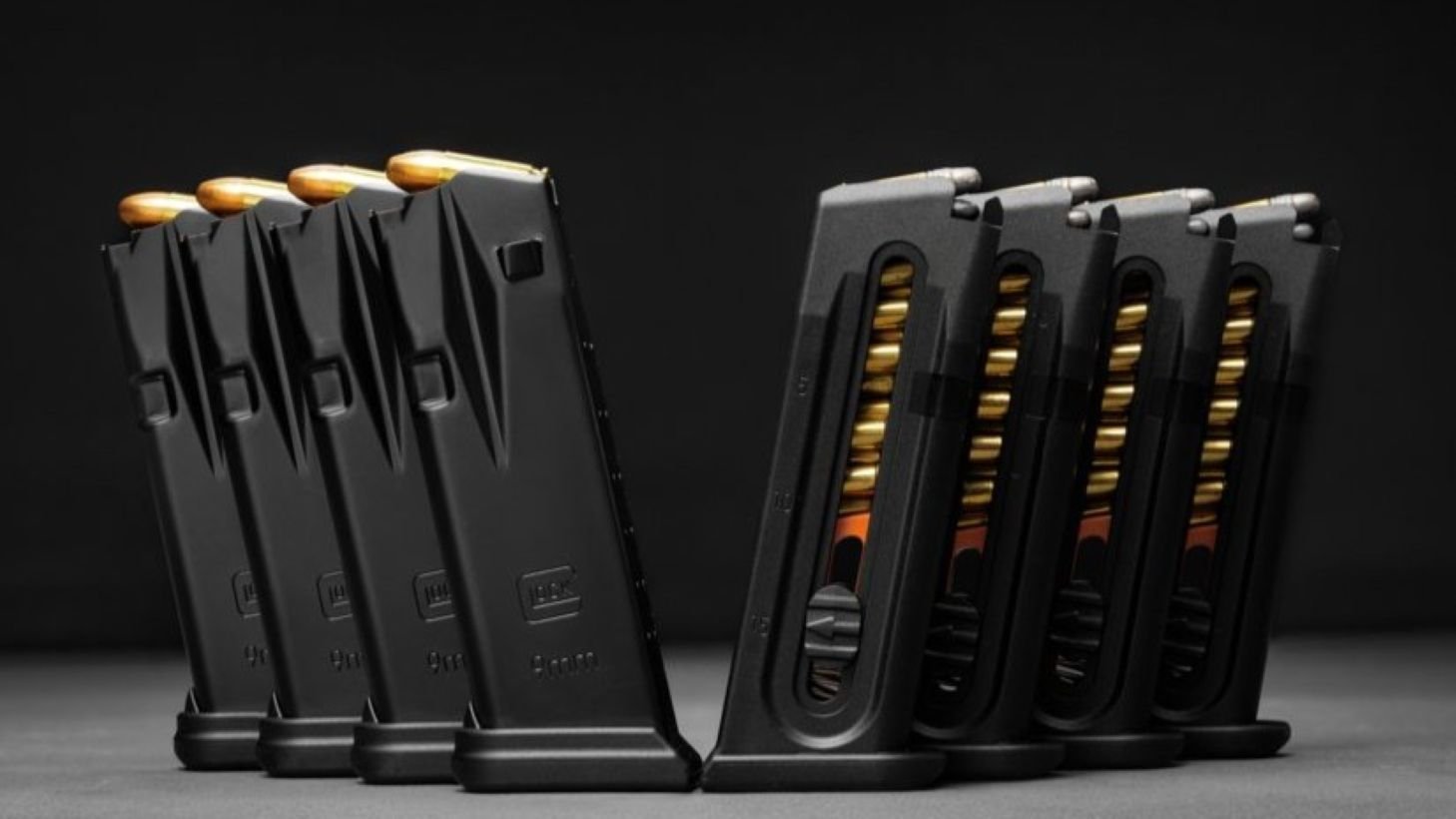
Glock has formally announced new 15-round magazines for two existing pistol lines, expanding capacity for the G44 and the company’s slimline 9mm models. The products were revealed through an official social media post, which provided the first confirmed look at the new magazines and identified a dealer release window of May 2026.
At this stage, Glock has not published a full technical release covering dimensions, materials, pricing, or whether any design revisions accompany the higher-capacity format. The company’s announcement, however, confirms that both magazines are intended as factory offerings rather than aftermarket accessories.
Models Confirmed to Receive New Magazines
The announcement identifies two specific products scheduled for release:
G43X and G48 15-Round SLIMLINE Magazine G44 15-Round Magazine For the slimline 9mm category, compatibility is listed with the Glock G43X and G48. Those pistols currently occupy a niche for users seeking a narrower-profile carry gun, and the factory move to a 15-round option addresses a long-running demand for greater onboard capacity without changing platforms.
The second magazine is intended for the Glock G44, the company’s .22 LR pistol. While Glock has not provided additional performance claims, the new 15-round configuration increases capacity for a model often used for training, recreational shooting, and lower-cost practice.
Design Details Visible So Far
Although formal specifications remain limited, available product images provide some early clues. In close-up views seen through dealer listings and in Glock’s official promotional image, the 9mm slimline magazine appears to use a solid magazine-catch interface indentation rather than the open catch hole commonly associated with some aftermarket designs.
The visible geometry also shows rounded edges and corners. Those details may be significant because one of the recurring concerns with expanded-capacity magazines for the G43X and G48 has been compatibility with the pistols’ standard magazine catch setup.
Ongoing Question About Magazine Catch Compatibility
A frequent complaint surrounding aftermarket higher-capacity G43X and G48 magazines has been the need to replace the factory polymer magazine catch with a steel version. Users have generally made that change to avoid wear issues caused by steel-bodied magazine interfaces or to ensure more secure retention.
The newly shown Glock magazine design may indicate an effort to avoid that requirement, but the company has not yet stated whether the 15-round slimline magazine is fully compatible with the standard factory plastic magazine catch. Until Glock releases technical guidance or the magazines reach dealers for testing, that point remains unresolved.
What Comes Next
For now, the key confirmed information is limited but clear: Glock plans to ship factory 15-round magazines for the G43X, G48, and G44 to dealers in May 2026. The announcement gives consumers a release timeframe and confirms Glock’s direct entry into a segment that has previously been dominated by aftermarket options.
Further details, including pricing, construction specifics, and confirmed compatibility notes, are expected to become clearer as dealer listings expand and the launch date approaches.
  • Text Only
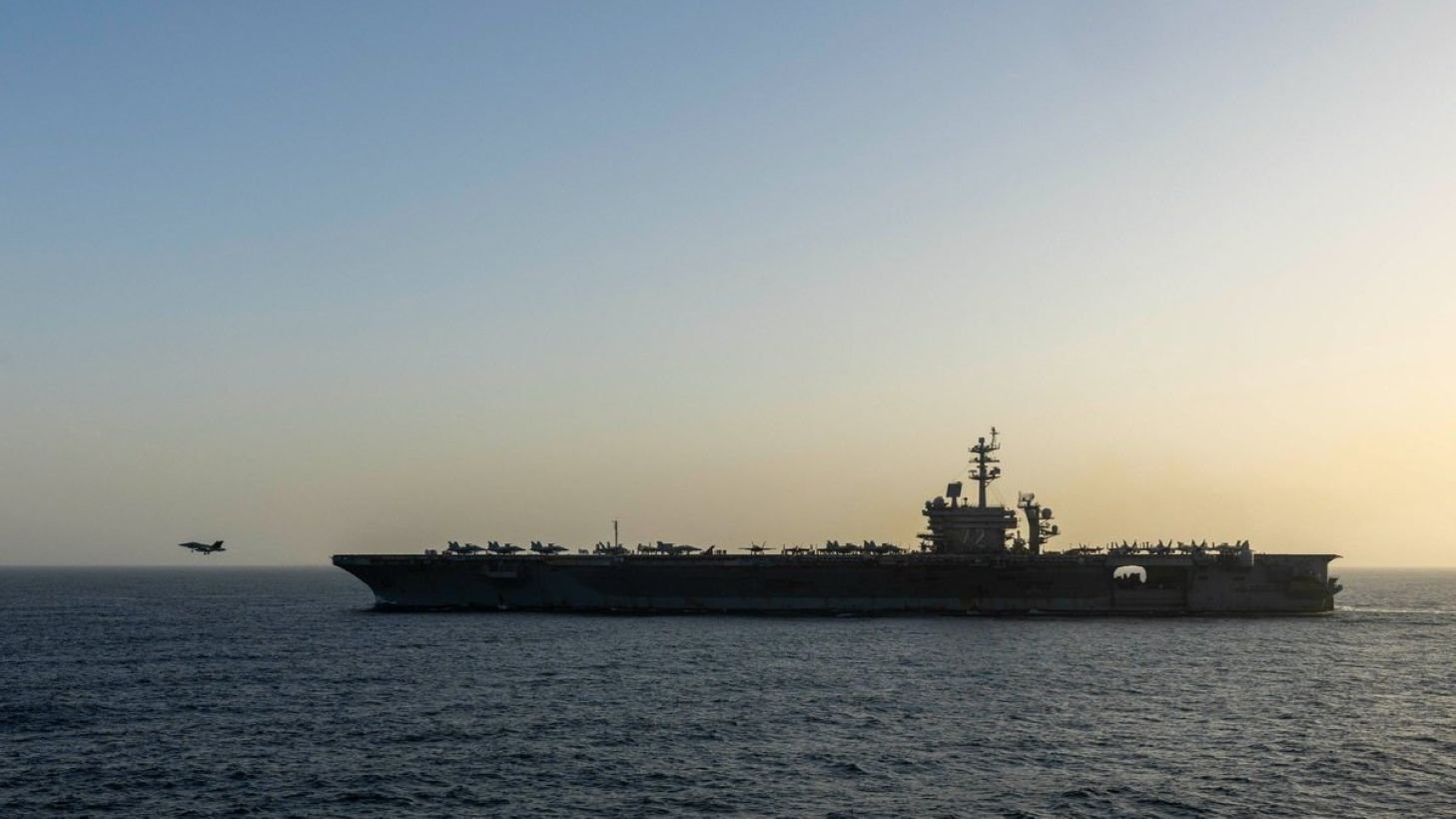
Navy Review Targets Next Ford-class Carrier Design
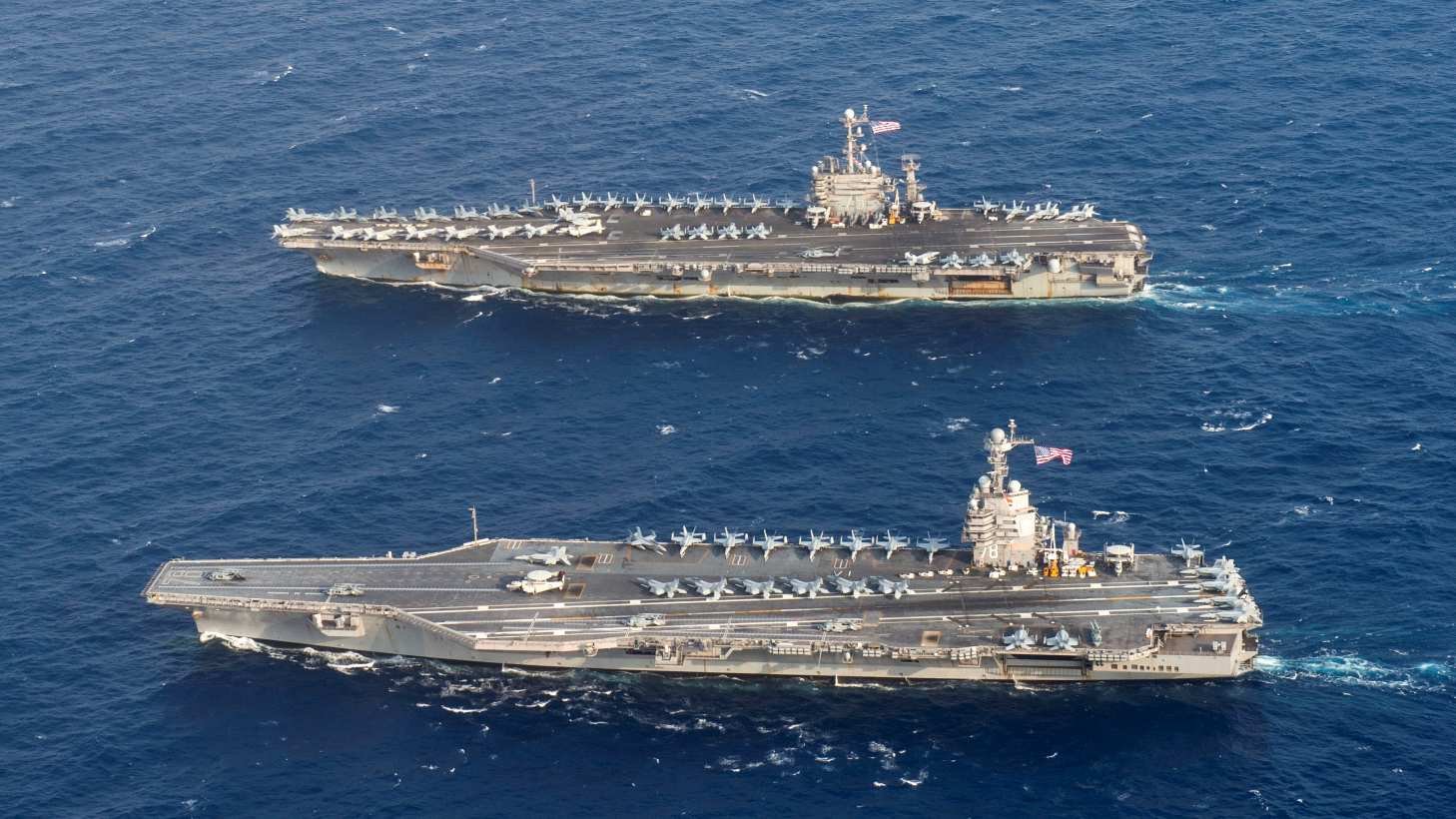
Per a USNI report, the U.S. Navy is completing a study of the Ford-class aircraft carrier program that could shape the design and procurement approach for CVN-82 and CVN-83, the next two ships planned in the class. Secretary of the Navy John Phelan said the review is examining cost, design, and onboard systems to determine whether changes are needed before future contract decisions.
Speaking during a media roundtable at the Navy League’s Sea-Air-Space symposium, Phelan said the assessment is intended to ensure the ships align with future force design requirements and remain practical given their share of the Navy budget. He said President Donald Trump is aware of the review and that the effort is expected to conclude within about a month.
Focus on Cost, Systems, and Long-Term Value
Phelan said the review is not limited to acquisition cost. It is also evaluating the full life-cycle burden of the ships, including maintenance expenses over decades of service. He described the effort as a check on whether the Ford-class is delivering the savings and operational benefits long associated with the design.
A central issue is whether the class’s newer systems justify their expense. The review includes scrutiny of the Electromagnetic Aircraft Launch System, or EMALS, and whether it has produced the expected reductions in manpower and maintenance costs. Phelan said Navy claims of billions in projected savings need to be validated.
Sortie Rate Data Under Examination
Another major line of inquiry is sortie generation rate, a key performance measure for aircraft carriers. The original Ford-class concept promised a roughly 30 percent increase in sortie generation compared with the Nimitz class. Phelan said the Navy is reviewing the performance of USS Gerald R. Ford (CVN-78), the lead ship, to better understand whether that advantage is being realized in practice.
He also said the Navy is monitoring broader aircraft and launch-system data, including questions about whether EMALS reduces stress on airframes compared with legacy steam catapults. The service has previously argued that the electromagnetic system is less taxing on aircraft, but Phelan indicated the department wants firmer evidence.
Navy Officials Cite Operational Results
At the Pentagon during the Fiscal Year 2027 budget rollout, Rear Adm. Ben Reynolds, the deputy assistant secretary of the Navy for budget, pointed to Ford’s current deployment spanning U.S. Southern Command and the Middle East as evidence of the class’s operational value. He said the ship’s sortie rate would prove “eye-watering,” though he did not provide figures.
In a February release, the Navy said preliminary results from the sortie generation test program showed the flight deck design, EMALS, and Advanced Arresting Gear had increased sortie generation relative to a Nimitz-class carrier. The service did not disclose by how much.
Procurement Timeline and Next Steps
A Navy official said the ongoing review will inform decisions on how to buy and build CVN-82 and CVN-83. The official described the Ford class as a battle-proven design and said the current review of the CVN-82 baseline is intended to further increase lethality.
Reynolds said the timing is appropriate because the Navy is now far enough into operating the class to identify changes worth making. The Fiscal Year 2027 five-year budget outlook projects procurement of CVN-82 in Fiscal Year 2029.
Phelan said it is too early to say whether the review will alter the broader program, but added that carriers will remain part of the fleet. “We will have carriers,” he said, calling them an important component of U.S. naval force structure.
  • Text Only
CSIS Estimates Heavy U.S. Air Defense Expenditure in Iran Conflict
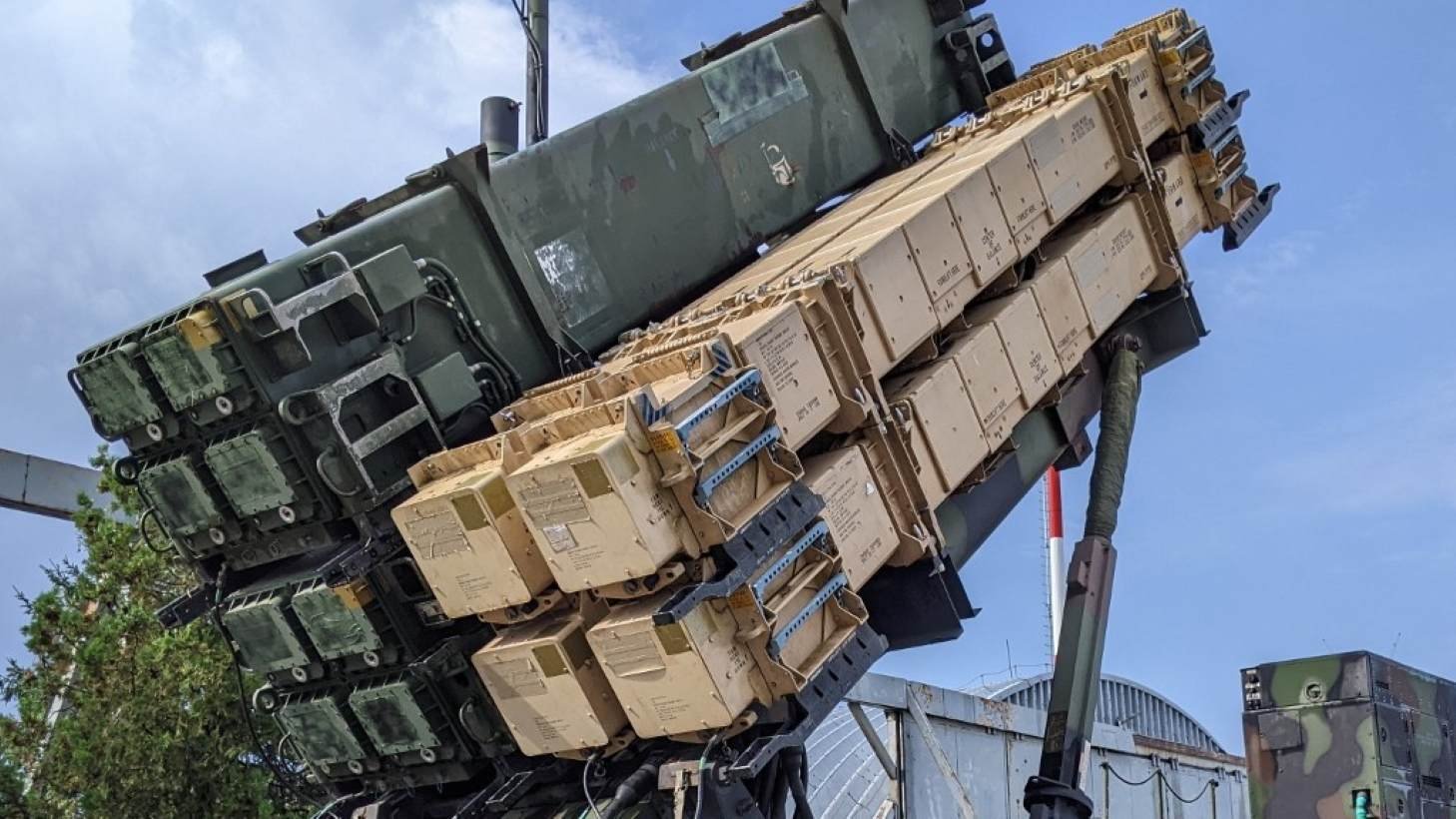
A new Center for Strategic and International Studies analysis, published April 21, estimates that the United States and its partners have consumed more than half of the available stocks of two key missile defense interceptors during the Iran war. CSIS assessed prewar U.S. inventories at roughly 2,330 Patriot interceptors and 360 THAAD interceptors, with wartime use estimated at 1,060 to 1,430 Patriots and 190 to 290 THAAD rounds.
The report examined seven critical munitions used during the campaign before a ceasefire pause took hold after 39 days of major air and missile operations. CSIS said four of those seven munitions may have fallen below half of prewar inventory levels. Other estimated expenditures included more than 850 Tomahawks, more than 1,000 JASSMs, 40 to 70 Precision Strike Missiles, 130 to 250 SM-3s, and 190 to 370 SM-6s.
Current War Sustainable, Future Risk Increased
CSIS concluded that U.S. forces still retain enough missiles to continue the present conflict under plausible scenarios. The larger concern, it said, is the effect on future contingencies, particularly a Western Pacific war requiring many of the same long-range strike and missile defense systems.
The report argues that inventories were already considered insufficient for a peer conflict before the Iran campaign. Rebuilding stocks to prewar levels is expected to take one to four years as missiles already in procurement are delivered, while expanding beyond those levels will take longer.
Limited Substitutes for Ballistic Missile Defense
For strike missions and some drone defense roles, the U.S. military has lower-cost alternatives, including JDAMs, Small Diameter Bombs, APKWS rockets, and interceptor drones. CSIS said those options helped reduce demand for the most expensive long-range munitions as Iranian air defenses weakened and attack volumes fell.
That substitution is far less feasible for ballistic missile defense. Patriot, THAAD, and Standard Missiles remain the primary tools against ballistic threats, and CSIS identified no effective replacement for those systems in that role. THAAD was described as especially constrained because of its low interceptor inventory, limited battery count, and dependence on AN/TPY-2 radars.
Implications for Ukraine and Other Buyers
The findings carry implications for Ukraine, which relies on Patriot systems to counter Russian ballistic missiles such as the Iskander-M and Kinzhal. Kyiv has repeatedly criticized the use of Patriot interceptors against Iranian Shahed drones in the Middle East, arguing that those rounds are needed more urgently for high-end missile defense.
Ukraine has expanded cheaper anti-drone options, including domestically developed interceptor drones, but remains dependent on outside supply of PAC-3-class interceptors for ballistic missile defense. CSIS also said reduced U.S. inventories will affect supply decisions for Ukraine and other allies seeking Patriot, THAAD, and PrSM deliveries.
Production Expansion Will Take Time
Industry has announced plans to raise output, but near-term relief appears limited. Lockheed Martin aims to increase PAC-3 MSE production to 2,000 missiles annually by 2030, while THAAD interceptor capacity is planned to rise to 400 per year from 96. Raytheon is also expanding Patriot GEM-T production in Germany, though those lines are not yet operational.
Even with additional funding, delivery timelines remain long. CSIS estimates total delivery time at about 42 months for Patriot and 53 months for THAAD. For PAC-3 MSE specifically, the report says contracts take about 29 months to move from appropriation to the start of manufacturing, underscoring that replenishment will be measured in years rather than months.
  • Text Only
Service Life Extended to 2030
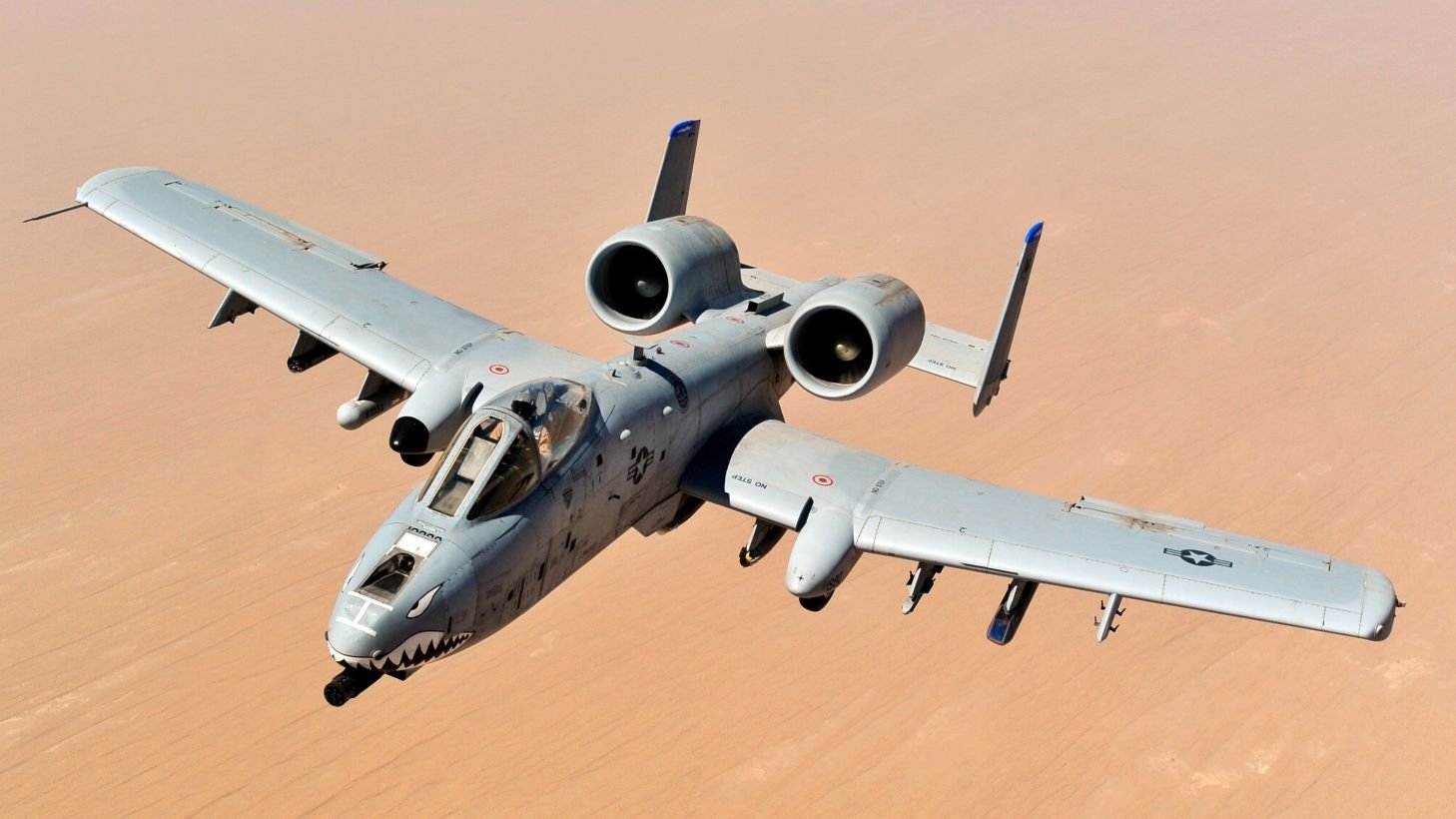
The U.S. Air Force will keep the A-10C Thunderbolt II in service through 2030 after combat operations against Iran highlighted the aircraft’s continued utility in close air support and related missions. Secretary of the Air Force Troy Meink confirmed the decision on April 20, 2026, reversing an FY2026 plan that had called for retiring all 162 remaining A-10s.
Under the revised plan, two operational squadrons will remain active through 2030 and one through 2029. The move follows an internal review of operational demand during Operation Epic Fury, conducted from March to April 2026.
Combat Employment in Operation Epic Fury
A-10s were deployed within the first 48 hours of strike operations and were used for close air support against Iranian and proxy ground elements, armed overwatch, counter-drone missions, maritime strike, and combat search and rescue support.
In the Strait of Hormuz, the aircraft was used against small, fast-moving attack craft in a congested environment where visual target identification and quick engagement cycles were important. On April 3, 2026, A-10s also supported the recovery of a downed F-15E crew, suppressing hostile fire while HH-60W helicopters and HC-130J aircraft executed the rescue. At least one A-10 was lost during that mission, though the pilot ejected after reaching friendly airspace.
Fleet Structure and Congressional Limits
The retained force will center on the 23rd Fighter Group at Moody Air Force Base, which keeps two squadrons, and a reserve squadron at Whiteman Air Force Base, which will remain active through 2030. However, the extension does not restore the broader support structure that previously sustained the fleet.
The final A-10 pilot training class graduated in April 2026 at Davis-Monthan Air Force Base, ending the pipeline for new pilots. Depot-level airframe maintenance at Hill Air Force Base had already been discontinued, and A-10 test units were inactivated in December 2025.
Congress also shaped the decision through the FY2026 National Defense Authorization Act. The law bars the Air Force from reducing the fleet below 103 aircraft and requires at least 93 primary mission aircraft through September 30, 2026. Any further cuts require certification by the Air Force secretary, a recapitalization plan, and congressional notification.
Why the A-10 Was Retained
Operation Epic Fury underscored mission areas where the A-10 still offers specific advantages. The aircraft can remain over a target area longer than faster jets, fly repeated low-altitude attack runs, and operate close to friendly forces. Its GAU-8/A 30 mm cannon fires about 3,900 rounds per minute, and the aircraft can carry up to 7,260 kilograms of ordnance on 11 pylons.
During recent operations, A-10s used combinations of AGM-65 Maverick missiles, AIM-9M Sidewinders, APKWS laser-guided rockets, a Litening targeting pod, and external fuel tanks. APKWS, with a unit cost below $30,000, was used against Shahed-type drones as a lower-cost option than standard air-to-air missiles.
Limits of the Extension
The Air Force has not rebuilt long-term sustainment capacity for the aircraft, indicating that the decision is intended to preserve near-term combat capability rather than reverse the broader retirement plan. The A-10 remains vulnerable in heavily contested airspace, particularly against modern integrated air defenses and man-portable missiles, and it lacks onboard radar for autonomous target acquisition.
The service has previously argued that newer aircraft, such as the F-35 and F-15EX, will eventually assume its missions, but production and fielding have not reached a level sufficient to replace the current close air support capacity. An estimated $423 million needed to sustain the A-10 fleet was not included in the FY2026 budget, underscoring that the extension is a limited measure rather than a full force-structure reset.
  • Text Only
Budget Request Released
The Department of War on Tuesday released President Donald J. Trump’s Fiscal Year 2027 defense budget request, seeking $1.5 trillion in total spending. The department said the proposal represents a 42% increase over current funding levels.
Secretary of War Pete Hegseth said the request is intended to expand U.S. military capacity while maintaining readiness. “We are delivering on President Trump’s commitment to expand American military dominance for decades to come,” Hegseth said. He added that the budget is meant to protect the homeland and sustain force readiness.
The department also said it cut nearly $20 billion in what it described as unnecessary spending and redirected that money to warfighting priorities.
Industrial Base and Procurement
More than half of the proposed budget, or $756.8 billion, is allocated to what the department called investments in new capabilities. According to the release, the funding would support defense industrial base expansion, supply chain investments, critical minerals and munitions production, and additional work for small and medium-sized U.S. businesses.
The department said the plan would increase purchases of major defense articles and could create hundreds of thousands of jobs, though it did not provide a detailed breakdown in the release.
Homeland Defense and Readiness
The budget requests $18 billion to begin operationalizing the “Golden Dome,” a homeland missile defense effort described as a layered system that would include space-based sensors and interceptors, kinetic and non-kinetic missile defeat capabilities, and related enabling technologies.
It also includes $2.3 billion to sustain enhanced border security efforts in coordination with the Department of Homeland Security.
For readiness, the proposal adds $31.7 billion above FY2026 enacted levels for what the department called core readiness and readiness enablers, including cybersecurity, ship operations, flying hours, and ground readiness.
Force Structure and Modernization
The request includes funding for advanced platforms, including the F-47 and B-21, as well as accelerated modernization of the U.S. nuclear arsenal. It also provides for military pay increases and housing support for service members and their families.
The department said the budget would increase total end strength by more than 2% in FY2027. Active-duty components would rise by more than 3%, for a total increase of 44,000 service members.
Drones, Shipbuilding, Space, and Cyber
The proposal allocates more than $74 billion for drone and counter-drone technologies, which the department said would triple spending in that area compared with FY2026.
For maritime programs, the budget includes $65.8 billion for shipbuilding, shipyard modernization, and the creation of what the department called the “Golden Fleet.” The request would fund 18 new Battle Force Ships, which the release said is the largest such request since 1962.
The budget would also nearly double funding for the U.S. Space Force, with more than $75 billion requested for space-related capabilities.
Cyber operations would receive more than $20 billion under the proposal, aimed at defending federal systems, critical infrastructure, and supply chains while expanding cyber operational capacity.
  • Text Only
Release announced
Smith & Wesson Brands, Inc. announced on April 14, 2026, the release of the Bodyguard 38 2.0, a revised small-frame revolver intended for personal-protection and everyday-carry use. The company, listed on the NASDAQ Global Select Market under ticker SWBI, said the model was developed as a compact, lightweight platform with a focus on straightforward operation.
Caliber and operating system
The Bodyguard 38 2.0 is chambered in .38 S&W Special +P. It uses a double-action-only trigger system and a 5-shot cylinder, a configuration commonly associated with simplified defensive carry revolvers. Smith & Wesson said the revolver is built around a 1.875-inch stainless-steel barrel and a one-piece aluminum-alloy upper frame, combining corrosion-resistant steel in the barrel assembly with reduced overall weight from the alloy frame construction.
Size and carry profile
According to the company, the revolver measures 4.6 inches in height and 1.35 inches in width, with an unloaded weight of 14.2 ounces. Those dimensions place it in the compact carry category, where low weight and minimal bulk are typically prioritized for waistband, pocket, or off-body carry. Smith & Wesson described the model as designed to balance durability with portability for routine concealed-carry use.
Controls and sighting setup
A notable design change is the ambidextrous, center-mounted cylinder release, which the company said is intended to allow operation with either hand. Smith & Wesson positioned the feature as useful for both right- and left-handed shooters and as part of the revolver’s emphasis on intuitive handling.
The sight system consists of a machined U-notch rear sight and an orange partridge-style front sight. The company said this combination is intended to support faster target acquisition under varied lighting conditions. The revolver ships with a polymer boot-style grip, which Smith & Wesson said is intended to improve control and shootability while keeping the overall profile compact.
Laser option and pricing
Smith & Wesson said buyers will also have the option to purchase a version equipped from the factory with an integrated Crimson Trace red laser. The standard Bodyguard 38 2.0 has an MSRP of $449, while the laser-equipped version carries an MSRP of $549.
Product positioning
In its release, Smith & Wesson presented the Bodyguard 38 2.0 as an updated defensive revolver centered on compact dimensions, low weight, and a simple manual of arms. The package combines a small-frame .38 Special +P chambering, double-action-only operation, ambidextrous controls, fixed sights, and an optional factory-installed laser, placing it squarely in the market segment for discreet personal-defense handguns.
  • Text Only
Hi-Point Expands Into Suppressors With Hush-Point Line
Hi-Point Firearms has introduced the Hush-Point family of suppressors, a new product line built around two models: the Hush-Point 22 and the Hush-Point 9/45. The launch extends the company’s catalog beyond firearms and into sound suppression, with one model aimed at rimfire and small-caliber use and the other covering a wider range of pistol calibers, plus limited rifle applications.
Both suppressors share the same basic construction approach and are presented as part of a common family rather than separate standalone designs.
Shared Design and Materials
Across the line, Hi-Point lists a symmetrical four-piece design. The body, monolithic baffle, and muzzle cap are made from 7075 aluminum, while the host cap is made from 17-4 stainless steel. The use of a monolithic baffle indicates a single-piece internal core rather than a stack of separate baffles.
Threading differs by model. The Hush-Point 22 uses 1/2x28 threads. The Hush-Point 45 is offered with 1/2x28 and .578x28 host cap thread options. Hi-Point does not rate either suppressor for full-auto use.
Hush-Point 22 Specifications
The Hush-Point 22 is the lighter and shorter of the two models. Hi-Point lists it at 6.19 inches in length and 4.9 ounces in weight, with a 1/2x28 host cap thread.
Caliber compatibility on the Hush-Point 22 includes a broad range of rimfire and small-bore cartridges. Listed .22-caliber options are .22 Short, .22 LR, and .22 WMR. The suppressor is also rated for several .17-caliber cartridges: .17 Mach 2, .17 HMR, and .17 WSM.
Based on that caliber list, the Hush-Point 22 is positioned as a multipurpose suppressor for users running common rimfire platforms as well as select .17-caliber rifles and pistols that use compatible threading.
Hush-Point 45 Specifications
The Hush-Point 45 is the larger model in the lineup and is intended for centerfire handgun use, with some additional compatibility outside that category. Hi-Point lists overall length at 7.87 inches and weight at 12.8 ounces. Host cap thread options are 1/2x28 and .578x28.
Pistol caliber support includes 30 Super Carry, .380 Auto, 9mm, .40 S&W, 10mm, and .45 Auto. Hi-Point also lists two rifle-compatible chamberings for the Hush-Point 45: .300 Blackout in subsonic loads and 5.7x28mm.
That combination places the Hush-Point 45 in a broad utility role for shooters using multiple handgun calibers, while also allowing crossover use on select rifles or carbines that match the suppressor’s stated limitations and thread requirements.
Product Positioning and Practical Notes
The Hush-Point series appears structured around straightforward material choices, a shared architecture, and caliber coverage split between rimfire and centerfire use. The Hush-Point 22 addresses traditional rimfire suppression needs with low weight, while the Hush-Point 45 emphasizes wider cartridge compatibility and dual thread options.
As listed by Hi-Point, neither model is full-auto rated, making the line oriented toward conventional semi-automatic and manually operated hosts rather than sustained automatic-fire applications.
  • Text Only
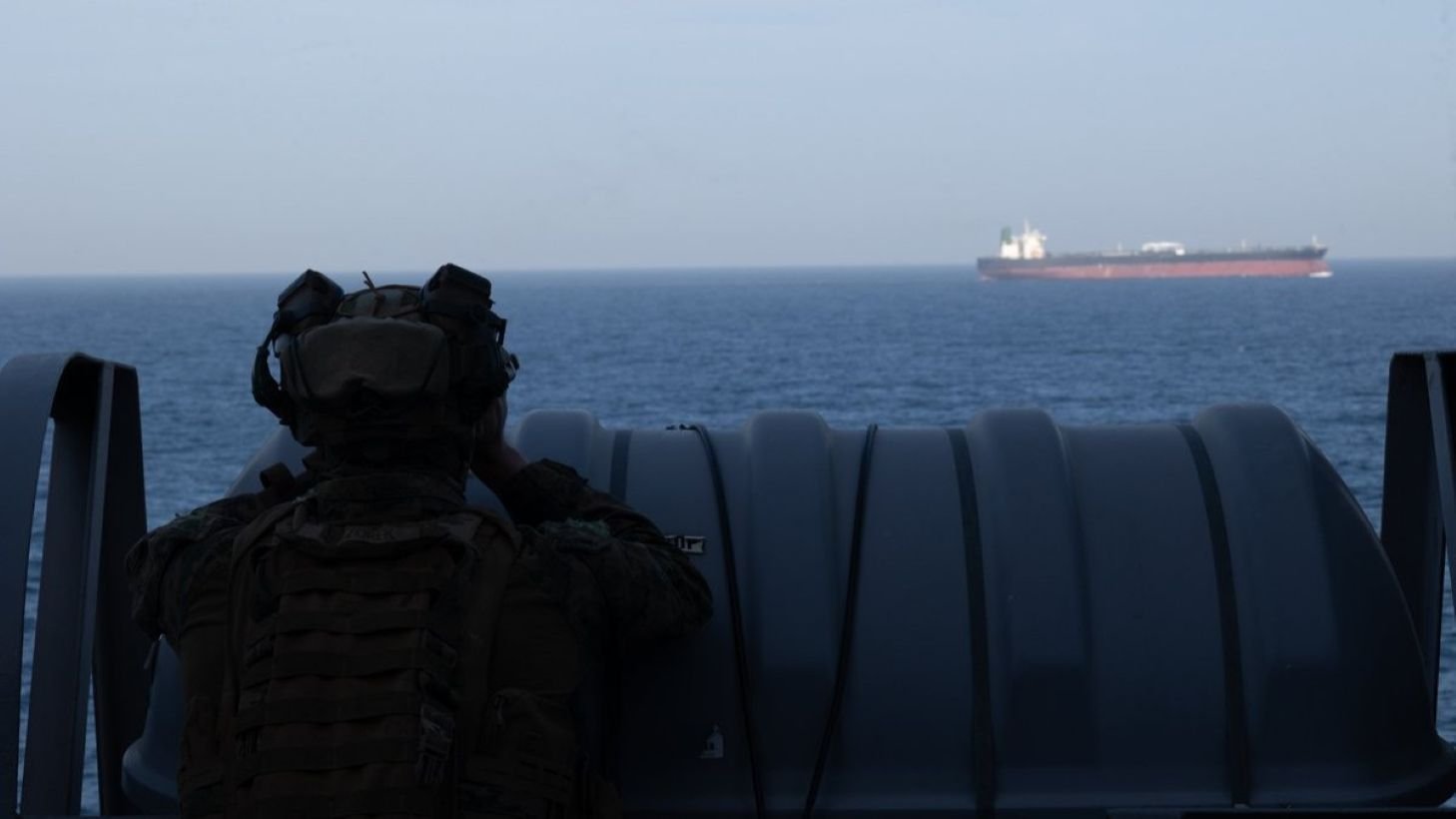
U.S. forces seize sanctioned Iranian-flagged cargo ship
U.S. Marines boarded and took custody of the Iranian-flagged cargo ship Touska after the vessel attempted to pass a U.S.-enforced naval blockade near the Strait of Hormuz, according to statements Sunday from President Donald Trump and U.S. Central Command.
Trump said on social media that the Arleigh Burke-class guided-missile destroyer USS Spruance stopped the ship after it tried to continue toward Iranian waters despite orders to halt and turn back. CENTCOM said the Touska was sailing toward Bandar Abbas, Iran, when the encounter occurred.
CENTCOM says ship ignored warnings for six hours
According to CENTCOM, the USS Spruance issued multiple direct messages to the Touska, but the vessel’s crew did not comply over a six-hour period. After repeated warnings, the destroyer instructed the crew to evacuate the engine room before engaging the ship.
CENTCOM said Spruance then disabled the Touska’s propulsion by firing several rounds from its 5-inch Mk 45 naval gun into the engine room. Trump described the action as a direct hit that disabled the sanctioned vessel. CENTCOM also released brief video footage that appeared to show the destroyer maneuvering alongside the cargo ship and opening fire.
Marines from 31st MEU conducted the boarding
After the ship was disabled, Marines from the 31st Marine Expeditionary Unit boarded the Touska. Trump said U.S. forces now have “full custody” of the vessel. Neither Trump nor CENTCOM provided further details on the immediate status of the ship’s crew or what legal or operational steps will follow.
The Touska was described as a vessel already under U.S. Treasury sanctions, a detail that may shape the handling of the seizure. No injuries or casualties were announced in the statements released Sunday.
First direct ship seizure since blockade began
The operation appears to be the first direct U.S. military action against a ship since Washington announced a blockade targeting vessels traveling to or from Iranian ports. U.S. officials have framed the blockade as a response to Iran’s moves to restrict access to the Strait of Hormuz, a critical route for global oil and commodity shipments.
Before the Touska incident, U.S. forces had reportedly turned back more than 20 ships without boarding them. The latest seizure marks an escalation in enforcement after several days of rising tension around the waterway.
Regional tensions continue to rise in Strait of Hormuz
The broader confrontation has intensified in recent days. The article states that vessels linked to Iran’s Islamic Revolutionary Guard Corps fired on two Indian tankers in the Strait of Hormuz a day earlier, while Iran said it would reimpose “strict control” over the waterway in response to the U.S. blockade.
On Thursday, Chairman of the Joint Chiefs of Staff Gen. Dan Caine said U.S. sailors were authorized to fire warning shots at ships attempting to cross the blockade and could board and take control of a vessel if necessary.
The USS Spruance is assigned to the USS Abraham Lincoln Carrier Strike Group and has been operating in the Arabian Sea. The U.S. naval presence in the area includes more than six destroyers, along with the USS Tripoli Amphibious Ready Group, which carries about 2,200 Marines from the 31st MEU.
  • Text Only
Taurus Enters 9mm PDW Segment
Taurus USA announced on April 14 the launch of the Taurus RPC, a new 9mm platform described by the company as its first dedicated entry in the personal defense weapon, or PDW, category. Taurus said the RPC is built to NATO standards and is intended to offer a compact format with a focus on reliability and adaptability.
The release places the RPC as an expansion beyond the company’s established handgun and long-gun lines into a more specialized pistol-caliber platform market.
Layout, Materials, and Controls
According to Taurus, the RPC uses an aluminum construction intended to reduce weight while maintaining what the company describes as duty-grade durability. The platform includes fully ambidextrous controls, with bolt release/lock and magazine release access from either side.
The charging handle is non-reciprocating and reversible, allowing users to configure it for right- or left-side operation. Taurus also lists an AR-15 compatible soft rubber over-molded grip and a single-stage, flat-faced trigger.
Three integrated quick-detach sling attachment points are built into the platform for carry options.
Rail System and Barrel Setup
The RPC uses a full-length Picatinny top rail for optics and other accessories, paired with an M-LOK handguard for additional mounting space. At the rear, the receiver includes a vertical Picatinny rail for attachments.
A 4.5-inch threaded barrel is standard across the line. Taurus said the RPC also incorporates a quick-change barrel system intended to support additional configurations in the future.
Configurations and Magazine Options
Taurus is offering two primary versions of the RPC. The standard model uses a rear Picatinny rail end plate, while the second version includes a Strike Industries FSA folding brace. Taurus said the brace-equipped model is intended to provide added stability while retaining a compact profile.
The platform feeds from 32-round 9mm magazines as standard. Taurus also said both versions will be offered with 10-round magazines for jurisdictions where higher-capacity magazines are restricted.
Company Statement and Pricing
In the announcement, Taurus President and CEO Bret Vorhees said the RPC represents “an important step” for the company as it enters a new product category. He described the platform as designed to be reliable, easy to use, and adaptable while meeting the value expectations of Taurus customers.
Taurus lists the MSRP at $938.99 for the standard non-brace model and $1,098.99 for the version fitted with the Strike Industries brace.
Published Specifications
Taurus identifies the RPC’s listed features as a 9mm chambering, 32-round capacity, full-length Picatinny top rail, rear vertical Picatinny rail, M-LOK handguard, fully ambidextrous controls, flat-faced single-stage trigger, AR-15 compatible over-molded grip, 4.5-inch threaded barrel, three QD sling attachment points, and a quick-change barrel system.
  • Text Only
Commercial traffic through the Strait of Hormuz remains under severe strain after reports that Iranian forces fired on merchant vessels and warned ships they were not authorized to transit the waterway. The incidents mark a renewed maritime escalation in the broader U.S.–Iran conflict and place fresh pressure on one of the world’s most important energy corridors.
Merchant vessels report direct fire
Reuters reported on April 18 that merchant ships attempting to cross the strait received radio warnings from the Iranian navy stating they were not permitted to pass. Two vessels also reported being hit by gunfire, according to the agency.
The reported attacks represent a shift from harassment, delays, or coercive inspections to direct engagement with civilian shipping. If sustained, that would significantly increase operational risk for commercial operators, insurers, and naval forces monitoring traffic through the area.
Conflicting claims over whether Hormuz is open
Associated Press reported that Iran has again fully closed the Strait of Hormuz in response to the continuing U.S. blockade. AP also said the Islamic Revolutionary Guard Corps warned approaching vessels that they could be treated as enemy targets.
The same report said Iranian forces fired on several commercial ships, including two India-flagged vessels. Those accounts help explain recent mixed messaging around the waterway: while some diplomatic statements have suggested partial reopening, reported conditions at sea indicate that access remains subject to Iranian control and could change quickly.
Traffic moving only under tight restrictions
Reuters reported that British Foreign Secretary Yvette Cooper called for the full resumption of shipping through Hormuz, saying normal maritime traffic has not returned. A convoy of tankers has reportedly moved through the area, but only under tightly managed conditions.
That distinction is important for shipping markets. The strait may be passable in limited cases, but it is not operating as a normal commercial route. Vessel movement appears restricted, politically conditioned, and vulnerable to rapid disruption, leaving charterers and insurers to treat the corridor as an active security risk rather than a stabilized lane.
Maritime pressure now central to the conflict
Recent developments suggest the conflict is increasingly being fought through blockade pressure, shipping disruption, and control of sea access rather than only through strikes on military or infrastructure targets. AP reported that the U.S. blockade remains in place, while Washington continues to use maritime pressure as part of its broader strategy.
That means any formal ceasefire has done little to restore confidence at sea. Instead, the maritime domain has become a primary arena where both military leverage and economic pressure are being applied.
International response may widen
More than 50 countries support freedom of navigation through the strait, and more than a dozen are prepared to provide maritime assistance if required. That does not guarantee a coalition deployment, but it raises the possibility of expanded escort missions or convoy protection if attacks on commercial shipping continue.
For now, the Strait of Hormuz remains the conflict’s most sensitive pressure point. It is where military confrontation, energy security, and global trade intersect most directly, and where further incidents could quickly broaden the crisis beyond the immediate U.S.–Iran dispute.
  • Text Only
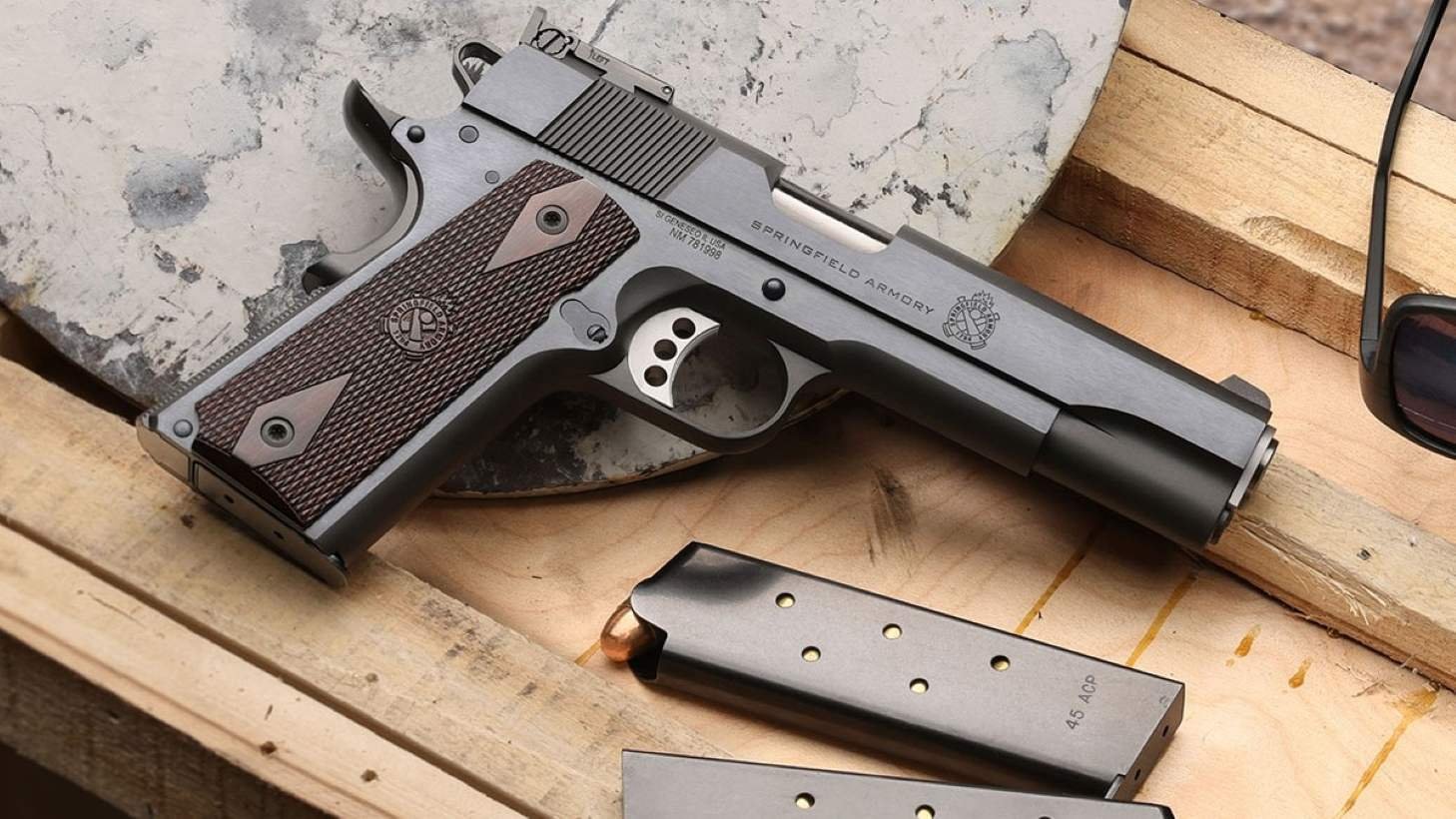
Springfield Armory adds target-sighted 1911 Garrison models in .45 ACP and 9mm
Springfield Armory announced on April 17, 2026 the release of two new 1911 Garrison Target pistols, chambered in .45 ACP and 9mm. The additions expand the company’s Garrison line with versions equipped with a fully adjustable rear sight intended for accuracy-focused and competition-oriented use.
Both pistols retain the traditional Government-size 1911 format and are built with hot salt blued carbon steel paired with wood grip panels. Springfield described the models as classically styled 1911s updated with modern features.
Shared construction and sighting features
The two Garrison Target variants use forged carbon steel slides and frames. Each pistol is fitted with a 5-inch forged stainless steel match-grade barrel.
A key change from standard configurations is the steel adjustable rear sight, which provides windage and elevation adjustment. Springfield said the rear face of the sight is black and serrated to reduce glare and improve the sight picture. The front sight uses a high-visibility white dot.
The pistols also ship with checkered thinline wood grips. Springfield said the forged steel construction is consistent with its broader 1911 line.
Chamberings, magazines, and capacities
The .45 ACP version ships with a blued steel magazine and has a stated capacity of 7+1. The 9mm version includes a stainless steel magazine with a stated capacity of 9+1.
Aside from chambering, magazine type, and capacity, the release indicates the two handguns share the same general construction, barrel length, finish, and sighting setup.
Company statement on intended role
In the announcement, Steve Kramer, vice president of marketing for Springfield Armory, said the .45 ACP and 9mm Garrison Target pistols are intended to offer “a classically styled 1911 with modern features designed to wring out maximum accuracy potential.” He also cited the forged steel construction and adjustable rear sight as central elements of the design.
Model numbers and listed pricing
Springfield identified the two pistols as follows: 1911 Garrison Target .45 ACP, model PX9420-ADJ, UPC 706397995911; and 1911 Garrison Target 9mm, model PX9419-ADJ, UPC 706397995904.
The release contains two different MSRP figures. In the main body text, Springfield states that both models have an MSRP of $899. However, the individual product listings at the end of the release give an MSRP of $999 for the .45 ACP model and $999 for the 9mm model.
Position in the current 1911 market
The launch places the Garrison Target models in the segment of full-size 1911 pistols configured for users who want adjustable sights while retaining a conventional steel-frame layout, single-action operation, and traditional materials. The additions also continue the practice of offering the same platform in both .45 ACP, the original 1911 chambering, and 9mm, which has become increasingly common for training, competition, and lower-recoil use.
  • Text Only
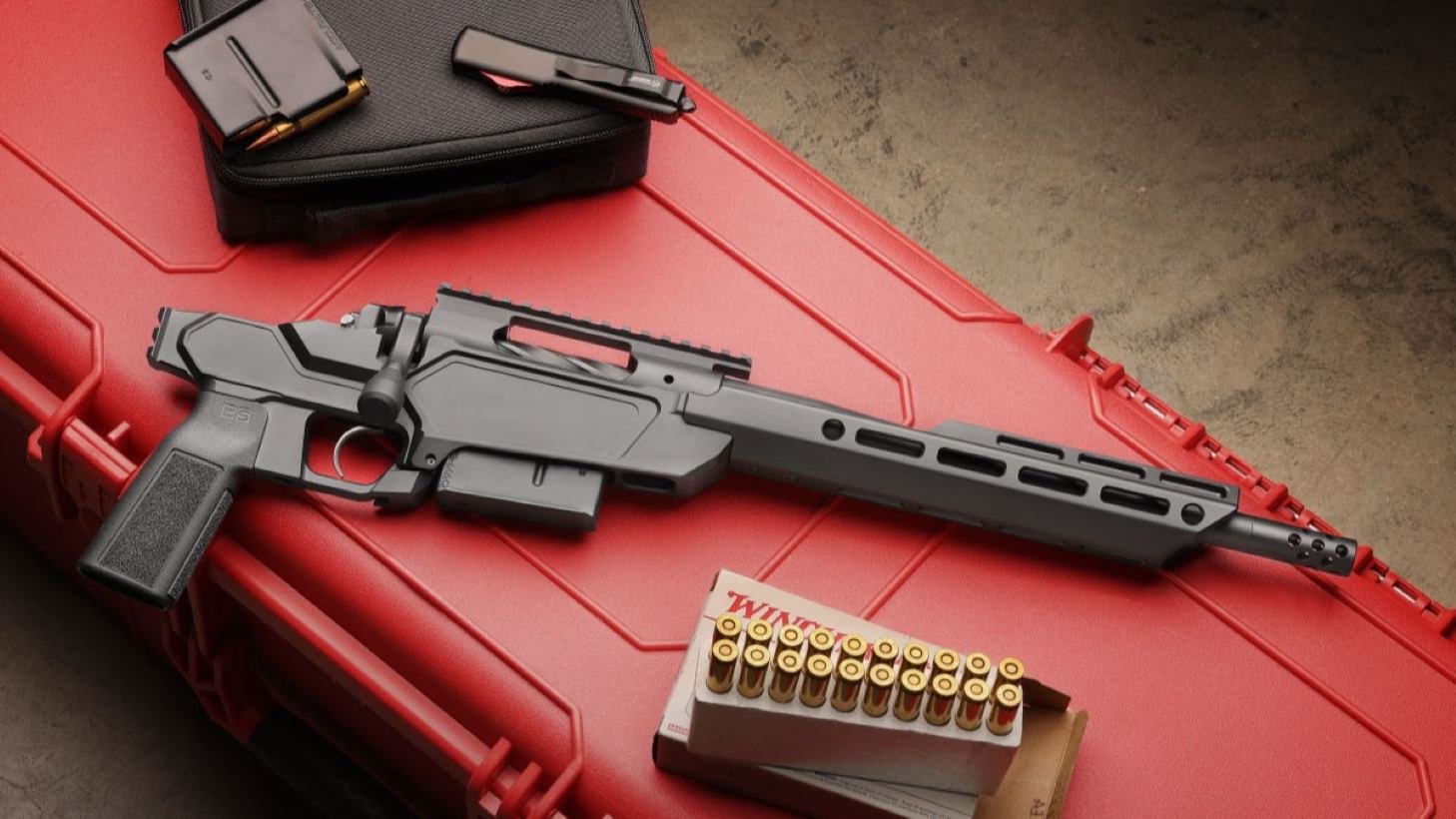
Release and configuration
Springfield Armory announced on April 17, 2026, the release of the Model 2020 Heatseeker .308 Pistol, a bolt-action firearm built on the company’s Model 2020 action and configured in a compact chassis format. The pistol is chambered in .308 Win., has an overall length of 22.5 inches, and uses a 12-inch barrel. Springfield lists the finish as Graphite Black Cerakote.
The launch adds a pistol-format variant to the Model 2020 line, which previously centered on bolt-action rifles. In company comments accompanying the announcement, Steve Kramer, vice president of marketing for Springfield Armory, said the Model 2020 line had developed a reputation for “custom-grade performance at a production rifle price” and said the new pistol adds another option within that family.
Action and chassis details
The firearm uses the Model 2020 action, which Springfield describes as a custom-grade design with dual locking lugs and EDM-cut raceways intended to promote smooth cycling and consistent operation.
That action is fitted into the Sharps Bros 1913 Heatseeker chassis. According to the release, the chassis is machined from a single block of aircraft-grade aluminum and includes an integral recoil lug. External features include extensive M-Lok mounting surfaces, a compact handguard, a rear-mounted section of Picatinny rail, and an AR-pattern B5 Systems P5 grip.
Barrel, muzzle, and feeding system
Springfield states that the pistol’s 12-inch barrel is made from stainless steel and uses a 1:10 twist rate. The muzzle is threaded 5/8x24 and ships with the company’s SA Radial Brake installed.
Feeding is from a detachable five-round magazine using the AICS pattern. The pistol is also supplied with a Picatinny rail scope mount for optics installation.
Weight and trigger specifications
The listed unloaded weight is 6 pounds. Springfield says the pistol uses an adjustable TriggerTech trigger with a pull-weight range of 2.5 to 5 pounds.
Taken together, the specifications place the model in the compact precision category, combining a short overall footprint with common accessory interfaces and a detachable box magazine system.
Compatibility, legal note, and pricing
In its announcement, Springfield said the Heatseeker .308 Pistol is designed to accept user-selected suppressors, optics, braces, and stocks. The company noted that National Firearms Act restrictions may apply to some configurations and advised buyers to consult qualified legal guidance as needed.
Springfield lists the Model 2020 Heatseeker .308 Pistol under item number BAH912308B with UPC 706397000745. The announced MSRP is $1,999.
  • Text Only
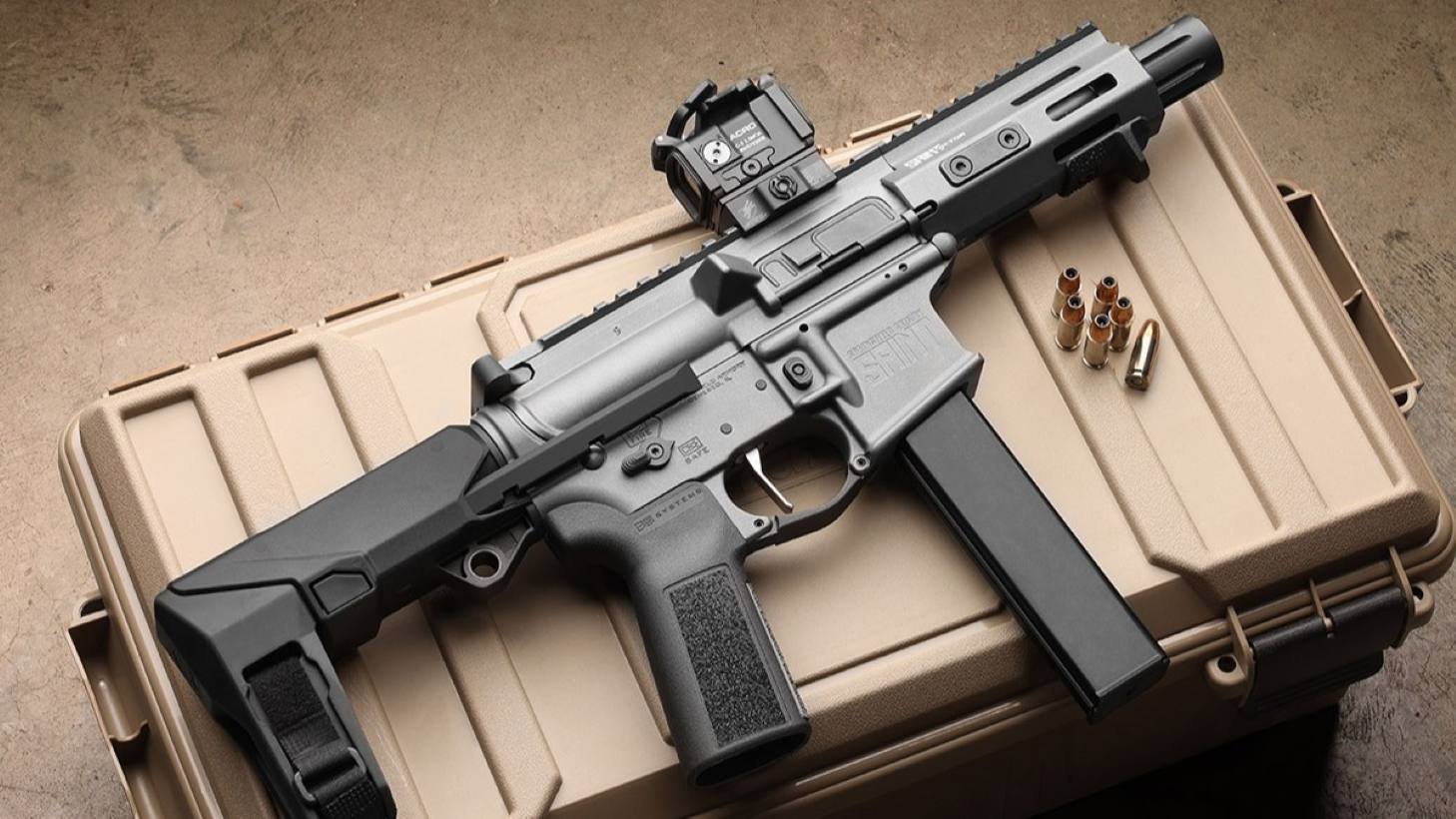
Launch announcement
Springfield Armory announced the SAINT Victor 5.5-inch 9mm PDW on April 16, 2026, in a release issued from Geneseo, Illinois. The firearm is a compact 9mm, AR-pattern personal-defense-weapon-style platform built around a 5.5-inch barrel and an SB Tactical HBPDW collapsible brace. Springfield said the model is intended for maneuverability in confined spaces while retaining space for optics and other accessories.
Receiver and operating system
The SAINT Victor 9mm PDW uses forged upper and lower receivers and operates by direct blowback. Springfield identified the operating system as a reliability-focused design choice for the platform. The firearm also includes a full-length top Picatinny rail, giving users a continuous mounting surface for optics and accessory placement on the upper portion of the gun.
The company said the overall layout is meant to keep the firearm short and maneuverable without removing common AR-style mounting and control features.
Brace and handling features
The SB Tactical HBPDW brace is mounted on the PDW's lower receiver extension. Springfield said the brace is designed to keep the firearm's footprint compact while adding stability and control. The assembly is described as lightweight and low profile, with three-position adjustability.
Adjustments are made through a lock/release button located on the left side of the brace. Springfield said the setup allows users to tailor the brace position for handling and movement in tighter environments. The firearm also includes a low-profile hand stop on the handguard, which the company said is intended to provide a consistent forward index point for the support hand.
Barrel, muzzle, and handguard
The PDW is fitted with a 5.5-inch chrome-moly vanadium barrel with a 1:10 twist rate. The barrel is Melonite-coated and threaded 1/2x28 at the muzzle. Springfield ships the firearm with an SA Muzzle Drum installed.
Surrounding the barrel is a free-floated aluminum handguard with M-Lok compatibility. Springfield's release emphasized the combination of the short barrel, compact brace, and free-float handguard as part of the firearm's close-quarters configuration.
Finish, controls, and magazine
The firearm is finished in Tungsten Gray Cerakote. Springfield said the finish is intended to provide a low-glare surface and resistance to abrasion and corrosion, while also reducing maintenance demands and tolerating high temperatures.
Other listed features include a B5 Systems Type 23 P-Grip, a 45-degree short-throw ambidextrous safety, and a flat trigger with a nickel boron coating. The SAINT Victor 9mm PDW feeds from a Colt-pattern steel 32-round magazine.
Model information and company statement
Springfield identified the firearm as model STV95509T-PDW with UPC 706397002008. MSRP is $1,399.
In the announcement, Steve Kramer, vice president of marketing for Springfield Armory, said, "The SAINT Victor 5.5-inch 9mm PDW offers uncompromising compact firepower. With its short 5.5-inch barrel and collapsible HPDW brace, this is a compact firearm designed to deliver when it counts."
  • Text Only
Battlefield Picture Remains Fluid Without a Breakthrough
Recent shifts along Ukraine’s front lines point to continued movement, but not to a decisive change in the war. Russian forces remain on the offensive across multiple sectors, particularly in the east and northeast, while Ukraine reports localized gains in the south and says new drone-centered tactics are improving battlefield performance.
The broader pattern remains one of attrition. The roughly 1,200-kilometer front is still marked by contested advances, heavy pressure, and defensive resilience rather than a rapid operational collapse by either side.
Ukraine Reports Limited Territorial Gains
Commander-in-chief Oleksandr Syrskyi said Ukrainian forces retook nearly 50 square kilometers in March, with most of the gains occurring in southern Ukraine. Reuters also reported that Kyiv says it has reclaimed about 480 square kilometers since late January.
Ukrainian officials link those gains to a revised combat model that integrates drone units more directly into infantry assault operations. Kyiv describes the approach as forming tighter drone-assault groupings, intended to improve reconnaissance, strike coordination, and support for advancing troops.
The reported gains do not indicate a strategic reversal, but they suggest Ukraine retains the ability to recover territory in selected sectors and disrupt Russian attacks rather than only absorbing pressure.
Russian Pressure Continues in Eastern Sectors
At the same time, Russian forces continue to advance in parts of the east. Reuters reported sustained offensives around Pokrovsk, Kostiantynivka, Lyman, and nearby areas, while also noting Russia’s capture of Vovchanski Khutory in the Kharkiv region.
Independent assessments broadly support that picture. The Institute for the Study of War reported late-March Russian advances toward Slovyansk and Pokrovsk, along with infiltration activity in the Kupiansk direction. Those developments indicate a broad, persistent offensive effort that is producing incremental gains, though not a major breakthrough.
Drones and Long-Range Strikes Shape Operations
One of the clearest developments is the growing centrality of drones in frontline combat. Ukraine’s revised tactics place unmanned systems within the assault structure rather than using them only in a supporting role. Ukrainian officials say the model is already producing measurable effects on the battlefield.
Russia also continues to rely heavily on long-range strike packages. Reuters reported on April 16 that Ukraine said it had downed 31 missiles and 636 drones within 24 hours. The scale of those attacks underscores the strain on Ukrainian air defenses and shows how mass drone warfare and missile pressure now shape the conflict well beyond trench fighting and armored engagements.
Northern Concerns Add to Defensive Demands
President Volodymyr Zelenskyy said Ukrainian intelligence sees signs that Russia may again seek deeper Belarusian involvement in the war. He cited road construction and artillery positioning near the Belarus border.
There is no confirmation of a new northern campaign, but the warning highlights a continuing concern for Kyiv: even the possibility of renewed pressure from Belarus can force Ukraine to allocate troops and resources away from eastern sectors.
Attrition Still Defines the War
Current developments suggest neither side has turned recent gains into a decisive battlefield outcome. Russia continues to attack across several axes and is making localized progress. Ukraine continues to hold key lines, launch counterattacks, and test new methods built around drone integration.
AP earlier reported Ukrainian commanders warning of simultaneous Russian attempts to break through in several strategic areas. That assessment remains consistent with the current battlefield picture, even as Ukraine argues conditions at the front are more favorable than they were in mid-2025. Together, those claims reflect a war still defined by adaptation, localized gains, and sustained attrition rather than a clear turning point.
  • Text Only
Ceasefire Holds as Maritime Tensions Continue
The current U.S.-Iran ceasefire appears to be holding, but conditions at sea remain unsettled. Over the past 24 to 48 hours, the main developments have centered on access through the Strait of Hormuz, the continuation of U.S. blockade pressure, and the movement of additional U.S. naval forces into the broader region.
Large-scale strike exchanges have eased compared with the height of the recent campaign, but the conflict has not fully de-escalated. Instead, pressure has shifted toward maritime control, shipping access, and force positioning, leaving the situation strategically active despite the relative reduction in direct combat.
Strait of Hormuz Open, but Under Restriction
The most significant operational change concerns the Strait of Hormuz. Iran has stated that commercial shipping may resume transit, but Reuters reported that movement remains subject to Islamic Revolutionary Guard Corps authorization and may be limited to specific transit lanes.
That has left the waterway technically open but operationally constrained. Western officials have continued to describe conditions in the strait as unstable, citing persistent military oversight and concerns linked to possible mines. As a result, shipping traffic is not considered back to normal levels or procedures.
The conflicting descriptions of Hormuz reflect that distinction. While passage is no longer being treated as fully shut down, the route is also not functioning as a normal open maritime corridor.
U.S. Maintains Blockade Pressure
At the same time, Washington has not lifted its maritime pressure campaign. President Donald Trump said the U.S. blockade affecting Iranian ships and ports remains in place. According to the Associated Press, the administration is linking that pressure to the outcome of negotiations before the present ceasefire window expires.
This indicates that the confrontation has moved from overt strike activity toward a coercive naval standoff. Although the ceasefire has reduced immediate battlefield exchanges, the United States continues to use maritime restrictions as leverage in the diplomatic phase.
Carrier Movements Expand U.S. Regional Posture
A major new development is the reported movement of USS George H. W. Bush toward the wider Middle East theater. USNI News reported that the carrier, previously operating off southern Africa, was observed moving around the continent and is expected to reinforce the existing U.S. naval presence connected to the Iran crisis.
The deployment is notable because it suggests Washington is not reducing its military posture during the ceasefire. Instead, the addition of another carrier strengthens the U.S. ability to sustain pressure and, if necessary, respond rapidly should talks fail.
Gerald R. Ford Remains the Central Deployed Carrier
Even with Bush moving closer, USS Gerald R. Ford remains the principal carrier already tied to the current regional mission. USNI also reported this week that Ford has set a post-Cold War deployment record, underscoring the duration and intensity of the ongoing U.S. naval commitment.
Taken together, Ford’s continued presence and Bush’s approach point to reinforcement rather than drawdown. The posture suggests the United States is preserving operational flexibility while negotiations continue.
Strategic Pause, Not Resolution
The latest developments indicate a conflict in partial pause rather than a settlement. The ceasefire has so far prevented an immediate return to full-scale combat, but two core pressure points remain unresolved: safe commercial transit through Hormuz and the continued U.S. blockade posture.
For now, the fighting is less visible than during the recent strike phase, but the underlying military and economic contest remains active. The added carrier presence further signals that Washington intends to keep both diplomatic and military options available as the next phase unfolds.
  • Text Only
Conflict Enters a Coercive Phase
The U.S.–Iran conflict has shifted from large-scale strike exchanges to a ceasefire-backed standoff centered on economic and maritime pressure. Direct fighting has eased, but Washington has kept major forces in place and continues to warn that military action could resume if negotiations fail. Defense Secretary Pete Hegseth said U.S. forces remain “locked and loaded,” underscoring that the pause in strikes has not ended the broader campaign of pressure on Tehran.
Blockade Remains a Central U.S. Tool
According to the Associated Press, the United States has expanded its blockade from a narrow cordon around Iranian ports into a wider interdiction effort targeting Iranian-linked shipping globally. The operation reportedly allows U.S. forces to intercept, board, and potentially seize vessels suspected of supporting Iran’s government or military. AP reported that the effort involves more than 10,000 U.S. personnel and 16 warships, and that at least 14 ships have already reversed course rather than risk confrontation. U.S. officials appear to be using the blockade both to constrain Iranian trade and to gain leverage in talks over sanctions, shipping access, and Iran’s regional posture.
Strait of Hormuz Traffic Still Disrupted
The Strait of Hormuz remains the main strategic pressure point. Reuters reported that U.S. officials are still seeking unrestricted transit through the waterway, while Iran continues to use maritime access rules as leverage. Tehran has proposed tolls and maintained measures that keep traffic below normal levels even as the most acute wartime pressure has eased. Reuters market reporting said roughly 13 million barrels per day remain affected by the conflict and its maritime fallout, leaving energy markets in an uncertain position despite the ceasefire.
Mine-Clearing Highlights Ongoing Risk
Reuters also reported that the U.S. Navy is carrying out a mine-clearing operation in the strait using helicopters, underwater drones, divers, and specialized vessels. The effort could take weeks and remains exposed to possible interference. That operation illustrates a key limitation of the ceasefire: even if diplomacy advances, commercial traffic cannot fully normalize while physical threats at sea remain unresolved. The current pause has reduced direct clashes, but it has not yet restored maritime security.
Talks Narrowed to an Interim Arrangement
Diplomatic efforts are continuing, but Reuters reported that discussions have shifted away from a comprehensive settlement and toward a temporary memorandum intended to prevent renewed war. Pakistani mediation remains central, and additional talks may resume soon. Major disputes persist, including Iran’s stockpile of highly enriched uranium, the length of any enrichment halt, and the terms of sanctions relief. Washington is seeking a longer suspension than Tehran appears willing to accept, while Iran wants economic relief and recognition of some peaceful nuclear activity.
Regional and Economic Pressure Continues
Iran is still using shipping access, oil disruption, and nuclear ambiguity as bargaining tools while trying to preserve room for negotiation. Reuters reported that Tehran has indicated safer maritime passage could form part of a broader deal, but it has also resisted core U.S. nuclear demands. Iran has meanwhile suspended petrochemical exports to stabilize its domestic market after strikes hit major hubs. Elsewhere, a 10-day Israel–Lebanon ceasefire has lowered immediate regional risk, but Reuters and AP reported that the arrangement remains conditional, with Israel holding a security zone and Hezbollah objecting to any continued Israeli presence.
Ceasefire Holds, but No Durable Settlement Yet
The conflict is now defined less by airstrikes than by blockade enforcement, disrupted shipping, mine-clearing, and negotiations conducted under threat of renewed force. The ceasefire has reduced immediate violence, but it has not produced a lasting settlement. For now, the war has moved into a coercive phase in which military power, maritime control, and economic pressure remain central to both sides’ strategy.
  • Text Only
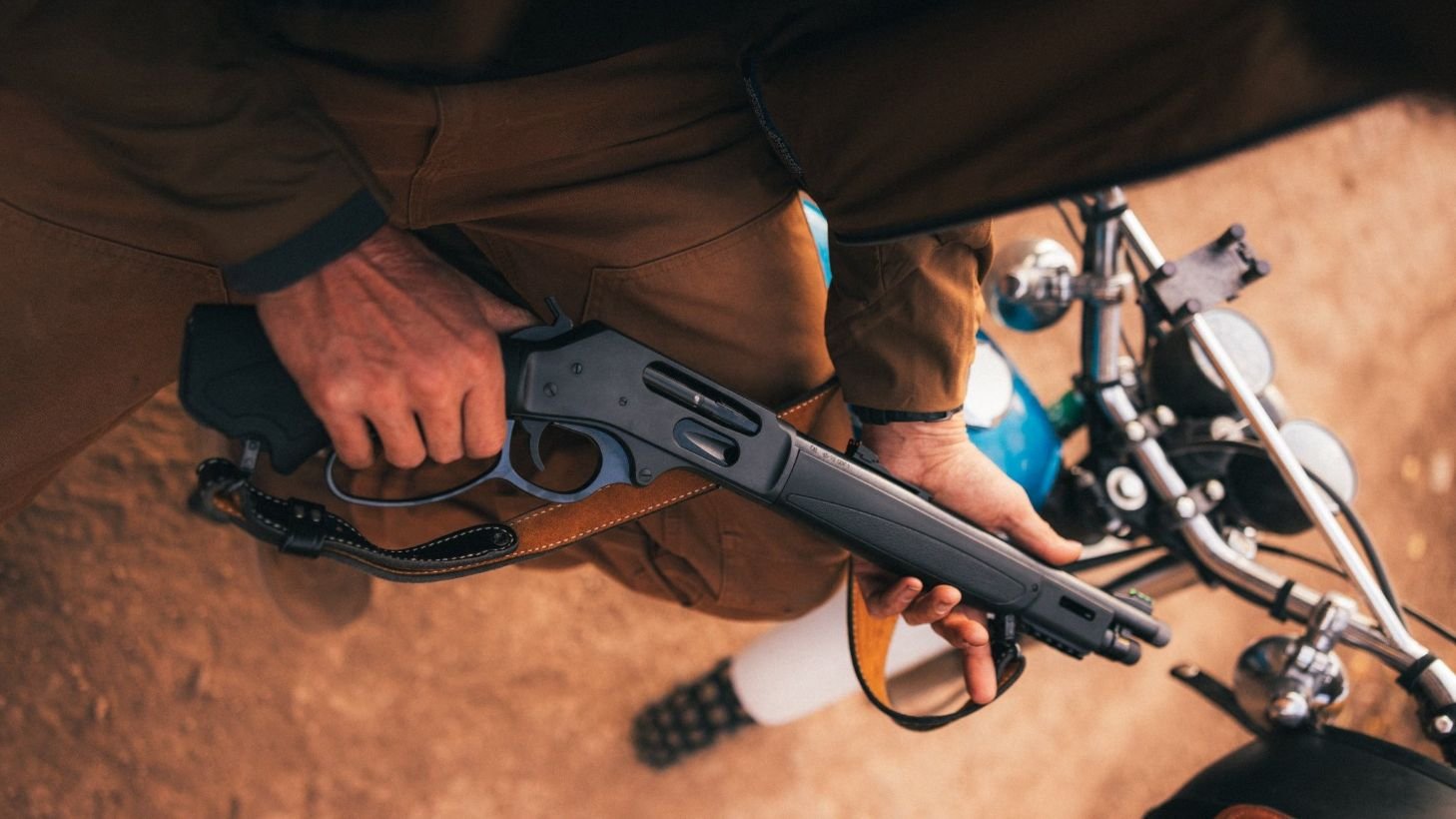
Henry Introduces Bear’s Leg Lever-Action Pistol
Henry Repeating Arms has announced the Bear’s Leg Pistol, a modernized lever-action handgun based on the classic Mare’s Leg format. The new model is offered in four chamberings: .357 Magnum/.38 Special, .44 Magnum/.44 Special, .30-30 Winchester, and .45-70 Government. MSRP is listed at $1,129 for all variants.
The Bear’s Leg uses a blued steel receiver and a round blued steel barrel with black synthetic furniture. All versions share a 13.8-inch barrel, 25.1-inch overall length, transfer bar safety, large loop lever, side loading gate, and a factory-threaded muzzle in 5/8x24.
Modernized Configuration
A key element of the launch is Henry’s move toward accessory-ready features. The Bear’s Leg ships with a polymer handguard that incorporates M-LOK slots and a Picatinny rail section for attaching lights and other accessories. Henry also positions the platform for suppressor and muzzle device use through the threaded barrel.
The company describes the pistol as suited to modern lever-gun setups, including optics and specialized field configurations. All models are drilled and tapped for optics mounting. Henry’s published model data lists Weaver 63B scope mount compatibility for the .30-30 and .45-70 versions, and BB-RSM compatibility for the .357 and .44 variants.
Chamberings, Capacity, and Weight
The H012GBLX-357 and H012GBLX-44 pistol-caliber models each have a 4-round capacity and weigh 5.75 pounds. The .357 version uses a 1:16 twist rate, while the .44 version uses 1:20.
The rifle-caliber H009GBLX-3030 and H010GBLX-4570 models each have a 3-round capacity and weigh 6.59 pounds. The .30-30 carries a 1:12 twist rate, and the .45-70 uses 1:20.
Henry markets the pistol-caliber models as lower-recoil options with broader ammunition flexibility, while the .30-30 and .45-70 versions extend the format into traditional rifle cartridges.
Sights and Published Specifications
Henry’s launch materials describe the Bear’s Leg as fitted with fiber optic sights. The detailed specification tables published for each model list a fully adjustable semi-buckhorn rear sight with a diamond insert and a brass bead front sight.
Other listed specifications include pistol-grip styling, no buttpad or length-of-pull measurement, and “target” as the stated best use category for all four models.
NFA Path and Intended Roles
Henry also identifies the Bear’s Leg as a potential Short-Barreled Rifle conversion platform, where legally permitted and with approved ATF paperwork. Because the pistol already includes rail-equipped furniture and a threaded barrel, the company presents it as a factory starting point for users planning a more compact suppressed build.
In practical terms, the Bear’s Leg is positioned as a compact lever-action option for range use, property carry, camp use, and vehicle storage where a full-length rifle may be less convenient. With both pistol and rifle calibers available, Henry’s new platform enters the market as a feature-rich variant of the lever-action pistol format rather than a purely cosmetic throwback.
  • Text Only
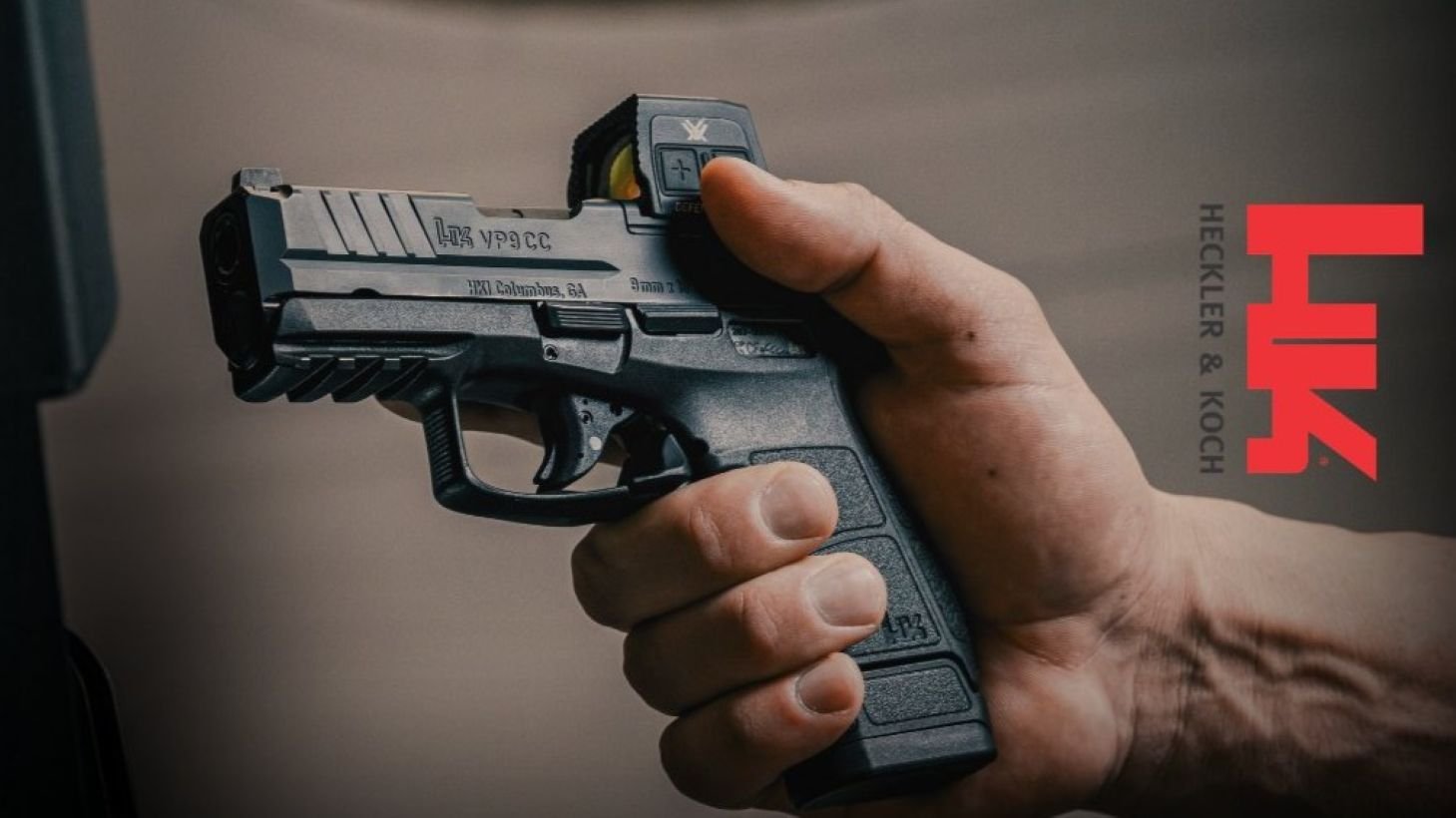
HK Introduces VP9CC Micro-Compact 9mm
Heckler & Koch has announced the VP9CC, a new micro-compact pistol chambered in 9mm and built at the company’s factory in Oberndorf, Germany. The model is positioned as a reduced-size variant of the existing VP9 series rather than a separate design, carrying over the platform’s general ergonomics, controls, and trigger system into a smaller concealed-carry format.
The VP9CC measures 6.02 inches overall with a 3.12-inch barrel and an unloaded weight of 17.64 ounces.
Controls, Ergonomics, and Magazine Setup
HK says the VP9CC retains several familiar VP9 features, including fully ambidextrous controls, the company’s paddle-style magazine release, and rear charging supports on the slide. It also uses the same trigger design found on larger VP9 pistols, described by HK as having a short take-up, crisp break, and positive reset.
To tailor fit, the pistol includes six interchangeable backstraps that allow changes to grip size and trigger reach. The standard magazine package consists of one 10-round flush-fit magazine and one 12-round extended magazine.
A Picatinny accessory rail is integrated into the frame for lights or other rail-mounted accessories.
Sights and Optics Configurations
The VP9CC is being offered in both optics-ready and optics-equipped variants. Optics-equipped models ship with a Vortex Defender CCW closed-emitter micro optic installed from the factory.
Standard iron sights consist of a tritium front sight paired with a serrated black rear. HK’s optics mounting arrangement uses a deeper slide cut and a U-channel adapter plate that wraps around the striker assembly. According to the company, this places the optic more than 40 percent lower than conventional adapter plate systems, allowing co-witness with the factory sights.
Construction and Safety Features
The VP9CC uses a hammer-forged barrel made from HK’s proprietary cannon-grade steel. HK states the pistol meets or exceeds NATO AC/225 specifications.
Safety features include the VP family’s Multi-Axis Safety System, which combines a trigger safety with a firing pin blocking safety operating at 90 degrees to one another. The pistol also includes a disassembly safety that prevents slide removal until both the chamber and magazine are cleared, along with a loaded chamber indicator.
Specifications, Pricing, and Availability
Key specifications released by HK include 9mm chambering, six interchangeable backstraps, tritium and serrated iron sights, and support for either optics-ready or optics-equipped configurations. The proprietary optic mount is a central part of the package, with HK emphasizing its lower mounting height compared with standard plate systems.
MSRP ranges from $1,049 to $1,399, depending on configuration. HK said shipping has already begun, with full dealer availability expected by the end of April.
  • Text Only
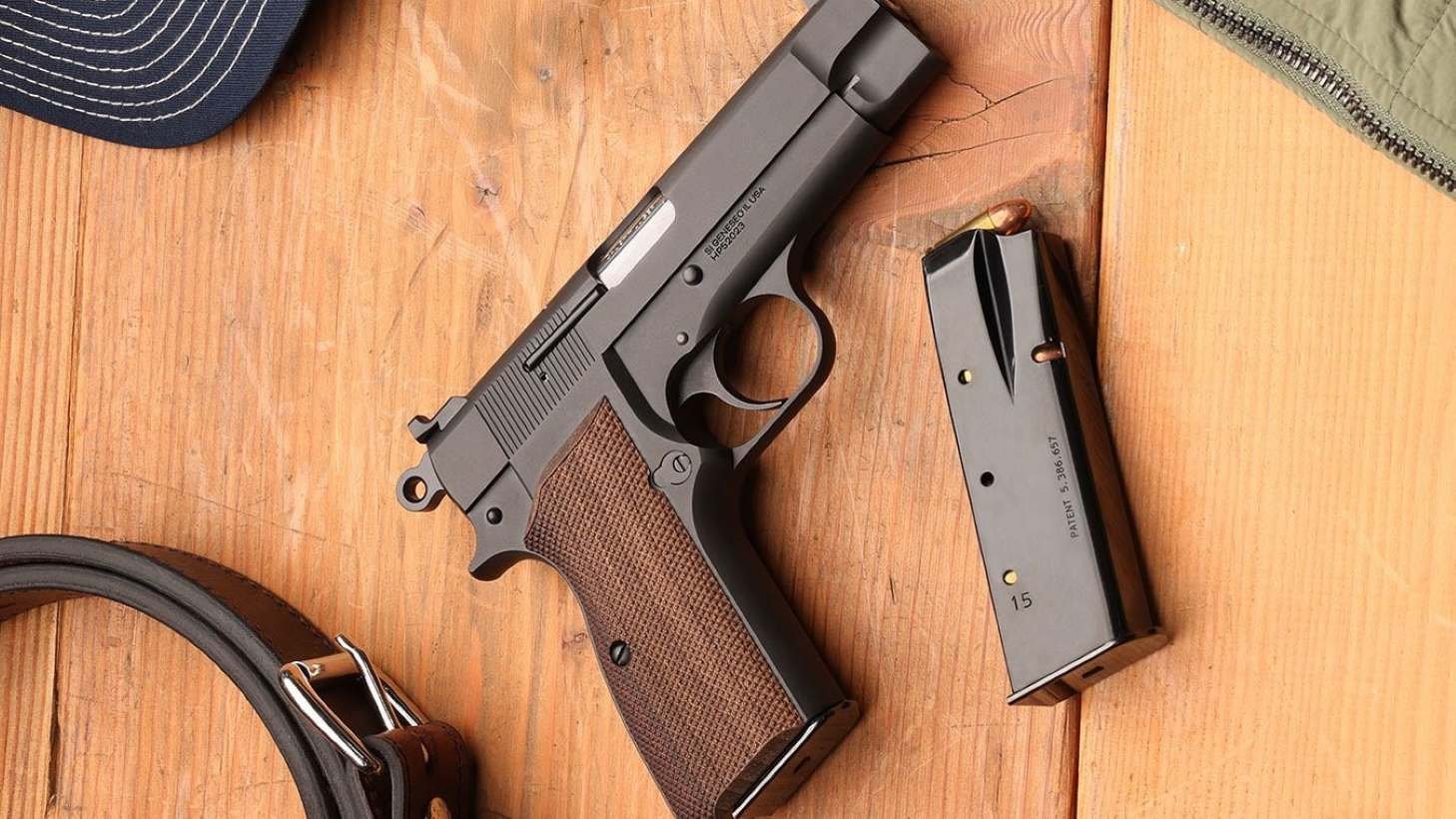
New SA-35 Variant Announced
Springfield Armory has expanded its SA-35 pistol line with the introduction of the SA-35 4", a new compact-format 9mm variant announced April 7, 2026. The pistol adds a shorter configuration to the company’s existing SA-35 family while retaining the core design elements that define the series.
The SA-35 is Springfield Armory’s modernized interpretation of the Browning Hi-Power, the historic P-35 pattern originally associated with John Moses Browning. In keeping with that design heritage, the new model continues the line’s traditional steel-frame construction and classic “wood and steel” presentation, but incorporates a number of updates intended to improve handling and compatibility with current ammunition.
Compact Format, Same Core Design
The new model uses a 4-inch barrel, reducing overall length compared with the full-size SA-35 while aiming to preserve the handling characteristics of the larger pistol. Springfield Armory positions the shorter version as a more compact and faster-handling option for shooters interested in the platform.
Like the rest of the SA-35 line, the 4" variant is built with a forged carbon steel frame and slide. The barrel is also forged steel. The company states that the barrel and feed system retain the improved feed ramp geometry used on other SA-35 pistols, a change intended to support more reliable function with modern defensive ammunition.
Mechanical and Ergonomic Updates
Springfield Armory’s revisions to the Hi-Power pattern continue on the 4-inch model. The pistol features a recontoured hammer designed to reduce the likelihood of hammer bite, one of the common complaints associated with older Hi-Power-style pistols. It also includes an extended thumb safety to improve manipulation.
Sighting equipment consists of a white dot front sight paired with a black serrated Tactical Rack rear sight. In addition to standard sighting use, the rear sight profile is intended to support one-handed slide manipulation techniques.
These updates reflect Springfield Armory’s broader approach with the SA-35 line: preserving the familiar form and feel of the original platform while making practical changes for contemporary use.
Capacity and Configuration
The SA-35 4" feeds from a flush-fitting 15-round magazine, giving it a higher capacity than the original Hi-Power’s traditional 13-round magazine. The magazine interfaces with a beveled magazine well, which is intended to aid reloads without significantly altering the pistol’s classic external profile.
Springfield Armory has not positioned the new model as a departure from the established SA-35 concept, but rather as a size variation within the same family. The shortened barrel and compact dimensions are the primary changes, while the pistol’s operating concept, steel construction, and overall layout remain consistent with the standard version.
Finish, Production, and Price
The pistol is finished in matte blue on its carbon steel components and ships with checkered walnut grips shaped to support control while maintaining the series’ traditional appearance. Springfield Armory says the SA-35 4" is manufactured in the United States.
MSRP is set at $799. In a company statement, Vice President of Marketing Steve Kramer said the original SA-35 found immediate success by combining traditional styling with modern enhancements, and described the 4-inch version as offering the same appeal in a smaller package.
With the addition of the SA-35 4", Springfield Armory further broadens its updated Hi-Power-style lineup, giving buyers a more compact option that remains closely tied to the platform’s historical design.
  • Text Only
Ceasefire Holds, but Terms Remain Unclear
The ceasefire between the United States and Iran is still in effect, but officials on both sides have indicated that it is a temporary pause rather than a final settlement. U.S. leaders have framed the arrangement as conditional, while Iranian officials have signaled that major disputes remain unresolved, particularly over uranium enrichment and the scope of regional fighting.
Gen. Dan Caine, chairman of the Joint Chiefs of Staff, has described the arrangement as a pause rather than the end of the conflict. President Donald Trump has said U.S. forces will remain positioned around Iran and has warned that military action could resume if Tehran fails to meet Washington’s interpretation of the terms. The current truce is therefore resting less on agreed language than on deterrence and the expectation that follow-on diplomacy may prevent renewed combat.
Strait of Hormuz Still Under Strain
One of the clearest pressure points is the Strait of Hormuz, where shipping conditions have not returned to normal. The White House has pushed for the immediate reopening of the waterway without tolls or restrictions, but traffic remains constrained, and Iran continues to signal that it retains leverage over passage.
That dispute carries significance beyond the ceasefire itself. The strait is one of the world’s most important energy chokepoints, and any sustained disruption affects shipping confidence and keeps global energy markets sensitive to further escalation. As long as access remains contested, the ceasefire cannot be seen as fully stabilizing the region.
Nuclear Dispute Remains Unresolved
The most consequential disagreement concerns Iran’s nuclear program. Multiple sources reported that Trump said Iran had agreed to halt uranium enrichment. In contrast, Iranian parliamentary speaker Mohammad Bagher Qalibaf has publicly maintained that enrichment remains permitted under Tehran’s understanding of the arrangement.
The contradiction suggests that the ceasefire created diplomatic space without resolving the issue that helped drive the conflict. There is no clear indication that a binding new nuclear agreement has been reached, and the absence of a common interpretation leaves a central source of tension intact.
Lebanon Complicates the Truce
Lebanon has emerged as another fault line. Israel has continued major strikes there, while both Israel and the United States have said Lebanon is not covered by the current ceasefire. That position has been challenged by France, the United Kingdom, Pakistan, Iran, and other governments, which argue that a durable ceasefire is difficult to sustain if combat continues on an active regional front.
The disagreement matters because it affects how each side measures compliance. If Washington and Tehran remain paused in direct exchanges but fighting continues elsewhere, the diplomatic value of the truce could erode quickly.
International Pressure Has Not Stopped Regional Fighting
There are signs of growing international pressure to interpret the ceasefire more broadly, especially in relation to Lebanon. Reuters has reported that France and other governments are urging respect for a framework that would reduce spillover beyond the U.S.-Iran track. So far, however, that pressure has not produced a halt in Israeli operations.
At the same time, the U.S. posture remains openly coercive. Trump has kept the threat of renewed strikes on the table while maintaining military deployments around Iran. The result is a ceasefire operating under continued pressure rather than in a neutral environment.
Talks Expected, but Gaps Are Wide
Diplomatic contacts are expected to continue, with talks anticipated in Islamabad, but the distance between the two sides remains substantial. The United States is treating the ceasefire as a framework Iran must meet, while Iran is signaling that indirect engagement does not amount to acceptance of U.S. demands.
For now, the ceasefire remains intact on paper. But unresolved restrictions in the Strait of Hormuz, conflicting claims over uranium enrichment, and continued fighting linked to Lebanon are already testing whether it will last.
  • Text Only
White House confirms losses during Iran rescue missions
Senior U.S. officials on Monday disclosed new details about the weekend recovery of two F-15E crew members from inside Iran, confirming that one A-10 attack aircraft was lost and a rescue helicopter was damaged by ground fire during the operations.
At a White House briefing, President Donald Trump, Defense Secretary Pete Hegseth, and Joint Chiefs Chairman Air Force Gen. Dan Caine said the rescues began after an F-15E with the callsign “Dude 44” was shot down over Iran at about 4:40 a.m. local time Friday. Trump said the aircraft was brought down by a shoulder-fired, heat-seeking missile, a point the military had not previously confirmed.
Daylight rescue led to A-10 loss
Caine said the first recovery effort was launched immediately and involved what Hegseth described as a daylight “thunder run.” As rescue helicopters moved toward the first downed aviator, A-10s, drones, and other tactical aircraft engaged hostile forces in what Caine characterized as a close-range gunfight.
During that action, one A-10 was hit by enemy fire. According to Caine, the pilot remained in the fight, completed the mission, and then flew the damaged aircraft into another country before determining it could not be landed. The pilot then ejected over friendly territory and was quickly recovered without serious injury.
Caine also said that after the first F-15 crew member was rescued, one of the HH-60 rescue helicopters involved in the mission was struck by small-arms fire. The crew suffered minor injuries and is expected to recover.
HH-60W helicopters appear to have seen major combat use
Caine identified the rescue package as including A-10s, an HC-130 refueling tanker, and two “HH-60 Jolly Green II” helicopters, indicating the use of the Air Force’s HH-60W combat rescue helicopter.
The HH-60W, delivered beginning in 2022 as the replacement for the HH-60G Pave Hawk, features upgraded engines and newer avionics. The mission in Iran appears to rank among the platform’s most demanding combat uses to date, particularly given the speed and daylight conditions of the operation. The disclosure comes as the Air Force has also planned to reassign some HH-60Ws from rescue duty to VIP transport roles in the Washington area.
Second crew member recovered in separate mission
Officials said the second F-15E crew member, identified by Trump as an Air Force colonel, was rescued Sunday in a separate operation. Trump said the officer was injured but avoided capture by moving into mountainous terrain, climbing to higher elevation in line with survival training, treating his own wounds, and transmitting his position to U.S. forces.
Trump also said U.S. surveillance systems observed signs of movement from more than 45 miles away overnight while tracking the isolated airman.
Large force package supported the second operation
According to Trump, the second rescue involved 155 aircraft, including 68 fighters, 48 aerial tankers, 13 rescue aircraft, and four bombers. He also said some aircraft participating in that mission encountered takeoff problems and were destroyed on the ground, describing them as older planes.
When asked at the briefing how many U.S. personnel took part across both missions, Caine declined to provide a number, saying he preferred to keep that information undisclosed.
  • Text Only
Strikes Reported Near Bushehr Nuclear Plant
Iranian officials say the Bushehr nuclear power plant has been subjected to repeated attacks or near-misses in recent weeks, raising concern over military activity close to the country’s most sensitive civilian nuclear site. A reported incident on April 4 involved a projectile striking the broader facility area.
Additional accounts indicate that at least one strike landed within or near the Bushehr complex, killing a security staff member and damaging nearby structures. International monitoring has also indicated that one impact occurred only hundreds of meters from the reactor. No radiation release has been confirmed.
IAEA Confirms Reactor Intact
The International Atomic Energy Agency has said Bushehr’s reactor and core nuclear systems have not been damaged despite the nearby impacts. The plant remains Iran’s only operational nuclear power station.
Even so, the agency’s warning has centered on the growing danger posed by military operations around nuclear infrastructure. Experts note that a reactor does not need to be directly hit for a serious incident to develop; shockwaves, loss of off-site power, damage to cooling support systems, or impacts on auxiliary infrastructure can all increase risk.
Iranian atomic energy officials have warned that continued attacks near the site could result in a release of radioactive material. International health authorities have similarly cautioned that any strike affecting a nuclear facility could carry long-term environmental and public health consequences across the region.
Russian Personnel Withdrawn
Russia, which helped build Bushehr and remains involved in its support and expansion, has begun withdrawing staff from the site as security conditions deteriorate. Reports indicate that hundreds of Russian personnel have already been evacuated, with additional departures underway.
Rosatom officials have described the trajectory around Bushehr as approaching a worst-case scenario. Work on additional reactor units at the site has also been disrupted, and some construction activity has reportedly been paused because of the conflict.
Why Bushehr Carries Regional Risk
Bushehr holds a unique status in Iran’s nuclear system. In addition to its operating reactor, the site contains active nuclear fuel, spent fuel storage, and infrastructure linked to the construction of new reactor units.
Its location on the Persian Gulf coast adds to the concern. A major incident at the plant could affect nearby population centers, coastal infrastructure, and Gulf waters, with possible consequences extending beyond Iran to neighboring states. For that reason, nuclear facilities are generally treated as highly protected sites under international norms, including during armed conflict.
International Pressure Intensifies
The developments have drawn increasing scrutiny from the IAEA, governments, and health agencies. Iran has accused international nuclear watchdog bodies of not doing enough to protect the facility, while Russia has warned that continued strikes in the area could produce irreversible consequences.
The central message from international bodies has been consistent: military activity near nuclear infrastructure carries unacceptable risk, regardless of whether the reactor itself has been hit.
Conflict Nears a Critical Threshold
The situation at Bushehr marks a shift in the conflict’s risk profile. Earlier phases focused more heavily on military bases, missile systems, and industrial or energy targets. The repeated incidents near Bushehr indicate that fighting is now occurring close to nuclear infrastructure.
For now, the plant remains operational and intact. But the margin for error is narrowing. Repeated near-misses increase the possibility of accidental escalation, infrastructure failure, or a wider environmental emergency, even without a direct strike on the reactor itself.
  • Text Only
Overnight strikes reported in Black Sea theater
Ukrainian forces said they targeted a Russian warship and an offshore drilling platform in separate overnight attacks in the Black Sea on April 6. The claims were made by Robert “Magyar” Brovdi, commander of Ukraine’s Unmanned Systems Forces, who said long-range drones struck the frigate Admiral Makarov in the port of Novorossiysk and hit the Syvash offshore drilling platform west of occupied Crimea.
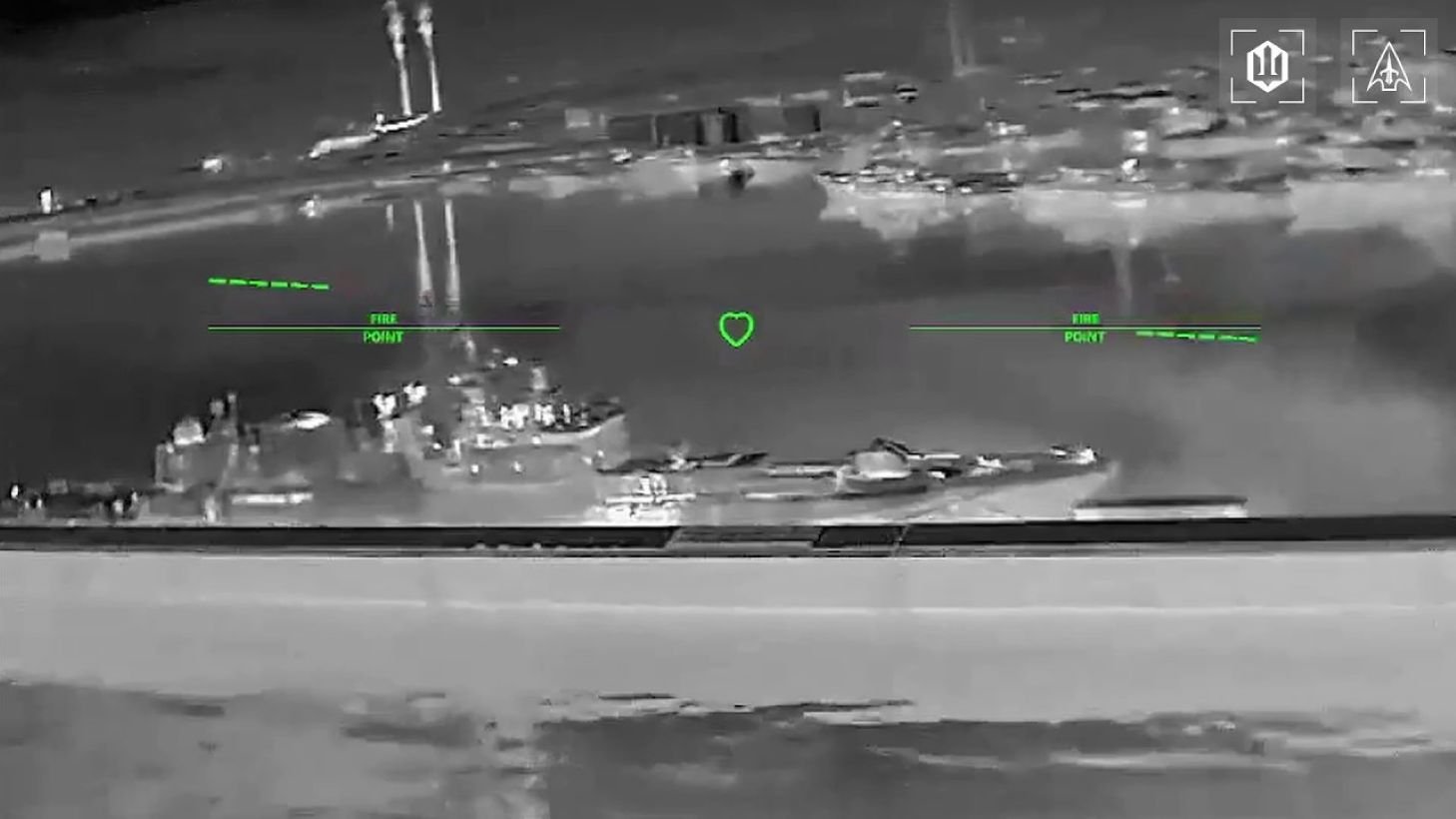
Battle damage assessment was still underway as of April 6, and the reported results could not be independently verified. Video published by Brovdi showed a large vessel in a drone’s sight picture, but the footage ended before impact.
Novorossiysk port and Sheskharis terminal
According to the Ukrainian account, the frigate was attacked during a broader strike on Novorossiysk that also set the Sheskharis oil terminal on fire again. Russian regional officials publicly described the port incident in more limited terms, attributing damage to drone debris, but Ukrainian statements presented the operation as a direct strike on military and energy-related targets.
In a Telegram post, Brovdi initially referred to the target as the frigate Admiral Grigorovich before issuing an update stating the ship in question was Admiral Makarov. He added that air-defense missiles were launched from the frigate during the approach, but said the strike still reached the target area. The extent of any damage remains unconfirmed.
Significance of Admiral Makarov
The Admiral Makarov is a Project 11356R frigate and a carrier of Kalibr long-range cruise missiles, which Russia has repeatedly used in strikes on Ukrainian cities and infrastructure. The ship became the Black Sea Fleet’s flagship after the missile cruiser Moskva was sunk by Ukraine in spring 2022.
The frigate has previously been the focus of Ukrainian operations. It was targeted during the October 2022 air and sea drone attack on occupied Sevastopol, one of the earliest large-scale attacks of its kind involving coordinated maritime and aerial unmanned systems. Assessments at the time indicated little or no lasting damage. Ukraine also reported strikes on Admiral Makarov and the frigate Admiral Essen on March 6, though final damage assessments in that case also remained inconclusive.
Separate strike on Syvash platform
Brovdi said a separate operation struck the Syvash offshore drilling platform, identifying the attacking unit as the 413th Unmanned Systems Regiment, known as “Raid.” He said the mission was carried out together with Ukrainian naval deep-strike forces.
Ukraine has increasingly targeted offshore infrastructure and naval assets in the Black Sea as part of a broader effort to pressure Russian logistics, surveillance, and strike capabilities around occupied Crimea and the eastern Black Sea coast.
Relocation of Black Sea Fleet assets
Following repeated Ukrainian sea drone attacks throughout 2023, Russia relocated a substantial share of its Black Sea Fleet from occupied Sevastopol to Novorossiysk. The move was widely viewed as an effort to reduce the vulnerability of key vessels to attacks by Ukrainian missiles and unmanned surface and aerial systems.
If confirmed, a successful strike on Admiral Makarov in Novorossiysk would indicate that Ukrainian forces can continue to threaten high-value naval targets even after that redeployment. For now, however, the military significance of the April 6 attack depends on pending damage assessments.
  • Text Only
F-15E Downed During Combat Mission
A U.S. Air Force F-15E Strike Eagle was shot down over central Iran on April 2 during a combat mission, according to multiple reports later supported in part by a U.S. Central Command statement. The aircraft went down in or near the Isfahan region, an area that has figured prominently in recent operations.
Both crew members, the pilot and weapons systems officer, ejected successfully. Their separation on the ground immediately turned the incident into a personnel recovery operation under hostile conditions. The shootdown is a notable indication that Iranian air defense systems remain capable of threatening U.S. aircraft despite sustained strikes.
Search and Rescue Expanded Across Several Days
Initial reporting indicates one crew member was recovered comparatively quickly, while the second remained isolated for an extended period after landing in rugged, mountainous terrain. The airman reportedly avoided capture by moving between concealment positions and later shifting to higher ground to improve communications and visibility for rescue forces.
The recovery effort developed into a multi-day combat search and rescue mission involving special operations personnel, rescue aircraft and helicopters, intelligence and surveillance assets, and electronic warfare support. Conducting that effort inside Iranian territory required U.S. forces to operate in contested airspace and coordinate across several mission sets at once.
Contested Conditions Complicated the Extraction
Reports on the operation describe mechanical and operational disruptions that forced commanders to adjust the rescue plan while it was underway. Some aircraft were reportedly unable to launch as intended, requiring substitute platforms and revised sequencing during the search and extraction phases.
Rescue helicopters also reportedly came under fire, and at least some aircraft sustained damage during the mission. U.S. forces are said to have destroyed disabled equipment on the ground to prevent sensitive technology from being captured. The operation further involved deception measures, electronic jamming, and strikes intended to reduce Iranian response options long enough to open a recovery window.
Both Aircrew Recovered Alive
Despite the difficulties, both F-15E crew members were ultimately recovered alive in separate rescue actions. CENTCOM said in an April 5 press release that U.S. forces had “successfully completed the rescues of two American service members from Iran” after their aircraft was shot down during a combat mission.
The command added that the service members were “safely recovered during separate search and rescue missions.” The statement did not provide additional operational detail, but the outcome points to extensive coordination among air, ground, and intelligence elements.
Reports of a Second Aircraft Loss Remain Unclear
Separate reporting has suggested that another U.S. aircraft may also have been lost on the same day, with some accounts identifying it as an A-10 attack aircraft. In those reports, the pilot ejected and later reached friendly territory, where recovery followed.
That incident, however, remains less clearly established than the F-15E shootdown and rescue mission. No equivalent level of official detail has been released publicly on the second reported loss.
Operational Significance
The incident underscores several realities of the current conflict. First, Iranian air defenses continue to pose a threat to advanced U.S. aircraft operating in Iranian airspace. Second, the scale of the response demonstrates the U.S. military’s continued priority on recovering downed personnel even in heavily contested environments.
It also reflects the broader complexity of the campaign, which now appears to extend beyond strike operations into multi-domain missions involving special operations forces, electronic warfare, and deep personnel recovery efforts. CENTCOM said U.S. strikes into Iran are continuing as it seeks to reduce Tehran’s ability to project power beyond its borders.
  • Text Only

Editorial Information

Advertisement

Advertisement

Important Information

We have placed cookies on your device to help make this website better. You can adjust your cookie settings, otherwise we'll assume you're okay to continue.

Account

Navigation

Search

Search

Configure browser push notifications

Chrome (Android)
  1. Tap the lock icon next to the address bar.
  2. Tap Permissions → Notifications.
  3. Adjust your preference.
Chrome (Desktop)
  1. Click the padlock icon in the address bar.
  2. Select Site settings.
  3. Find Notifications and adjust your preference.