Skip to content

Advertisement

Advertisement

Uncrowned Armory News

Army Launches Western Hemisphere Command in Sweeping Organizational Overhaul
The U.S. Army has initiated a significant structural transformation with the activation of the new Western Hemisphere Command (USAWHC), announced Friday. This change consolidates Army North, Army South, and key elements of Forces Command under the leadership of a single four-star general. General Joseph Ryan, formerly Deputy Chief of Staff for Operations, Plans, and Training, will serve as USAWHC’s inaugural commander.
Streamlining Command and Enhancing Readiness
The restructuring aims to increase operational efficiency, concentrate resources, and modernize command frameworks. According to Col. Mike Burns, USAWHC spokesperson, the reform is designed to “reduce overhead, eliminate duplication, and put more soldiers in operational formations where they can directly contribute to warfighting readiness.” The intent is to reflect strategic priorities, treating the U.S. homeland and its neighbors as a singular, high-priority theater.
Army North, historically responsible for homeland defense within North America, and Army South, focused on South America, will both be folded into USAWHC. Forces Command, which oversees preparedness across deployable units, will also see key responsibilities merged into the new command. The headquarters will be based at Fort Bragg, North Carolina—home to Forces Command—with a forward command post at Joint Base San Antonio, Texas, oriented toward rapid humanitarian and disaster response across the hemisphere.
Operational Impacts and Realignment
This consolidation will bring notable changes to the assignment of major combat units. I Corps, which manages the 11th Airborne Division in Alaska and the 25th Infantry Division in Hawaii, will transfer under Army Pacific. III Armored Corps at Fort Hood, Texas, is shifting to Army Europe-Africa, aligning regional responsibilities more closely with global threats and operational needs. The XVIII Airborne Corps, responsible for elite rapid response forces like the 10th Mountain and 82nd Airborne divisions, remains under USAWHC control.
The command will coordinate annual multinational exercises such as PANAMAX, involving partners from across the Americas, and Vigilant Shield, which simulates the defense of the U.S. homeland against potential attacks. These efforts are expected to reinforce regional partnerships and maintain readiness for both conventional and unconventional contingencies.
Future Timeline and Strategic Context
Army officials plan for USAWHC to reach full operational capability by June 2026, with current commands to be inactivated soon after. Personnel moves to Fort Bragg are anticipated prior to September 2027. Details regarding the total number of troops to be assigned to new locations have not been disclosed.
The establishment of USAWHC is closely aligned with the latest National Defense Strategy, which seeks to restore and assert American preeminence in the Western Hemisphere—echoing the 19th-century Monroe Doctrine. This doctrine historically warned European powers against region-wide interference and has long underpinned U.S. engagement in Latin America.
The command’s inauguration also follows an increased U.S. military presence in South America and the Caribbean, including ongoing border deployments and operations targeting transnational threats. However, officials have emphasized that USAWHC’s creation is not linked to any current or anticipated large-scale troop deployments in the region.
Strategic Rationale and Regional Implications
By consolidating command of U.S. Army activities from Canada to Brazil under one authority, the Army aims to address long-standing ambiguities in regional command responsibilities. “It gives you one commander responsible for the entire Western Hemisphere from the Army perspective,” Burns explained, highlighting the need for unified oversight across previously divided regions such as Mexico and Central America.
Ultimately, the launch of the Western Hemisphere Command reflects a broader effort by the Army to adapt its structure for emerging threats, improve inter-regional coordination, and increase operational agility in the face of evolving defense priorities throughout the Americas.
  • Text Only
Escalation and Stalemate Mark Global Battlefields
In the past week, persistent conflict has intensified across various global hotspots while new waves of violence highlight overlooked warzones. No singular front dominates headlines; rather, interwoven crises underscore the complexity of modern conflict and its far-reaching impact.
Ukraine and Russia: Artillery Duels and Drone Warfare
The ongoing war in Ukraine continues to grind forward, with eastern and southern fronts seeing particularly fierce exchanges. Russian assaults near Kharkiv and Donetsk have met with stiff resistance from Ukrainian defenders, who report increased reliance on drones for both surveillance and targeted strikes. Infrastructure remains vulnerable; civilian casualties from missile attacks on Kharkiv and Odesa underline the human cost. Meanwhile, international observers express concern about the war’s spillover potential, referencing minor cross-border incidents along the Russian border.
Gaza and the Middle East: Ceasefire Elusive Amid Humanitarian Strain
In Gaza, hopes for a sustained ceasefire remain distant. Israeli airstrikes and ground operations persist in Rafah and other southern areas, even as international pressure mounts for a de-escalation and the opening of humanitarian corridors. Reports from NGOs detail shortages of food, water, and medical aid, with local health systems verging on collapse. Across the region, sporadic clashes along the Israel-Lebanon border and in Syria further complicate efforts to contain the violence and prevent wider regional destabilization.
Africa’s Overlooked Conflicts: Sudan, DRC, and the Sahel
Away from main headlines, multiple African nations continue to experience harrowing violence. In Sudan, intense combat this week between the Sudanese Armed Forces and Rapid Support Forces in Khartoum and Darfur has led to rising fatalities and new waves of displacement. Meanwhile in the Democratic Republic of Congo’s eastern provinces, armed groups have clashed with government forces and one another, with civilians caught in the crossfire. The broader Sahel region, including Burkina Faso and Mali, continues to reel from jihadist insurgencies, as communities struggle with uncertainty and fractured governance.
Asia’s Silent Struggles: Myanmar and Beyond
In Myanmar, the civil war between the junta and various ethnic armed alliances saw renewed offensives in Shan and Rakhine states this week. Civilian casualties mount and thousands are fleeing renewed fighting, while humanitarian agencies warn of worsening displacement and food shortages. In India’s Manipur state, inter-ethnic violence has resurfaced sporadically, reflecting longstanding tensions and the fragile state of peace in parts of South Asia.
Latin America and the Forgotten Cartel Wars
While not formally recognized as warzones, several regions in Latin America have experienced sustained armed violence with war-like intensity. In Mexico, cartel conflicts have surged in states like Michoacán and Guerrero, leading to mass displacement and regular shootouts with security forces. Colombia’s government continues to negotiate with residual armed groups, but deadly clashes persist in the countryside, complicating peace efforts with local communities bearing the brunt.
Civilian Impact and the Global Response
This past week’s conflicts underscore a sobering reality: civilians remain disproportionately affected, facing threats of death, displacement, and deprivation across continents. Aid agencies warn of deepening crises as access shrinks and needs soar. Meanwhile, the international community grapples with competing priorities, often struggling to coordinate responses in less-publicized theaters of conflict.
As the week closes, the global map of warfare is one of both escalation and stalemate—a testament to the stubborn complexity of today’s armed confrontations and the urgent need for renewed efforts toward peace and stability.
  • Text Only
Pokrovsk Falls: Moscow Declares Strategic Gain as Urban Combat Continues
Russian forces have proclaimed their takeover of Pokrovsk, a pivotal city in Ukraine’s Donetsk Oblast, marking a major milestone in the conflict’s southeastern front. Despite Ukrainian officials’ firm denials, Moscow’s assertion signals both symbolic and tactical momentum, amplified by a public flag-raising in Pokrovsk’s Shybankova Square and a presidential statement from Vladimir Putin on December 1. As visual proof, the Russian Defense Ministry released footage showing soldiers walking undisturbed in the city center, reinforcing the Kremlin's narrative of victory.
Propaganda, Perception, and the Reality on the Ground
The struggle for Pokrovsk has been as much a battle of narratives as it has been a test of military power. Following Russia’s claims, Kyiv responded by dismissing the flag ceremony as a staged effort designed to sway peace talks and international opinion. Online, both sides waged psychological warfare, with Ukraine briefly circulating an AI-generated imitation of the Russian victory image—only to withdraw it amid criticism.
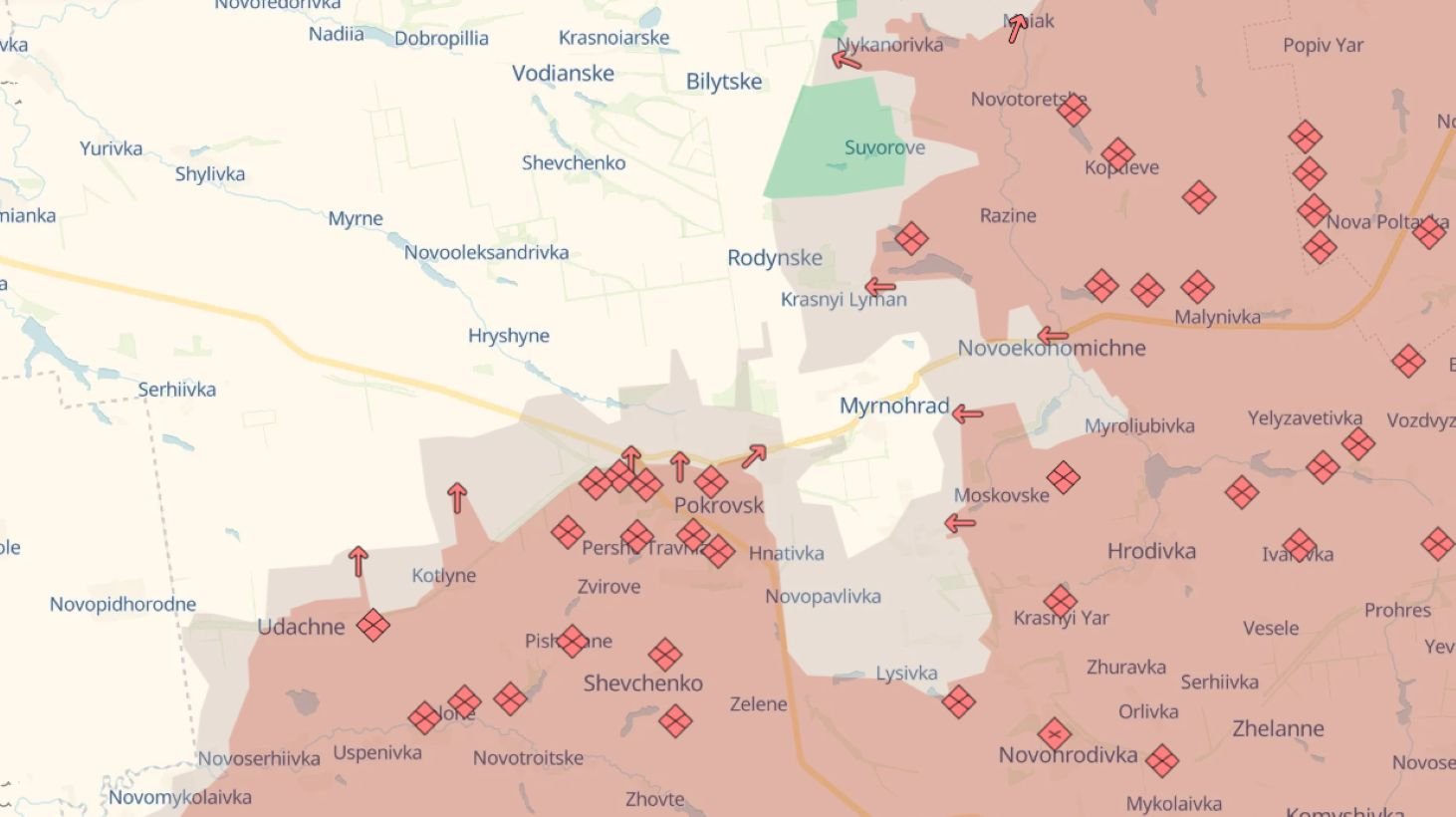
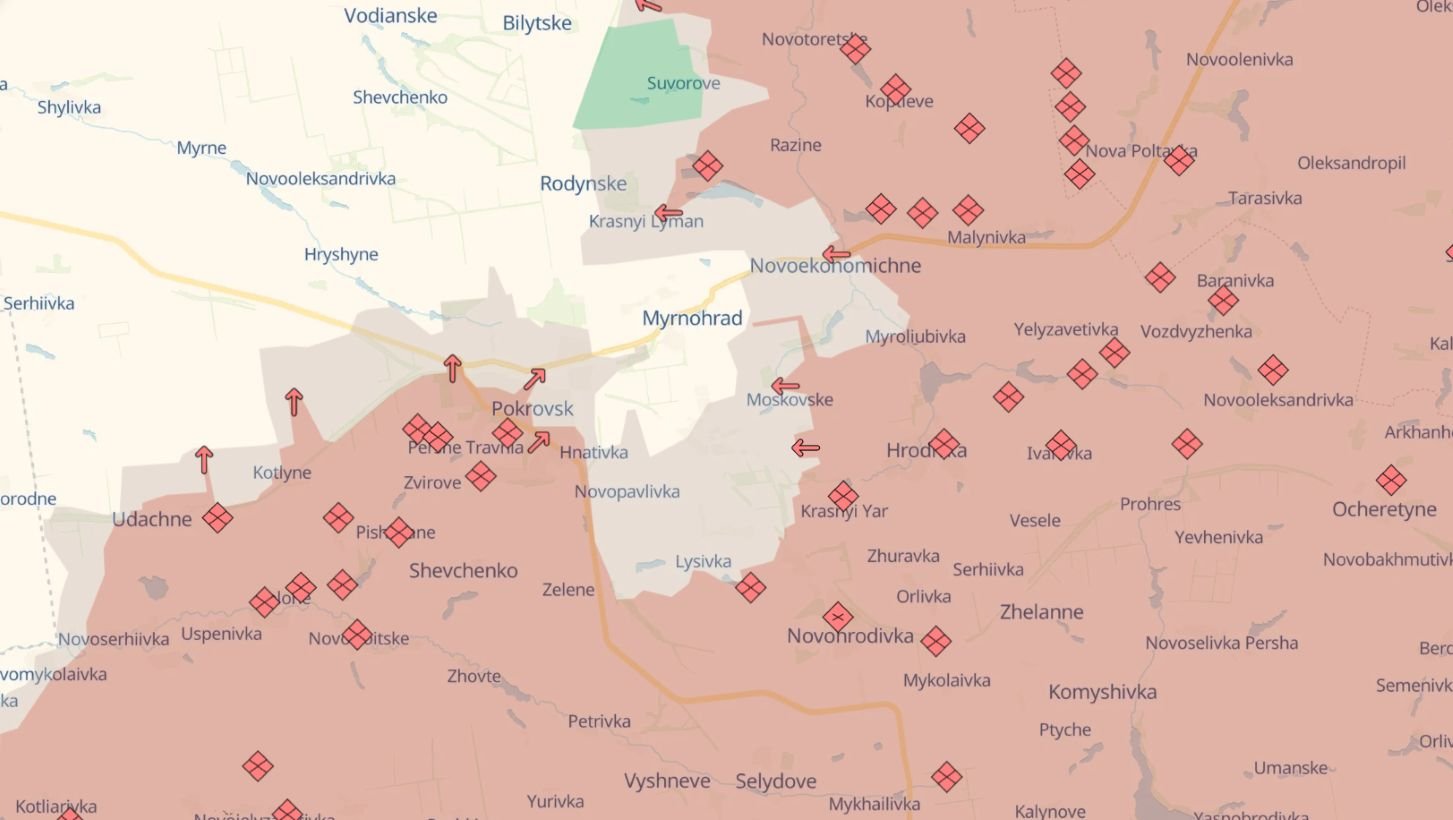
Independent conflict monitors, including Ukraine’s DeepState project, confirm that most of Pokrovsk’s central and southern districts are under Russian control. However, the true extent of occupation remains clouded by combat in the city’s northern neighborhoods and the persistent “fog of war.” Ukrainian units, notably specialized assault and drone teams, continue to operate north of the railway line, making the area fiercely contested and preventing the Russian military from consolidating power there.
Ukrainian Forces Maintain a Foothold
Despite near-encirclement, Ukrainian soldiers still hold isolated positions in northern Pokrovsk. These remnants are largely cut off from ground support, relying on drones to deliver supplies and extract the wounded. A Ukrainian drone operator described the challenges as grim, asserting that maintaining these enclaves is a costly strategy under relentless Russian infiltration.
Ukrainian Special Forces have mounted raids and brief clearing operations, but without the capacity to retain ground, their impact remains limited. As Russian forces tighten their grip, Pokrovsk’s decade-long transformation from a symbolically important Soviet-era city (once known as Krasnoarmeysk) to a key stronghold in Ukraine’s resistance is nearing its end—at least in practice, if not yet in principle.
Myrnohrad: The Looming Threat of Encirclement
While Russian forces consolidate in Pokrovsk, the neighboring city of Myrnohrad faces increasing isolation. The Ukrainian garrison there, comprised of elite Air Assault and Marine units, now risks encirclement reminiscent of the infamous siege of Mariupol in 2022. Russian advances from the northeast have almost entirely severed ground supply lines; Ukrainian commanders acknowledge supply drops are now primarily executed by drones.
Official statements from Ukraine’s 7th Air Assault Corps insist that Myrnohrad is not yet fully surrounded, citing recent troop rotations. Still, conflicting reports from front-line officers suggest the city has been practically encircled for several days, as only the narrowest of corridors remain open and movement is perilous.
The Broader Implications for the Donbas Front
Pokrovsk’s effective loss and Myrnohrad’s critical condition underscore a broader shift in the war’s dynamics. As Kyiv struggles to reinforce shrinking urban redoubts, Russia seeks to translate battlefield gains into leverage for potential negotiations. The contest over these cities is not just for territory, but for influence over the direction and duration of the conflict. The fog over Pokrovsk and its sister city shows no sign of lifting, but recent developments may prove decisive for both sides as international mediation efforts intensify.
  • Text Only
Russia Accelerates Territorial Gains in Ukraine, DeepState Reports
Recent battlefield data demonstrates a significant surge in Russia’s advance across Eastern Ukraine, with Russian forces capturing nearly double the territory in November compared to the previous month, according to the respected Ukrainian mapping project DeepState.
November: A Month of Rapid Advances
In its December 1 assessment, DeepState revealed that Russian forces secured approximately 505 square kilometers (195 square miles) of Ukrainian land throughout November. This spike represents a dramatic 90% increase compared to territorial gains recorded in October and marks one of the most dynamic months on the frontlines in recent memory.
Of particular note, nearly 40% of these gains were concentrated in the vicinity of Huliaipole despite only 16% of Russian assault operations being conducted along the Huliaipole-Hornyk sector. This disproportion underscores both the strategic significance of the area and the challenges faced by Ukrainian defenders. Responding to the concentrated pressure, Ukrainian forces reported stabilization of the front near Huliaipole as of November 27, halting further Russian progress in that segment for the time being.
Hotspots of Conflict: Pokrovsk and Mirnograd
While Huliaipole remains a focal point, DeepState also highlighted the intensifying struggle in and around Pokrovsk and Mirnograd. These territories accounted for 32.5% of all recorded Russian attacks for the month. Here, Russian troops gained control of a combined 56.5 square kilometers (22 square miles), comprising 11% of the total monthly advances. Specifically, they captured 35 square kilometers near Pokrovsk and 21.5 square kilometers surrounding Mirnograd—a testament to the relentless pressure exerted by Russian units as they attempt to widen their operational footprint.
Record Offensive Operations Amid Shifting Frontlines
The November offensive was underscored by a notable uptick in Russian assault operations. DeepState recorded around 5,990 Russian offensive actions—the highest monthly figure for 2023, only surpassed by combat activity seen in December of the previous year. This escalation in attacks coincides with an apparent shift in Russian military tactics, combining concentrated assaults with broader territorial incursions designed to stretch Ukrainian defenses along multiple fronts.
Broader Implications and Ongoing Uncertainty
These battlefield developments arrive amid sustained attention to international diplomatic efforts, including ongoing discussions around potential peace deals. However, the realities on the ground illustrate a conflict that remains volatile and unpredictable, with Russian advances outpacing earlier months and exposing fresh vulnerabilities in Ukrainian lines.
As winter sets in and both sides adapt to new conditions, the question of sustained momentum and resource allocation looms large for Ukrainian commanders. The DeepState assessment highlights not only recent territorial losses but also the scale and frequency of Russian operations—an evolving dynamic that will surely shape strategic calculations in the weeks ahead.
  • Text Only
Global Snapshot: A Week of Escalation and Endurance in Modern Conflicts
As the world enters a new week, conflict and warfare continue to cast long shadows across multiple continents. This past week saw not only high-profile clashes but also lesser-known confrontations that underscore the complexity and persistence of global instability. Below, we provide a concise yet comprehensive overview of several key flashpoints, drawing attention to both the widely reported and the often-overlooked.
Middle East: Persistent Volatility Amid Negotiations
In Gaza and southern Israel, fighting continued with fluctuating intensities as efforts toward a ceasefire remain deadlocked. Israeli airstrikes targeted alleged militant positions in response to rocket fire, while humanitarian agencies highlighted worsening conditions for civilians. Meanwhile, in Syria’s Idlib province, government forces—supported by Russian airpower—clashed with rebel factions, resulting in dozens of casualties and renewed displacement of local populations. In Yemen, Houthi drone attacks on Red Sea shipping kept tensions high, while peace talks in Oman prompted cautious optimism but little measurable progress.
Africa: Entrenched Strife and Emerging Tensions
Sudan’s violent standoff between the military and the Rapid Support Forces (RSF) entered a new phase as both sides claimed control over key districts in Khartoum and Darfur. Aid organizations reported worsening access for food and medicine, warning of deepening humanitarian risks. In the eastern Democratic Republic of the Congo, fighting between government troops and the M23 rebel group displaced thousands—ruining harvests and obscuring the potential for negotiated settlement. In West Africa, new skirmishes erupted along the border between Mali and Burkina Faso amid regional concerns over the resurgence of jihadist violence.
Eurasia and Eastern Europe: Deadlock and Divergence
Ukraine’s counteroffensive in the east met stiff resistance this week as Russian forces consolidated gains near Avdiivka. Drone strikes on both sides continued to escalate, with reports of damage to critical infrastructure in Ukraine and Russian-occupied territories. In the South Caucasus, tensions spiked between Armenia and Azerbaijan along disputed frontier zones, with mutual accusations of ceasefire violations raising the risk of renewed hostilities following the fragile post-2023 settlement in Nagorno-Karabakh.
Underreported Frontlines: Latin America and Southeast Asia
In Colombia, clashes between government forces and dissident factions of the Revolutionary Armed Forces of Colombia (FARC) erupted near the Venezuelan border, threatening fragile peace initiatives. In Myanmar, the military junta sustained airstrikes in Sagaing and Chin states, targeting ethnic armed groups and civilians fleeing violence. Regional analysts warn that the conflict receives insufficient international attention despite mounting civilian casualties and refugee flows into neighboring countries.
Humanitarian Impacts and Calls for Peace
Across these varied conflict zones, civilians continue to bear the brunt—from displacement and disruption of daily life to mounting health crises. Humanitarian agencies reiterate urgent calls for safe passage of aid and adherence to international law. This week also saw renewed appeals from the United Nations and regional blocs, emphasizing diplomacy as essential to breaking cycles of violence.
Looking Ahead
With diplomatic solutions appearing elusive, the coming weeks may prove critical for both scaling violence and exploring new avenues for peace. Monitoring less-publicized conflicts remains vital for understanding the full spectrum of global insecurity as nations negotiate, resist, and endure under the shadow of war.
  • Text Only
Peace Framework Stirs Security Concerns for Ukraine’s Future
As Russia and Ukraine edge toward discussions on a potential peace agreement, leaked details about proposed terms have sparked significant debate within security circles. The focal point: grave restrictions on Ukraine’s future military capabilities and strategic alliances. Experts warn that these terms, if enacted, could carry serious risks for Ukraine’s long-term sovereignty and the broader regional balance.
Military Restrictions: Stabilization or Vulnerability?
Drafts of the prospective framework reveal sweeping limits—capping the size of Ukraine’s armed forces, banning advanced long-range weaponry, and prohibiting future military alliances or basing of foreign troops. Analysts on both sides of the Atlantic highlight an inherent asymmetry: Ukraine, already heavily outmatched by Russia’s military might and lacking nuclear arms, poses little offensive threat to its neighbor. Instead, critics argue, these restrictions would disproportionately affect the very state that suffered invasion, effectively asking Ukraine to tie its own hands.
Security researchers and Western officials note that limitations targeting Ukraine’s defense infrastructure do not appear designed to prevent Ukrainian aggression—something virtually all observers deem impossible—but rather serve to restrain Kyiv’s ability to deter future attacks.
No Allies on the Ground: The Dilemma of Security Guarantees
Among the most contentious issues are proposals barring foreign military deployments on Ukrainian soil and forbidding mutual defense pacts, echoing longstanding Russian demands. Such provisions, experts warn, would preclude Ukraine from accessing collective security mechanisms akin to NATO protections, instead leaving it reliant on short-term aid and non-binding assurances. This “non-aligned” status, while intended to allay Moscow’s concerns, could in practice leave Ukraine critically exposed if hostilities flare anew.
Independent analysts and government advisors alike caution that these arrangements could institutionalize Ukraine’s vulnerability, placing faith in Russian compliance and international goodwill, rather than enforceable commitments.
Fears of Future Escalation Remain Acute
Ukraine has already endured two major Russian interventions—in 2014 and 2022. Many specialists stress that the current military balance, alongside Moscow’s history of disregarding prior agreements, amplifies fears that restrictive peace terms could invite renewed aggression. Scholarly institutes such as ISW and RUSI have documented that Russian strategic aims in Ukraine often revolve around securing long-term leverage through constraints on its neighbor’s independence.
With Russia actively modernizing and increasing its military capacity, skepticism is growing among European policymakers. There is a resounding concern that a weakened Ukrainian security posture could open the door to further coercive pressure or military incursions—risks not confined to Ukraine alone.
European Voices Demand Credible Deterrence
Frontline states across Eastern Europe have become especially vocal, warning that partial or unenforceable guarantees for Ukraine could destabilize the entire region. For these nations, the question is not merely about ending the current war, but preventing the resurgence of hostilities down the line. They argue that any settlement curtailing Ukraine’s defense or alliances could encourage Moscow to test the resolve of other European borders.
Ukrainian leaders and civil society organizations concur, emphasizing the need for durable security mechanisms. Past agreements, they remind negotiators, have frequently been honored in the breach rather than the observance—underscoring the critical need for credible and enforceable guarantees.
The Central Dilemma: Pausing War Versus Achieving Peace
As deliberations continue, the heart of the debate remains unchanged: Will limiting Ukraine’s military capacity deliver a genuine, lasting peace, or will it merely grant Russia an opening for future escalation? With much at stake, regional stability may hinge on how negotiators balance the demands of immediate conflict resolution against the imperatives of deterrence and national security.
  • Text Only
Russian Forces Secure Strategic Villages in Donetsk and Zaporizhzhia
In a significant development along the eastern Ukrainian front, Russian forces have seized control of two villages—Promin in Donetsk Oblast and Vysoke in Zaporizhzhia Oblast—according to reports from Ukrainian analytical group DeepState. The move marks a continued advance by Russian units as the winter fighting season approaches, intensifying pressure on beleaguered Ukrainian defenses.
Strategic Losses Mark Shifting Front Lines
Promin, situated near Myrnohrad, has become a flashpoint. While Myrnohrad itself remains under Ukrainian control, it is now nearly encircled after a month of steady Russian gains in the neighboring city of Pokrovsk. This latest capture deepens the threat to Ukrainian positions and complicates supply lines in an already embattled sector.
Meanwhile, Vysoke's fall northeast of Huliaipole signals a changing dynamic in Zaporizhzhia. Huliaipole, long considered a relatively stable stronghold, now finds itself facing fresh risks amid Russia’s escalated push into eastern Zaporizhzhia Oblast. The loss reverberates strongly, given the area’s prior resilience throughout the span of the full-scale invasion.
Widespread Clashes Across the Front
Data from Ukraine’s General Staff underscores the breadth of Russian offensive activity. The Pokrovsk sector witnessed the heaviest combat, with 41 skirmishes recorded in a single day. The Lyman area in northern Donetsk also saw significant conflict, tallying 35 clashes as fighting flared up in multiple zones.
Despite speculation about isolated pockets of Ukrainian troops being surrounded near Huliaipole, the General Staff issued a statement denying such claims but acknowledged the situation remains “tense.”
Conditions Favor Russian Tactics
Throughout the autumn, challenging weather—marked by heavy fog and persistent rain—has played to the strengths of Russian tactics. These conditions have allowed Moscow’s forces to advance via dispersed, agile infantry units, who utilize limited visibility to maneuver against Ukrainian defenders.
Visual evidence from Pokrovsk attests to Russia’s on-ground presence, with footage circulating of Russian soldiers moving with apparent ease through the city center. Such imagery not only exemplifies the gravity of recent territorial losses but also signals the confidence of advancing Russian elements.
Ukrainian Counteroffensives Continue Amid Setbacks
Despite mounting challenges, Ukrainian forces have persisted with localized counterattacks and clearance operations in newly lost territories. However, none of these efforts have resulted in a verified rollback of Russian territorial gains as of now.
The twin losses of Promin and Vysoke underscore the growing complexity of Ukraine’s defense ahead of the winter. Analysts warn that Russian momentum, unless blunted, could lead to further strategic vulnerabilities for Ukrainian positions along the southeastern front, as Moscow appears determined to consolidate gains before winter’s full arrival.
  • Text Only
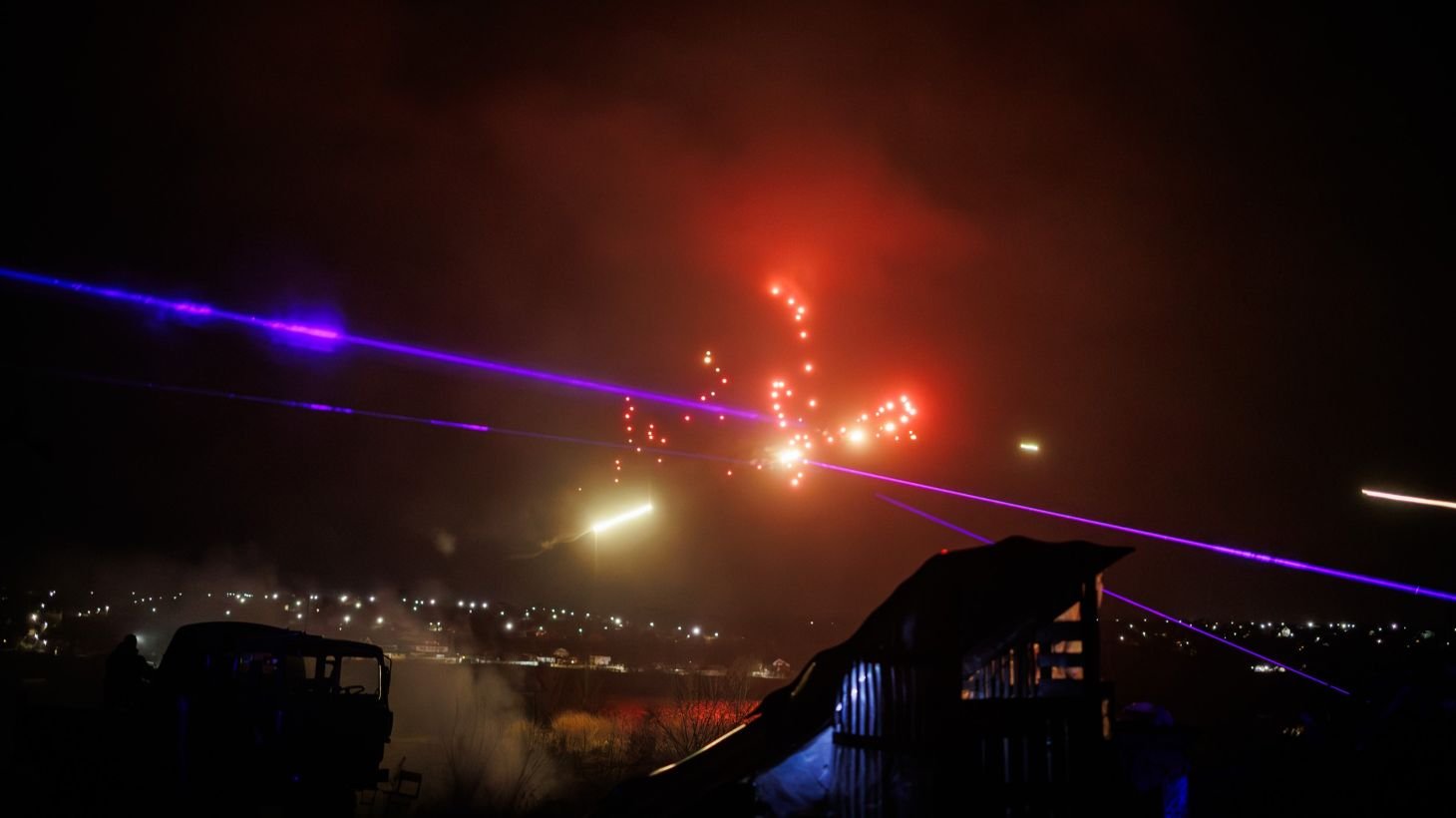
Dutch Military Opens Fire on Drones Over Volkel Air Base
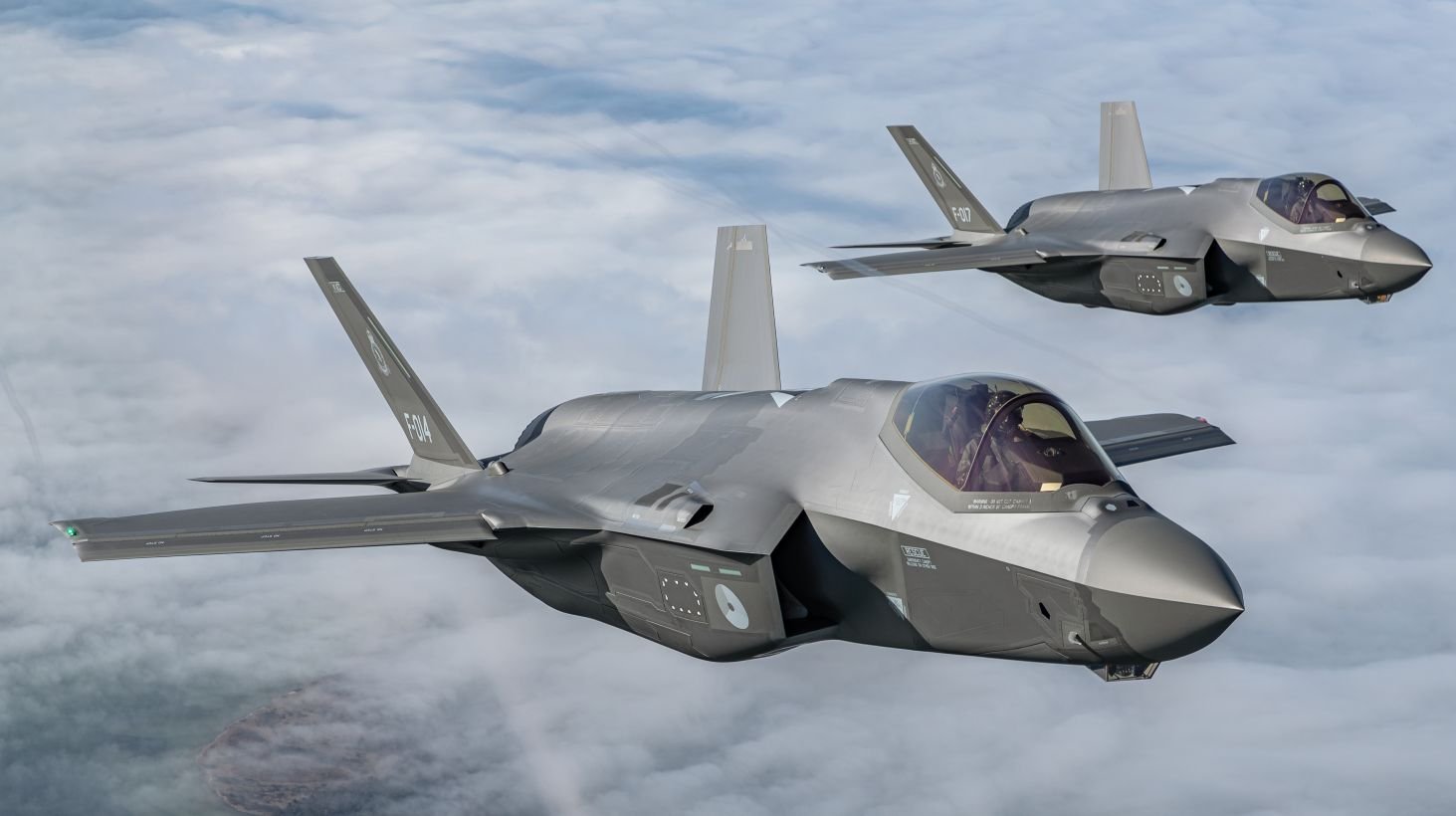
On the night of November 22nd, Dutch defense forces engaged unidentified drones hovering above Volkel Air Base, a site known for its sensitive role as a storage location for U.S. nuclear weapons and home to Dutch F-35 fighter jets. Defense Minister Ruben Brekelmans confirmed the incident, stating that ground-based weapons were deployed in an attempt to neutralize the threat. The drones departed the area and have not yet been recovered, prompting an official investigation into their origins and intent.
Rising Tensions Around Nuclear Sites in Europe
Volkel is not the only base to report such intrusions. Similar drone sightings occurred earlier this fall near Belgium’s Kleine Brogel Air Base, which also reportedly stores U.S. nuclear weapons, raising alarms among NATO members. These incidents form part of a broader pattern across the continent; since September, unexplained drone incursions have been logged in several European states, including Denmark, Lithuania, Finland, Estonia, Romania, Germany, Belgium, and the Netherlands.
Belgian Defense Minister Theo Francken suggested these incursions resemble a coordinated espionage campaign, drawing a connection to recent Russian military provocations—such as Russian drones and aircraft breaching the airspace of Poland, Romania, and Estonia. However, European leaders, including Dutch Prime Minister Dick Schoof, have stopped short of directly attributing blame, indicating suspicion but emphasizing a lack of hard evidence linking Russia to the ongoing disturbances.
Military Installations on High Alert
The repeated drone incidents have placed military installations on heightened alert, with security protocols tightened and the use of anti-drone countermeasures becoming more frequent. Brekelmans emphasized the zero-tolerance policy regarding unmanned aerial vehicles at military facilities: “Drones are NOT permitted at military sites. We will take action where necessary,” he reiterated in his public statement.
European defense authorities are increasingly treating these unexplained drone flights as a matter of national security, fearing attempts to gather intelligence on critical Western defense infrastructure or to test response capabilities. The timing and frequency of the incidents suggest a campaign designed to probe for weaknesses or gaps in air defense systems.
Espionage Concerns and Policy Responses
As investigations continue, calls are growing within NATO to develop a cohesive counter-drone strategy and strengthen intelligence sharing among member states. While experts warn that attributing drone operations can be difficult due to the technology's prevalence and relative ease of smuggling or disguising their origins, the threat has reignited conversations around the protection of the continent’s most sensitive military assets.
The series of incursions not only underscore the vulnerability of European airspace but also highlight a broader trend of unconventional tactics being used in geopolitical rivalries. Until the perpetrators are identified, defense officials warn that vigilance—and rapid response—will remain paramount in securing critical sites from potential espionage or sabotage.
  • Text Only
Marlin Introduces First-Ever 10mm Auto Lever-Action Trapper
In a significant move for lever-action enthusiasts, Marlin has announced the release of the Model 1894 Trapper chambered in 10mm Auto, breaking new ground for the legendary firearms brand. This marks the first instance where Marlin has paired the venerable lever-action platform with the powerful, rimless 10mm cartridge, setting the stage for fresh discussions on versatility and modern utility in the world of lever guns.
Modern Engineering Meets Classic Design
Staying true to its rugged Trapper lineage, the new 10mm variant boasts an all-stainless steel construction coupled with a durable laminate handguard and stock. Unlike previous Trapper models, Marlin equips the new release with a receiver-mounted Skinner peep sight, enhancing rapid target acquisition while omitting the conventional barrel-mounted open sight. Additionally, the 16-inch barrel is threaded in a 5/8x24 pattern—ideal for users wishing to attach muzzle brakes or suppressors, and comes from the factory with a protective thread cap.
Users will appreciate the matte finish on all stainless components, which reduces glare in the field while maintaining the robust corrosion resistance expected from the series. Unique to the 10mm Trapper is an oversized lever loop, providing comfort and space for gloved hands—especially important for cold-weather applications and gloved shooting scenarios.
High Capacity, Smooth Operation
A standout feature is the Trapper 10mm’s tubular magazine, which holds 10 full-power cartridges—surpassing the capacity of its .357 and .44 Magnum siblings by two rounds, and at least doubling the magazine size of the .30-30 and .45-70 models. The rifle’s newly designed action is specifically engineered to reliably cycle a wide range of 10mm factory ammunition. However, it’s worth noting that this model is not compatible with .40 S&W cartridges, an important distinction for shooters.
Loading is managed via a sturdy, receiver-based gate system, while a cross-bolt manual safety and traditional half-cock hammer provide extra security. The soft rubber buttpad ensures even the snappy recoil of 10mm remains manageable, and sharp checkering along the furniture promises a secure grip in all conditions.
Performance and Practicality for Modern Shooters
Attention to detail permeates the new release. The cold hammer-forged barrel delivers outstanding rifling precision for accuracy and longevity. The slim forend and overall balanced weight keep the rifle agile and quick to mount, reflecting its “Trapper” heritage as a handy, packable companion. Sling swivel studs and an offset hammer spur round out a features list that puts a premium on usefulness for hunters, sport shooters, and firearms collectors alike.
With an MSRP of $1,599, Marlin positions the 10mm Trapper as a premium addition to its catalog—one designed for those who appreciate both classic firearms and modern performance. The 10mm Auto’s resurgence in popularity for hunting and self-defense makes this lever action a particularly timely and intriguing platform crossover.
A New Chapter for Lever-Action Innovation
Marlin’s latest release exemplifies the blending of time-honored firearm tradition with innovative chamberings and contemporary features. For those seeking a lever-action rifle that stands apart from the crowd, the 1894 Trapper in 10mm Auto offers both classic style and cutting-edge capability—and it’s available to consumers starting today.
  • Text Only
Ukrainian Forces Maintain Defensive Lines Amid Conflicting Reports in Pokrovsk
Ukraine’s 7th Rapid Response Corps of the Air Assault Forces announced on November 21 that it remains firmly entrenched along key defensive positions in northern Pokrovsk. According to military officials, Ukrainian troops continue to control areas south of a significant railway line despite concerted Russian efforts to breach these defenses.
The situation on the ground, however, is marked by contrasting accounts. DeepState, a Ukrainian open-source intelligence group, has reported Russian advances beyond this crucial railway, raising questions about the stability of Ukrainian lines in the ongoing battle for Pokrovsk’s perimeter.
Escalating Clashes and Shifting Tactics in Donetsk Oblast
With Russian forces suffering mounting losses, Ukrainian officials assert that Moscow is deploying fresh reserve troops to the contested area. In response, Ukraine is reportedly reinforcing its own contingent, boosting the presence of drone operators and focusing operations on disrupting Russian supply routes feeding into Pokrovsk.
Meanwhile, Ukrainian units have nearly completed clearance operations against Russian infantry on the northern outskirts of nearby Myrnohrad. The military reports that small Russian groups attempting to infiltrate the settlement of Hryshyne, northwest of Pokrovsk, have been effectively neutralized, underscoring Ukraine’s determination to check further encroachment.
International Pressure Mounts as Washington Urges Peace Talks
As fighting intensifies in eastern Ukraine, Kyiv faces new diplomatic pressure from its principal ally. According to a Reuters report citing anonymous sources, the United States has cautioned Ukrainian officials that continued access to weapons and intelligence could hinge on Kyiv’s willingness to enter US-mediated peace negotiations with Moscow.
This diplomatic push has gained fresh urgency following the reported leak of the Trump administration’s proposed peace framework—a plan criticized for its pro-Russian concessions. Washington, according to sources, is seeking Kyiv’s assent to this framework before the US Thanksgiving holiday on November 27.
Strategic Uncertainties Amid Evolving War
The juxtaposition of intensified frontline fighting with renewed international pressure underlines a pivotal period for Ukraine. As military and diplomatic fronts continue to shift, decisions made in the coming days could have profound implications for Ukraine’s territorial integrity and the broader regional balance.
Despite advances and setbacks, Ukrainian forces remain committed to defending key positions, even as geopolitics casts uncertainty over the next phase of the conflict. Observers warn that the intersection of battlefield dynamics and diplomatic maneuvering may define the conflict’s trajectory heading into winter.
  • Text Only
U.S. Navy Steps Up Maritime Pressure, Blocks Russian Oil Delivery to Venezuela
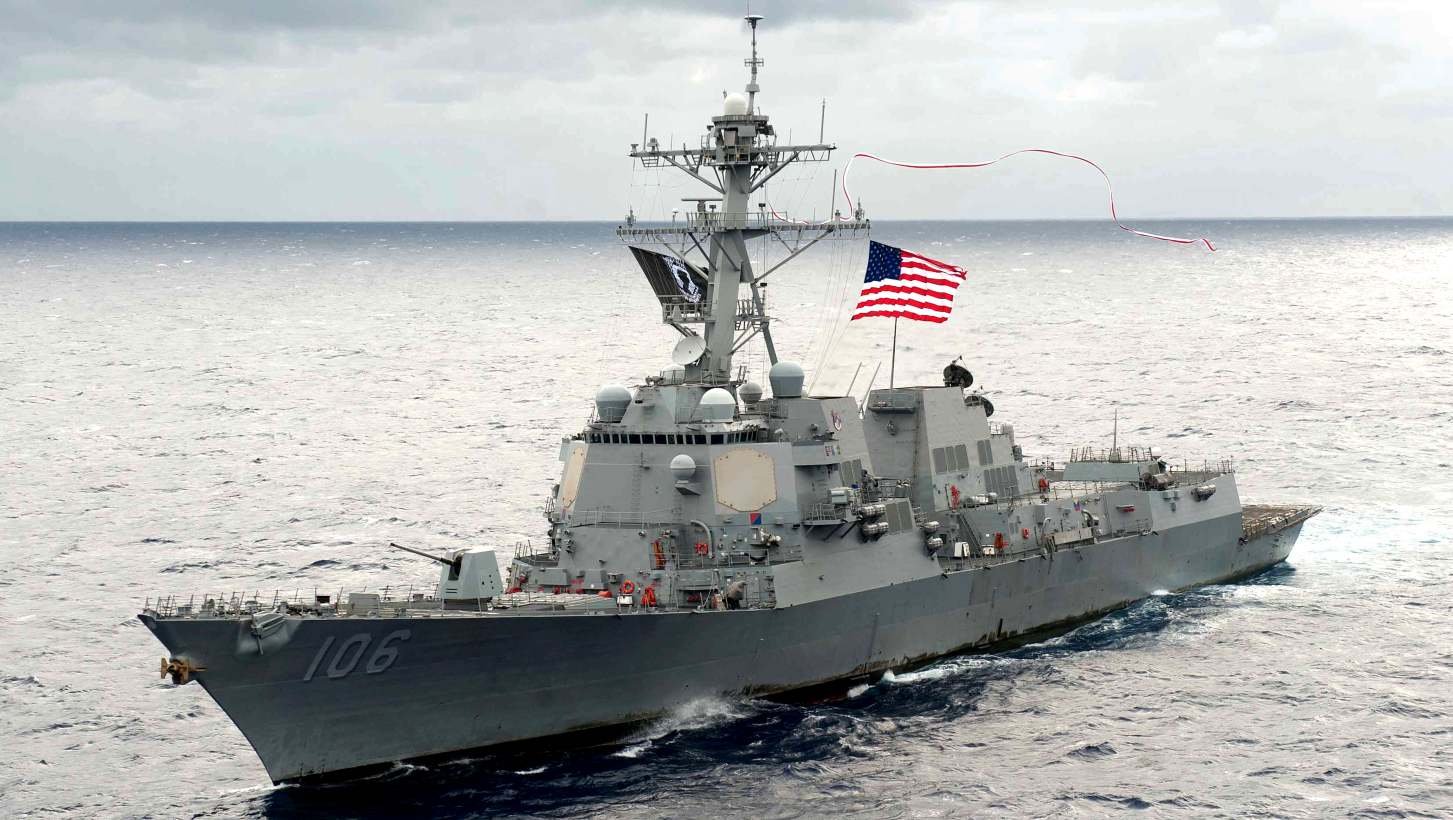
In a move highlighting intensifying maritime enforcement, the U.S. Navy destroyer USS Stockdale recently prevented the Russian-flagged tanker Seahorse from delivering a key fuel shipment to Venezuela. The interception underscores a growing U.S. strategy in the Caribbean, not only disrupting drug trafficking but also targeting Russia’s support for the government of Nicolás Maduro.
A Calculated Naval Maneuver Alters Tanker’s Course
On November 21, 2025, the USS Stockdale – an Arleigh Burke-class guided-missile destroyer – intercepted the Seahorse as it approached Venezuelan waters. The Russian vessel, which is under sanctions imposed by the United Kingdom, the European Union, and the U.S., was transporting naphtha: an essential fuel used to process Venezuela's heavy crude. After leaving Cuba on November 13, the Seahorse found its route blocked by the U.S. warship and, rather than risk an encounter, it turned away toward open waters. According to maritime tracking experts, the ship attempted to reach Venezuela twice more, each time unsuccessful, and now remains idling in the central Caribbean – an unusual and telling pattern that signals increased risks for Russian shipping in the region.
Expanding Operations Signal Focus Beyond Narcotics
While the official mission of U.S. naval assets in the area is counter-narcotics enforcement, recent actions represent a tactical shift. Since late September, the USS Stockdale and over a dozen U.S. warships have been operating under the U.S. Southern Command, targeting not only drug smuggling but also disrupting shipping lines that support Venezuela’s economy. This dual-purpose mission sends a clear warning to foreign governments providing lifelines to sanctioned regimes in Latin America.
Advanced U.S. surveillance and persistent naval presence have effectively closed off traditional supply lines. Though the U.S. has stopped short of declaring a formal blockade, these operations hamper the freedom of sanctioned tankers, challenging their ability to deliver essential supplies that keep Venezuela's oil sector running.
Strategic Implications: Weakening Maduro’s Oil Lifeline
The U.S. campaign strikes at the core of Venezuela’s economic survival. Petróleos de Venezuela, S.A. (PDVSA), the national oil company, is heavily reliant on imported naphtha to dilute and export its heavy crude. Interruption of these supplies threatens production and refining, posing a direct danger to one of the Maduro regime’s last remaining sources of foreign currency. By interdicting these critical imports via naval maneuvers, Washington leverages its maritime dominance to apply economic pressure without open military conflict.
Regional Impact and Future Outlook
Analysts emphasize that forcing the Seahorse – and potentially other vessels – into long holding patterns with empty holds is both a tactical and psychological blow to Russian logistics and Venezuela’s beleaguered fuel infrastructure. The sophisticated posture of the USS Stockdale demonstrates how layered naval operations can serve multiple objectives: reducing illicit flows, enforcing international sanctions, and placing global adversaries in a difficult position at sea.
This escalation in U.S. maritime enforcement not only tightens the vise on Venezuela but also signals to Russia and other international players that American resolve in safeguarding the Western Hemisphere remains strong. The evolving strategy indicates a future in which U.S. influence over pivotal trade routes is exercised with both subtlety and force, advancing broader foreign policy goals through naval power and persistent presence.
  • Text Only
Ongoing Conflicts: A Snapshot of Global Warfare
The past week has brought further evidence of the world’s fractured landscape, with both high-profile wars and overlooked skirmishes shaping the daily reality of millions. While headlines often focus on certain regions, lesser-known theaters of conflict continue to simmer, each with complex historical, political, and humanitarian dimensions. Here is an overview of the recent developments across major and minor conflict zones.
Middle East Tensions: Stalemates and Shifting Frontlines
The war in Ukraine and Russia’s ongoing hostilities have largely overshadowed developments in Syria and Yemen, where entrenched violence continues. Syria has seen renewed airstrikes around Idlib and Aleppo, with reports of civilian casualties as Turkish and Russian interests clash with various rebel coalitions. Meanwhile, Yemen’s fragile truce has buckled under pressure. The past week witnessed sporadic clashes between Houthi forces and Saudi-backed government troops, compounded by fresh drone attacks targeting the port city of Aden and adjacent oil installations, risking both humanitarian disaster and international energy disruption.
In Israel and Palestine, the cycle of violence drew new global concern following incidents along the Gaza border and in the West Bank. Israeli Defense Forces conducted targeted operations in Jenin and Nablus, resulting in significant property destruction and a surge in internal displacement. While peace talks remain elusive, international mediators have pleaded for a return to dialogue amid mounting civilian casualties.
Africa’s Overlooked Flashpoints
In Africa, reporting on the conflict in Sudan remains sporadic, but fighting persists in Khartoum and Darfur. The RSF (Rapid Support Forces) continues its advances against army positions, with both sides accused of atrocities against civilians. Humanitarian corridors have struggled to remain open, and the UN has warned of a deepening famine crisis.
Meanwhile, Ethiopia’s tense northern regions are far from quiet despite last year’s tentative peace deal. In the Amhara region, local militias have clashed with federal troops, resulting in mass arrests and growing displacement. Somalia faces renewed attacks from al-Shabaab insurgents, with a deadly incursion on a government barracks in Jubaland, pointing to the enduring volatility of the Horn of Africa.
Quietly Burning: Conflict Beyond the Headlines
Several lower-profile conflicts have escalated, drawing little global attention. In Myanmar, the civil war between the military junta and ethnic armed groups has intensified. The latest week saw fierce battles in Kayah and Shan States, with airstrikes devastating rural communities and compounding an already dire refugee crisis along the Thai border.
Colombia’s internal strife remains unresolved, despite ongoing negotiations with ELN rebels. A bombing in Norte de Santander—a violent region bordering Venezuela—killed several police officers and highlighted the persistent reach of criminal and paramilitary groups despite peace efforts.
Nagorno-Karabakh, the long-contested enclave between Armenia and Azerbaijan, also registered renewed clashes this week as each side accused the other of violating ceasefire lines, threatening to unravel recent diplomatic gains.
Beyond the Battlefield: Humanitarian Impact and Calls for Dialogue
Amid this patchwork of hostilities, the humanitarian toll continues to rise. Throughout affected regions, aid agencies report mounting obstacles to access, a swelling tide of displaced people, and soaring food insecurity. International actors, from the UN to regional blocs like the African Union, have renewed calls for negotiated settlements and urgent humanitarian relief.
Despite the ongoing violence, ordinary people endure immense hardships and cling to flickers of hope for resolution. As global attention oscillates between crisis zones, many conflicts remain in the shadows—unresolved, unexposed, and rife with human cost.
Looking Forward
As another week closes, the warfare raging across continents reminds the international community of the persistent need for diplomacy, conflict prevention, and support for civilians caught in the crossfire. Whether in headline-grabbing battlefields or the world's less-publicized war zones, peace remains elusive—and all the more vital—for people seeking stability amid the chaos.
  • Text Only
Intensifying Violence in Gaza and the Wider Middle East
The ongoing Israel-Gaza conflict continues to dominate headlines, with reports this week of heavy shelling in Rafah despite mounting international concern. The humanitarian situation remains dire as ceasefire negotiations falter, and regional tensions widen. Along Lebanon’s southern border, crossfire between Hezbollah and Israeli forces has further complicated an already volatile situation. Meanwhile, unrest persists in the West Bank, where sporadic clashes and raids have resulted in new casualties, deepening fears of further escalation.
Shifting Frontlines in Ukraine and Emerging European Tensions
Eastern Ukraine saw renewed hostilities with Russian forces reportedly making incremental gains near Kharkiv, placing further strain on Ukrainian resources and communities. Drone and missile attacks continued to cause civilian and infrastructure damage in both Ukraine and Russia, reflecting the war’s harsh human toll. Simultaneously, cross-border raids and sabotage incidents stoked anxieties in neighboring NATO countries, as governments in Poland and the Baltic states voiced alarm over possible spillover effects from the protracted conflict.
Escalation and Humanitarian Strain in Sudan and the Sahel
Sudan’s civil conflict between the Rapid Support Forces (RSF) and the Sudanese Armed Forces intensified this week, with reports of heavy fighting in El Fasher and continued displacement of civilians across Darfur. Aid organizations warned of catastrophic malnutrition and worsening disease outbreaks. In the broader Sahel region, newly consolidated military regimes in Burkina Faso, Mali, and Niger faced renewed attacks from jihadist groups, fueling a complex web of violence marked by ethnic tensions and coupled with mass displacement.
Violence in Myanmar’s Fractured Landscape
On the Asian front, Myanmar’s longstanding internal conflict saw a sharp uptick in hostilities, especially in Kayah and Rakhine states. Ethnic armed groups made substantial gains against junta forces, prompting retaliatory airstrikes and ground operations. Aid to civilians has been further hampered by restricted access and governmental obstruction, raising alarm over the rapidly deteriorating humanitarian conditions.
Lesser-Known Flashpoints and Emerging Concerns
Beyond major global hotspots, several lesser-known but significant conflicts simmered this week. In the Democratic Republic of Congo, fighting between the national army and M23 rebels in North Kivu disrupted thousands of lives. In northern Mozambique, insurgents affiliated with Islamic State maintained pressure on local populations and security forces in Cabo Delgado. Meanwhile, in Colombia’s Cauca region, both guerrilla and paramilitary violence surged, threatening renewed instability despite ongoing peace efforts.
Conclusion: A Global Tapestry of Conflict
As the past week has shown, conflict and warfare continue to shape the lives of millions across continents. The diversity and complexity of these crises highlight both the persistent obstacles to peace and the urgent need for sustained international attention—especially to those communities caught in overlooked or underreported arenas of suffering.
  • Text Only
U.S. Military Revives Jungle Training in Panama After Decades-Long Hiatus
American Marines and soldiers are once again navigating the dense jungles of Panama, marking a significant return after more than 20 years away. This move sees the revival of traditional jungle warfare instruction, now expanded through a renewed partnership with Panamanian security forces.
The Combined Jungle Operations Training Course: A New Era
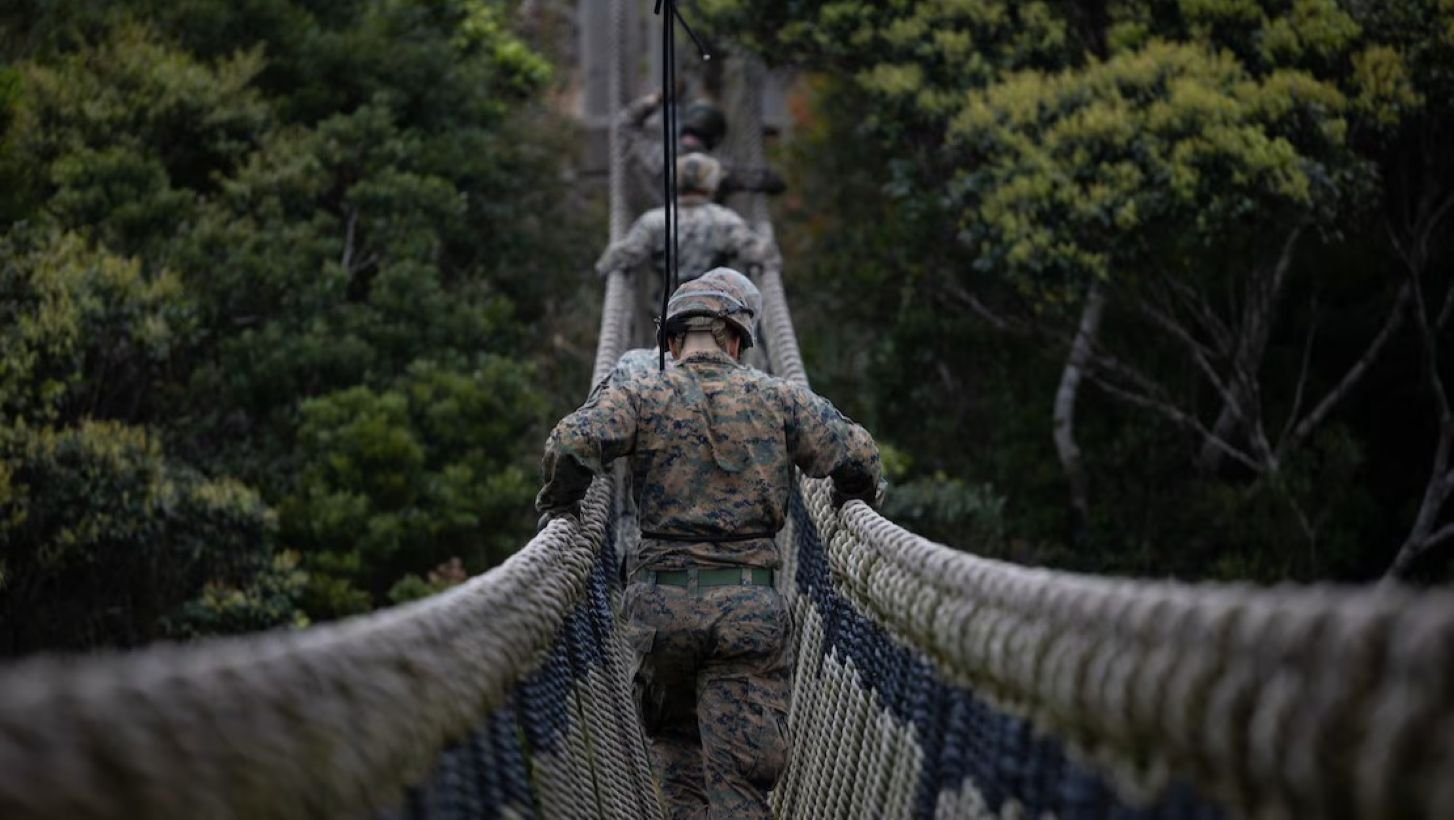
This fall, the U.S. Southern Command launched the Combined Jungle Operations Training Course in Panama, reopening critical avenues for conventional forces to refine survival and combat techniques beneath the forest canopy. The 21-day program, developed collaboratively with Panamanian authorities, plunges participants into a rigorous schedule blending classic survival knowledge—such as water purification and shelter building—with contemporary combat drills tailored to the jungle’s unpredictable terrain.
Participants include both U.S. Marines and soldiers, alongside Panamanian security personnel, reflecting a stronger bilateral focus on preparing for evolving security challenges in tropical environments.
Strategic Context: Renewed Security Ties Shape Regional Posture
This training renaissance is the product of renewed security arrangements between the U.S. and Panama, a shift that comes in the wake of heightened diplomatic attention and security concerns in the region. While special operations forces have continued low-profile training in Panama for years, conventional U.S. military presence had all but vanished after American forces handed over Fort Sherman in 1999.
The reinstatement of such joint exercises is not directly linked to recent U.S. military reallocations in the Caribbean or efforts to curb maritime threats to small vessels, but it does signal Washington’s revitalized interest in Latin America’s strategic landscape. Alongside the base renovations and deployments in nearby territories like Puerto Rico, the jungle program marks a multifaceted approach to regional defense and partnerships.
Jungle Training’s Storied Legacy and Modern Revival
Panama’s jungles have long been a crucible for American and Latin American military forces. Since 1916, U.S. troops have used the isthmus as a training ground, culminating in the establishment of the renowned "Green Hell" Jungle Operations Training Center at Fort Sherman. During its heyday, thousands cycled through each year, mastering the art of jungle warfare—an emphasis that faded in the post-Cold War era and amid the focus on desert warfare after 9/11.
Graduates and Future Opportunities
To date, 46 individuals—including Marines, Army soldiers, and Panamanian security members—have graduated from the latest iteration of the course. Following a successful pilot in August with a select group from the 2nd Battalion, 2nd Marines, trainees continue to hone their skills at sites such as the Base Aeronaval Cristóbal Colón.
The reinvigoration of jungle warfare training in Panama underscores not only the endurance of U.S.-Panamanian military cooperation but also the adaptability of modern armed forces to emerging geopolitical demands. As regional dynamics shift, the lush forests of Panama once again serve as vital classrooms for the challenges ahead.
  • Text Only
Ukrainian Forces Withdraw from Key Positions Amid Escalating Pressure in Zaporizhzhia Oblast
Ukrainian troops have been compelled to withdraw from positions near five settlements in the embattled Zaporizhzhia Oblast, signaling a shift in control along one of the war’s most volatile front lines. The move, confirmed by Vladyslav Voloshyn, spokesperson for Ukraine's Southern Defense Forces, underscores mounting difficulties as Russian forces intensify their offensive operations in the region.
Withdrawing Under Fire: The Changing Front Lines
Voloshyn reported a complete withdrawal from Uspenivka and Novomykolaivka, while heavy fighting continues for control over Yablukove and several other settlements. “The contact line remains dynamic,” Voloshyn told local media, emphasizing that the defensive operation is ongoing amid an increasingly complex battlefield situation.
The retreat follows remarks by Ukraine’s Assault Forces Commander, Valentyn Manko, who noted on November 9 that Ukrainian troops had recently repelled Russian advances and recaptured Solodke and Rivnopillia. However, intense clashes persist near Poltavka and Uspenivka as Russian troops push toward the strategic city of Huliaipole, aiming to sever vital supply routes from Dnipropetrovsk Oblast.
Russian Gains and Tactical Shifts
Ukraine’s Commander-in-Chief Oleksandr Syrskyi acknowledged on November 11 that Russian troops had seized three settlements in the area. Fierce offensives are being orchestrated under the cover of dense fog, with Russian units exploiting adverse weather conditions to infiltrate Ukrainian lines undetected. The deteriorating visibility has significantly hampered Ukraine’s drone reconnaissance and strikes, giving Russian forces a tactical edge as they press on the Oleksandrivka and Huliaipole fronts.
According to Voloshyn, up to 50 clashes now occur daily in the Orikhiv and Huliaipole sectors, with Russian troops launching repeated assaults and effectively destroying established Ukrainian fortifications. “They have destroyed all existing fortifications and shelters, forcing us to withdraw from certain positions,” he said.
The Fight for Pokrovsk: Russia Advances Under Cover of Fog
Simultaneously, Russian forces are escalating operations in neighboring Donetsk Oblast, targeting the city of Pokrovsk. Once a relatively safe haven and key logistics hub for Ukraine, Pokrovsk now faces mounting threats from Russian units entering from the south and seeking to encircle the city. More than 300 Russian troops are reported to have advanced into Pokrovsk, concentrating on reaching its northern boundaries in an effort to isolate Ukrainian defenders.
Despite these advances, Ukrainian troops remain engaged in fierce urban combat, neutralizing several Russian infiltration groups in recent weeks. Ukrainian reports indicate over 160 Russian soldiers have been killed and nearly 40 wounded in Pokrovsk since the start of November.
Strategic Implications and Ongoing Resistance
The recent withdrawal in Zaporizhzhia marks a significant recalibration of Ukraine’s defensive lines as Russian troops leverage both numerical superiority and weather conditions to gain ground. With Russia now holding approximately 70% of Zaporizhzhia Oblast but not the regional capital, the broader struggle for control of southeastern Ukraine remains far from settled.
Meanwhile, Pokrovsk stands nearly encircled, with only a narrow corridor open for Ukrainian reinforcements and supplies. President Volodymyr Zelensky revealed that Russian forces outnumber Ukrainian defenders by a staggering eight-to-one in the bid to capture the city, underscoring the scale of the challenge ahead.
As the conflict evolves, questions persist over whether Ukrainian forces can stabilize defensive positions and prevent further territorial losses in the face of Moscow’s intensified campaign—propelled, for now, by fog and fire.
  • Text Only
Ukraine's Energy Lifeline Severed After Unprecedented Russian Assault
Following what has been described as the most significant attack to date on Ukraine’s energy infrastructure, all thermal power plants operated by Centrenergo—Ukraine’s state-owned energy provider—are now offline. Overnight on November 8, Russian forces launched a coordinated assault targeting the entire power generation network managed by the company, sharply escalating efforts to cripple the country's energy supply ahead of winter.
All Centrenergo Thermal Plants Out of Operation
Centrenergo confirmed that every one of its thermal power plants—Trypillia in Kyiv Oblast, Zmiivska in Kharkiv Oblast, and Vuhlehirska in Donetsk Oblast—has been rendered inoperable. Many of these facilities had only recently resumed partial operations after past attacks, but Russian drones and missiles struck repeatedly through the night, undoing months of restoration work within minutes.
The company emphasized the intensity of the bombardment, stating that multiple drones targeted their facilities “each minute” during the offensive. Ukrainian air defenses were able to down 406 out of 458 drones and 9 out of 45 cruise and ballistic missiles unleashed by Russia, but the barrage still proved overwhelmingly destructive.
Destruction Compounds Ongoing Energy Crisis
The loss of all Centrenergo assets deepens an already acute energy crisis for Ukraine. The Vuhlehirska plant has been under Russian occupation since July 2022, and the Zmiivska facility was declared completely destroyed last spring. The latest assault eradicated all progress made, leaving vast swathes of Ukraine at risk of power shortages as winter temperatures approach.
Centrenergo stated, “For safety reasons, we remained silent, but we did everything possible to ensure that Ukrainians got through the last winter with electricity and heat… Less than a month has passed since the previous strike, and last night the enemy again hit all of our power generation facilities simultaneously.”
Russian Strategy: Targeting Critical Civil Infrastructure
Russian attacks on Ukrainian energy facilities have intensified this fall, with a marked increase in strikes on power plants, gas production, and electricity distribution networks. The latest onslaught focused on major cities including Kyiv, Dnipro, Kharkiv, and Chernihiv, and resulted in widespread emergency power outages. The attack follows earlier operations in early October that eliminated an estimated 60% of Ukraine’s gas production capacity in a matter of days.
Military analysts suggest that these attacks form part of a strategic campaign to plunge Ukraine into hardship and undermine morale as winter approaches.
Ukrainian Retaliation Hits Russian Energy Hubs
Meanwhile, Ukrainian forces appear to be increasing retaliatory strikes against Russian energy infrastructure. Russian officials reported on November 8 that Ukrainian attacks left more than 20,000 residents in Belgorod Oblast without power, following a series of rocket launches and drone strikes. The city of Belgorod and the surrounding community experienced blackout conditions, fires, and damage to a local thermal power plant.
Neighboring Kursk Oblast also suffered power outages after a substation was reportedly set alight by a Ukrainian strike. While the full extent of the disruption is unclear, these attacks highlight the expanding reach and evolving tactics of Ukrainian forces in response to sustained Russian bombardments.
Dire Outlook as Winter Approaches
Both countries are bracing for a winter of heightened energy insecurity and mounting civilian suffering. President Volodymyr Zelensky warned in September that Ukraine would not hesitate to strike back at Russia’s energy sector if attacks on Ukrainian infrastructure persisted. With both sides trading critical blows to energy grids and power plants, civilian populations are left enduring cold, power shortages, and the uncertainty of ongoing conflict.
As Ukraine’s leaders and citizens grapple with the aftermath of Russia’s largest-ever attack on its power infrastructure, questions loom over the resilience of both nations’ energy sectors and the humanitarian costs of this escalating front in the war.
  • Text Only
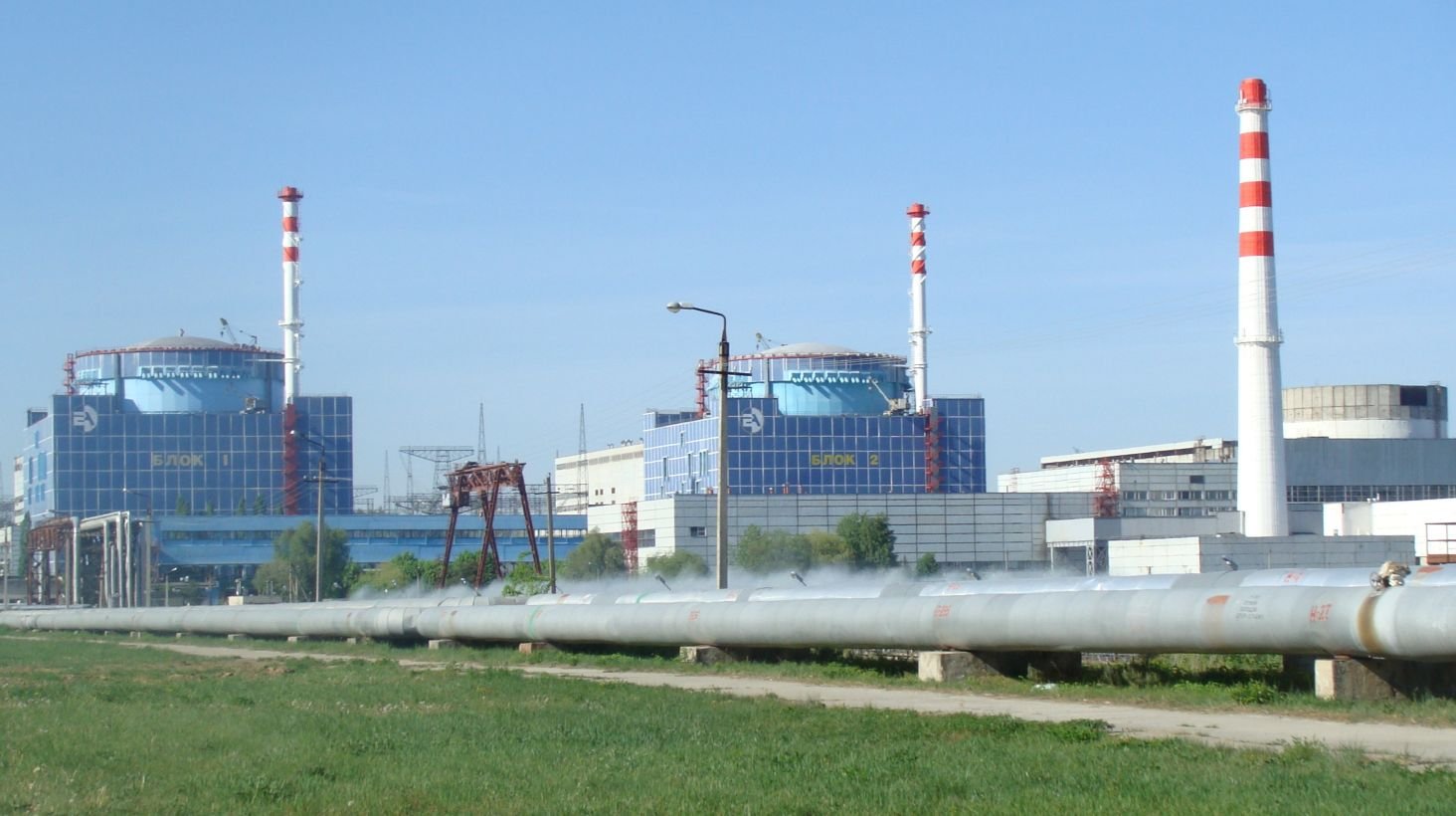
Russia Strikes Energy Substations Linked to Nuclear Plants in Escalated Attack
In a significant escalation overnight on November 7-8, Russian forces targeted key energy substations supplying the Khmelnytskyi and Rivne nuclear power plants, according to Ukrainian Foreign Minister Andrii Sybiha. The attacks were part of a broader assault on Ukraine’s energy infrastructure, which authorities are describing as among the most severe since the onset of Russia’s full-scale invasion in February 2022.
Planned Strikes Raise Concerns Over Nuclear Safety
Foreign Minister Sybiha emphasized that the strikes appeared methodical, dismissing the notion that they were accidental. “Russia is deliberately endangering nuclear safety in Europe,” he stated on social media, underscoring the international ramifications. While Sybiha did not confirm the extent of damage to the substations, he strongly condemned the targeting of critical infrastructure that supports nuclear facilities.
Despite the severity of the attack, officials reported no immediate disruptions to the operations of the Khmelnytskyi and Rivne nuclear power plants. Both plants remain functional and under the oversight of Ukraine’s nuclear authority and international monitors from the International Atomic Energy Agency (IAEA).
Widespread Outages and Emergency Measures
According to Energy Minister Svitlana Hrynchuk, Russia launched 45 cruise and ballistic missiles and fired over 450 other munitions overnight, making it one of the largest direct missile assaults on Ukraine’s energy sector to date. The strikes prompted widespread emergency outages, with Kyiv experiencing power cuts that lasted over 12 hours. The state grid operator, Ukrenergo, confirmed that several regions were forced to implement blackout protocols to stabilize the system.
Calls for Global Action Amid Heightened Risk
The proximity of these nuclear plants to the attacks has elicited urgent calls for international intervention. Sybiha has requested an emergency session of the IAEA’s Board of Governors and appealed to major Russian energy partners, China, and India, to exert pressure on Moscow. “There needs to be global pressure to force Moscow to stop its nuclear blackmail,” he insisted, warning that the campaign risks precipitating a catastrophic incident.
The Khmelnytskyi and Rivne plants, both situated in western Ukraine and distant from active frontlines, remain vulnerable due to their dependence on critical infrastructure. Earlier incidents reported by IAEA staff have included the sounds of drones and gunfire near the sites, heightening anxieties surrounding their security.
Continuing Threats to Ukraine’s Nuclear Facilities
Ukraine’s nuclear sector has faced repeated threats since the Russian invasion began, with the occupied Zaporizhzhia Nuclear Power Plant already a focal point of international concern. The IAEA has consistently warned about the dangers posed by military activity near nuclear installations, noting that any attack on supporting infrastructure can rapidly escalate into a broader crisis.
As the conflict drags on, Ukrainian authorities and international agencies are intensifying efforts to shield Europe’s nuclear assets from the fallout of war, calling for urgent diplomatic and practical measures to mitigate the growing risks.
  • Text Only
Intensified Clashes Define Global Conflict Landscape
The past week has underscored the persistent volatility of armed confrontations worldwide, as entrenched disputes and emerging battles continued to determine the lives of millions. While major conflicts dominate headlines, significant violence in less-publicized regions persists, often overlooked by the broader international community.
Middle East: Stalemates and Humanitarian Crises
In the Middle East, the confrontations in Gaza continue to escalate, with both Israeli forces and Palestinian groups reporting casualties amid intensified bombardments and ground operations. Ceasefire proposals remain under negotiation, but recurrent hostilities have prevented tangible progress. The region endures profound humanitarian challenges—aid convoys struggle to enter, hospitals face critical shortages, and civilian displacement numbers rise daily.
Elsewhere, Syria’s northwest has witnessed renewed skirmishes between government-affiliated troops and opposition fighters in Idlib province, highlighting the protracted nature of the conflict and the fragility of ongoing truce agreements.
Africa: Complexities Beyond the Headlines
Sudan has entered another week of acute violence as rival military factions vie for control in populated urban areas such as El Fasher. Alongside mounting civilian casualties and mass displacement, peace talks have failed to broker lasting tranquility. In the Sahel, Burkina Faso and Mali experience frequent attacks by armed groups, with towns beset by insecurity as local militias clash with government and foreign contingents.
The Democratic Republic of Congo also remains a flashpoint; the resurgence of the M23 group in the east has prompted hundreds to flee, and regional diplomats warn of potential escalation without stronger intervention.
Asia-Pacific: Escalation and Underreported Tensions
Renewed fighting was reported between Myanmar’s military junta and ethnic armed groups, particularly in Kachin and Shan states. Local sources indicate that airstrikes on villages have pushed thousands from their homes, compounding an already dire refugee crisis. Meanwhile, in the Philippines, security forces confronted insurgent groups in Mindanao, resulting in episodic firefights and localised disruptions.
In the disputed areas of Kashmir, cross-border firing between Indian and Pakistani forces flared after several weeks of calm, prompting concerns of yet another cycle of tit-for-tat engagements.
Europe and the Caucasus: Entrenched Battles and Fragile Ceasefires
The Russia-Ukraine conflict continues to dominate European security concerns, with heavy fighting concentrated in the Donetsk and Kharkiv regions. Despite recent international diplomatic initiatives, neither side has gained substantial ground, and civilian infrastructure remains at severe risk. Further south, sporadic clashes have reignited tensions between Armenia and Azerbaijan along their shared border, raising fears that progress made after the 2020 Nagorno-Karabakh hostilities could unravel.
Americas: Gang Battles and Civic Unrest
While not traditional warfare, Haiti’s spiraling gang violence resembles an ongoing conflict, with rival factions engaging in deadly shootouts for territorial control of Port-au-Prince. Attempts by regional organizations to broker peace have seen mixed results, and everyday Haitians are left navigating a perilous environment.
Colombia has also faced episodes of violence between government troops and residual armed groups, particularly in the Pacific and border regions, threatening peace accords established in recent years.
Conclusion: A Patchwork of Persistent and Overlooked Strife
This week’s overview reveals an international tapestry of conflict, both widely publicized and barely reported. While efforts at mediation and aid continue, a common thread emerges: the need for sustained engagement and nuanced understanding of each unique conflict. As global attention is drawn to flashpoints in Ukraine and Gaza, continued coverage and humanitarian action in lesser-known theatres remain urgently required.
  • Text Only
U.S. Army Unveils New Mobile Brigade Model with Transformation of 81st Stryker Brigade
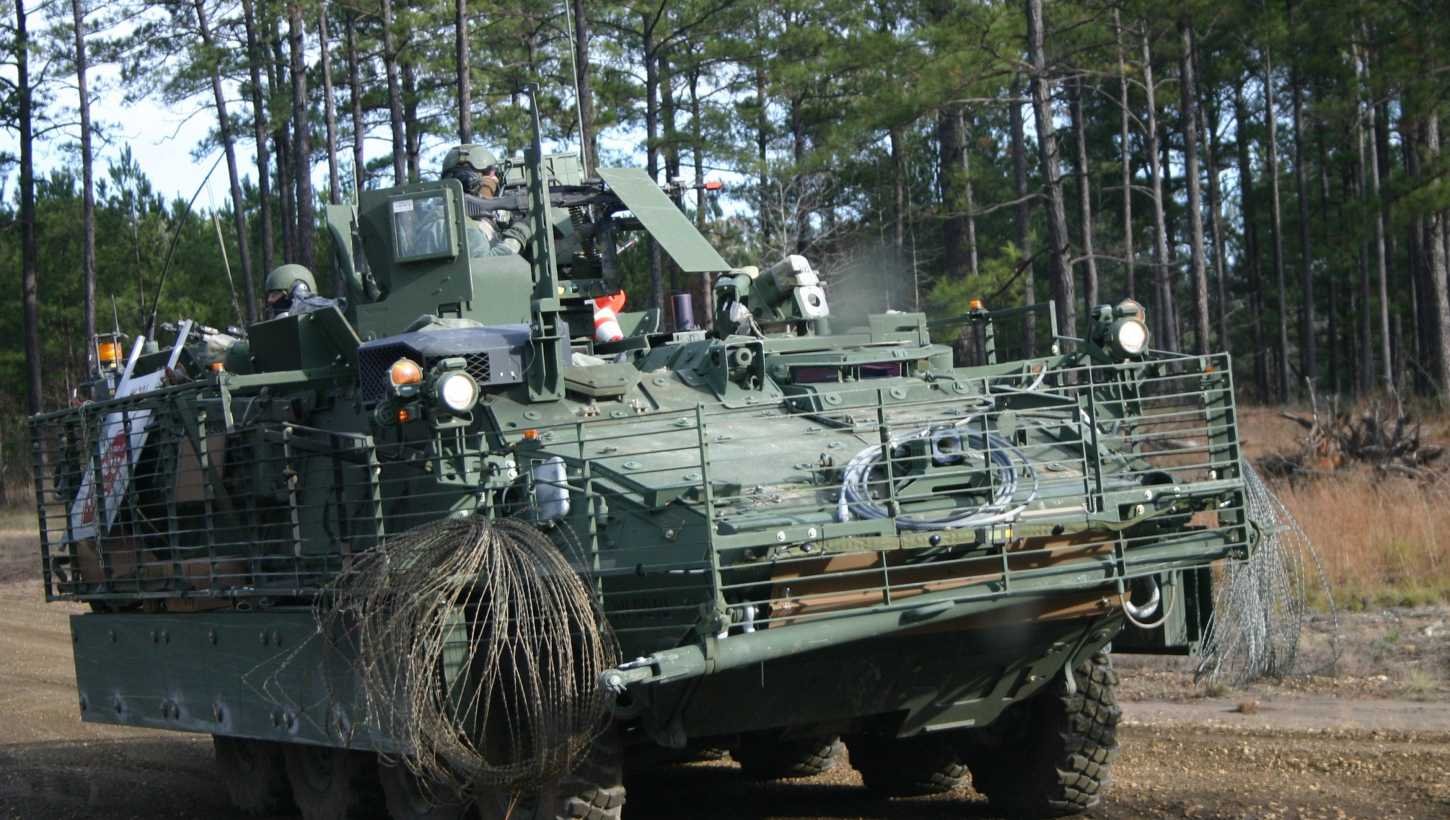
In a strategic pivot toward faster and more adaptable ground forces, the U.S. Army has launched a major overhaul of the Washington-based 81st Stryker Brigade Combat Team, transitioning it into the military’s first Mobile Brigade Combat Team (MBCT). This historic redesign, announced at the end of October 2025, signals a broader shift in Army doctrine amidst evolving threats and complex multi-domain operational environments.
Embracing Mobility Over Armor
The transformation, centered at Joint Base Lewis-McChord, is ushering out the brigade’s signature Stryker 8x8 armored vehicles, replacing them with Infantry Squad Vehicles (ISVs) engineered through collaboration between GM Defense and Polaris. Unlike the armored Strykers, ISVs are lightweight, unarmored, and optimized for rapid movement and low detectability. The ISV—a nine-passenger tactical vehicle based on the Chevrolet Colorado ZR2 platform—can be swiftly airlifted or sling-loaded by helicopters, giving ground units unmatched flexibility for quick deployments, even in the world’s most austere theaters.

Measuring under 2,270 kilograms (5,000 pounds), the ISV’s agility and reach—over 500 kilometers (310 miles) at speeds of more than 110 km/h (68 mph)—make it an ideal asset for terrain where infrastructure is sparse and heavy armor impedes maneuverability. By emphasizing mobility, dispersion, and speed, the Army aims to boost tactical survivability against adversaries equipped with long-range fires and sophisticated reconnaissance.
Integrating Robotics and Digital Command
The new MBCT structure is not simply about fielding lighter vehicles. It represents a paradigm shift in combined-arms warfare that prioritizes digital integration and autonomous support systems. Plans call for the brigade to operate alongside robotic ground vehicles for logistics and reconnaissance, employ small tactical drones for continuous battlefield awareness, and network sensors to sustain digital connectivity, even in communications-denied environments.
These advances are part of the Army’s “Transforming in Contact” doctrine, which tilts the balance away from traditional armor mass toward fast, dispersed formations powered by real-time data fusion and robotic support. As the first unit to implement this approach, the 81st Brigade is set to validate new tactics, experiment with unmanned systems, and refine the operational model for the next generation of Army brigades.
Strategic Implications for Global Deployment
The MBCT’s rapid-deployment capability aligns closely with contemporary U.S. and NATO defense priorities—particularly in regions like Eastern Europe, the Arctic, and the Indo-Pacific, where the ability to project force quickly can be decisive. Unlike heavy armored brigades, the ISV-equipped unit can be transported via C-130 aircraft and operate with self-sufficiency in environments with limited infrastructure. This flexibility supports fast reinforcement of allies and enables forward deterrence without the substantial logistical footprint of traditional armored forces.
A Pioneering Unit at the Forefront of Change
The 81st Brigade’s transformation marks its third major organizational evolution since the early 2000s, having previously shifted from an armored to a Stryker brigade before embracing the current mobile combat concept. As the Army’s pilot MBCT, the 81st will play a critical role in shaping future force designs, providing essential feedback on doctrine, technology integration, and operational effectiveness in the field.
Redefining Combat for the Modern Battlefield
Ultimately, the conversion of the 81st Stryker Brigade reflects the U.S. Army’s commitment to adapting its fighting forces for high-intensity, technologically charged conflicts. In the age of near-peer competitors who wield advanced ISR, electronic warfare, and missile capabilities, speed, agility, and digital proficiency are increasingly vital. The Mobile Brigade Combat Team initiative is set to redefine how the Army maintains its tactical edge—and how U.S. ground forces will fight and survive on tomorrow’s battlefields.
  • Text Only
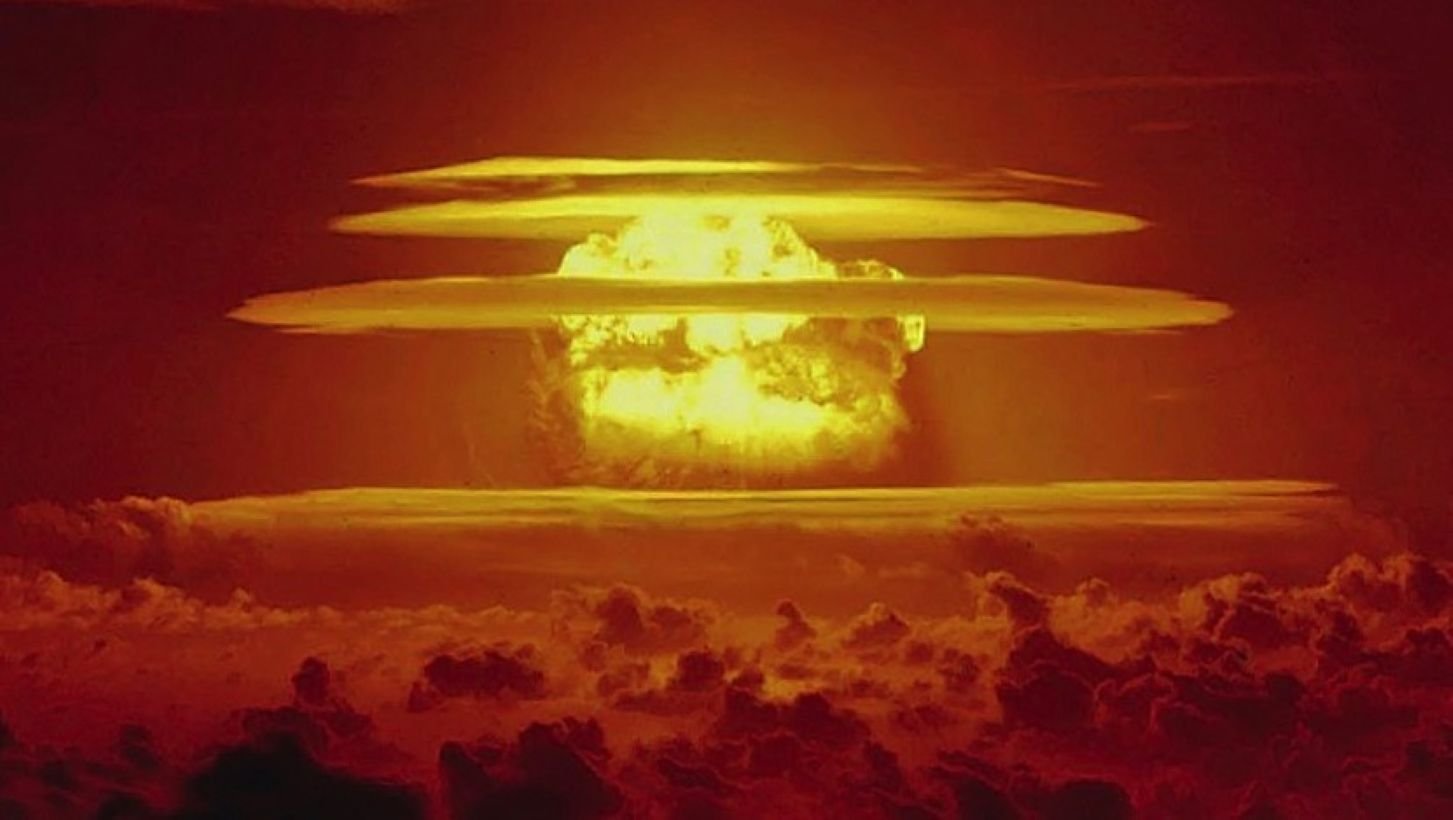
Russia Initiates Formal Preparations for Potential Nuclear Weapons Tests
In a pivotal move that echoes the geopolitical tensions of the Cold War era, the Kremlin has instructed a consortium of ministries and agencies to develop concrete proposals for resuming nuclear weapons testing. The directive, issued on November 5, 2025, underscores Russia’s intent to respond in kind should another nuclear power, notably the United States, resume nuclear detonations—a prospect that now looms over global arms control.
Strategic Readiness at Novaya Zemlya
At the heart of Russia’s preparations is Novaya Zemlya, the historic Arctic test site synonymous with Soviet-era nuclear experimentation. Defense Minister Andrei Belousov, addressing the Russian Security Council, cited the site’s high operational readiness and noted that the infrastructure could be activated with minimal notice. Such readiness supports a flexible spectrum of testing activities, from subcritical, zero-yield experiments to assess modern warhead components to fully contained underground tests of updated missile systems. This dual-capability posture, officials stress, is designed to mirror any shift in U.S. policy and serves as a warning that Russia stands ready to re-enter the nuclear testing arena should global moratoria erode.
Modernization and Technical Benchmarks
While emphasizing a reactive strategy, Moscow’s technical ambitions go beyond mere demonstration. Should nuclear testing resume, initial Russian efforts are likely to focus on subcritical experiments—critical for stockpile maintenance and warhead modernization without violating the threshold of explosive yield. Such diagnostics would stress-test plutonium pits and validate novel components, shoring up Russia’s deterrent while remaining technically and politically distinct from overt detonations.
Further escalation could see Russia advance to low-yield, fully contained underground shots to credential new or refurbished warhead designs. Weapon systems under scrutiny could include reentry vehicles for silo- and mobile-launched ICBMs (such as Yars and Sarmat), submarine-launched missiles like Bulava, and advanced hypersonic platforms such as Avangard. Analogous attention may be given to Russia’s tactical arsenal, with testing scenarios designed to validate emerging, lower-yield options for adaptable, regional deterrence.
Spotlight on “Exotic” Nuclear Capabilities
Recent official statements have also amplified Russia’s focus on unconventional weaponry. High-profile programs such as the 9M730 Burevestnik nuclear-powered cruise missile and the Poseidon underwater nuclear vehicle are framed as strategic counterweights to Western missile defenses. While these categories do not currently require explosive testing to further non-nuclear aspects of their development, any decision to validate their warhead designs might necessitate uniquely tailored underground detonations, complicating detection, attribution, and arms control verification efforts.
Evolving Legal and Political Calculus
The immediate impetus for Russia’s renewed preparations stems from intensifying U.S. rhetoric. Public remarks from former President Donald Trump regarding the possible resumption of American nuclear testing, along with subsequent equivocations, have been met with apprehension in Moscow. Russia, which formally de-ratified the Comprehensive Nuclear-Test-Ban Treaty (CTBT) in 2023, has sought to establish “parity” with the United States—a signatory that never ratified the treaty. This legal maneuvering, coupled with the Kremlin’s insistence that its own testing would only follow external precedent, is reshaping the strategic landscape.
Global Security Implications
Russia’s consolidation of political will and technical readiness signals a moment of heightened vulnerability for international nuclear norms. Should one nuclear state reignite testing, there is a pronounced risk of a cascading destabilization of the arms control regime. The world now faces the uncomfortable prospect that nuclear risk, long managed through restraint and verification, may once again dominate security calculations. Allied reassurance, diplomatic crisis management, and global nonproliferation efforts now hang in the balance, as a new phase of strategic competition threatens to emerge.
  • Text Only
Russia Overhauls Military Draft System with Year-Round Conscription
President Vladimir Putin has enacted a landmark shift in Russia’s conscription policy, signing a law on November 4 that transitions the country from a biannual draft system to continuous, year-round conscription starting in 2026. The new directive, published on Russia’s legal acts portal, reflects a strategic pivot in how Moscow manages its military manpower amid ongoing conflict and shifting geopolitical pressures.
Transition from Seasonal Drafts to Full-Year Enlistment
For decades, Russia’s conscription model relied on two annual intake periods — in the spring and autumn — pulling young men into one year of compulsory military service. Under the new framework, while new recruits will continue to join the armed forces during the familiar draft windows (April 1–July 15 and October 1–December 31), the supporting infrastructure will operate throughout the year. Draft boards and medical commissions at military enlistment offices will now process potential conscripts continuously, aiming to streamline and modernize the draft process.
Andrei Kartapolov, the chair of Russia’s parliamentary Defense Committee and the architect of the reform, argued that the measure is designed to reduce administrative bottlenecks for regional military commissariats and ensure more consistent preparation of new recruits.
Conscription Amid Ongoing Conflict and Changing Recruitment Tactics
Although Russian law ostensibly prohibits deploying conscripted soldiers beyond national borders, independent reports continue to surface suggesting that many young draftees are pressured into signing contracts with the Defense Ministry. These contractual obligations effectively convert them into professional contract soldiers, enabling deployment to hotspots such as Ukraine.
This reform arrives in the shadow of the 2022 mass mobilization: a historic draft which, for the first time since World War II, called up hundreds of thousands of reservists to address setbacks on the front lines. The mobilization provoked public unrest, drove an exodus of more than 261,000 Russians, and stoked widespread anxiety over further forced enlistments.
Strategic Shifts: Incentives Over Mobilization
Despite calls from some quarters for renewed mobilization, the Kremlin has hesitated to launch another mass draft. Instead, recent months have seen a concerted push to attract professional soldiers and volunteers through attractive financial incentives and targeted recruitment campaigns. These volunteers, lured by lucrative contracts, have become an essential source of manpower for Russian operations abroad, especially in Ukraine, where the intensity of fighting continues unabated.
Notably, the Kremlin has declared the 2022 mobilization “completed,” but a formal presidential order ending the measure has yet to materialize.
Implications for the Russian Military and Society
The move towards year-round conscription signals both logistical adaptation and deeper socio-political calculations by Russian authorities. Streamlining the draft process not only enables a more flexible and resilient mobilization capacity but also provides the military with a steadier flow of recruits, potentially reducing public backlash that accompanies abrupt, large-scale call-ups.
As Russia adapts its military strategies amidst ongoing conflict and international scrutiny, the full consequences of these changes — for both the armed forces and Russian society at large — will unfold over the coming years.
  • Text Only
Army Emergency Relief Steps Up Amid SNAP Payment Delays
The Army’s official charity, Army Emergency Relief (AER), has expanded its support for soldiers and their families following a suspension of crucial federal food assistance payments. With disruptions in Supplemental Nutrition Assistance Program (SNAP) disbursements at the beginning of the month, AER announced it would offer urgent, non-repayable grants to ensure military families can put food on the table.
Immediate Grants for Military Families Facing Hardship
Retired Sergeant Major of the Army Tony Grinston, now CEO of AER, addressed the crisis in a video released Monday, assuring soldiers, "We got you." As funding for SNAP and the Special Supplemental Nutrition Program for Women, Infants, and Children (WIC) ran dry due to the ongoing government shutdown, Grinston explained that AER would provide grants equivalent to the missed benefits, covering the gap for eligible servicemembers already enrolled in these programs. These grants are designed to provide immediate assistance, with no expectation of repayment.
Soldiers seeking help can apply directly through the Army Emergency Relief website, simply detailing the missed SNAP or WIC benefits. The support is targeted specifically at those already participating in federal nutrition aid, aiming to catch those most vulnerable to the disruption.
Federal Funding Lapses Leave Families in Limbo
The expiration of SNAP benefits earlier this month left millions nationwide without the lifeline of federal food aid—a predicament felt acutely by military families. An estimated 42 million Americans faced benefit interruptions, according to the U.S. Department of Agriculture, which coordinates funding with states. While precise numbers for military families relying on SNAP remain elusive, past data suggest thousands of service member households depend on such support, especially younger, enlisted personnel living on tight budgets.
Eileen Huck, deputy director of government relations for the National Military Family Association, recently noted that the families hardest hit tend to be junior enlisted troops grappling with financial insecurity.
Legal Action Prompts Partial Restoration, But Delays Remain
The AER’s intervention came on the heels of a federal court decision requiring the Department of Agriculture to access the $5 billion SNAP contingency fund, following legal challenges over the halted payments. Shortly after Grinston’s announcement, the agency confirmed it would use these emergency funds to provide half of eligible households’ current SNAP allotments. However, federal officials warned that due to the logistical complexity of activating contingency funding, many families will wait weeks—potentially months—before seeing payments resume.
The Department of Agriculture typically distributes about $8 billion in SNAP funds monthly, averaging $356 per household. The partial restoration, although welcome, leaves many families navigating a lengthy period without full benefits.
Charities Fill Critical Gaps as Shutdown Persists
AER’s swift response underscores the broader role of military charities and nonprofits during periods of government instability. As uncertainty over federal funding continues, these organizations remain a crucial safety net, ensuring that the families of those serving the nation do not face food insecurity alone.
The situation highlights ongoing vulnerabilities within military family support systems and raises questions about the resilience of basic services during governmental disruptions. For now, Army Emergency Relief’s grants offer some reassurance to soldiers and their dependents navigating an increasingly unpredictable landscape.
  • Text Only
U.S. Military Launches Emergency Relief Mission to Jamaica After Hurricane Melissa
The United States has initiated a rapid disaster relief operation in Jamaica following the devastation wrought by Hurricane Melissa, which battered the island as a Category 5 storm and left a trail of destruction across the Caribbean. The hurricane has claimed at least 19 lives in Jamaica, according to local health authorities, with hundreds more affected and the death toll expected to rise as assessment efforts continue.
Joint Task Force-Bravo Leads Humanitarian Response
A specialized team of 40 U.S. service members from various military branches arrived in Kingston today aboard CH-47 Chinook helicopters, bringing critical medical supplies and emergency equipment. This advance unit is tasked with providing immediate humanitarian and lifesaving assistance, operating under the umbrella of Joint Task Force-Bravo—a humanitarian-focused component of the U.S. Southern Command, headquartered at Soto Cano Air Base in Honduras.
While Joint Task Force-Bravo is typically stationed for missions throughout Central and South America, its swift deployment underscores the urgency of the crisis in Jamaica. The troops’ primary objective is to stabilize the hardest-hit regions by supporting local first responders, facilitating medical assistance, and helping restore vital infrastructure.
Widespread Devastation with Ongoing Assessment
Hurricane Melissa made landfall earlier in the week, lashing Jamaica with sustained winds exceeding 180 miles per hour. Although Kingston—the nation’s capital and the central point for relief operations—escaped major harm, the western portion of the island sustained catastrophic damage. More than two-thirds of Jamaica remains without power, and widespread outages hamper rescue and relief efforts.
Health officials confirmed at least 19 fatalities in Jamaica, while the broader region mourns more than 50 storm-related deaths. Haiti and Cuba were also hit hard, with at least 30 fatalities reported in Haiti and severe flooding causing further chaos. In the Dominican Republic, at least one person died, while landslides and infrastructure damage plagued Cuba, which was struck by Melissa as a Category 3 hurricane.
International Cooperation and Ongoing Support
Responding to formal requests from both Jamaica and Haiti, the United States has scaled up its assistance in coordination with the State Department, which dispatched a Disaster Assistance Response Team to assess needs and support relief efforts. The military operation in Jamaica is humanitarian in nature and separate from ongoing U.S. security operations in the Caribbean.
Additional waves of personnel and equipment are slated to arrive in Jamaica in the coming days, including UH-60 and HH-60 Black Hawk helicopters delivering more troops and essential cargo. While the precise size and duration of the U.S. relief mission remain unclear, officials emphasize that operations will adapt as the full scope of the disaster emerges.
Looking Ahead: Recovery Amidst Challenges
As emergency teams fan out across the hardest-hit regions, the focus remains on saving lives and restoring basic services. The international community, led by the United States and bolstered by regional cooperation, is mobilizing to meet the urgent needs of those affected by Hurricane Melissa.
With the threat of further storms looming as hurricane season progresses, the rapid deployment of disaster relief underscores the importance of readiness and resilience across the Caribbean.
  • Text Only
Massive Ultra-Orthodox Protest in Jerusalem Highlights Deepening Rift Over Military Conscription
Tens of thousands of ultra-Orthodox Jewish men flooded the streets of Jerusalem on Thursday, voicing fierce opposition to proposed changes in Israel's longstanding military service exemptions for their community. The colossal rally, marked by fervent protest and collective prayer, underscores a growing national debate that threatens to destabilize Prime Minister Benjamin Netanyahu’s already fragile governing coalition.
Growing Tensions Amid Changing Legal Landscape
The demonstration comes in the wake of heightened government scrutiny and legal action against ultra-Orthodox draft evasion. For decades, full-time religious scholars have been excused from compulsory service—an arrangement rooted in Israel’s earliest years, when the ultra-Orthodox population was far smaller. However, with the ongoing conflict in Gaza stretching the Israel Defense Forces’ resources, many secular Israelis are demanding greater participation from the ultra-Orthodox sector.
Tensions escalated further in June 2024 when Israel’s Supreme Court ruled that longstanding exemptions must expire, mandating the drafting of ultra-Orthodox men. This move triggered swift backlash among religious leaders and sparked the latest mass protest. Many demonstrators displayed banners and chanted slogans such as “Better to go to prison than to the army,” emphasizing their determination to resist conscription on religious grounds.
Deadly Incident Amid Strong Police Presence
As crowds amassed on rooftops, petrol stations, and balconies, a heavy police presence attempted to maintain public order—cordoning off parts of the city and deploying some 2,000 officers. A somber note was struck after a man tragically died from a fall during the rally, police confirmed.
Throughout the day, participants engaged in collective prayers, with helicopters hovering overhead. Rabbi Avraham Bismut of Beit Shemesh reflected a sentiment echoed by many, accusing government authorities of persecuting Torah scholars. 
Coalition Strains and Political Fallout
The battle over military conscription has intensified fractures within Netanyahu’s right-wing coalition. The ultra-Orthodox Shas party, holding 11 Knesset seats, has threatened to withdraw support if exemptions are not legally secured, a move that could topple a government currently clinging to a minimal parliamentary majority. United Torah Judaism, another key ultra-Orthodox ally, has already exited the coalition. Opposition leaders have seized on the crisis, with Avigdor Liberman calling the protest “a spit in the face of our heroic soldiers.”
Historically, the exemption debate has been a flashpoint in Israeli politics. Some ultra-Orthodox rabbis argue conscription erodes religious identity, while others agree that those not devoted to full-time study could serve. Despite recent reports of rising enlistment within the community, the numbers remain modest, with only a few hundred joining over the past two years, according to military data.
What’s Next for Conscription Reform?
As parliamentary committees debate new legislation to end blanket ultra-Orthodox exemptions, the outcome could reshape the relationship between religion and state in Israel. Ultra-Orthodox Jews now make up 14 percent of Israel’s Jewish population, with around 66,000 men currently benefitting from conscription waivers. The coming months may prove decisive: a new law could trigger political upheaval or usher in a new era of shared military burden.
With both societal and coalition pressures mounting, Israel faces difficult questions about the nature of civic duty, minority rights, and the future of its mandatory conscription system. The fervor on display in Jerusalem suggests this debate is far from over.
  • Text Only

Editorial Information

Advertisement

Advertisement

Important Information

We have placed cookies on your device to help make this website better. You can adjust your cookie settings, otherwise we'll assume you're okay to continue.

Account

Navigation

Search

Search

Configure browser push notifications

Chrome (Android)
  1. Tap the lock icon next to the address bar.
  2. Tap Permissions → Notifications.
  3. Adjust your preference.
Chrome (Desktop)
  1. Click the padlock icon in the address bar.
  2. Select Site settings.
  3. Find Notifications and adjust your preference.