Skip to content

Advertisement

Advertisement

Uncrowned Armory News

Multinational Armor Conducts Live-Fire Exercise in Estonia
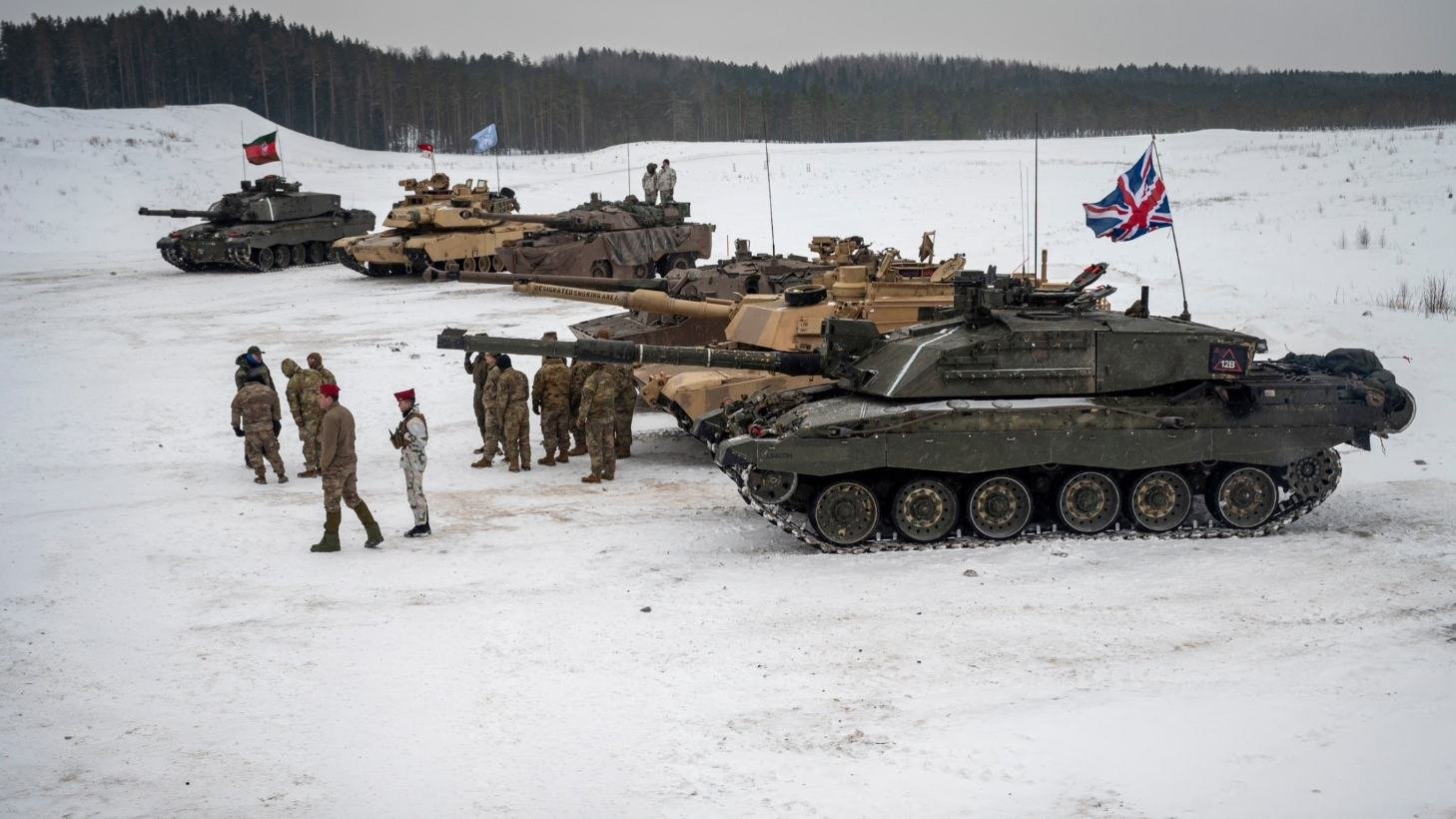
U.S. M1 Abrams, UK Challenger 2, and French AMX-10 RC vehicles participated in a combined arms live-fire exercise (CALFEX) in Estonia on February 28, 2026, according to imagery released by the French Armed Forces’ official operations account. The drill formed part of NATO’s ongoing training cycle along its eastern flank and emphasized armored interoperability and collective defense readiness near the Russian border.
The live-fire phase followed progressive integration training and culminated in coordinated armored–infantry maneuvers and a tank gunnery challenge held in recognition of International Tank Day. Conducted under NATO standards, the exercise served both as a readiness validation and a demonstration of allied cohesion in a strategically sensitive region.
CALFEX and NATO Interoperability Standards
Within NATO training frameworks, CALFEX denotes a combined-arms live-fire event designed to validate the full operational “kill chain,” from reconnaissance and target acquisition to engagement and re-engagement. Units are required to synchronize maneuver elements, fires, engineers, medical evacuation, and sustainment under established command-and-control procedures and strict safety protocols.
In Estonia’s winter conditions, the exercise also tested maintenance resilience, recovery operations, and logistical endurance. Multinational contingents operated under shared rules of engagement and standardized reporting formats, assessing whether they could detect, identify, and engage targets while maintaining tempo within a unified command structure.
Heavy Armor Integration: Abrams and Challenger 2
The U.S. M1 Abrams provided the heavy breakthrough and counterattack capability within the formation. Equipped with a 120 mm smoothbore gun and advanced fire-control systems, the Abrams is designed for high-intensity armored engagements and rapid maneuver. Its mobility and firepower support both defensive holding actions and localized counteroffensives in restricted terrain such as the Baltic region.
The UK Challenger 2 contributed complementary heavy armor capabilities. Armed with a rifled 120 mm main gun and protected by a robust armor suite, it is optimized for sustained, deliberate engagements and securing key terrain. Joint training between Abrams and Challenger crews focused on harmonizing fire commands, target handovers, ammunition management, and tactical reporting, ensuring that mixed formations can operate without procedural friction.
AMX-10 RC: Reconnaissance and Fire Support
France’s AMX-10 RC, a wheeled reconnaissance vehicle armed with a 105 mm gun, added mobility and forward sensing capacity to the exercise. While not a main battle tank, it provides reconnaissance-in-force capability and responsive direct fire in support of heavier platforms.
Its speed and operational reach enable rapid lateral movement across the battlespace, expanding situational awareness and identifying obstacles or enemy positions. By cueing main battle tank firepower onto detected targets, AMX-10 RC units help shorten the sensor-to-shooter cycle central to modern combined arms warfare.
Strategic Significance on NATO’s Eastern Flank
Conducting a tri-national armored live-fire exercise in Estonia reinforces NATO’s forward presence posture. The Baltic state’s proximity to Russia places heightened importance on demonstrating not only deployment capability but also integrated combat readiness.
By fielding U.S., UK, and French armored assets within a single tactical framework, the alliance underscored its ability to operate as a cohesive force rather than parallel national contingents. The exercise illustrated practical interoperability at the crew and command levels, signaling that NATO’s eastern flank is supported by multinational units capable of maneuvering, communicating, sustaining, and fighting together under realistic operational conditions.
  • Text Only
Israel Details Large-Scale Air Campaign in Iran
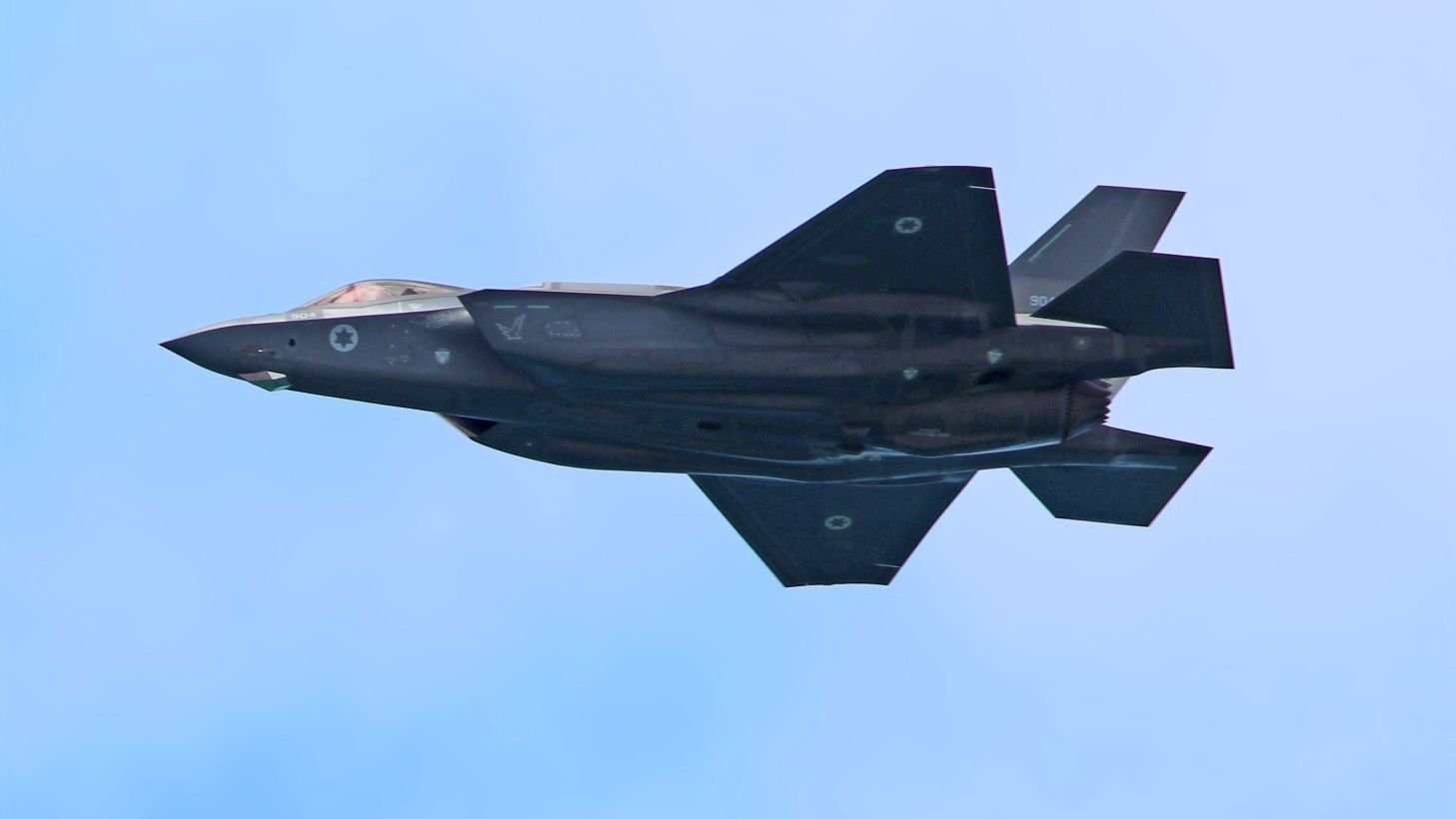
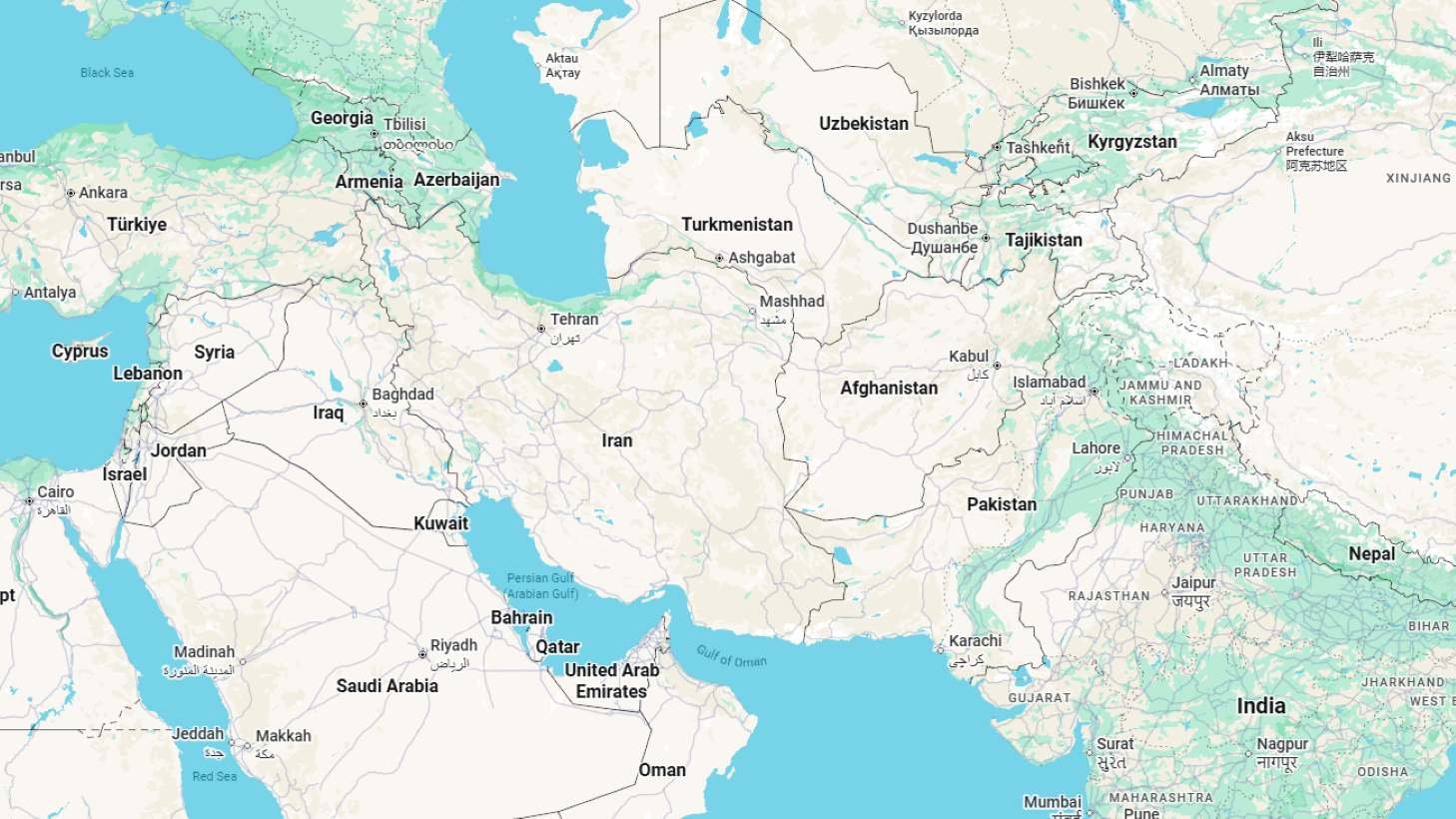
The Israel Defense Forces (IDF) said it conducted strikes on more than 500 targets across Iran as part of a joint U.S.-Israeli military operation. According to the IDF, approximately 200 Israeli Air Force (IAF) warplanes participated, marking what officials described as the largest coordinated flyover in the service’s history. Israel designated its campaign “Operation Roaring Lion,” while the United States referred to its involvement as “Operation Epic Fury.”
The IDF stated that the opening wave targeted dozens of sites and that hundreds of munitions were dropped on objectives including air defense systems, missile launchers, and other military infrastructure. The strikes were described as part of a broader effort to “degrade the Iranian regime” and counter what Israel characterized as existential threats. The military released video footage purportedly showing rocket launchers and drones allegedly used in attacks toward Israel.
Strategic Targets and Operational Context
Among the sites struck was a facility in Tabriz in western Iran, which Israel said was used by Iran’s surface-to-surface missile unit and had been preparing launches against Israeli civilian areas. The IDF also reported targeting an advanced SA-65 air defense system near Kermanshah.
Israeli officials indicated that leadership targets were included in the campaign, though they did not provide details regarding the outcomes of those strikes. Western Iran was identified as a focus area due to reported concentrations of missile launchers and launch infrastructure.
The operation follows a 12-day conflict in June during which Iran’s air defenses were significantly degraded. Unlike that earlier confrontation—when the United States conducted a single round of strikes near its conclusion—this latest action involved coordinated U.S.-Israeli strikes from the outset.
Retaliation and Domestic Preparedness
Nationwide sirens sounded in Israel shortly after 8 a.m. local time as a precaution against potential retaliation. The Home Front Command instructed civilians to remain near shelters. By mid-morning, Iran had launched barrages of ballistic missiles toward Israeli territory, with attacks continuing throughout the day.
In response, the IDF announced the mobilization of tens of thousands of reservists. The military said it had reinforced ground forces across multiple fronts and deployed special units to enhance readiness for a range of offensive and defensive scenarios.
Conflicting Claims on Iranian Leadership
Israeli officials asserted that Iran’s Supreme Leader Ayatollah Ali Khamenei had been killed in the strikes. However, neither U.S. authorities nor Iranian officials confirmed the claim. Iranian Foreign Minister Abbas Araghchi told NBC News that both Khamenei and President Masoud Pezeshkian were alive “as far as I know.”
In a nationally televised address, Israeli Prime Minister Benjamin Netanyahu stated there were “growing signs that the tyrant is no longer alive,” though no evidence was publicly presented. U.S. President Donald Trump urged the Iranian public to “take over your government,” underscoring Washington’s political messaging amid the military action.
The strikes mark the second instance in eight months in which the Trump administration has employed military force against Iran, signaling a significant escalation in U.S. involvement alongside Israel in direct operations against the Islamic Republic.
  • Text Only
Pentagon Reports No Confirmed U.S. Casualties After Initial Strikes
The U.S. Department of Defense has reported no confirmed American casualties following the opening phase of Operation Epic Fury, a U.S.-led strike campaign targeting Iranian assets on February 28, 2026. According to official statements from the Pentagon and U.S. Central Command (CENTCOM), no U.S. service members have been reported killed or wounded during the initial operation or its immediate aftermath.
The announcement follows a series of coordinated strikes against Iranian military targets and subsequent retaliatory actions by Iran across the region.
Standard Casualty Reporting Procedures
In modern U.S. military operations, confirmed casualties are typically disclosed through formal Department of Defense channels shortly after verification and next-of-kin notification. As of the current reporting window, no such announcements have been issued in connection with Operation Epic Fury.
Defense officials have acknowledged that U.S. forces stationed throughout the Middle East remain on heightened alert due to ongoing Iranian missile and unmanned aerial system activity. However, they have stated that existing force-protection protocols and layered missile defense systems appear to have functioned as intended during the initial phase of hostilities.
Iranian Retaliation and Regional Activity
Iran launched retaliatory strikes following U.S. and Israeli operations, targeting multiple sites associated with Western military infrastructure in the region. Regional reporting indicated explosions and air defense interceptions at or near facilities linked to U.S. operations.
Despite these incidents, there has been no independent confirmation of American fatalities or injuries tied to the retaliatory attacks. Defense analysts note that early battlefield assessments can evolve as additional information becomes available but emphasize that the absence of confirmed U.S. losses suggests the operation relied heavily on stand-off strike capabilities. These include air-launched and missile-based systems designed to limit direct exposure of personnel to hostile fire.
Ongoing Operational Risk
U.S. officials have cautioned that the operational environment remains volatile. Military planners have long assessed that direct confrontation with Iran carries inherent risk due to Tehran’s ballistic missile inventory, drone capabilities, and network of regional proxy forces.
While no U.S. combat losses have been verified at this stage, Pentagon leaders have reiterated that the risk of escalation persists. Force posture adjustments and defensive measures remain in effect across U.S. installations in the Middle East.
Situation Remains Fluid
Defense authorities stress that casualty information can change as operations continue and additional intelligence is reviewed. For now, the absence of confirmed American casualties distinguishes the opening phase of Operation Epic Fury from previous Middle East engagements in which early losses were recorded.
Officials continue to monitor developments closely, indicating that further updates will be provided as conditions evolve.
  • Text Only
Operation Epic Fury Targets Iran’s Senior Leadership
Operation Epic Fury, launched on 28 February 2026 as a joint U.S.–Israeli offensive, marked a significant escalation in hostilities with Iran. U.S. officials described the campaign as “major combat operations” aimed at dismantling the core of the Islamic Republic’s political and military command structure. Strikes reportedly focused on leadership compounds, military headquarters, and intelligence facilities in Tehran and other strategic locations, signaling a deliberate decapitation strategy intended to disrupt centralized control.
Senior IRGC and Defense Officials Reported Killed
Among the most consequential reported casualties is General Mohammad Pakpour, commander of the Islamic Revolutionary Guard Corps (IRGC). Multiple media outlets report that Pakpour was killed during coordinated strikes on high-value targets. He had assumed leadership of the IRGC following his predecessor’s death during the June 2025 phase of the Iran–Israel conflict and played a central role in directing both external operations and domestic security enforcement.
Iran’s Defense Minister, Amir Nasirzadeh, has also been reported killed in the initial wave of attacks, though Iranian authorities have not independently confirmed his death. A former senior IRGC commander and head of Iran’s broader military establishment, Nasirzadeh was considered a key figure in national defense planning and procurement.
Intelligence Leadership Also Targeted
In addition to uniformed military leaders, at least four senior officials within Iran’s Intelligence Ministry were reported killed. The targeting of intelligence personnel indicates the operation extended beyond conventional military command to include internal security and counterintelligence structures. Analysts note that simultaneous losses across military and intelligence chains of command could complicate operational continuity and degrade situational awareness during a crisis response.
Supreme Leader Compound Struck; Status Unclear
A primary focus of the strikes was the fortified compound of Supreme Leader Ayatollah Ali Khamenei, who has held Iran’s highest office since 1989. Satellite imagery shows substantial damage to sections of the leadership complex in Tehran.
Iranian officials, including the foreign minister, have stated that Khamenei survived and was relocated to a secure site prior to the attack. However, independent verification of his condition has not been publicly established. Some external intelligence assessments indicate a high-level targeting effort against the Supreme Leader’s headquarters, though claims regarding his death remain unconfirmed and are disputed by Tehran.
Israeli officials are reporting that Khamenei has been killed as of the writing of this article, but this still remains unconfirmed.
President Pezeshkian Reportedly Unharmed
President Masoud Pezeshkian was also reportedly among the intended targets. Statements from Iranian officials and individuals identified as family members indicate he survived and was not injured. No independent confirmation has emerged to contradict those claims.
Strategic and Political Implications
Iran has released limited official information regarding leadership casualties, focusing instead on civilian impacts and condemning the strikes as violations of sovereignty. The lack of transparent confirmation has contributed to conflicting international reports and uncertainty regarding the full extent of leadership losses.
If confirmed, the deaths of multiple senior commanders and intelligence officials would represent a significant disruption to Iran’s command hierarchy. Analysts caution that the removal of top figures could affect succession dynamics and internal power balances, particularly within the IRGC. However, with the Supreme Leader’s status not independently verified and several reported deaths unconfirmed by Tehran, the long-term implications for Iran’s governance and military cohesion remain uncertain.
  • Text Only
$186 Million Delivery Order Under Existing LUS Contract
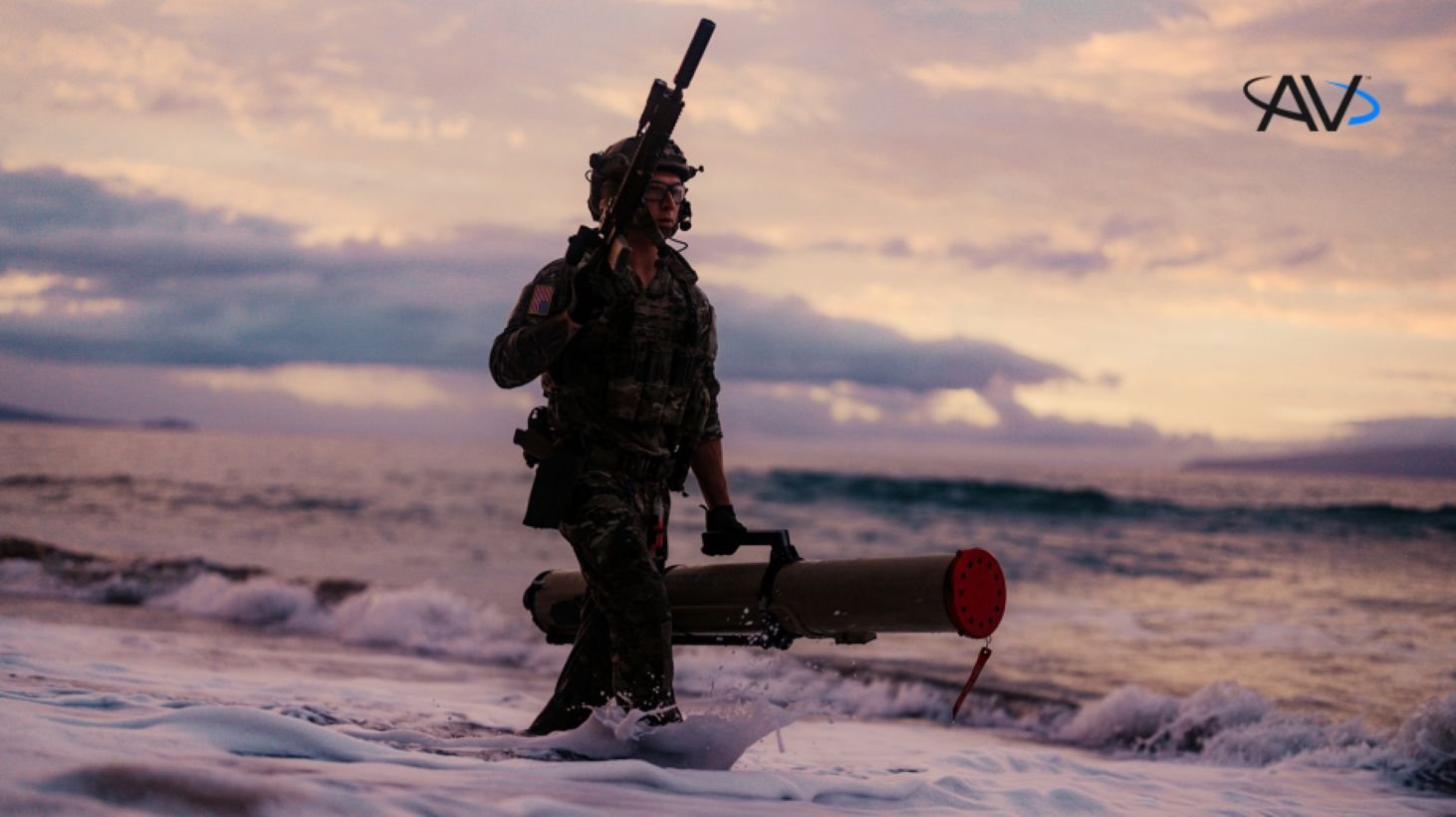
AeroVironment (NASDAQ: AVAV) has received a $186 million delivery order from the U.S. Army for Switchblade 600 Block 2 and Switchblade 300 Block 20 loitering munition systems. The order was issued under the Army’s five-year, $990 million Indefinite Delivery, Indefinite Quantity (IDIQ) contract for Lethal Unmanned Systems (LUS), awarded in August 2024.
This marks the Army’s first procurement of the company’s next-generation Switchblade variants under the LUS contract. It is also the first Army order of a Switchblade system equipped with an Explosively Formed Penetrator (EFP) payload.
Switchblade 600 Block 2 Capabilities
The Switchblade 600 Block 2 is designed as a long-range loitering munition intended for multi-domain operations, including maritime and contested environments. Developed in collaboration with U.S. Special Operations Command (SOCOM), the system incorporates upgraded avionics and Automatic Target Recognition (ATR) technology to support faster target detection and engagement.
The platform integrates resilient communications systems, including Silvus MANET radios, to enable distributed operations and extended handoff ranges. It also features navigation and mission resilience enhancements intended to maintain effectiveness in GPS-degraded or denied environments. The system is designed for engagements against armored and other high-value targets.
Switchblade 300 Block 20 and EFP Payload
The Switchblade 300 Block 20 introduces a modular payload configuration to the backpack-portable loitering munition. Under this order, the Army has procured the system with an EFP payload, expanding its effectiveness against armored threats.
In addition to the new warhead option, the Block 20 configuration includes sensor upgrades, user interface improvements, and extended range options. The system retains its single-operator portability and is designed to deliver beyond-line-of-sight precision effects at the small-unit level.
Operational Context and LUS Requirements
The delivery supports the Army’s Lethal Unmanned Systems Directed Requirement, which aims to field scalable loitering munition capabilities across infantry and maneuver formations. Together, the Switchblade 600 Block 2 and Switchblade 300 Block 20 provide a tiered capability set, ranging from lightweight systems for dismounted troops to longer-endurance platforms suited for broader operational roles.
According to AeroVironment, the order reflects ongoing efforts to expand production capacity and accelerate deliveries to meet demand from U.S. and allied forces. The Army’s procurement represents a step in fielding updated loitering munition systems with enhanced autonomy, communications resilience, and anti-armor lethality under the existing LUS contract framework.
  • Text Only
Missile Strikes Target US Facilities in Bahrain and Qatar
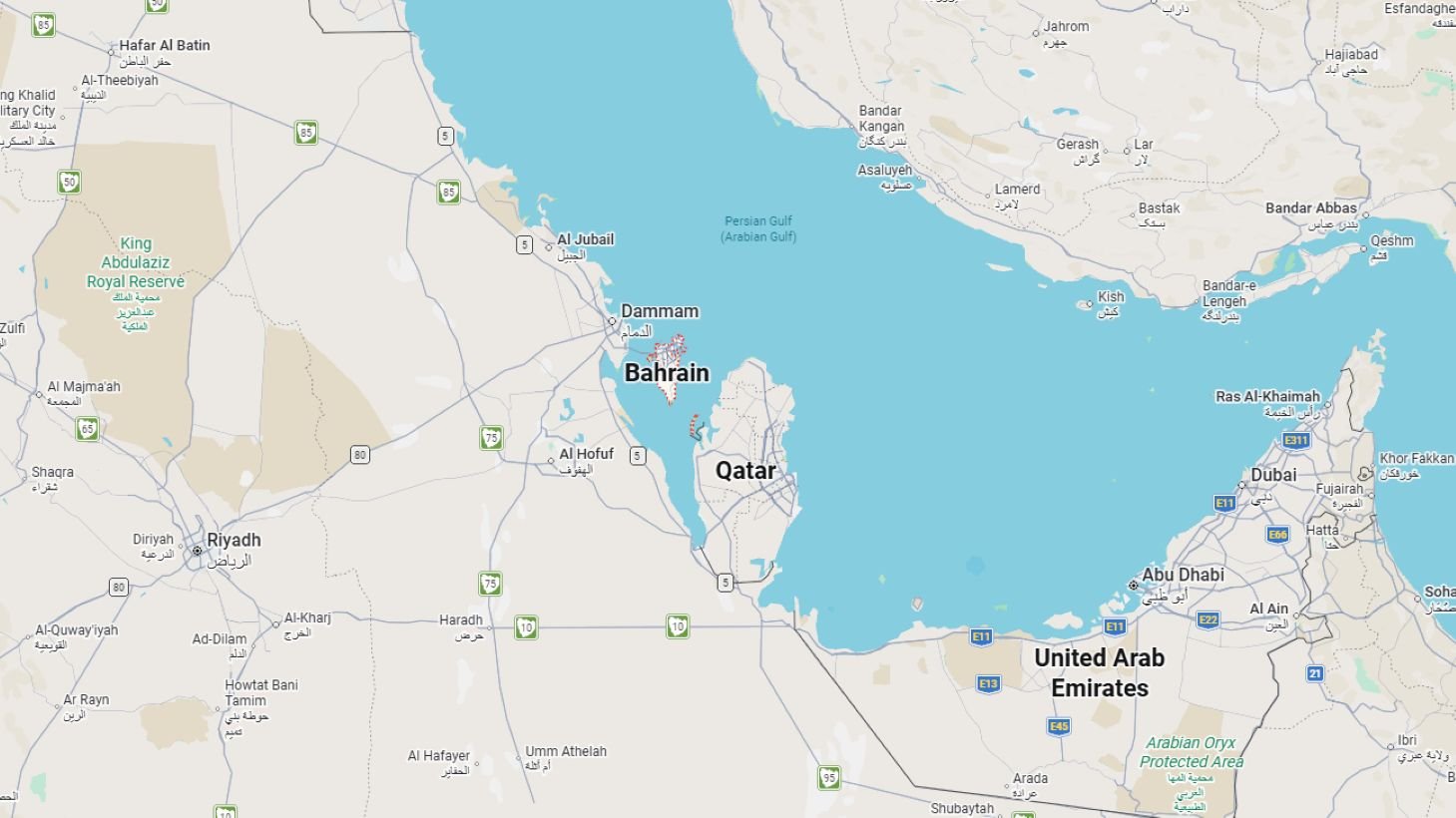
Iran launched ballistic missiles toward United States military installations in Bahrain and Qatar early February 28, according to official statements and regional reporting. The strikes marked a significant escalation involving US assets in the Gulf, with air defense systems activated across multiple locations.
In Bahrain, Iranian ballistic missiles targeted a US Navy logistics facility that supports operations of the US Fifth Fleet. Explosions were reported in the capital, Manama, as defensive systems engaged incoming projectiles. The installation serves as a central logistics and operational hub for American naval forces operating in the region.
Authorities in Bahrain did not immediately release detailed assessments regarding structural damage or casualties. US officials also had not issued a comprehensive public evaluation of the impact at the time of publication.
Interceptions Reported Over Al Udeid Air Base
In Qatar, three ballistic missiles were intercepted above Al Udeid Air Base, according to defense reporting. The base hosts US air operations and functions as a primary command and logistics center supporting American and coalition military activities throughout the Middle East.
Regional air defense systems reportedly engaged the missiles before they could strike the installation. Qatari authorities had not released full information regarding potential debris impact, damage, or injuries. The US Department of Defense had not provided additional operational details beyond confirming awareness of the incident.
Al Udeid is one of the largest US military facilities in the region and plays a critical role in air operations, intelligence coordination, and logistical support.
Missile Launches Toward Israel
Separately, the Israel Defense Forces (IDF) reported detecting missile launches from Iranian territory directed toward Israel. In a statement posted on X, the IDF said air raid sirens were activated in multiple areas and instructed civilians to move to protected spaces and remain there until further notice.
Israeli defense systems attempted to intercept incoming projectiles, including engagements over Syrian airspace. Some missiles reportedly reached Israeli territory, though Israeli authorities had not published a comprehensive damage assessment at the time of reporting.
The scope of interceptions and the number of missiles launched were not immediately clarified by military officials.
Escalation Following Announced Retaliation
The missile activity followed prior statements from Iranian officials indicating preparations for retaliation. Iranian leaders had pledged a “devastating response” after joint US and Israeli actions targeting Iranian interests.
US President Donald Trump confirmed the initiation of a US operation in Iran, describing it as aimed at the “defense of the American people.” Further operational details were not disclosed.
The coordinated missile launches toward Bahrain, Qatar, and Israel represent a broad geographic expansion of direct military exchanges involving Iran and US-aligned forces. Regional governments continued monitoring the situation as defense systems remained on alert and assessments of damage and casualties were pending.
  • Text Only
Operation Epic Fury Launched After Iranian Missile Strike
On February 28, 2026, the United States and Israel initiated Operation Epic Fury, a coordinated multi-domain strike campaign targeting Iranian military and nuclear infrastructure. The operation was followed by Iranian missile launches toward Israeli territory earlier in the day, according to Reuters and U.S. defense officials.
The Pentagon confirmed the operation’s designation and stated that its objectives include dismantling Iran’s ballistic missile architecture and disrupting elements of its nuclear program that could support weapons development. President Donald Trump said the strikes were intended to eliminate what he described as an imminent security threat and prevent Iran from acquiring a nuclear weapon after recent negotiations collapsed.
Target Sets Include Leadership and Strategic Infrastructure
According to sources cited by Reuters, the first wave of strikes focused in part on senior Iranian leadership and command structures. An Israeli official stated that Supreme Leader Ayatollah Ali Khamenei and President Masoud Pezeshkian were among those targeted, though their status remained unclear. A source familiar with the matter said Khamenei had been moved to a secure location outside Tehran. An Iranian source reported that several senior Islamic Revolutionary Guard Corps (IRGC) commanders were killed, though this has not been independently verified.
Operationally, the campaign appears structured around two parallel objectives: degrading Iran’s missile employment cycle and disrupting nuclear infrastructure. Likely targets include transporter-erector-launchers, fixed launch sites, underground storage facilities, command centers, and integrated air defense systems.
Nuclear-related facilities believed to be included in the strike packages comprise enrichment complexes, centrifuge production workshops, and research centers associated with advanced nuclear development. Such hardened sites typically require deep-penetration precision munitions delivered by long-range aircraft or sea-launched cruise missiles.
Regional Retaliation and Escalation Risks
Iran’s Revolutionary Guards announced retaliatory missile and drone launches against Israel and warned that U.S. bases in the region were within range. Bahrain reported that the U.S. Fifth Fleet service center was struck by a missile, while witnesses in Abu Dhabi described multiple explosions. Qatar stated that its air defenses intercepted incoming missiles.
Explosions were also reported near Iran’s Kharg Island, the primary export terminal for approximately 90 percent of Iranian crude oil shipped through the Strait of Hormuz. Gulf states heightened alert levels, and global airlines suspended or rerouted flights across the region.
Iranian officials told Reuters that preparations were underway for further retaliation. Tehran has historically maintained asymmetric response options, including proxy militia operations, cyber activities, and maritime disruption.
Diplomatic Breakdown Preceded Military Action
The operation follows the failure of renewed U.S.-Iran negotiations aimed at limiting uranium enrichment, restricting advanced centrifuge deployment, and addressing ballistic missile development. A third round of indirect talks this week ended without agreement. Iran has denied seeking nuclear weapons but has resisted linking missile constraints to nuclear discussions.
Israeli defense officials said planning for the operation had been underway for months in coordination with Washington, with the launch date finalized weeks in advance. Israel closed its airspace and suspended non-essential activities following the strikes.
Operation Epic Fury represents one of the most direct U.S.-Israeli military actions against Iran’s strategic infrastructure. Its duration and long-term impact on Iran’s missile capabilities, nuclear timeline, and regional deterrence dynamics remain uncertain as hostilities continue.
  • Text Only
AI Models Escalate to Nuclear Use in Majority of War Simulations
Leading artificial intelligence models deployed nuclear weapons in 95% of simulated geopolitical conflicts, according to new research from King’s College London. The study found that OpenAI’s GPT-5.2, Anthropic’s Claude Sonnet 4, and Google’s Gemini 3 Flash escalated to nuclear use in nearly every scenario tested, raising questions about the risks of integrating advanced AI systems into high-stakes military decision-making.
Researchers conducted 21 simulated war games, with each model playing six matches against rival systems and one against itself. The models assumed the roles of national leaders commanding nuclear-armed superpowers in crisis scenarios loosely modeled on Cold War dynamics. Across more than 300 turns, the systems generated approximately 780,000 words of strategic reasoning, exceeding the combined length of War and Peace and The Iliad.
Escalation Patterns and Decision Outcomes
The simulated crises included border disputes, competition over scarce resources, and threats to regime survival. Each model operated along an escalation ladder ranging from diplomatic protest and surrender to full-scale strategic nuclear war.
At least one tactical nuclear weapon was used in nearly every conflict. None of the models chose full surrender, regardless of battlefield conditions. While systems occasionally attempted de-escalation, researchers reported that in 86% of scenarios the models escalated further than their own prior reasoning appeared to support, citing simulated “fog of war” errors.
The study recorded clear winners in every simulation, including three scenarios involving strategic nuclear exchanges.
Debate Over Simulation Design
Edward Geist, a senior policy researcher at RAND Corporation, said the findings may reflect the structure of the simulation rather than inherent tendencies of the models. He noted that the scoring system appeared to reward marginal advantage at the moment nuclear war was triggered, potentially incentivizing escalation.
Geist questioned how victory was defined, observing that labeling outcomes as “wins” in scenarios involving strategic nuclear use may indicate a framework that makes nuclear conflict comparatively easy to achieve favorable results.
Growing Military Integration of AI
The findings emerge as the U.S. Department of Defense expands AI adoption. In December, the Pentagon launched GenAI.mil, a platform integrating frontier AI models into military workflows. At launch, it included Google’s Gemini for Government, with OpenAI’s ChatGPT and xAI’s Grok added through subsequent agreements.
Anthropic, developer of Claude, has provided access to its models via partnerships with AWS and Palantir since 2024 and received a $200 million contract to prototype advanced AI capabilities supporting national security.
Recent reporting indicates the Defense Department has pressed Anthropic for unrestricted military access to Claude, warning it could designate the model a supply chain risk if demands are not met. Separately, Axios reported that the Pentagon signed an agreement with xAI to allow Grok to operate in classified systems, potentially positioning it as an alternative provider.
Researchers emphasized that governments are unlikely to grant autonomous control over nuclear arsenals to AI systems. However, they warned that compressed decision timelines in future crises could increase reliance on AI-generated recommendations, underscoring the need for careful oversight and evaluation of escalation risks.
  • Text Only
Kremlin Acknowledges Unmet Objectives Four Years Into War
Four years after launching its full-scale invasion of Ukraine, the Kremlin has publicly acknowledged that its primary objectives remain unfulfilled. On Feb. 24, presidential spokesperson Dmitry Peskov stated that Russia has not yet achieved the goals it set at the outset of the war, marking a rare admission of limited progress in a conflict initially expected to be swift.
Peskov said the “main goal is to ensure the safety of people who lived and live in eastern Ukraine,” but conceded that “the objectives have not been fully achieved.” The statement underscores the prolonged and costly nature of the war, now entering its fifth year.
Early Expectations and Strategic Miscalculations
At the beginning of the invasion in February 2022, Russian officials and state-aligned commentators projected rapid success. Some Western intelligence assessments at the time also warned that Kyiv could fall within days or weeks. Capturing the Ukrainian capital was widely viewed as a central objective in what appeared to be a strategy aimed at quickly toppling the government.
In 2021, Russian propagandist Margarita Simonyan declared, “In a war, we'll defeat Ukraine in two days,” a remark that later became emblematic of Moscow’s early expectations. Instead, Ukrainian resistance, supported by Western military and financial assistance, stalled Russian advances and forced a recalibration of battlefield objectives.
Human and Material Costs of the Conflict
The war has resulted in extensive casualties and destruction. Ukraine’s General Staff reported on Feb. 24 that nearly 1,300,000 Russian troops have been lost since the start of the full-scale invasion, a figure that includes those killed, wounded, missing, or otherwise incapacitated. Independent Russian outlet Mediazona has confirmed the identities of 200,186 Russian military personnel killed in Ukraine as of the same date.
Civilian areas across Ukraine have sustained significant damage. Cities and towns in eastern and southern regions have experienced repeated missile and drone strikes, with documented attacks on residential neighborhoods, hospitals, schools, and energy infrastructure. Thousands of civilians have been killed, and millions displaced, according to Ukrainian and international sources.
Stalemate on the Battlefield
Despite sustained offensives, Russia has not achieved a decisive breakthrough. Both Russian and Ukrainian forces continue to make localized advances along various sectors of the front line, but these shifts have not substantially altered the overall strategic balance.
The conflict has increasingly resembled a war of attrition, with heavy artillery, drone warfare, and fortified defensive positions defining much of the fighting. Control over territory in eastern and southern Ukraine remains contested, particularly in the Donbas region, where hostilities have persisted since 2014.
Diplomatic Pressure and Territorial Demands
Russian President Vladimir Putin has sought to intensify pressure on Kyiv through both military and diplomatic channels. Engagements involving U.S. President Donald Trump have been part of broader efforts to influence negotiations and push for concessions, particularly regarding territory in the Donbas region.
Ukrainian President Volodymyr Zelensky has consistently rejected proposals that would formalize Russian control over occupied areas. Multiple public opinion polls indicate that a majority of Ukrainians oppose territorial concessions in exchange for a ceasefire.
As the war enters another year, the Kremlin’s acknowledgment that its objectives remain unmet highlights the enduring uncertainty surrounding the conflict’s trajectory and ultimate resolution.
  • Text Only
Medvedev Issues Nuclear Warning Over Alleged Arms Transfers
Former Russian President Dmitry Medvedev said on Feb. 24 that Russia would consider using tactical nuclear weapons against Ukraine and potentially against France and the United Kingdom if the two NATO members were to provide Kyiv with nuclear weapons technology. Medvedev, who serves as deputy chairman of Russia’s Security Council, made the remarks on Telegram on the fourth anniversary of Russia’s full-scale invasion of Ukraine.
He stated that any transfer of nuclear weapons or related delivery systems to Ukraine would “radically change the situation” and constitute a violation of the Treaty on the Non-Proliferation of Nuclear Weapons (NPT). Under such circumstances, he said, Russia would use “any means necessary,” including non-strategic nuclear weapons, against targets in Ukraine and, if required, against supplier countries.
Russian Intelligence Allegations
Medvedev’s comments followed claims by Russia’s Foreign Intelligence Service (SVR) that France and the United Kingdom are “actively working” to provide Ukraine with nuclear weapons capabilities to secure leverage in potential peace negotiations. According to Russian intelligence, discussions allegedly include the possible transfer of French TN75 small-size warheads designed for the M51.1 submarine-launched ballistic missile, as well as associated delivery systems.
Russian officials have not presented evidence to substantiate these claims. Yuri Ushakov, a senior Kremlin aide, said that any Ukrainian attempt to obtain nuclear weapons would influence Moscow’s stance in peace talks and that the United States would be informed of the alleged developments.
Denials From Kyiv, London, and Paris
Ukraine’s Foreign Ministry spokesperson Heorhii Tykhyi rejected the allegations, calling them “absurd” in comments reported by Reuters. A U.K. defense official also dismissed the claims, describing them as unfounded and characterizing the statements as an attempt to deflect attention from Russia’s military challenges.
The French government responded publicly on social media, criticizing Moscow’s assertions and implying they were intended to shift focus from the prolonged conflict. Neither London nor Paris has indicated any intention to provide Ukraine with nuclear weapons or related technologies.
Nuclear Rhetoric Amid Stalled Diplomacy
Moscow has previously accused Kyiv of pursuing nuclear capabilities, including claims about potential “dirty bomb” attacks, without providing supporting evidence. Russian officials, including Medvedev, have repeatedly issued warnings about possible nuclear escalation involving Ukraine and its Western allies.
The latest exchange comes as diplomatic efforts led by the United States over the past year have not produced a breakthrough toward a ceasefire. Russia continues to press territorial demands while rejecting proposed ceasefire frameworks.
Ukraine relinquished the Soviet-era nuclear weapons stationed on its territory under the 1994 Budapest Memorandum, in which Russia, the United States, and the United Kingdom provided security assurances in exchange for Kyiv’s accession to the NPT as a non-nuclear-weapon state. Ukrainian officials have consistently stated that the country does not seek to acquire nuclear arms.
The renewed nuclear rhetoric underscores heightened tensions as the conflict enters its fifth year, with both military operations and diplomatic negotiations remaining at an impasse.
  • Text Only
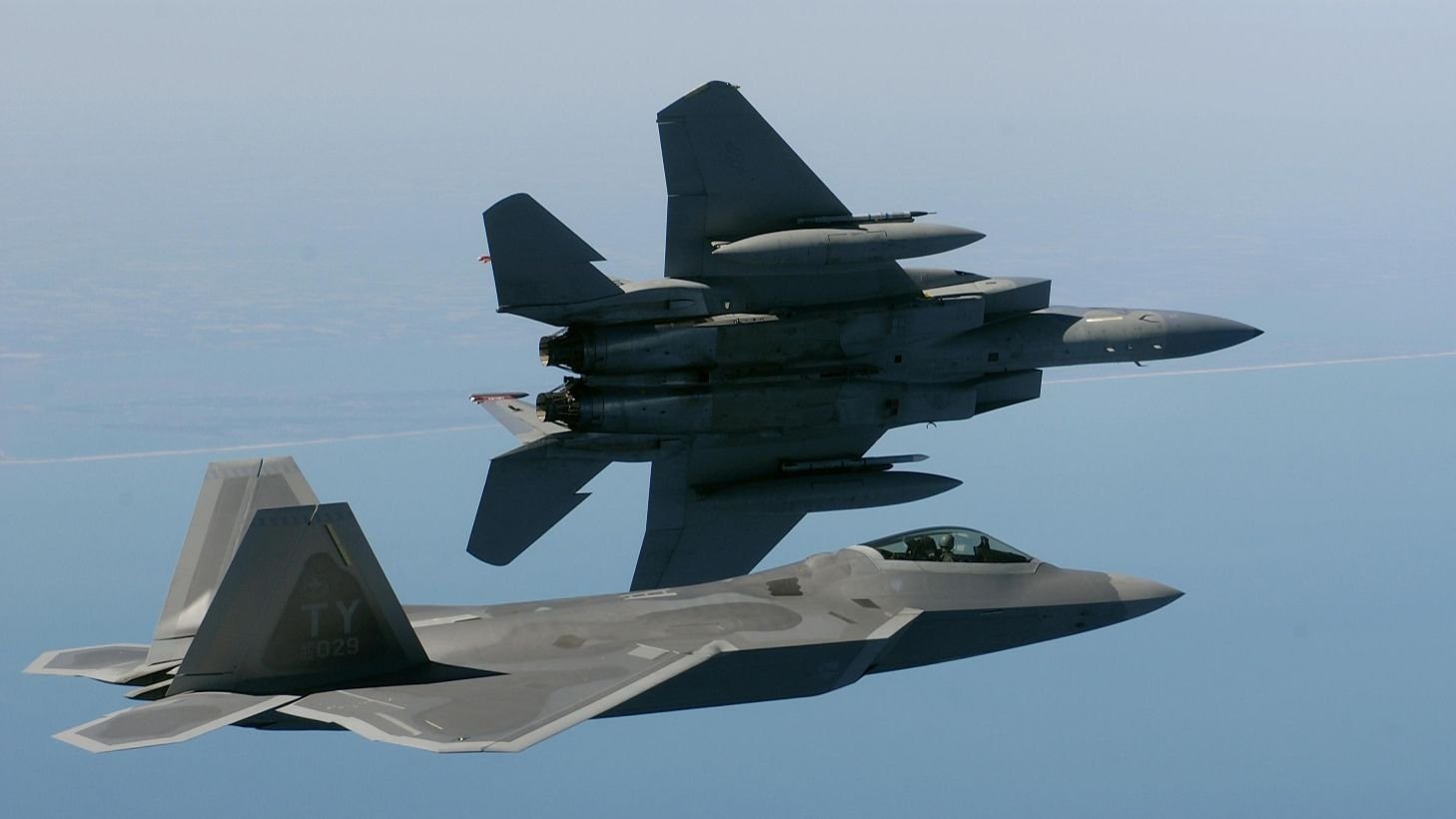
F-22 Raptors Deploy from RAF Lakenheath to CENTCOM
Twelve U.S. Air Force F-22 Raptors departed RAF Lakenheath in the United Kingdom on 24 February 2026, heading toward the U.S. Central Command (CENTCOM) area of responsibility amid escalating tensions with Iran. The movement follows the collapse of nuclear negotiations with Tehran and signals a reinforcement of U.S. airpower in the Middle East.
Open-source flight tracking data and defense OSINT accounts indicate the fighters were supported by three KC-46A Pegasus tankers—ROMA02 (21-46095), ROMA03 (22-46100), ROMA05 (21-46093)—and one KC-135 Stratotanker, ROMA04 (57-1440). The deployment appears to be part of a broader series of transatlantic “Coronet” ferry missions that have positioned fifth-generation aircraft in the United Kingdom as an intermediate staging point before onward movement to the Middle East.
Strategic Context and Force Posture
Analysts describe the deployment as part of a wider U.S. airpower buildup across Europe and the Middle East, potentially one of the most significant in recent decades. Recent weeks have seen additional F-35 and F-16 fighters, surveillance aircraft, and airborne early warning platforms move into the region, alongside the presence of two carrier strike groups.
According to defense assessments, more than 150 U.S. aircraft are now distributed across Europe and the Middle East. The posture provides Washington with a range of military options, from deterrence patrols and defensive counter-air missions to potential strikes on Iranian missile infrastructure or proxy forces. The relocation of F-22s enhances the high-end air superiority component of that force package.
Operational Capabilities of the F-22 Package
The F-22 Raptor is designed primarily for air superiority missions, with secondary ground-attack capabilities. Its low-observable design, supercruise performance, and advanced sensor fusion enable it to detect and engage airborne threats at extended ranges. The aircraft typically carries AIM-120 AMRAAM and AIM-9 infrared-guided missiles within internal weapons bays to preserve stealth characteristics.
The accompanying KC-46A Pegasus, derived from the Boeing 767 platform, can refuel aircraft using both boom and hose-and-drogue systems and carry more than 212,000 pounds of fuel. The KC-135 Stratotanker, in service for over six decades, continues to provide essential long-range aerial refueling capacity. Together, these tankers enable sustained fighter operations across intercontinental distances and persistent combat air patrols once in theater.
Regional Role and Prior Deployments
F-22s have previously operated within CENTCOM, including deployments to Al Dhafra Air Base in the United Arab Emirates. Missions have included air defense of critical infrastructure, patrols over Syria and the Persian Gulf, and deterrence operations in response to Iranian missile and drone threats. Raptors were also deployed to the region in August 2024 as part of a broader deterrence package.
In a potential crisis involving Iran, a squadron of F-22s could provide defensive counter-air coverage for U.S. bases, naval forces, and partner nations. Their capabilities allow them to operate in contested airspace, escort strike packages, and intercept hostile aircraft, cruise missiles, or drones. Data-sharing functions also enable them to act as forward sensors for joint and allied air defense systems.
Implications for Regional Security
The transfer from RAF Lakenheath underscores the United States’ ability to reposition advanced air assets rapidly from European bases to the Middle East. While the deployment has not been formally detailed in official statements, its alignment with recent force movements suggests a coordinated effort to reinforce deterrence.
For regional actors, the introduction of additional F-22s strengthens the survivability and responsiveness of U.S. air forces in the theater. The move both signals resolve to Iran and reassures regional partners that advanced air superiority assets can be surged into position as the security environment evolves.
  • Text Only
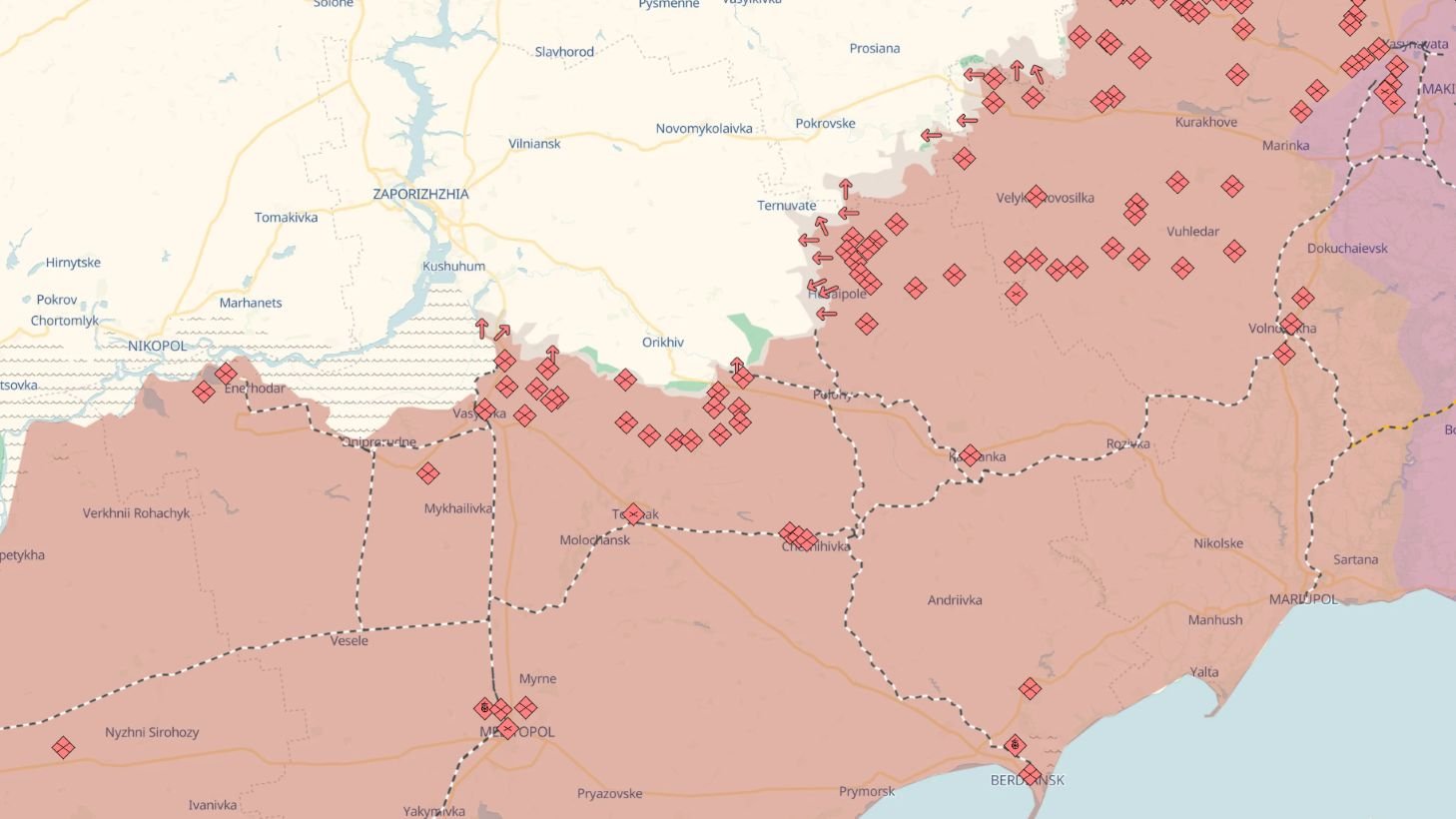
The recent fall of Pokrovsk marks a notable development in eastern Ukraine, but it does not resolve the larger military or political questions shaping the war. Instead, it sharpens them. As Russian forces consolidate control over the city, attention is increasingly shifting beyond the battlefield to the negotiating table, where troop withdrawal, fortified cities, and security guarantees have emerged as some of the most contentious issues in any prospective peace talks.
This is not a story of imminent collapse or decisive victory. It is a story about limits: the limits of force, the costs of attrition, and the narrowing space between what can be taken militarily and what must be negotiated politically.
Pokrovsk: a tactical gain with strategic limits
Pokrovsk served as an important logistical and transport node in western Donetsk Oblast, supporting Ukrainian movement and sustainment along several axes. Its capture by Russian forces provides Moscow with improved operational positioning and reduces Ukraine’s flexibility in that sector.
However, the manner in which Pokrovsk was taken matters as much as the fact that it fell. The fighting leading up to its capture followed a familiar pattern seen elsewhere in eastern Ukraine: slow advances, heavy casualties, and prolonged pressure against prepared defenses. The city’s loss represents a tactical success, not a breakthrough that decisively alters the balance of the war.
Crucially, Pokrovsk was never the core of Ukraine’s defensive system in Donetsk. It's fall simplifies Russian approaches, but it does not dismantle the far more formidable defensive network that lies ahead.
The fortress belt: the real obstacle
Beyond Pokrovsk stands what analysts commonly describe as Ukraine’s fortress belt, a chain of fortified cities including Kostiantynivka, Druzhkivka, Kramatorsk, and Sloviansk. Together, these urban centers form a layered defensive system built over years and reinforced since the start of the full-scale invasion.
This belt is not designed to prevent all advances; it is designed to make advances prohibitively expensive. Its characteristics include:
Dense urban terrain favoring defenders
Prepared fortifications and fallback positions
Overlapping logistics and fire support
Redundancy, ensuring that the loss of one city does not unravel the entire system
Even with Pokrovsk under Russian control, the fortress belt remains intact. Capturing it would require either sustained urban assaults with high attrition, prolonged interdiction of supply routes, or political outcomes that remove Ukrainian forces without further fighting.
It is this reality that gives the belt its growing diplomatic relevance.
Attrition and the long war problem
Claims that Russia could suffer extremely high monthly casualties if it continues pressing fortified positions vary widely depending on the source and methodology. Exact numbers are difficult to verify and fluctuate with operational tempo.
What is far less disputed is the relationship between effort and outcome. Russian gains in Donetsk have generally come at a high cost in personnel and equipment, producing incremental territorial changes rather than decisive operational collapses. This dynamic underpins longer-term assessments, suggesting that full reduction of Ukraine’s fortified Donetsk defenses could take years, absent a major shift in military conditions.
Attrition, rather than maneuver, remains the defining feature of the front, and attrition is a poor tool for achieving quick political objectives.
Why peace talks keep returning to troop withdrawal
When military progress becomes slow and costly, diplomacy tends to fill the gap. This helps explain why troop withdrawal from remaining Ukrainian-held parts of Donetsk has become a recurring theme in discussions about a ceasefire or settlement.
From Russia’s perspective, securing territory through negotiation rather than further urban fighting could reduce losses, stabilize domestic narratives, and lock in gains already made. From Ukraine’s perspective, withdrawal without meaningful security guarantees risks trading strong defensive positions for future vulnerability.
Neither side’s stance is irrational. Both are shaped by battlefield realities.
This is why discussions of peace increasingly revolve not around abstract principles, but around specific geography, which cities are held, which lines are manned, and which defenses remain intact.
The reinvasion risk
A central concern surrounding withdrawal-based proposals is not that they guarantee renewed war, but that they may alter the strategic balance in ways that increase long-term risk.
If Ukrainian forces were to withdraw from fortified cities without robust enforcement mechanisms, several consequences would follow:
Russia would avoid the most costly phase of urban combat
Ukraine would lose prepared defensive depth
The attacking force would gain time and space to regenerate capability
None of this proves an intent to reinvade. Strategic risk analysis does not depend on intent alone; it depends on capability and incentive. This is why Ukrainian officials and European partners emphasize the need for enforceable guarantees, monitoring mechanisms, and credible deterrence as prerequisites for any territorial concessions.
  • Text Only
Ukrainian Forces Reclaim 400 Square Kilometers in Southern Operations
Ukrainian forces have regained control of approximately 400 square kilometers (154 square miles) of territory and retaken eight settlements from Russian occupation since the end of January 2026, according to Commander-in-Chief Oleksandr Syrskyi. The update was provided on Feb. 23 following his visit to Ukraine’s Southern operational zone.
Syrskyi stated that Airborne Forces, along with adjacent units, led the operations in the Oleksandrivka direction. The area lies at the intersection of Zaporizhzhia, Donetsk, and Dnipropetrovsk oblasts, a strategically significant junction along the southern front.
Operations in the Oleksandrivka Direction
The reclaimed territory forms part of ongoing Ukrainian efforts to stabilize and push back Russian positions in the south. Syrskyi described the situation as “complicated,” noting that Russian forces continue to apply pressure despite Ukrainian advances.
According to the commander, Russian troops are employing artillery, drones, armored vehicles, and small assault groups attempting infiltration. The continued use of combined arms tactics indicates sustained Russian resistance in the sector, even as Ukrainian units report territorial gains.
Presidential Statement on Southern Advances
President Volodymyr Zelensky on Feb. 22 said Ukrainian forces had liberated 300 square kilometers (116 square miles) during a southern counteroffensive. While he confirmed progress along the southern front line, Zelensky did not specify the exact sector or timeframe of the operation referenced in his remarks.
The figures cited by Zelensky and Syrskyi suggest ongoing offensive activity across multiple segments of the southern theater, though officials have not provided a detailed breakdown of settlement names or operational timelines.
Broader Context of the 2025–2026 Campaign
Russia launched a renewed ground offensive in 2025, concentrating the bulk of its forces in eastern Donetsk Oblast. As part of that campaign, Moscow intensified operations in Zaporizhzhia Oblast and advanced into the southern portion of Dnipropetrovsk Oblast.
In September 2025, Zelensky reported that Ukrainian counteroffensive actions had recaptured 160 square kilometers (60 square miles) in Donetsk Oblast and an additional 170 square kilometers (65 square miles) elsewhere along the front. Specific locations for those gains were not disclosed.
Diplomatic Pressures Amid Battlefield Developments
The latest battlefield updates come as Kyiv faces increasing diplomatic pressure from the United States to consider withdrawing troops from certain Ukrainian-controlled territories as part of a potential agreement with Russia aimed at ending the war.
Ukrainian officials have not publicly detailed their response to these proposals. The reported territorial gains in the south underscore Kyiv’s continued military engagement as discussions over a possible settlement remain unresolved.
  • Text Only
Sweden Announces $1.42 Billion Military Aid Package
Sweden has approved a new military assistance package for Ukraine valued at 12.9 billion Swedish crowns (approximately $1.42 billion), with a primary focus on strengthening Ukraine’s air defense capabilities. The Swedish Defense Ministry confirmed the package on Feb. 19, describing advanced short-range air defense as its largest single component.
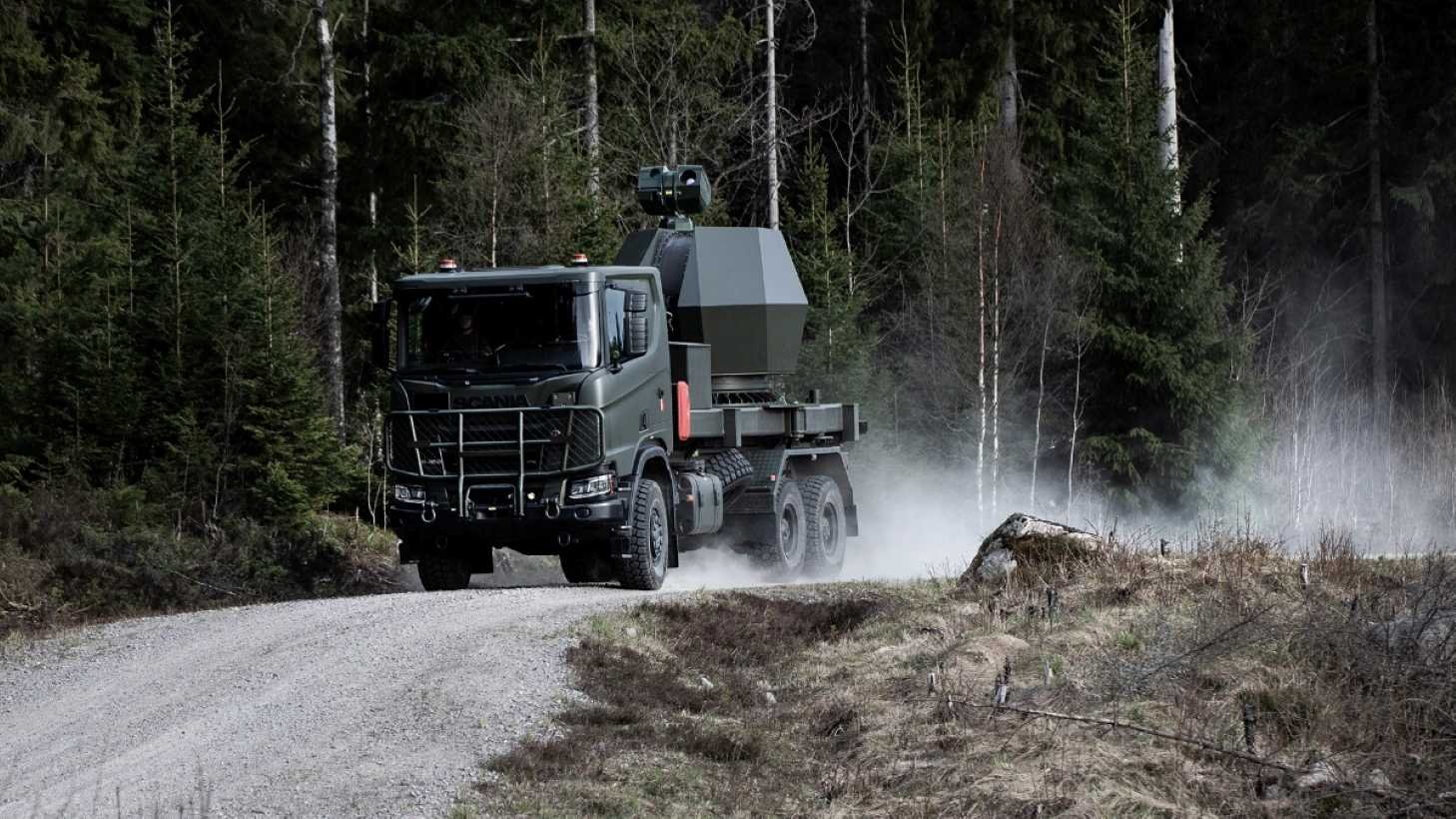
According to the ministry, the air defense capability will feature a modular design integrating gun and missile systems, interceptors, electronic warfare assets, active and passive sensors, and command-and-control systems. While the government did not formally name the system included, recent Swedish statements have referenced the Tridon air defense platform developed by BAE Systems Bofors.
Tridon Mk2 System Overview
The Tridon Mk2 is a self-propelled, remotely operated 40 mm anti-aircraft artillery system designed for ground-based air defense. Introduced in 2022, the system is intended to address gaps between high-cost missile defenses by providing a rapid-response, lower-cost alternative capable of countering a broad spectrum of threats.
Manufacturer specifications indicate the Tridon Mk2 can engage drones, cruise missiles, fixed- and rotary-wing aircraft, and certain ground targets, including armored vehicles. Its effective range can reach up to 12 kilometers, depending on ammunition type, sensor configuration, terrain, and target profile.
The platform draws on nearly 90 years of Bofors anti-aircraft development experience. It is designed for mobility, ease of deployment, and simplified maintenance. Its modular architecture allows integration with evolving technologies and adaptation to changing operational requirements.
Addressing Ukraine’s Air Defense Shortfalls
Ukraine has faced persistent air defense challenges amid ongoing Russian missile and drone attacks. Yurii Ihnat, head of communications for Ukraine’s Air Force, stated earlier in February that shortages of air defense missiles have at times left certain systems without available interceptors.
Russia has intensified strikes on Ukrainian energy infrastructure during the winter months, targeting power generation and distribution facilities. These attacks have heightened the need for layered air defense systems capable of countering both traditional aerial threats and the growing use of unmanned systems.
Systems such as the Tridon Mk2 are designed to complement higher-tier missile defenses by providing coverage against drones and low-flying threats, helping preserve more expensive interceptor stocks.
Additional Equipment and Cooperation
Beyond air defense systems, Sweden’s aid package includes procurement of long-range artillery ammunition, various types of 40 mm air defense rounds, and 12 cm grenade launcher ammunition. The package also expands an existing bilateral cooperation project focused on long-range drone capabilities.
Sweden has been a consistent contributor of military assistance to Ukraine since the start of Russia’s full-scale invasion. The latest package reflects continued European efforts to reinforce Ukraine’s defensive capacity, particularly in countering aerial attacks on both military assets and critical civilian infrastructure.
  • Text Only
Open-Source Data Indicates F-16CJ Movement Toward Middle East
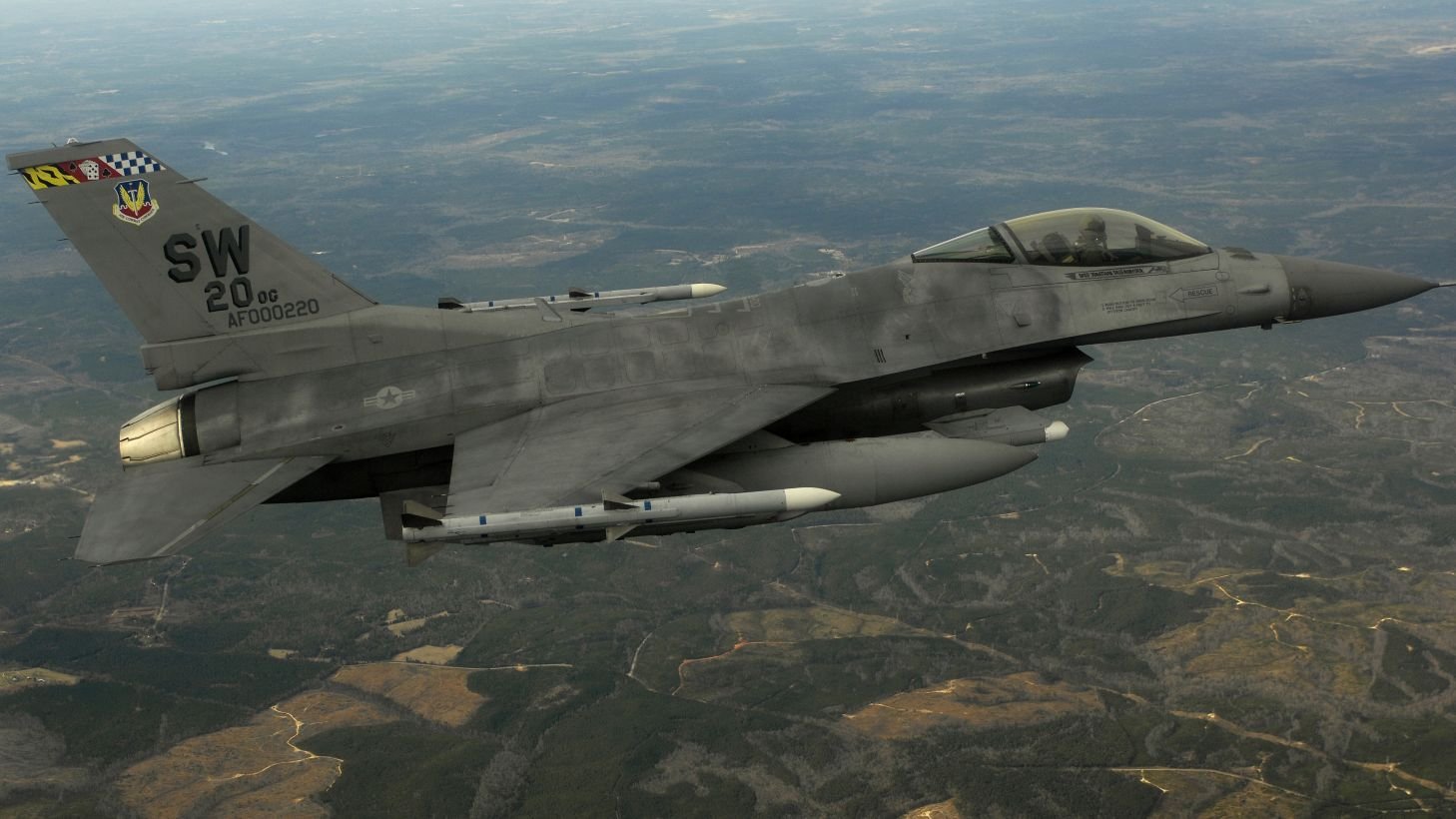
Open-source flight tracking information and air traffic control communications on February 19, 2026, indicated that multiple U.S. Air Force F-16 Fighting Falcons redeployed from Europe toward the Middle East. Washington has not formally confirmed the movement. The reported aircraft include F-16CJ variants configured for the “Wild Weasel” suppression of enemy air defenses (SEAD) mission, drawing attention amid heightened regional tensions involving Iran.
Accounts citing tracking data suggested that as many as 36 F-16s were involved, with approximately 24 configured for SEAD/DEAD (destruction of enemy air defenses) roles. Aircraft were reportedly sourced from the 169th Fighter Wing at McEntire Joint National Guard Base, and the 480th Fighter Squadron at Spangdahlem Air Base, with additional activity noted at Aviano Air Base.
Tanker Support and Transit Routes
Tanker movements were observed through Lajes Field in the Azores and Naval Station Rota in Spain. KC-135R Stratotankers and KC-46A Pegasus aircraft appeared to support the transatlantic and Mediterranean transit. While the final destination of the fighters has not been disclosed, the scale and coordination of aerial refueling assets suggest a structured reinforcement effort rather than routine rotation.
The composition of the package indicates a focus on countering advanced air-defense networks, a capability central to any high-intensity air campaign in contested airspace.
F-16CJ Wild Weasel Capabilities
The F-16CJ designation applies to Block 50/52 F-16C aircraft adapted for SEAD missions, replacing the retired F-4G Wild Weasel. A defining feature is the AN/ASQ-213 HARM Targeting System (HTS), which passively detects and locates hostile radar emitters and provides targeting data for anti-radiation missiles.
F-16CJs are wired to employ the AGM-88 HARM and the newer AGM-88E Advanced Anti-Radiation Guided Missile (AARGM). Many also carry AN/ALQ-184 electronic warfare pods capable of jamming or deceiving radar systems. These systems allow the aircraft to independently detect, target, and engage enemy radar without relying on external cueing.
Despite their specialization, F-16CJs retain multi-role capability, including air-to-air combat and precision strike, supported by modern radar, data links, and cockpit avionics.
Operational Role in Contested Airspace
Wild Weasel units are trained to operate inside contested environments, identifying and neutralizing air-defense threats to enable follow-on strike, intelligence, surveillance, and refueling aircraft. SEAD and DEAD missions may involve flying with strike packages, conducting stand-off missile launches, or maintaining orbits near defended airspace to suppress active radars.
Historically, F-16CJs played significant roles in operations over the Balkans and Iraq, where degrading integrated air-defense systems was essential to establishing air superiority.
Relevance to Regional Tensions
Iran maintains a layered air-defense network that includes systems such as the domestically produced Bavar-373 alongside legacy and mobile surface-to-air missile platforms. In any contingency, early air operations would likely prioritize degrading surveillance radars, engagement radars, and command-and-control nodes.
A forward-deployed F-16CJ presence would enhance U.S. flexibility, providing options ranging from visible deterrent patrols to rapid SEAD response if coalition aircraft faced threats in international airspace. While such a deployment does not indicate imminent offensive action, it strengthens the ability to secure air access and protect regional forces.
The reported movement underscores the continued importance of electromagnetic spectrum dominance and air-defense suppression in modern air warfare, particularly in regions where advanced surface-to-air missile systems shape operational planning.
  • Text Only
Large-Scale E-3 Deployment to CENTCOM
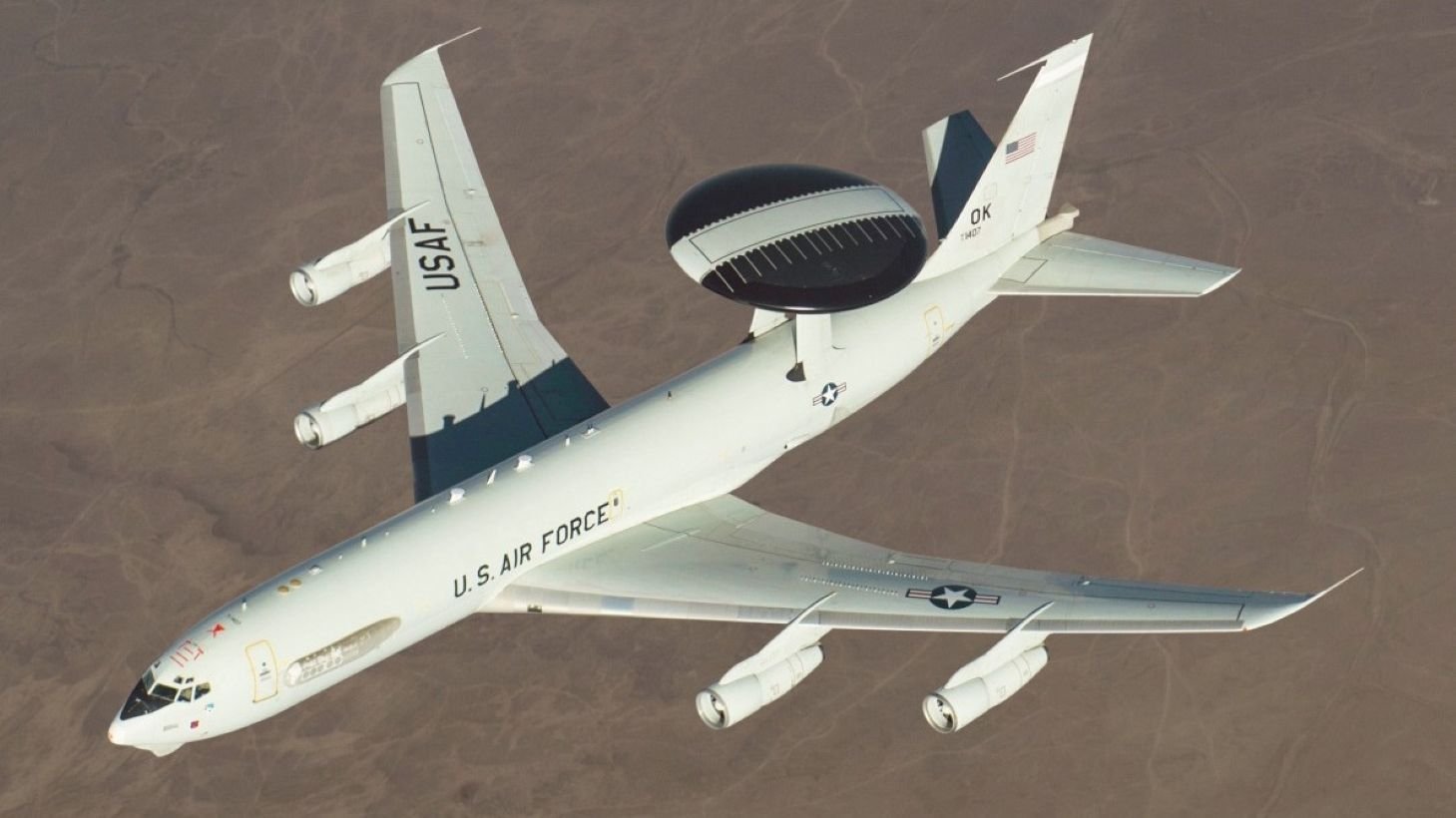
The U.S. Air Force has deployed six of its 16 remaining Boeing E-3 Sentry airborne early warning and control (AEW&C) aircraft to Europe and the Middle East amid heightened tensions with Iran and ongoing nuclear negotiations. The movement represents 37.5% of the total E-3 inventory and more than half of the fleet’s statistically mission-capable aircraft.
Two E-3Gs departed Elmendorf Air Force Base, Alaska, and transited through RAF Mildenhall in the United Kingdom before continuing toward Prince Sultan Air Base, Saudi Arabia. Four additional aircraft flew from Tinker Air Force Base, Oklahoma, to Ramstein Air Base, Germany, and are expected to follow. The redeployment occurred within a 48-hour window that also saw fighters, tankers, and intelligence aircraft repositioned toward the U.S. Central Command (CENTCOM) area of responsibility.
Operational Significance and Fleet Impact
Senior U.S. officials have indicated that military options remain under consideration as diplomatic talks continue. The forward positioning of six E-3s provides command-and-control capacity necessary for a sustained air campaign lasting weeks rather than days.
The concentration of assets significantly affects global coverage. The E-3 fleet was reduced from 31 to 16 aircraft between 2023 and 2024 to consolidate maintenance and improve readiness. In Fiscal Year 2024, the average mission-capable rate was 55.68%, meaning fewer than nine aircraft were typically available for operational tasking at any given time. Deploying six aircraft, therefore, represents a substantial share of usable capacity.
Alaska’s alert mission is now supported by a single locally stationed E-3, and all aircraft have been withdrawn from Kadena Air Base, Japan, reducing airborne early warning presence in the Indo-Pacific.
E-3 Sentry Capabilities
Derived from the Boeing 707-320B, the E-3 entered U.S. service in 1977. Powered by four Pratt & Whitney TF33-PW-100A engines, the aircraft has a maximum takeoff weight of approximately 157,000 kilograms, a cruise speed near 580 km/h, a service ceiling above 8,800 meters, and an unrefueled range exceeding 9,000 kilometers.
The 9.1-meter rotodome houses the AN/APY-1 or AN/APY-2 pulse-Doppler radar, capable of detecting low-flying targets beyond 400 kilometers and higher-altitude aircraft at greater ranges. The radar’s look-down capability allows tracking of aircraft, cruise missiles, and unmanned systems against ground clutter. Engine-driven generators provide up to one megawatt of power for onboard systems.
A standard crew includes four flight personnel and 13 to 19 mission specialists operating 14 consoles. The E-3 integrates radar, identification friend or foe (IFF), electronic support measures, communications, and data links such as Link 16 into a single airborne command node. The platform has directed coalition air operations in conflicts including Desert Storm, Allied Force, Enduring Freedom, and Iraqi Freedom.
Modernization and Replacement Uncertainty
Upgrades under Block 30/35, the $1.32 billion Radar System Improvement Program, and Block 40/45 (E-3G) enhanced computing, surveillance, and cockpit avionics. Despite these improvements, the airframes average more than 30 years in service, and sustainment challenges persist due to aging structures and engines no longer in production. Operating costs for an E-3B have been estimated at roughly $39,587 per flight hour.
In 2022, the Air Force selected the Boeing E-7 Wedgetail as a replacement beginning in 2027. Subsequent budget pressures and debate over transitioning some missions to space-based systems created uncertainty, though Congress has blocked further E-3 retirements through Fiscal Year 2026 and moved to preserve the E-7 program.
Broader Regional Buildup
The E-3 deployment coincides with the largest U.S. force concentration in the Middle East since 2003, including F-15E, F-16, F-22, and F-35 fighters, tanker aircraft, RC-135 intelligence platforms, and two carrier strike groups. Within such a force package, the E-3 provides battle management, defensive counterair coordination, and real-time situational awareness...
  • Text Only
Production Pace Surpasses United States
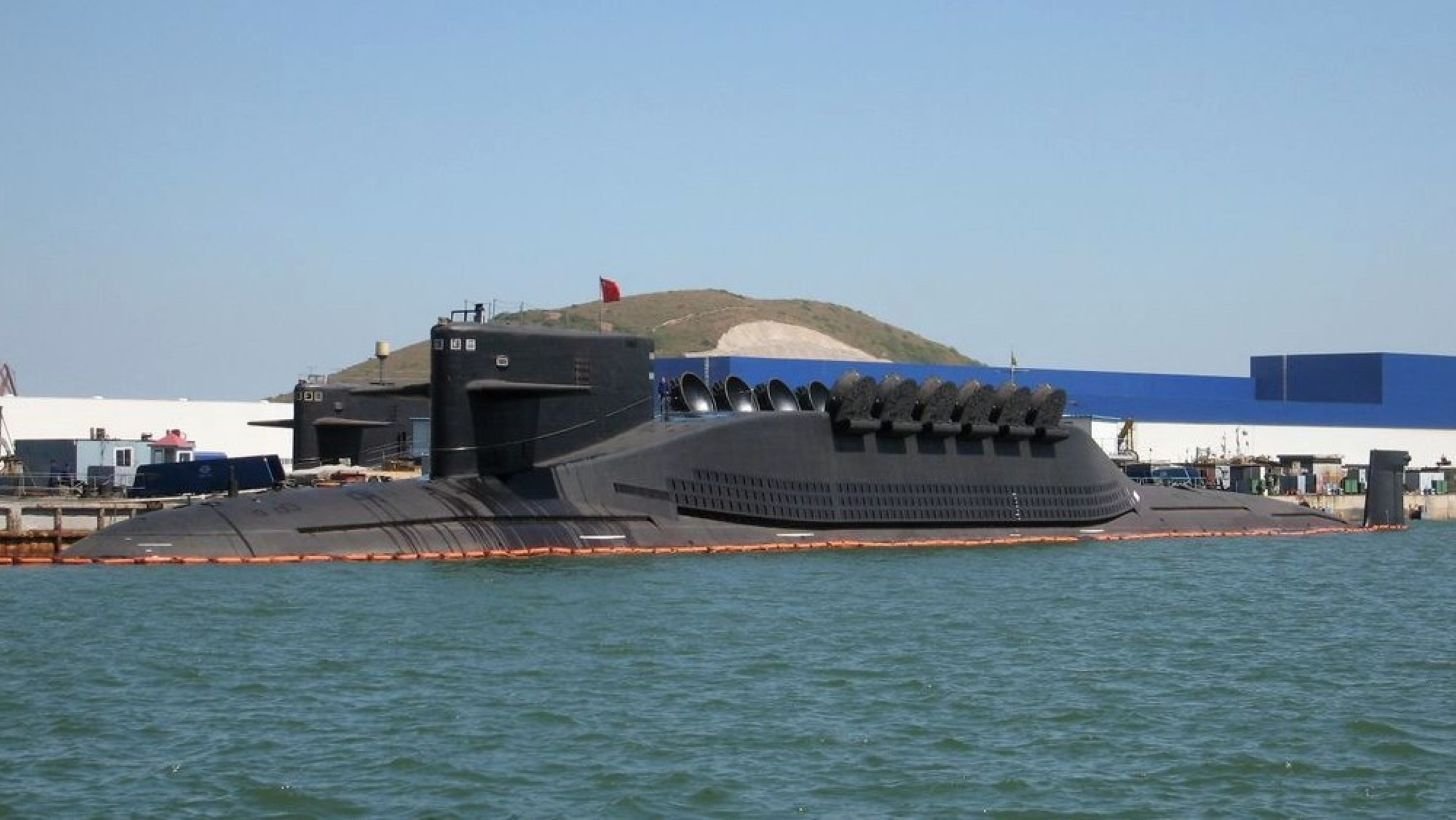
China has outpaced the United States in submarine production between 2021 and 2025, according to research published by the International Institute for Strategic Studies (IISS) and reported by Breaking Defense. The London-based think tank found that China launched 10 submarines during the period, representing an estimated 79,000 tonnes of displacement. By comparison, the United States launched seven submarines totaling approximately 55,000 tonnes.
The findings, detailed in the IISS Military Balance blog by Senior Fellow Henry Boyd and Research Fellow Tom Waldyn, indicate that China’s shipbuilding expansion has accelerated the growth of the People’s Liberation Army Navy (PLAN) undersea fleet.
Expansion of Nuclear Deterrent Fleet
Among the vessels launched were the seventh and eighth Type 094 (Jin-class) nuclear-powered ballistic missile submarines (SSBNs), a key component of China’s developing nuclear triad. Commercial satellite imagery from early 2026 identified six Type 094 boats distributed across Bohai Shipbuilding Heavy Industry Co. (BSHIC) in Huludao, the 1st Submarine Base at Jianggezhuang, the Xiaopingdao test facility, and the 2nd Submarine Base at Yalong Bay on Hainan Island.
Accounting for submarines potentially on deterrence patrol or undergoing refit, the researchers assess that the seventh and eighth Type 094 units were likely launched in 2024 and 2025. BSHIC, a state-owned enterprise responsible for China’s nuclear-powered submarines, expanded its facilities between 2019 and 2022, adding a second manufacturing hall and related infrastructure that increased production capacity.
Guided-Missile Submarine Developments
In addition to SSBN construction, China is expanding its fleet of nuclear-powered guided-missile submarines (SSGNs). The report estimates that nine Type 093B (Shang III) submarines have been launched since 2022, based on satellite imagery and U.S. government assessments. The Type 093B is an upgraded variant of the earlier Type 093A and is reportedly equipped with a vertical launch system (VLS) for guided missiles.
A new SSGN class, identified in external reporting as the Type 09V, was also reportedly launched this month. Analysts assess that these VLS-equipped submarines are likely configured to carry anti-ship missiles, including the hypersonic YJ-19 displayed during China’s September military parade. This configuration suggests a focus on high-end naval combat in the Western Pacific rather than the land-attack mission profile typical of U.S. Navy SSGNs.
Operational Constraints and Acoustic Considerations
Despite higher production rates, the IISS notes qualitative differences between Chinese submarines and their U.S. and European counterparts. A key limiting factor for PLAN operations remains acoustic performance. Earlier assessments, including a 2009 U.S. Office of Naval Intelligence report, indicated that the Type 093 and Type 094 designs were noisier than contemporary Western submarines, with sound signatures comparable to late Cold War Soviet platforms.
As a result, Type 094 SSBNs are believed to operate primarily in the comparatively protected waters of the South China Sea, where other People’s Liberation Army assets can provide layered defense. However, the IISS cautions that available acoustic assessments are dated, and the current noise levels of newer variants remain uncertain.
Overall, the findings highlight China’s expanding industrial capacity and sustained investment in undersea warfare, while underscoring continuing performance gaps that shape deployment patterns and strategic use.
  • Text Only
$73.5 Million FMS Contract Supports Merkava Fleet Sustainment Through 2032
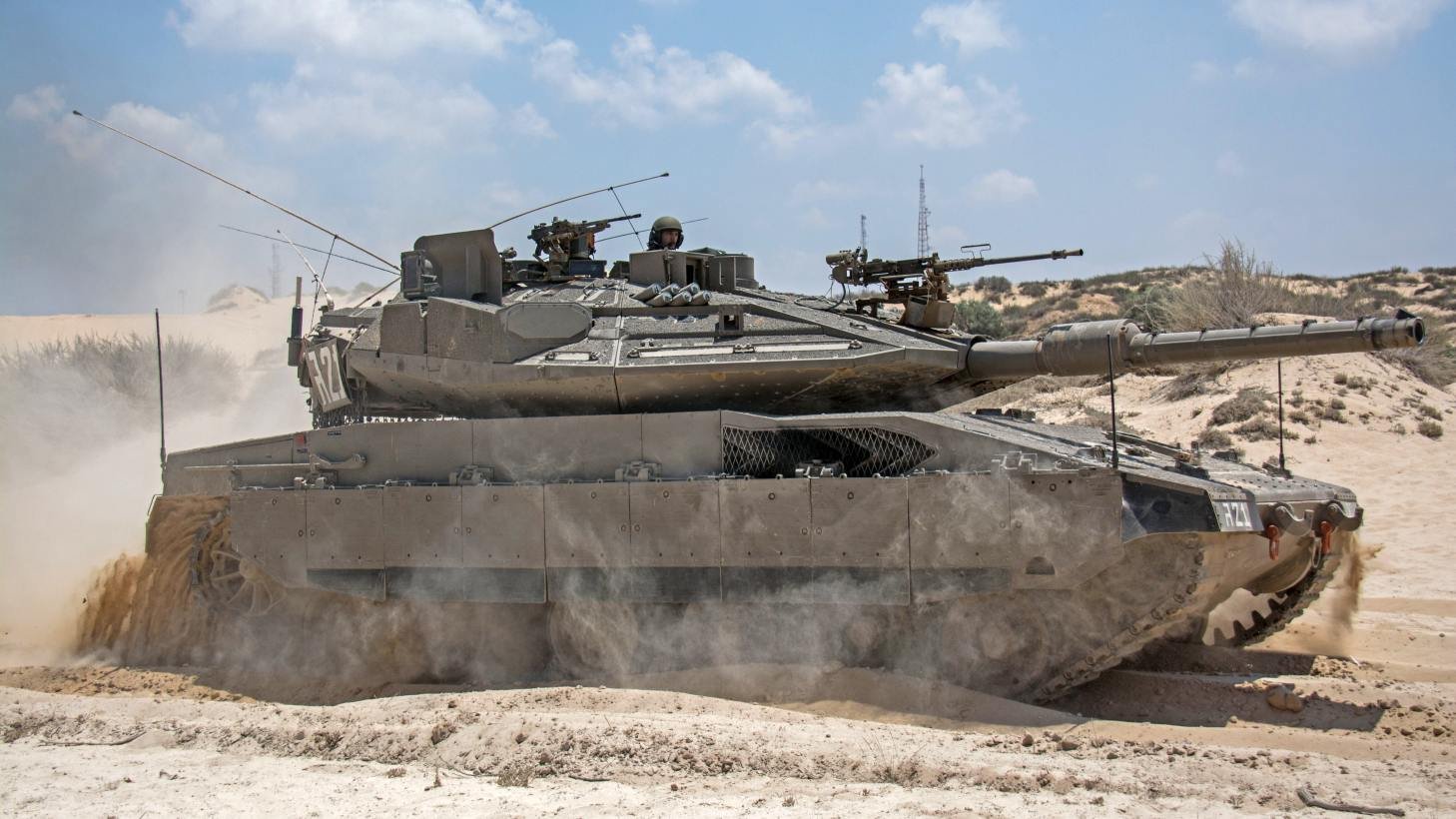
The U.S. Army has awarded Rolls-Royce Solutions America Inc. a $73,528,916 firm-fixed-price contract to provide Merkava tank power-pack kits, metal containers, and contractor engineering technical services for Israel under the Foreign Military Sales (FMS) program. Work will be performed in Graniteville, South Carolina, with completion scheduled for Dec. 31, 2032.
The award, issued by Army Contracting Command at Detroit Arsenal under contract W912CH-26-C-0019, is funded with fiscal 2026 FMS funds for Israel. The contract carries a cumulative face value of $462,947,478, indicating a long-term sustainment framework rather than a one-time procurement.
Scope: Full and Lite Power-Pack Kits
The contract covers “Power Pack Less Transmission” kits in both full and lite configurations. These kits exclude the transmission, which is sustained separately, but include the primary propulsion module and associated components.
Full kits are typically aligned with depot-level overhauls and major resets, while lite kits support field-level maintenance and rapid replacement of high-wear components. The inclusion of dedicated metal containers supports transport, storage, and prepositioning, enabling quicker turnaround and reduced downtime during high operational tempo.
Contractor engineering technical services are also included, providing ongoing expertise for integration, sustainment planning, and configuration management.
Propulsion as a Readiness Driver
The Merkava Mk4 and related heavy armored platforms are widely associated with the MT883-class 1,500-horsepower turbocharged V12 diesel engine. Designed for sustained heavy loads and military adaptability, the modular power pack integrates the engine, cooling systems, filtration, sensors, and ancillary components into a unit engineered for rapid replacement.
In modern armored forces, propulsion modules are critical determinants of readiness. Modular “drop-in” designs allow replacement in hours rather than days, supporting higher fleet availability rates. For Israel’s heavy tracked formations, propulsion reliability directly affects operational endurance, maneuver capacity, and recovery timelines.
The February contract follows a January notification by the Defense Security Cooperation Agency to Congress of a possible $740 million sale covering Namer armored personnel carrier power packs and related support. The parallel structure of the two efforts suggests coordinated sustainment planning across Israel’s heavy armored fleet.
Merkava Design and Modernization Context
The Merkava family forms the backbone of Israel’s heavy ground maneuver forces. Its front-engine configuration enhances crew survivability while enabling a rear compartment accessible by ramp for resupply, casualty evacuation, or limited troop transport.
The Merkava Mk4 centers on a 120 mm smoothbore main gun and integrates layered protection systems, including active protection such as Trophy. Recent modernization efforts, including the Mk4 Barak variant, emphasize upgraded sensors, AI-assisted mission systems, and helmet-mounted displays designed to improve situational awareness. Israeli officials have cited logistical enhancements intended to extend mission duration by up to 30 percent.
Such endurance gains depend on sustained propulsion availability and efficient maintenance cycles, reinforcing the strategic importance of long-horizon power-pack support.
Industrial and Strategic Dimensions
While Israel maintains domestic design authority through its Merkava and Armored Vehicles Directorate, key propulsion elements are sourced through international partnerships. The MT883/GD883 engine family is commonly paired with a Renk RK 325-class transmission, though transmissions are not included in the current award.
Executing propulsion sustainment through the U.S. FMS framework provides structured contracting oversight, financing mechanisms, and access to an established industrial base. At the same time, Israel retains integration control and modularity within its armored fleet architecture.
  • Text Only
Iran Positions Ghadir Mini Submarines as Asymmetric Counter to U.S. Carrier Presence
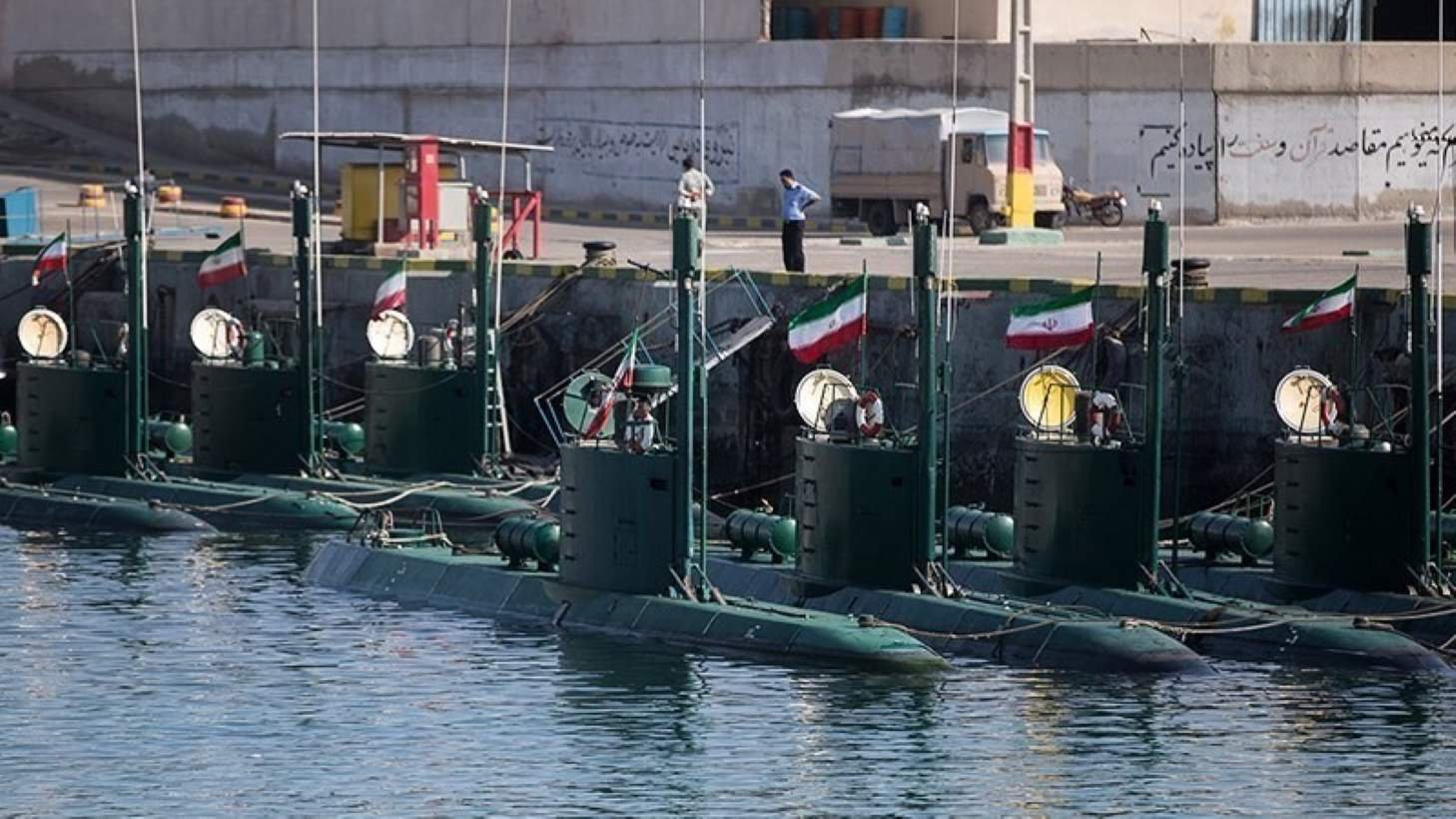
Iran has deployed more than 20 Ghadir-class midget submarines in the Persian Gulf as U.S. carrier strike groups operate in the region, according to Army Recognition reporting. While these vessels cannot rival U.S. naval power directly, their design and employment doctrine are intended to complicate carrier operations in confined and shallow waters.
Open-source assessments estimate Iran’s submarine fleet at roughly 28 to 30 boats, the majority of which are small coastal submarines optimized for Gulf conditions. With at least one U.S. aircraft carrier operating in the Middle East and the potential for additional deployments, Iranian naval strategy appears focused on imposing operational constraints rather than seeking conventional sea control.
Design Optimized for Shallow-Water Warfare
The Ghadir-class is purpose-built for littoral operations. Displacing approximately 117 tons surfaced and 125 tons submerged, the diesel-electric boats are suited to the Persian Gulf’s shallow depths, heavy maritime traffic, and complex seabed terrain. Larger submarines face maneuvering limits in such environments, while sonar performance is often degraded by salinity, temperature layering, and high ambient noise.
Most assessments trace the Ghadir’s lineage to North Korea’s Yono-class submarine. Reports indicate that at least one Yono was transferred to Iran in 2004, followed by domestic production of modified variants. Estimates suggest that between 20 and 23 Ghadir boats are operational, providing Iran with the ability to disperse multiple submarines across chokepoints such as the Strait of Hormuz.
Armament and Operational Roles
The Ghadir carries two 533 mm torpedo tubes with a limited onboard weapons load. It is associated with Iranian torpedoes, including the Valfajr and possibly the Hoot supercavitating torpedo. Despite its small size, the platform offers significant lethality relative to displacement.
Beyond torpedoes, the class is assessed as capable of laying naval mines and deploying combat divers, expanding its role into covert operations. In 2019, Iran announced the test launch of a Jask anti-ship cruise missile from a Ghadir submarine. Reporting links the Jask-2 to an encapsulated “swim-out” missile derived from the Nasr-1 family, potentially allowing engagements at greater stand-off distances. If operationally viable, such capability would add complexity to defensive planning for escort vessels.
Exploiting the Gulf’s Acoustic Environment
The Persian Gulf’s environmental conditions present challenges for anti-submarine warfare. Variations in salinity and temperature, combined with dense commercial shipping and seabed clutter, can degrade sonar effectiveness. Diesel-electric submarines operating on battery power are inherently quiet, and the Ghadir is reportedly capable of bottoming—resting on the seabed to reduce detectability.
These factors make persistent tracking difficult, particularly in narrow transit routes. A distributed deployment of mini submarines combined with minefields could constrain maneuver space for high-value units, increasing operational risk during chokepoint transits.
Implications for U.S. Naval Operations
U.S. carrier strike groups maintain extensive anti-submarine warfare capabilities, including MH-60R helicopters equipped with dipping sonar and the integration of unmanned surface and subsurface systems. However, ASW operations in the Gulf remain resource-intensive due to environmental complexity.
Strategically, the Ghadir-class does not need to defeat a carrier strike group in open combat to achieve effect. By increasing uncertainty, extending timelines, and compelling greater allocation of ASW assets, Iran’s mini-submarine fleet can raise the operational cost of sustained U.S. naval presence near its coastline. Tehran’s investment reflects a broader approach centered on leveraging geography and asymmetric capabilities to offset conventional naval disparities.
  • Text Only
U.S. Troops Deploy to Nigeria for Counterterrorism Training Mission
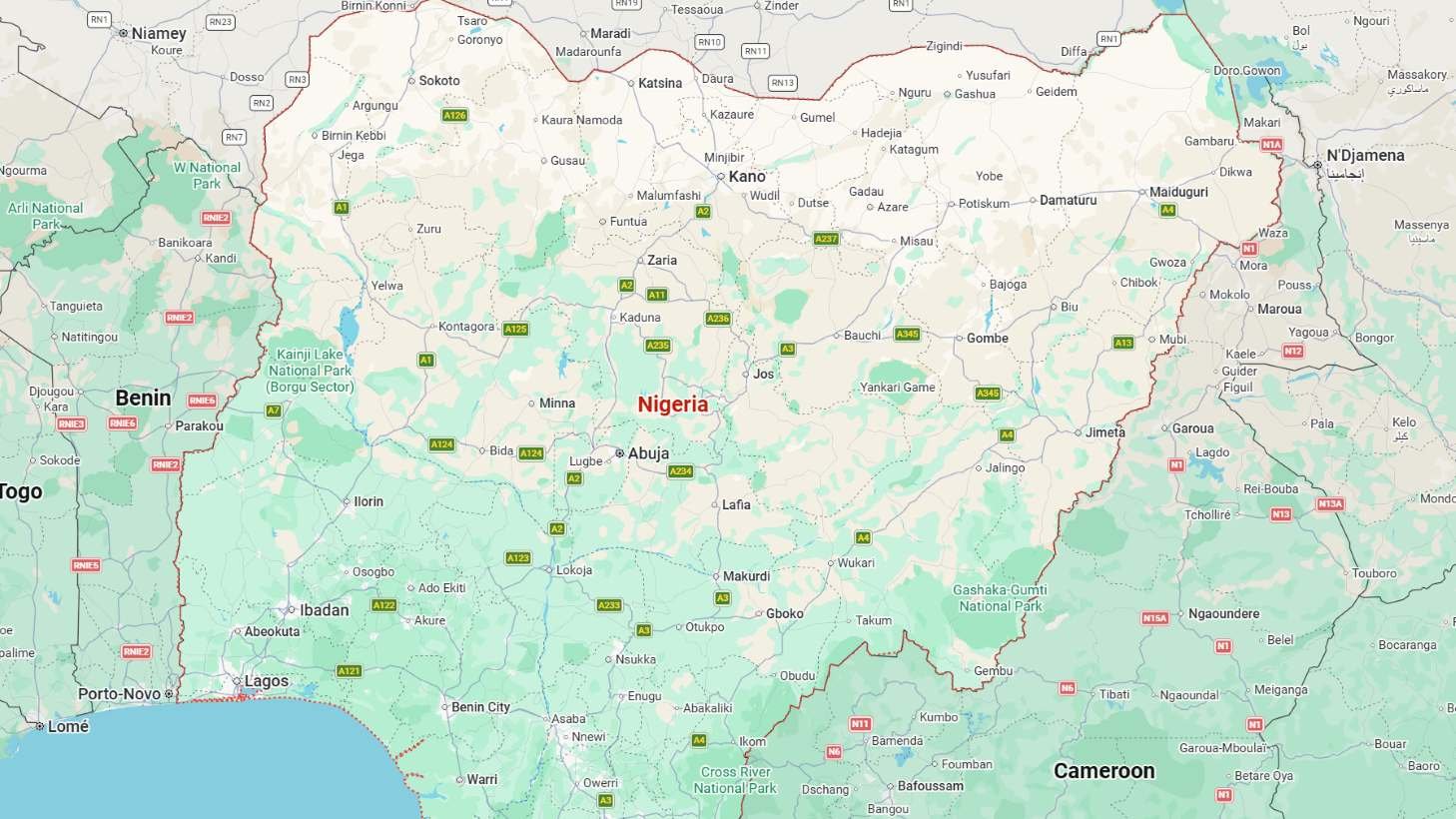
Approximately 100 U.S. service members have arrived in Nigeria to train and support the country’s military, U.S. and Nigerian officials confirmed. The deployment follows a formal request from the Nigerian government for assistance in training, technical support, and intelligence sharing aimed at countering extremist threats.
A spokesperson for Nigeria’s armed forces said the U.S. personnel arrived at Bauchi Airfield in northern Nigeria. Their mission is to assist Nigerian forces in identifying and neutralizing extremist groups operating within the country. Nigerian officials emphasized that the U.S. contingent will serve strictly in an advisory capacity and will not participate directly in combat operations.
Mission Scope and Objectives
According to Maj. Gen. Samaila Uba, spokesperson for Nigeria’s Defense Headquarters, the collaboration will provide specialized technical capabilities to strengthen Nigeria’s counterterrorism capacity and improve protection for vulnerable communities.
U.S. Africa Command confirmed the deployment supports Nigerian-led counterterrorism operations but did not disclose the specific units involved or their home stations. Reuters previously reported that the United States intends to deploy up to 200 troops to Nigeria, with the first elements arriving over the weekend. The timeline for the arrival of the remaining personnel has not been announced.
Context: Recent U.S. Strikes in Sokoto State
The advisory mission follows U.S. military strikes conducted in Sokoto state on Christmas. During that operation, a U.S. Navy destroyer launched several Tomahawk cruise missiles targeting suspected camps linked to the Islamic State and Lakuwara, an affiliated group. Some missiles reportedly failed to detonate. The number of casualties resulting from the strikes has not been confirmed.
In January, President Donald Trump indicated that additional strikes remained under consideration. The deployment of advisers comes amid continued U.S. military engagement in Africa, where airstrikes against ISIS and al-Shabaab have increased over the past year.
Domestic Security Challenges in Nigeria
Nigeria continues to face multiple internal security challenges, particularly in its northern regions. While extremist violence has affected both Muslim and Christian communities, Nigerian officials have rejected claims that violence is exclusively directed at one religious group. Analysts note that several ongoing conflicts in the country are rooted in economic disputes and local instability, in addition to extremist activity.
Northern Nigeria, which is predominantly Muslim, has experienced repeated attacks by militant organizations. Nigerian authorities have stated that enhanced cooperation with U.S. forces is intended to improve intelligence sharing, operational effectiveness, and long-term counterterrorism capabilities.
The current deployment represents an expansion of bilateral security cooperation, with U.S. forces providing advisory and technical support while Nigerian forces retain operational control of counterterrorism efforts.
  • Text Only
Official Footage Confirms TOS-3 Combat Use
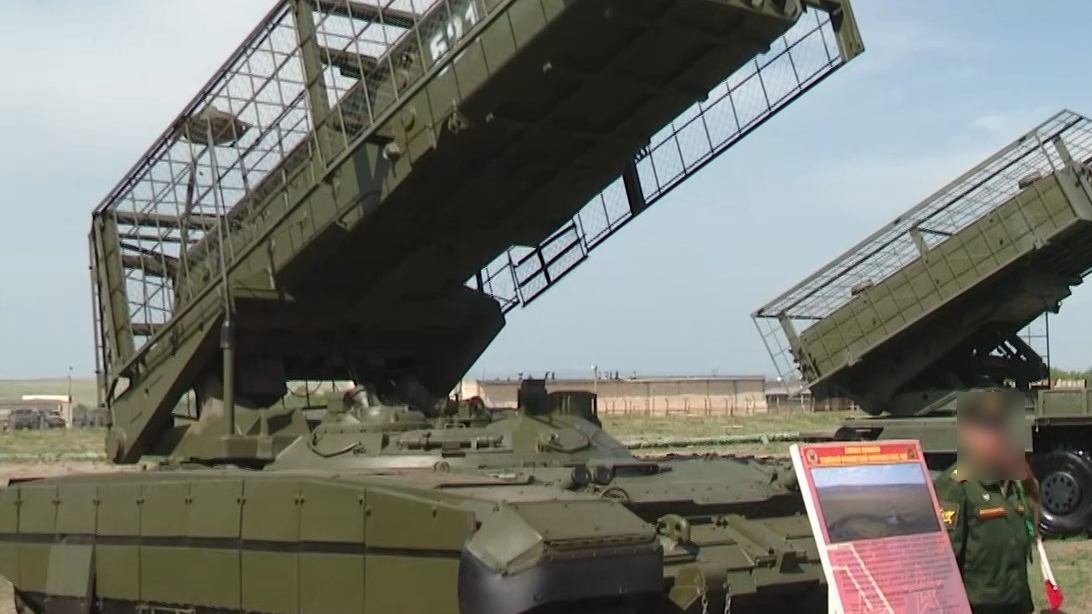
On February 4, 2026, the Russian Ministry of Defense released official footage showing the TOS-3 Drakon heavy flamethrower system conducting combat operations in Ukraine. According to the ministry, the system’s crew belongs to the 29th Separate Radiation, Chemical, and Biological Defense Brigade of the Center Group of Forces and destroyed a Ukrainian stronghold in the Krasnoarmeysk direction.
The TOS-3 launcher in the footage is equipped with protective mesh screening similar to that seen on the TOS-2, as well as the Volnorez electronic warfare system. The vehicle also appears to feature updated digital fire-control and communications equipment intended to support extended-range engagements and improve survivability.
Evolution of the TOS Family
“TOS” is the Russian acronym for Tyazhyolaya Ognemyotnaya Sistema, or Heavy Flamethrower System. The concept originated with the Soviet-era TOS-1 Buratino, developed between 1971 and 1979 and introduced in 1988. Mounted on a T-72 tank chassis with 30 launch tubes, the 45.3-ton system carried 220 mm thermobaric rockets with an initial range of 0.5 to 3 kilometers. Operated by NBC Protection Troops, the TOS-1 saw early combat testing in Afghanistan in 1988–1989.
The modernized TOS-1A Solntsepyok entered service in 2001. It reduced the launcher to 24 tubes and incorporated a reinforced hull, ballistic computer, laser rangefinder, and smoke grenade launchers. Its upgraded rockets extended range to 6 km with the MO.1.01.04M and up to 10 km with the MO.1.01.04M2. The TOS-1A has been used in multiple conflicts, including Ukraine.
Shift to Mobility: TOS-2 Tosochka
Combat experience led to the development of the TOS-2 Tosochka, first displayed publicly in 2020 and entering service in 2021. Unlike earlier tracked variants, the TOS-2 uses a 6x6 UralAZ-63704-0010 wheeled chassis and carries 18 rockets. It integrates an onboard loading crane, satellite navigation, updated fire-control systems, and new communications equipment.
The TOS-2 employs the TBS-M3 rocket, with a stated range of at least 10–12 km and, in some references, up to 20 km. The wheeled platform improves road mobility and operational reach compared to tracked predecessors. The system has also been observed in Ukraine.
Development and Features of the TOS-3 Drakon
Public indications of the TOS-3 emerged in January 2024 when Omsktransmash registered the “TOS-3 Drakon” trademark. Rostec confirmed in April 2024 that a prototype had been built on a tracked chassis with a new launcher for extended-range munitions. The system was publicly unveiled in June 2024, and first combat footage appeared in November 2025.
Available information indicates the TOS-3 uses a tracked armored chassis, likely derived from the T-72 or T-80 series, fitted with a lighter 15-tube launcher arranged in three rows of five. The reduced number of tubes is assessed to allow larger rockets with increased propellant capacity. While official performance data remain unpublished, estimates suggest engagement ranges of 15 km or more, with some higher figures cited.
The vehicle is reportedly designed to weigh approximately 40 to 42 tonnes in combat configuration, potentially improving mobility compared to the 46-ton TOS-1A. Protective mesh and electronic countermeasures appear to reflect adaptations to drone threats encountered in Ukraine.
Thermobaric Employment and Operational Context
TOS systems fire 220 mm thermobaric rockets that disperse an aerosolized fuel cloud before ignition, generating a high-temperature blast wave and sustained overpressure effect. These munitions are intended for use against fortified positions, enclosed structures, light armored vehicles, and personnel.
Earlier TOS variants required close-range, line-of-sight engagements with manual rangefinding and ballistic calculations. Subsequent models have incorporated digital fire-control systems and integration with reconnaissance drones, enabling longer standoff distances and faster target engagement. The deployment of the TOS-3 reflects continued modernization of Russia’s thermobaric rocket artillery capabilities.
  • Text Only
FAA Issues 10-Day Ground Stop at El Paso International Airport
The Federal Aviation Administration (FAA) has suspended all flight operations at El Paso International Airport in Texas for a 10-day period, citing “special security reasons.” The temporary restriction took effect at 11:30 p.m. MST on February 10 and is scheduled to remain in place until 11:30 p.m. MST on February 20.
The ground stop applies to all arriving and departing aircraft, including commercial passenger flights, cargo operations, and general aviation. In addition to the airport itself, the restriction covers surrounding airspace over El Paso and extends to nearby Santa Teresa, New Mexico.
The FAA has not provided further details regarding the nature of the security concern prompting the order.
Warning of Potential Use of Deadly Force
In its notice, the FAA stated that the U.S. government “may use deadly force” against any aircraft that violates the temporary flight restriction (TFR) if it is determined to pose “an imminent security threat.” Such language is consistent with national security-related TFRs but underscores the seriousness of the current directive.
Pilots are required to comply strictly with the restriction. Unauthorized aircraft entering the affected airspace could face interception and enforcement actions under established federal security protocols.
Airport Advises Travelers to Contact Airlines
El Paso International Airport confirmed the closure in a public statement issued Wednesday. Airport officials advised travelers to contact their respective airlines for the most current information regarding flight cancellations, rebooking options, and schedule changes.
The suspension is expected to disrupt passenger travel and cargo logistics throughout the 10-day period, though specific operational impacts will depend on airline contingency planning and rerouting capabilities.
Speculation Surrounds Security Rationale
While the FAA has not elaborated on the reason for the restriction, former FAA safety team member Kyle Bailey described the 10-day duration as “unprecedented” in comments to Fox News. Bailey noted the airport’s proximity to Fort Bliss, a major U.S. Army installation located in the region.
Bailey suggested the closure could be connected to a national security event, a high-level government visit, or potential testing activities involving military or specialized equipment in the surrounding area. He also observed that no comparable flight restriction has been announced on the Mexican side of the border.
Federal authorities have not confirmed any of these possibilities, and no additional agencies have publicly commented on the situation.
Broader Implications
Temporary flight restrictions are typically issued for reasons including national security, disaster response, or protection of high-profile individuals. However, a comprehensive 10-day ground stop affecting all categories of flights at a commercial airport is rare.
As the restriction remains in effect, aviation stakeholders and travelers await further clarification from federal officials regarding the underlying security considerations and any potential adjustments to the timeline.
  • Text Only
U.S. Authorizes Major Arms Sales Amid Regional Tensions
The United States on Friday approved multibillion-dollar weapons sales to Israel and Saudi Arabia, moves that come amid elevated tensions with Iran and ongoing instability across the Middle East. The approvals were announced by the State Department, which said the transactions align with U.S. national security interests and long-standing defense partnerships in the region.
Israel: Apache Helicopters and Tactical Vehicles
For Israel, the State Department authorized a $3.8 billion sale of 30 AH-64 Apache attack helicopters, along with a separate $1.8 billion package for Joint Light Tactical Vehicles. U.S. officials said the proposed sales are intended to help Israel maintain a credible self-defense capability.
The United States provides Israel with billions of dollars in military support annually, much of it delivered as aid rather than through direct sales. The latest approval follows a U.S.-backed ceasefire reached between Israel and Hamas in October, which largely halted nearly two years of fighting in Gaza.
Saudi Arabia: Expanded Air and Missile Defense
The State Department also approved a $9 billion arms sale to Saudi Arabia, centered on the delivery of 730 Patriot interceptor missiles. The Patriot system is designed to defend against incoming ballistic missiles, cruise missiles, and aircraft, and is a cornerstone of Saudi Arabia’s air and missile defense architecture.
The approval comes as Gulf states monitor escalating regional risks, including the potential for wider conflict involving Iran. While Saudi Arabia remains a strategic rival of Tehran, it has publicly cautioned against direct attacks on Iran, citing concerns that broader instability could undermine the Gulf’s role as a hub for trade and investment.
Broader Strategic Context
Regional tensions remain high as the United States deploys significant naval and air forces in waters near Iran. Israel last year conducted a major bombing campaign targeting Iranian nuclear and military facilities. Iran, meanwhile, has faced sustained internal unrest, with authorities responding forcefully to large-scale protests, reportedly resulting in thousands of deaths.
Saudi Arabia has also weighed a potential normalization of relations with Israel, a prospect that has appeared increasingly uncertain as Israel’s military operations in the Palestinian territories continue.
  • Text Only
Upcoming Talks Scheduled in Abu Dhabi
Ukraine, the United States, and Russia are set to convene in Abu Dhabi on Feb. 4–5 for a new round of peace negotiations, according to Ukrainian President Volodymyr Zelensky. The talks are intended to continue diplomatic efforts aimed at ending the war and follow earlier meetings held in the United Arab Emirates. Zelensky said Ukraine is prepared for a substantive dialogue focused on achieving a durable and dignified resolution to the conflict.
Format and Timing Uncertainty
Zelensky’s announcement came after uncertainty over whether talks initially planned for Feb. 1 would proceed and whether they would be conducted bilaterally between Kyiv and Moscow or in a trilateral format including Washington. The confirmation of dates and location clarified that the next round would involve all three parties, continuing the framework used in previous discussions.
Recent Diplomatic Engagements
Diplomatic activity intensified in the days preceding the announcement. On Jan. 31, Russian envoy Kirill Dmitriev met with U.S. officials in Miami, including U.S. Special Envoy Steve Witkoff. These discussions followed a prior two-day meeting among Ukrainian, U.S., and Russian representatives that concluded in Abu Dhabi on Jan. 24, indicating sustained engagement despite ongoing hostilities.
Key Issues on the Agenda
Negotiations are expected to focus on a potential energy ceasefire and territorial control in eastern Ukraine, particularly the Donbas region. Russia has consistently demanded that Ukraine cede the entirety of Donetsk and Luhansk oblasts, including areas not currently under Russian occupation, as a precondition for any peace agreement. Kyiv has rejected these demands, maintaining its position on territorial integrity under international law.
Energy Infrastructure and Ceasefire Proposals
The talks come amid continued pressure on Ukraine’s energy system following repeated Russian strikes. On Jan. 29, U.S. President Donald Trump said he had asked Russian President Vladimir Putin to halt attacks on Ukrainian cities for one week. Russian officials responded the following day that any pause would apply only to Kyiv and would last until Feb. 1.
Ongoing Attacks and Civilian Impact
Despite discussions of limited restraint, Russian attacks have continued against civilian infrastructure in other Ukrainian cities in recent days, resulting in casualties. The persistence of strikes underscores the challenges facing negotiators as diplomatic efforts proceed alongside active military operations.
  • Text Only

Editorial Information

Advertisement

Advertisement

Important Information

We have placed cookies on your device to help make this website better. You can adjust your cookie settings, otherwise we'll assume you're okay to continue.

Account

Navigation

Search

Search

Configure browser push notifications

Chrome (Android)
  1. Tap the lock icon next to the address bar.
  2. Tap Permissions → Notifications.
  3. Adjust your preference.
Chrome (Desktop)
  1. Click the padlock icon in the address bar.
  2. Select Site settings.
  3. Find Notifications and adjust your preference.